N S W E
Wildlife Expeditions

Wildlife of
Rwanda

Rwanda is renowned for intimate, high-altitude encounters with endangered mountain gorillas in the misty Virunga volcanoes, set within one of Africa's richest biodiversity hotspots-the Albertine Rift.
116 Species
26,338 km² Land Area
Overview

About Rwanda

Rwanda's wildlife story is defined by dramatic landscapes packed into a small country: bamboo forests climbing volcanic slopes, montane rainforest, rolling savannas, and papyrus-lined wetlands. Best known for the iconic mountain gorillas of Volcanoes National Park, Rwanda also shelters an impressive range of Albertine Rift endemics-species found nowhere else-making its natural heritage disproportionate to its size. For visitors, the experience is often close-up and immersive: steep hikes through cool cloud forests, soft light filtering through giant Hagenia trees, and the unforgettable stillness of meeting great apes at eye level.

Key ecosystems span three standout protected areas. Volcanoes National Park protects the Rwandan share of the Virunga Massif, critical for mountain gorillas and golden monkeys, and a stronghold for montane plant communities. Nyungwe National Park conserves one of Africa's largest remaining blocks of montane rainforest, famous for primates, orchids, and exceptionally diverse birdlife, including many Albertine Rift specialties. Akagera National Park, a savanna-wetland mosaic along the Tanzanian border, adds classic safari habitat with lakes, floodplains, and woodland supporting large mammals and prolific waterbirds.

Rwanda plays an outsized role in African conservation through intensive protection, science-led monitoring, and high-value ecotourism that helps fund park management and community benefits-an approach that has supported flagship species recovery and reintroductions. Its wildlife experience is unique for how quickly you can shift between ecosystems-tracking gorillas in the morning mist, canopy-walking above rainforest in Nyungwe, and spotting lions over Akagera's lakeside plains-often within the same trip, with strong guiding standards and a clear conservation ethic.

Physical Features

Geography

Rwanda's wildlife is shaped by steep elevation gradients and Rift Valley geography: cool, wet montane zones in the northwest support bamboo-montane forests and mountain gorillas, while lower-elevation eastern savannas and wetlands support large herbivores and waterbirds. Being part of the Albertine Rift hotspot, its western escarpments and Lake Kivu basin hold high endemism, but dense human settlement and agriculture compress habitats into a few protected landscapes, making connectivity between montane forests, riverine corridors, and wetlands especially important.

26,338 km² Land Area
One of Africa's smallest countries; roughly about the size of the U.S. state of Maryland Size Rank

Key Landscapes

  • Albertine Rift / Congo-Nile Divide: rugged western highlands that concentrate montane forest biodiversity and endemism
  • Virunga volcanic mountains (NW): high-elevation volcano chain and bamboo-montane forest mosaics critical for mountain gorillas and other montane specialists
  • Nyungwe Highlands (SW): large montane rainforest block with deep valleys and high rainfall, supporting primates, forest birds, and amphibians
  • Akagera savanna and lowlands (E): rolling plains and woodland-savanna supporting grazers, predators, and savanna birds
  • Akagera River and associated lakes (E): major riverine corridor and floodplain/lake system important for hippos, crocodiles, fish, and waterbirds
  • Rugezi Marsh and high-altitude wetlands (N): peatlands and marshes important for cranes, endemic/near-endemic birds, and watershed regulation
  • Lake Kivu shoreline and basin (W): lacustrine and riparian habitats influencing local fish communities and birdlife; steep surrounding slopes limit habitat extent
  • Network of smaller rivers and wetlands (nationwide): riparian strips and marshes that act as movement corridors in a highly farmed landscape

Ecoregions

  • Albertine Rift montane forests
  • Albertine Rift bamboo forests
  • Ruwenzori-Virunga montane moorlands
  • Lake Victoria Basin forest-savanna mosaic
  • Victoria Basin swamp forests (localized wetland patches in the east)
Parks & Reserves

Protected Areas

Rwanda's protected-area system is centered on a small but globally significant network of national parks safeguarding key Albertine Rift ecosystems: montane volcanoes (Volcanoes NP), montane rainforest (Nyungwe NP), and savanna-wetland mosaics (Akagera NP). In recent years, protection has expanded to include the recovering Gishwati-Mukura montane forests. Management is led by the Rwanda Development Board (RDB), with notable co-management partnerships (e.g., African Parks in Akagera) and strong emphasis on high-value wildlife tourism, reintroductions (e.g., lion and rhino in Akagera), and community benefit-sharing around park buffers. Rwanda also protects critical wetlands through Ramsar designations and other reserve/forest classifications, which complement the national parks.

Protected Coverage

Approx. ~10% of Rwanda's land area is under formal protection when considering national parks and other designated protected areas (estimate; boundaries and classifications can vary by source and over time).

Notable Parks & Reserves

Volcanoes National Park

National Park

Iconic Virunga volcano habitat and Rwanda's flagship site for mountain gorilla conservation and viewing. It also protects rare high-altitude forests that support several Albertine Rift endemics and threatened primates.

Mountain gorilla
Mountain gorilla
Golden monkey
Black-and-white colobus
African buffalo
African buffalo
Spotted hyena
Bushbuck

Nyungwe National Park

National Park; UNESCO World Heritage Site (Natural) (inscribed 2023)

One of Africa's best-protected montane rainforests and a major center of primate diversity, with famous chimpanzee tracking and large colobus troops. It is also critical for watershed protection and Albertine Rift endemic birds.

Chimpanzee
Chimpanzee
Ruwenzori (Angolan) colobus
L'Hoest's monkey
Grey-cheeked mangabey
Blue monkey
Great blue turaco

Akagera National Park

National Park

Rwanda's premier savanna and wetland wildlife destination, restored through intensive protection and species reintroductions. It now supports classic Big Five-style viewing in a landscape of lakes, papyrus swamps, and open plains.

Gishwati-Mukura National Park

National Park

A recovering montane forest landscape created to protect highly threatened remnants of the Congo-Nile divide forests. It is important for primate conservation, forest connectivity, and biodiversity recovery in a densely populated region.

Chimpanzee
Chimpanzee
L'Hoest's monkey
Blue monkey
Black-and-white colobus
Ruwenzori turaco

Rugezi Marsh (Rugezi Wetland)

Ramsar Wetland of International Importance

A high-altitude peat bog and papyrus wetland of major importance for water regulation and rare wetland birds. It is one of Rwanda's key sites for threatened and range-restricted species associated with papyrus habitats.

Grey crowned crane
Papyrus gonolek
Sitatunga
African marsh harrier
Papyrus canary

Nyabarongo Wetland Complex

Ramsar Wetland of International Importance

A large riverine wetland system near Kigali that supports papyrus specialists and wetland-dependent mammals while providing important flood and water-quality functions. It is a priority landscape for balancing biodiversity protection with surrounding human land use.

Sitatunga
African clawless otter
Grey crowned crane
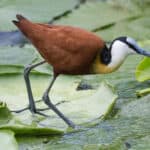
African jacana
African jacana
Papyrus gonolek
African sacred ibis

UNESCO World Heritage Sites

  • Nyungwe National Park (Natural World Heritage Site)
Animals

Wildlife

Rwanda's wildlife is defined by its steep elevational gradients and three flagship protected landscapes: the Virunga volcanoes (Volcanoes National Park) with high-altitude bamboo and afro-alpine habitats; the vast montane rainforest of Nyungwe (part of the Albertine Rift biodiversity hotspot); and the savanna-wetland mosaic of Akagera in the east. This compact, densely populated country delivers a "three ecosystems in one trip" experience: world-famous mountain gorilla trekking, primate-rich rainforest walks (chimpanzees and multiple monkey species), and classic savanna game viewing with a conservation success story of key reintroductions (lion and rhino). Bird diversity is especially strong, including many Albertine Rift endemics and near-endemics.

~150-170 species Mammals
~700-750 species Birds
~90-110 species Reptiles
~55-70 species Amphibians

Iconic Species

Mountain Gorilla
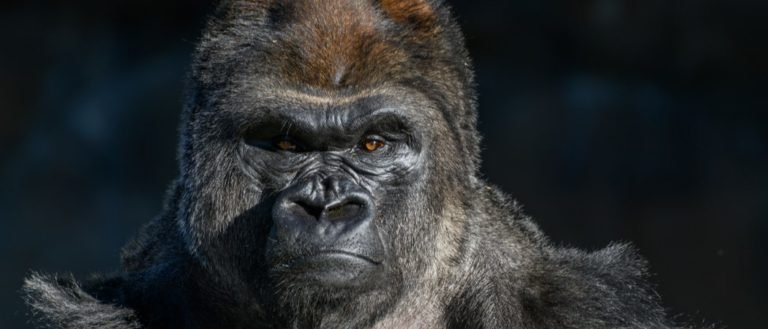
Mountain Gorilla Rwanda is one of only three countries where mountain gorillas occur, and Volcanoes National Park protects a major portion of the Virunga population. Gorilla trekking here is Rwanda's signature wildlife experience, with habituated groups accessible in montane forest and bamboo zones.
Chimpanzee
Chimpanzee Nyungwe National Park is Rwanda's premier site for chimpanzee tracking, offering encounters in a large, continuous montane rainforest-one of the best chimp-viewing contexts in the Albertine Rift.
Golden Monkey A Virunga specialty and a top 'second primate' for visitors after gorillas. Commonly seen in and around bamboo stands in Volcanoes National Park, often in lively, photogenic troops.
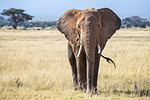
African Savanna Elephant
African Savanna Elephant Akagera National Park holds Rwanda's key elephant population, typically seen around lakes, papyrus wetlands, and open savannas. Their presence highlights Akagera's recovery as a functioning Big Five ecosystem.
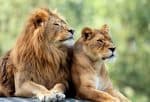
Lion
Lion Lions were reintroduced to Akagera, restoring a missing apex predator and revitalizing classic savanna viewing in Rwanda. Sightings are most likely in open plains and around concentrations of prey.
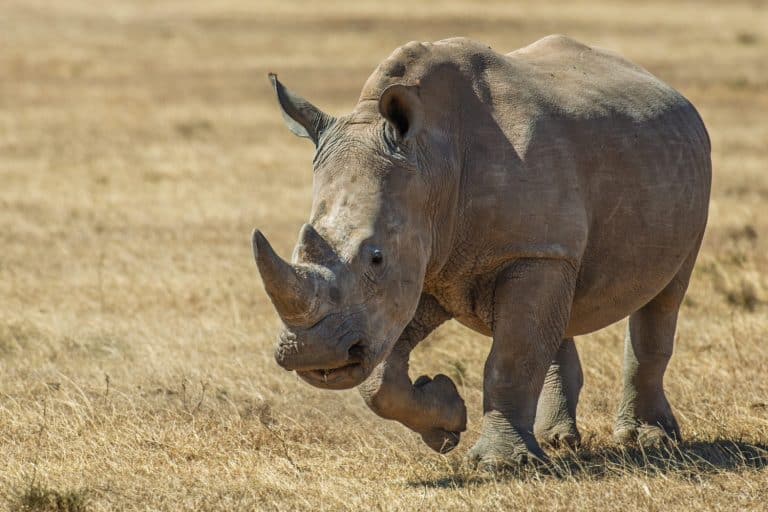
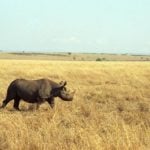
Black Rhinoceros
Black Rhinoceros Black rhinos were reintroduced to Akagera, making Rwanda again a rhino range state. Their return is a cornerstone of Akagera's conservation turnaround and Big Five status.
Masai Giraffe Introduced to Akagera to rebuild Rwanda's savanna megafauna assemblage; now a reliable, charismatic species for game drives, often seen browsing acacias in open woodland and plains.
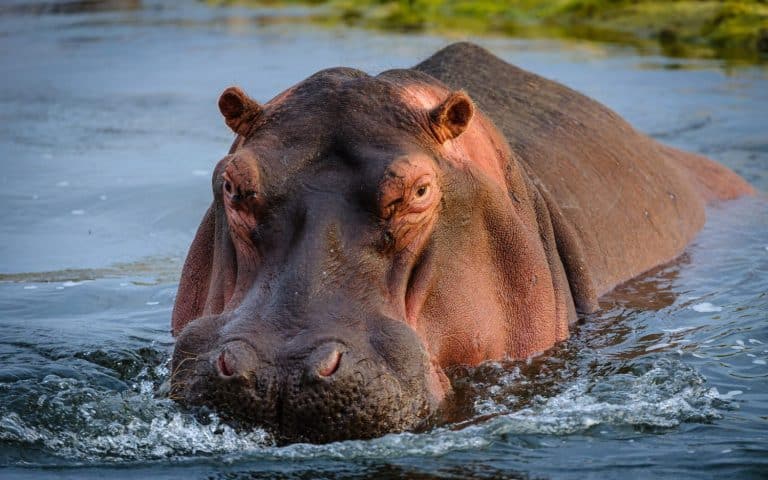
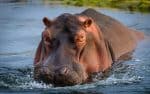
Hippopotamus
Hippopotamus Akagera's lakes and channels support conspicuous hippo pods, making boat trips and waterside drives a high-reward way to see large mammals alongside abundant waterbirds.
Ruwenzori Colobus (Angolan Colobus) Nyungwe is famous for exceptionally large, visible colobus troops-among the most impressive primate spectacles in the region-often encountered on forest trails and canopy walk routes.

Endemic Species

Grauer's Swamp Warbler An Albertine Rift endemic tied to high-elevation swamps; Rwanda's remaining montane wetlands are important for this habitat-specialist bird, sought by regional birders. Endemic
Albertine Owlet A localized Albertine Rift endemic found in montane forests; a prized, difficult target for birders in Rwanda's highland forest blocks (notably Nyungwe region). Endemic
Rwenzori Turaco A striking Albertine Rift near-endemic and emblematic forest bird; regularly recorded in Nyungwe, where its calls and canopy movements often give it away. Endemic
Rwenzori Batis An Albertine Rift endemic forest flycatcher-like bird recorded in Rwanda's montane forests (notably Nyungwe). Sought-after by birders for its restricted range and distinctive highland forest habitat. Endemic
Kivu Ground Thrush An Albertine Rift near-endemic of dense montane forest; secretive but present in Rwanda's higher forests, adding to the country's reputation for regional endemics. Endemic

Notable Populations

  • One of only three countries worldwide with mountain gorillas, with Volcanoes National Park protecting a major share of the Virunga massif population.
  • Nyungwe National Park supports one of Africa's most spectacular colobus monkey aggregations, with very large troops of Ruwenzori colobus often encountered.
  • Akagera National Park has restored Big Five potential through major reintroductions (lion and black rhino) and ongoing protection, making it Rwanda's flagship savanna recovery story.
  • Rwanda sits within the Albertine Rift biodiversity hotspot, giving it an outsized concentration of range-restricted and near-endemic birds relative to its small size.
Protection

Conservation

Primary Threats

  • Outside protected areas, most land is converted to smallholder agriculture and settlements due to very high rural population density. This limits dispersal corridors between remnant habitats and increases edge effects around Volcanoes and Nyungwe (encroachment pressure, fuelwood collection, and expansion of cultivation up to park boundaries). Wetland conversion in valley bottoms can reduce habitat for amphibians and waterbirds and increase downstream sedimentation into lakes and rivers.
  • Cultivation on steep slopes and expansion of farmland right up to park borders intensify erosion and sediment runoff, degrading aquatic habitats and wetlands. Around Volcanoes National Park, farms abut the park boundary, so even small expansions or boundary incursions have outsized impacts on critical gorilla and golden monkey habitat at the forest edge.
  • As people and wildlife share tight landscapes, crop raiding and livestock depredation are persistent. In Volcanoes, buffalo and other wildlife can damage crops; in Akagera, elephants and other species can raid fields and affect livelihoods, increasing retaliatory risks and pressure for lethal control. Conflict management (fencing, rapid response, compensation/benefit schemes) is crucial to maintaining tolerance for conservation.
  • Snaring for bushmeat and opportunistic hunting occur mainly in and around forested protected areas, particularly targeting antelope and other mammals in the vicinity of Nyungwe and Volcanoes. Even when not aimed at gorillas, wire snares can injure great apes and other non-target species, requiring intensive patrols and veterinary response.
  • Rwanda's location near DRC and regional routes increases risk of transboundary trafficking (e.g., live animals, parts). While internal demand is relatively limited compared with some neighboring contexts, porous borders and high-value species in the Albertine Rift create continuing enforcement needs, especially for primates and other threatened taxa.
  • Great apes are vulnerable to respiratory and other human-transmitted diseases because tourism and research bring people close to gorillas and chimpanzees. This drives strict health protocols and active veterinary monitoring. Dense human settlements near parks increase the likelihood of pathogen spillover, making disease prevention a constant management priority.
  • Warming temperatures and shifting rainfall patterns can alter Afro-montane ecosystems (Nyungwe and Volcanoes) and affect wetland hydrology in Akagera and river basins. Increased rainfall intensity can worsen landslides and soil erosion on steep agricultural hillsides, raising sediment loads into aquatic habitats and potentially changing forest composition over time.
  • Sedimentation and nutrient runoff from hillside farming, along with localized wastewater and solid waste near growing towns, can degrade rivers and wetlands. Plastic waste and poor waste management around tourism and urban centers can impact wildlife, particularly in wetland and riparian systems, and increase management costs in protected areas.
  • Road upgrades, hydropower and transmission lines, and expanding transport corridors can fragment habitats and increase wildlife mortality risk, especially near Akagera (road access and boundary pressures). Infrastructure also facilitates human access to remote areas, increasing the need for coordinated land-use planning and enforcement around park edges.
  • Although large-scale commercial logging is limited, demand for fuelwood and timber can drive illegal extraction and forest degradation in buffer zones and remaining natural forests outside protected areas. Pressure is amplified by reliance on biomass energy and the scarcity of natural forest remnants beyond parks.
  • Artisanal and small-scale mining in the wider region can contribute to localized deforestation, erosion, and water pollution (sediment and potential chemical contaminants), affecting catchments that feed wetlands and rivers. Where mining occurs near sensitive habitats, it can intensify slope instability and degrade downstream biodiversity.
Visit

Wildlife Tourism

Rwanda's wildlife tourism is anchored by high-value, conservation-led experiences-especially mountain gorilla trekking-within the Albertine Rift biodiversity hotspot. It is one of the country's most important foreign-exchange earners and a major driver of community-based conservation, with revenue-sharing and strict permit systems helping fund park protection and local development. Gorilla tourism began in earnest in the late 20th century following decades of scientific research (notably around the Virunga Massif), and it has grown into a globally recognized model of low-volume, high-impact ecotourism. Accessibility is excellent by regional standards: Kigali is a safe, well-connected hub, and key parks are reachable by road in a few hours (Volcanoes NP ~2.5-3.5 hrs; Akagera NP ~2.5-3 hrs; Nyungwe NP ~5-6+ hrs). Rwanda's compact size makes it practical to combine gorillas, classic savanna wildlife, and rainforest primates in one trip.

Best Time to Visit

Dry seasons are generally best for trekking and road conditions: mid-Dec-Feb and Jun-Sep.

Month-by-month highlights (wildlife-focused):
- January-February: Great trekking conditions in Volcanoes & Nyungwe; clear trails, comfortable hiking. Good for gorillas and golden monkeys; chimp tracking often strong.
- March: Start of longer rains-still possible, fewer crowds; rainforest is lush and birding peaks, but trails can be muddy.
- April-May: Wettest period; best for photographers who want dramatic green landscapes and fewer visitors; primate treks can be harder and some road sections may be slower.
- June: Dry season begins; excellent all-around month. Akagera game viewing improves as animals concentrate near water and visibility increases.
- July-August: Prime season. Best combination of gorilla trekking comfort + Akagera game drives (higher odds for predators and general sightings).
- September: Still strong dry-season viewing; good shoulder period with slightly fewer crowds.
- October: Short rains begin; conditions variable-often still good for primates; landscapes green up.
- November: Rainier and quieter; solid for birding and forest scenery; allow extra time for treks.
- December: Transition into drier weather; good trekking and a popular holiday period.

What to see when:
- Gorilla & golden monkey trekking: Year-round (best comfort Jun-Sep, Dec-Feb).
- Chimpanzees (Nyungwe/Cyamudongo): Year-round; trails easier in drier months.
- Savanna wildlife (Akagera): Best Jun-Sep for visibility and concentrated wildlife; also good Dec-Feb in many years.
- Birding: Excellent year-round; wetter months (Mar-May, Oct-Nov) often bring peak activity and breeding behaviors, with Nyungwe and Akagera both outstanding.

Top Wildlife Experiences

  • Track mountain gorillas on foot in Volcanoes National Park with an expert ranger team (permit-based, small groups) and spend a full hour observing a habituated family at close range.
  • Join a golden monkey trek in the bamboo zone of Volcanoes NP-fast-paced, energetic primate viewing that pairs well with gorillas for a multi-day primate itinerary.
  • Do a chimpanzee trek in Nyungwe Forest (often early start): listen for pant-hoots, follow trackers through dense forest, and observe feeding and social behavior in the canopy.
  • Walk the Nyungwe Canopy Walkway for a treetop perspective on rainforest wildlife-look for birds, monkeys, and forest activity at eye level with the canopy.
  • Take a sunrise or late-afternoon 4x4 game drive in Akagera NP to maximize sightings of buffalo, elephant, antelope, and (with luck) lion and leopard; focus on waterholes and open plains as light improves.
  • Go on a boat safari on Lake Ihema (Akagera) to view hippos, crocodiles, and prolific waterbirds at close range-excellent for photographers and families.
  • Book a guided night drive in Akagera to search for nocturnal wildlife (e.g., bushbabies, genets, serval, and other night-active species) and experience the park after dark.
  • Join a guided nature walk (where permitted) in Akagera or park-edge community areas to learn tracks, insects, plants, and smaller wildlife that game drives often miss.
  • Add a 'behind-the-scenes' conservation-focused visit (operator/park-arranged) such as ranger-led interpretation about anti-poaching, community revenue sharing, or habitat restoration to understand how Rwanda protects high-value species.
  • Plan a primate-and-birding day in Nyungwe with a specialist guide-target Albertine Rift endemics and mixed-species flocks, then combine with a shorter monkey trek or forest hike.

Safari Types Available

  • Primate trekking safaris (gorillas, chimpanzees, golden monkeys) on foot with permits and ranger escorts
  • 4x4 game drives in savanna habitats (day drives and specialized photographic drives)
  • Boat safaris on lakes and wetlands (hippos, crocodiles, waterbirds)
  • Night drives (nocturnal mammals and predators; typically in Akagera)
  • Guided walking safaris/nature walks (tracking, ecology, smaller wildlife; area-dependent)
  • Birdwatching-focused safaris (Albertine Rift endemics in Nyungwe; waterbirds and raptors in Akagera)
  • Canopy walkway and forest hikes (treetop viewing, forest ecology, primates and birds)
  • Conservation-and-community experiences (revenue-sharing projects, cultural encounters linked to conservation, ranger interpretation)
  • Custom multi-park circuits combining Volcanoes (primate focus), Akagera (savanna), and Nyungwe (rainforest) due to Rwanda's short travel distances
Fun Facts

Did You Know?

Rwanda rebuilt a "Big Five" savanna ecosystem largely by reintroductions: lions returned to Akagera in 2015 after a long absence, and eastern black rhinos were reintroduced in 2017 and again in 2019-some of the 2019 animals came from European zoos as part of a conservation translocation.

Akagera National Park was once dramatically reduced in size (from roughly 2,500 km² to about 1,122 km²) after 1990s upheaval-yet it still became a flagship recovery story for large mammals and tourism.

Nyungwe has a canopy walkway that puts visitors at treetop level: about 160 meters long and up to ~70 meters high, offering a rare perspective for spotting forest birds and primates in the upper canopy.

Rwanda's gorilla tourism is structured to send money back to people living next to parks: the country runs a revenue-sharing scheme that allocates 10% of national park tourism revenue to local community projects-linking wildlife protection to local benefits.

Despite being one of Africa's most densely populated countries, Rwanda has pursued large-scale habitat recovery efforts (including nationwide tree-planting and protected-area management), helping keep globally important wildlife strongholds intact in a human-dominated landscape.

One of only 3 countries on Earth where endangered mountain gorillas live in the wild (Rwanda, Uganda, DR Congo), with Rwanda's Volcanoes National Park protecting part of their tiny global range.

Volcanoes National Park forms part of the Virunga Massif, which counted 604 mountain gorillas in the 2018 census-more than half of the world's total mountain gorilla population (about 1,063 when combined with the 2019 Bwindi census).

Nyungwe National Park is one of the largest protected montane rainforests in Africa (about 1,019 km²) and is known for exceptionally high primate diversity, with 13 recorded primate species in one forest landscape.

Rwanda sits in the Albertine Rift, widely recognized as Africa's most biodiverse region for endemic vertebrates-meaning many species found there occur nowhere else on Earth.

Akagera National Park makes Rwanda one of the few African countries where the Big Five can be seen within a single protected area, following successful reintroductions of lions and rhinos in the 2010s.

The Flag of Rwanda

Adopted in 2001, the current flag of Rwanda is one of the youngest flags in the world. The flag is a tricolor with blue, yellow, and green horizontal bands. The blue band is the widest of the three and features a yellow sun with 24 rays in the upper fly corner.

Animals Found in Rwanda

116 species documented in our encyclopedia

Thank you for reading! Have some feedback for us?