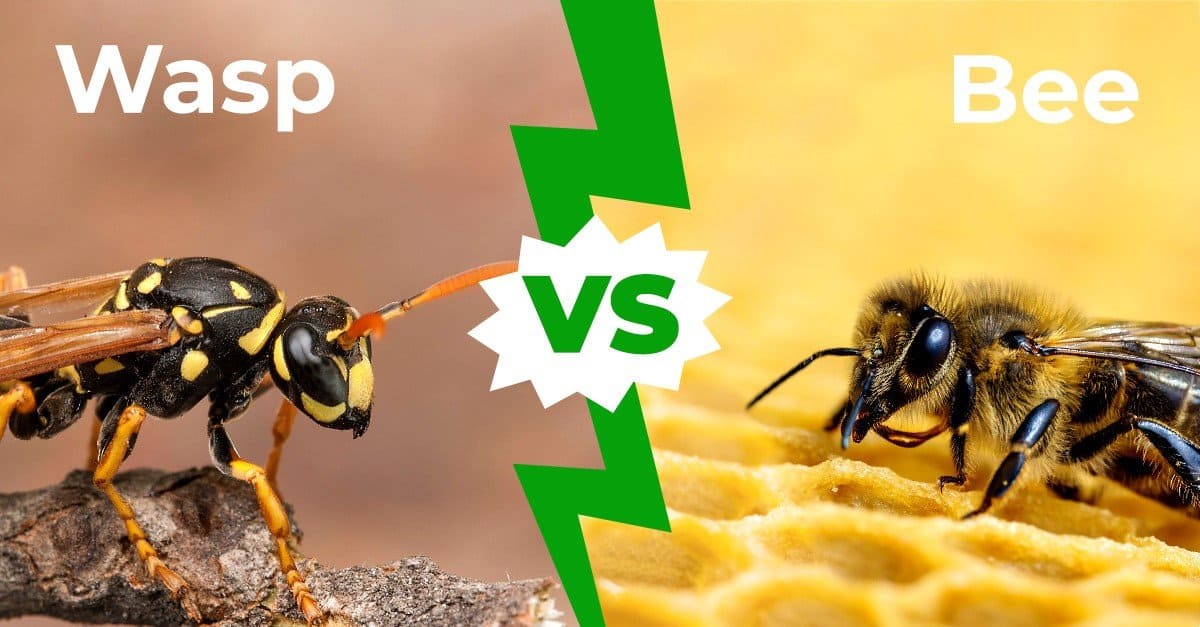

Is a wasp more hostile or dangerous to humans than a bee? Are people who are allergic to one also allergic to the other? How can you tell them apart?
These are all examples of common questions when comparing wasps and bees. While it can be challenging for the general public to distinguish between some species of wasps and bees, entomologists and trained experts can usually identify them accurately. We’ll go into detail about their differences below!
The 7 Main Differences Between Wasps and Bees
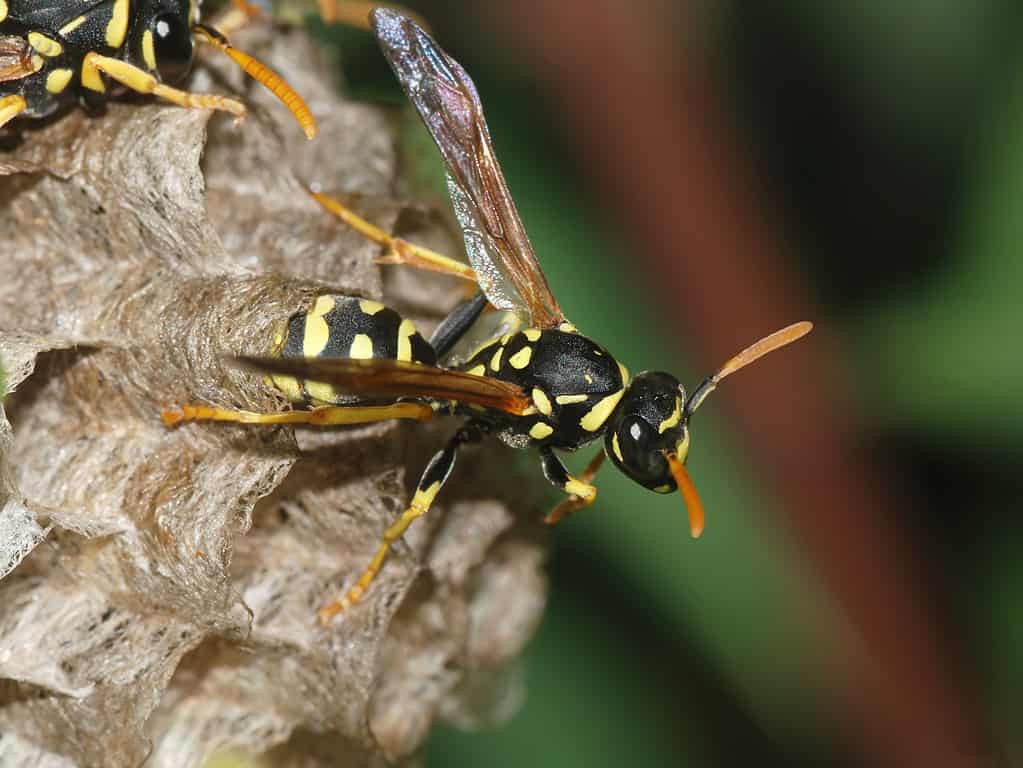
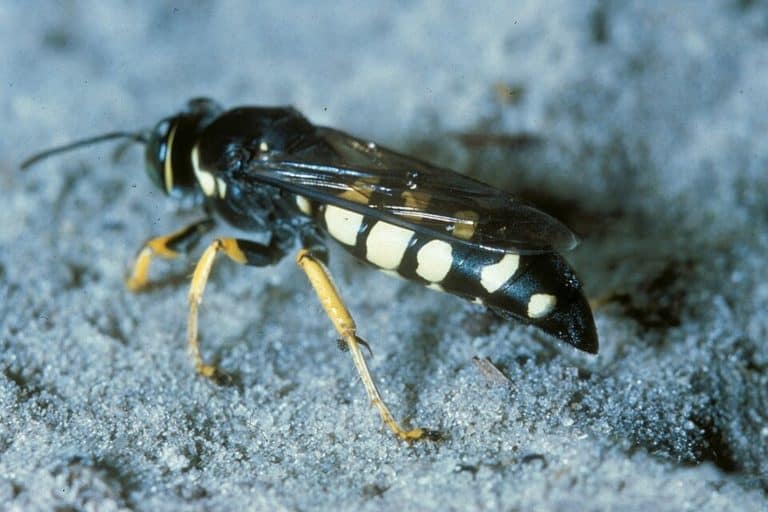
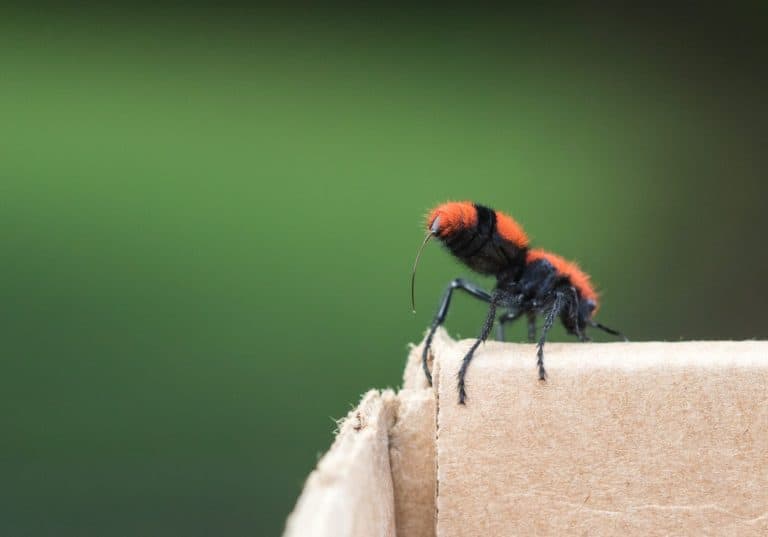
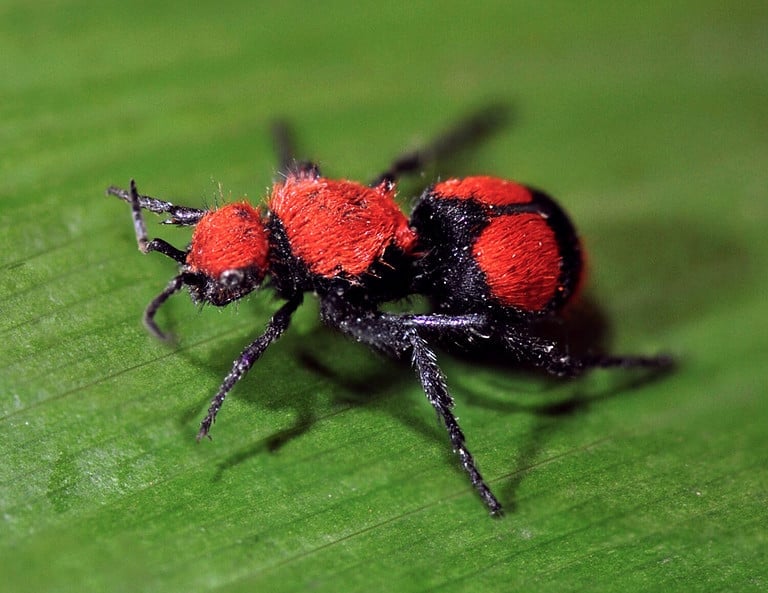
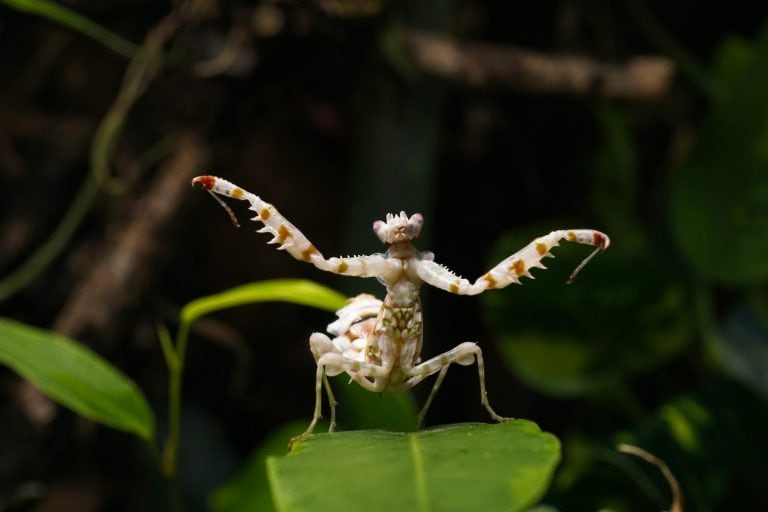
On average, wasps grow larger than bees.
There are many differences between wasps and bees, including their overall appearances, sizes, and behaviors. To truly understand these distinct species, here are seven differences you can use to tell them apart.
Wasp vs. Bee: Size
The most notable difference between these insects right off the bat is size. Bees are generally about a half-inch in length, while wasps range from 1/4 inch to 3/4 inches, depending on the species.
Wasp vs. Bee: Appearance
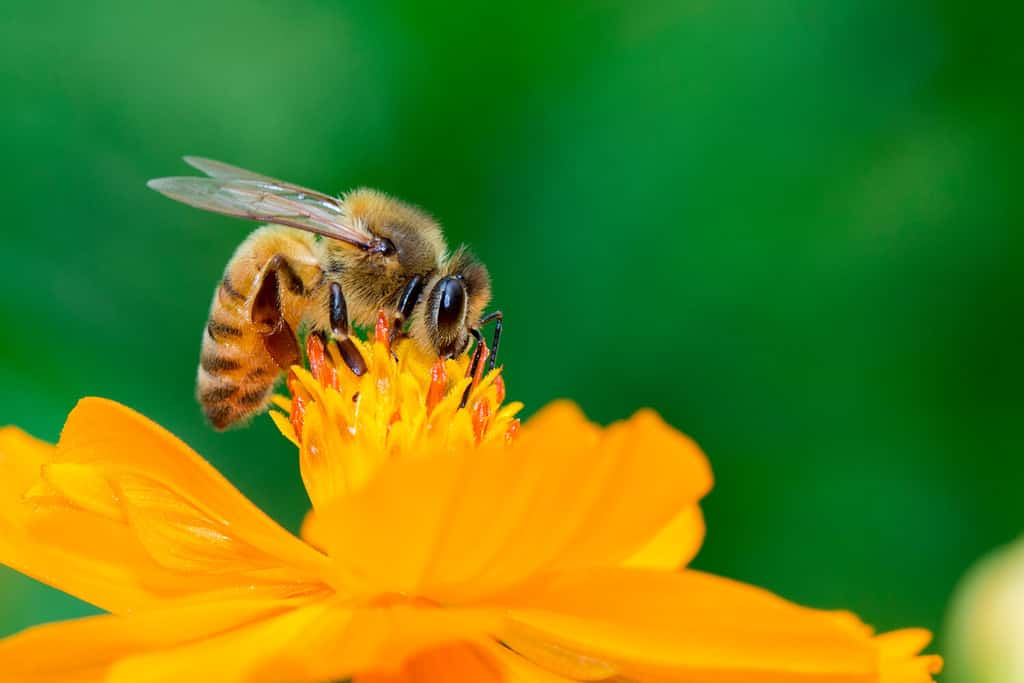
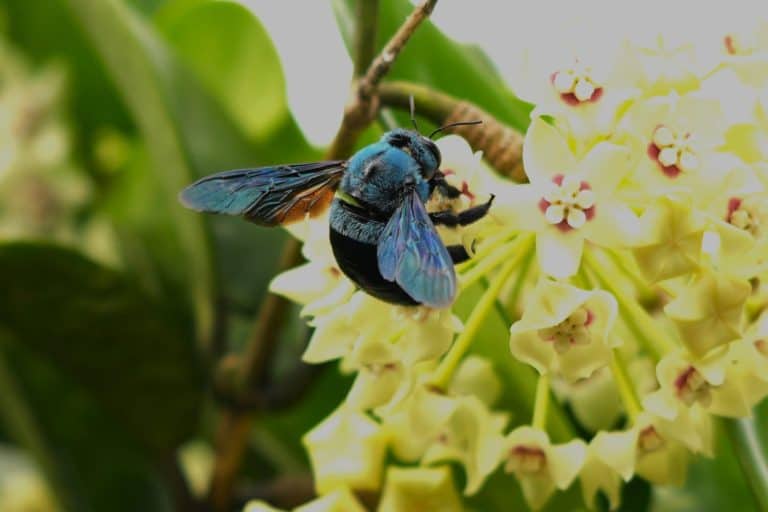
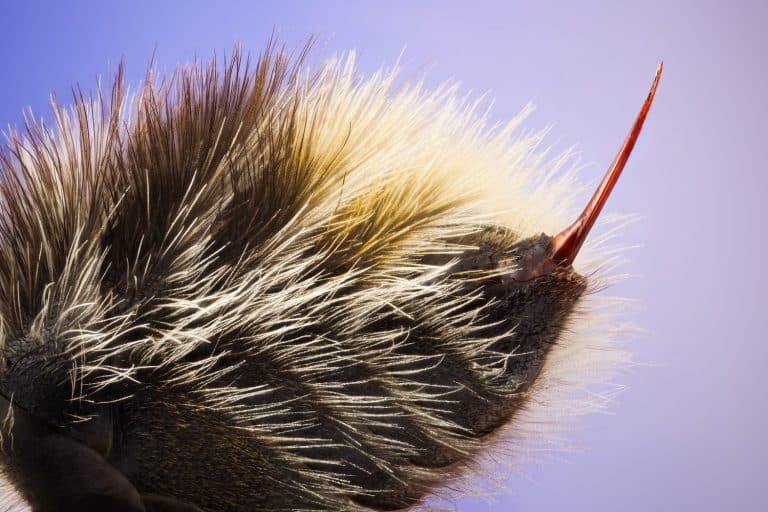
Bees have more hair on their bodies compared to wasps.
©yod 67/Shutterstock.com
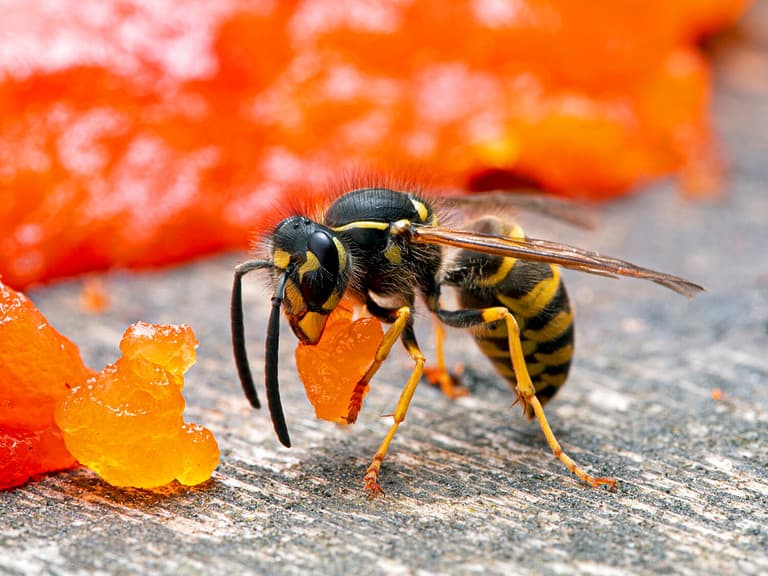
There are several unique markers to distinguish the two insects, which are both of the order Hymenoptera. Both bees and wasps are brightly colored and may even have similar colors such as black with yellow. They also have two pairs of wings. However, bees and wasps are pretty much polar opposites when it comes to the shape of their bodies, although some bees resemble wasps at first glance.
Bees have fat, hairy bodies, and wasps have thin, smooth ones. Bees have hairy, flat, and round legs instead of the smooth, round, and waxy legs of wasps. They also have a round abdomen and thorax, whereas those of wasps are cylindrical, known as thread-waisted or a wasp waist.
Wasp vs. Bee: Habitat
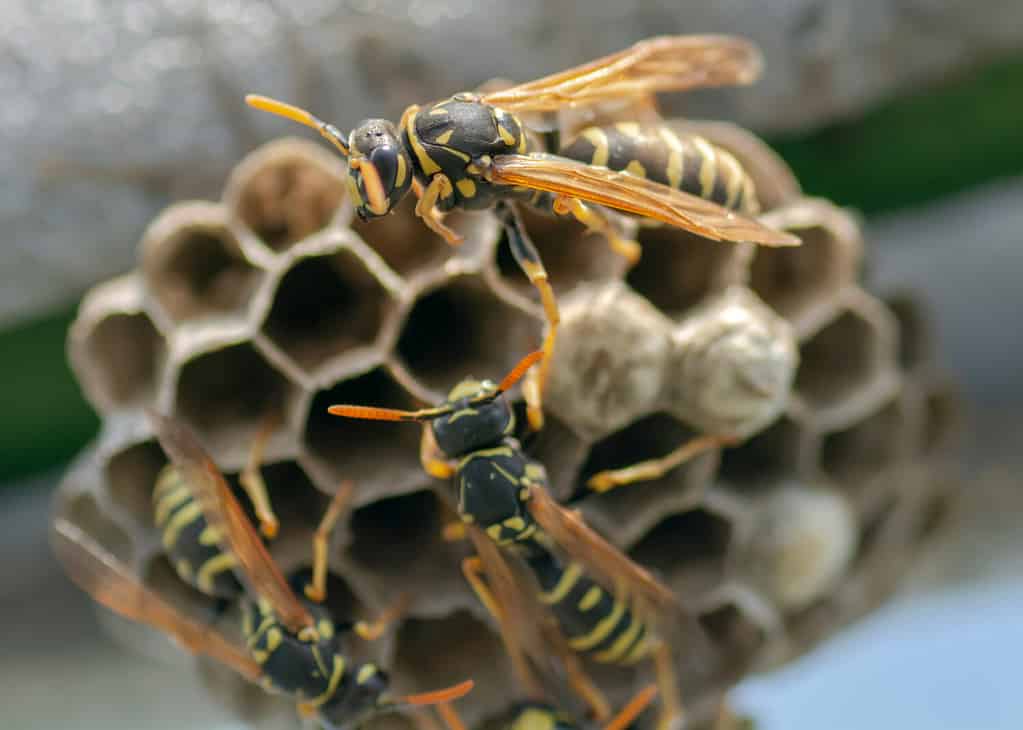
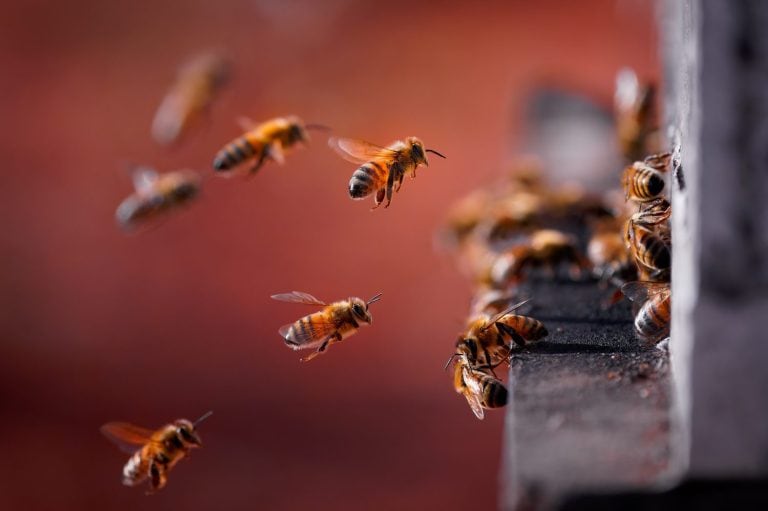
While bees and wasps both build hexagonal homes, only bees make honey in their nests.
©Stefan_Sutka/Shutterstock.com
Solitary bees live in a hole in the ground or in wood, but social and eusocial species such as honeybees and bumblebees create hexagonal wax hives containing honey. They can build their hives in rock crevices, hollow trees, on tree branches, inside the walls of a building, under the roof of a house, or in attics.
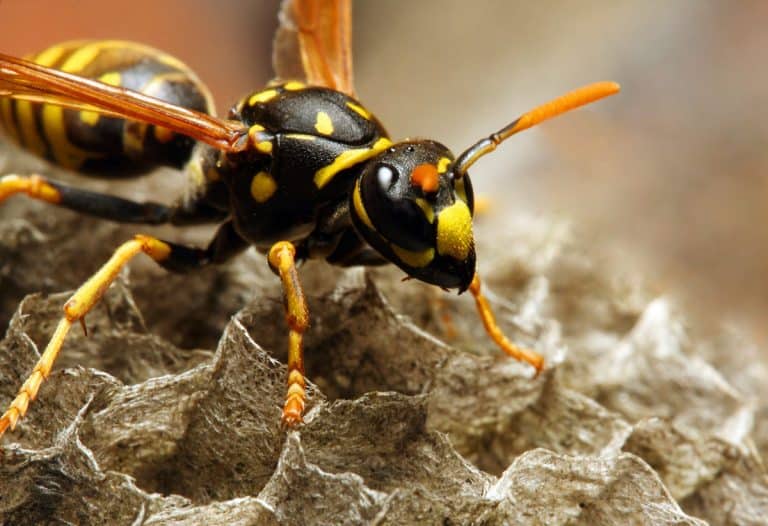
Wasps create papery nests of chewed-up wood pulp simply for the purpose of reproduction or their colony. Their nests are in overhangs such as tree branches and under roofs, but ground-dwelling wasps build their nests in dry soil. Social wasps build nests in a variety of areas, whereas solitary wasps can be parasitic or predatory, but only the predatory ones build nests.
Wasp vs. Bee: Aggressiveness
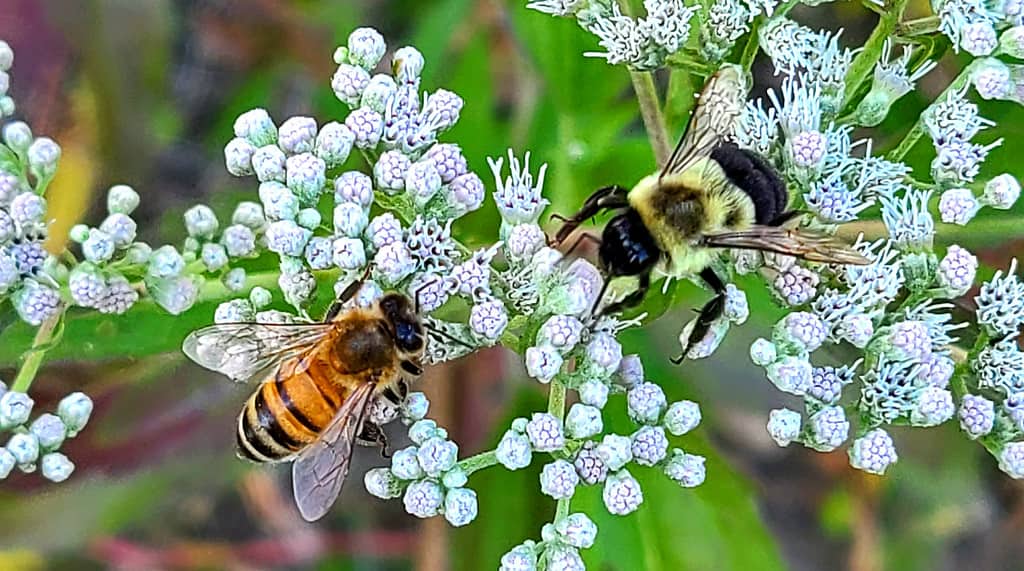
You could’ve guessed already, but bees are far less aggressive compared to wasps.
©Sarah Bruce/iStock via Getty Images
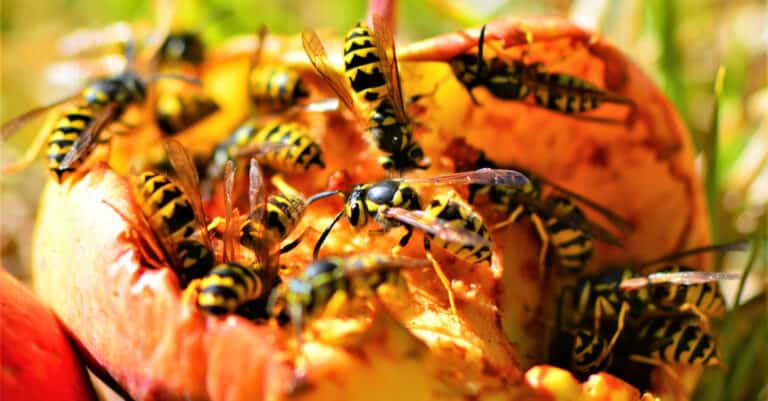
Bees aren’t normally aggressive. In the cases they are, it’s often because they are in a large colony, they lack a queen, or are irritated due to the weather. Wasps, on the other hand, are more aggressive and famous for being territorial as well as bigger and stronger.
One of the most aggressive wasp species is the yellow jacket. These striped wasps will go after a victim and sting repeatedly even when they only get close to a nest. While honeybees are perceived to be neutral, there are some aggressive types of bees, like Africanized honeybees. The workers (females) of these species will swarm by the thousands, leaving victims with hundreds of stings.
Wasp vs. Bee: Feeding Habits
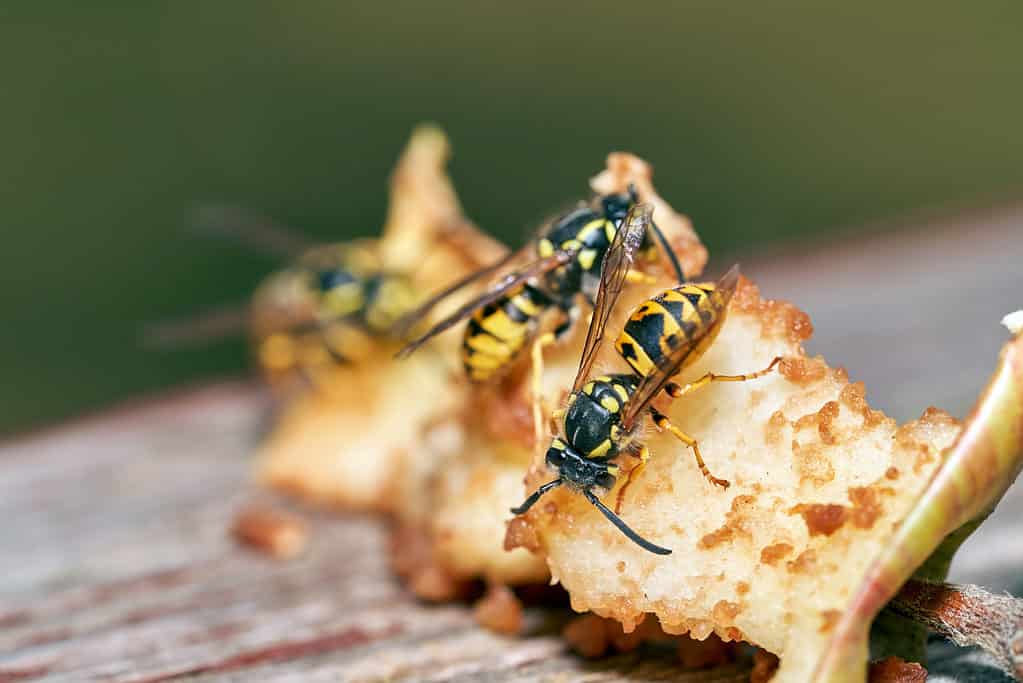
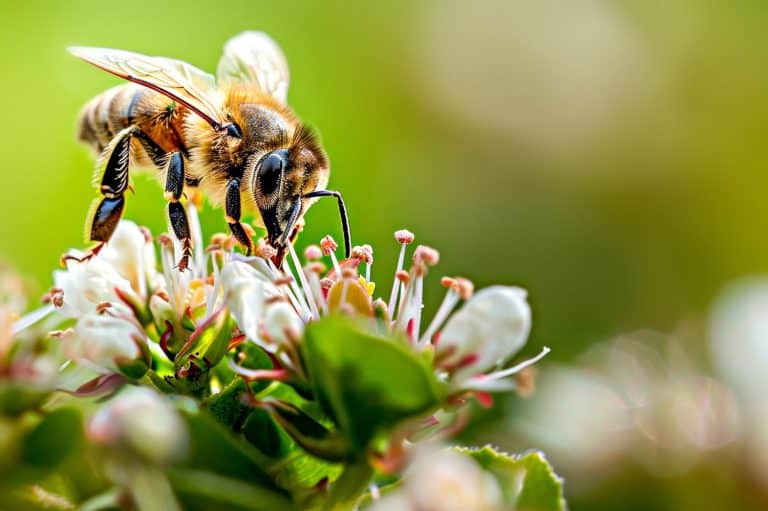
Bees pollinate to sustain themselves, while wasps are a mix of pollinators and predators.
©Jonas Vegele/Shutterstock.com
Bees are pollinators. Wasps are predators, preying on animals to feed their young or parasitize them to lay eggs, but adult wasps are herbivorous and visit flowers for sugar, also acting as pollinators.
Wasp vs. Bee: Sting
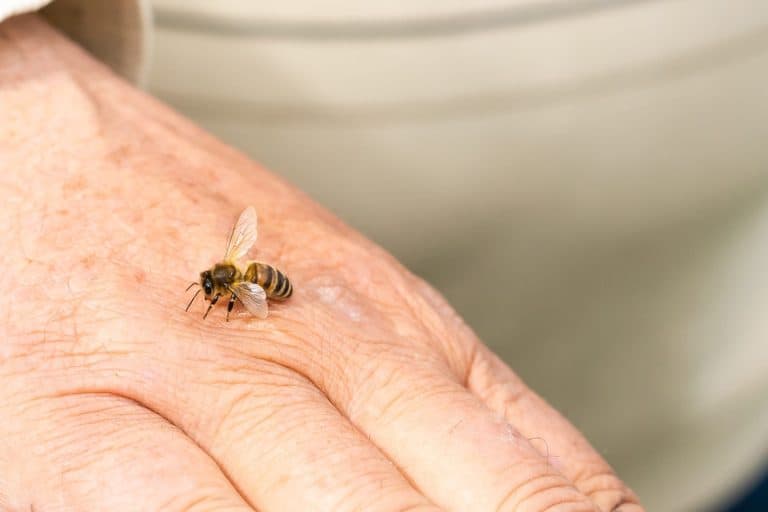
A bee’s sting is acidic. The honeybee dies after stinging once because its stinger is barbed, but other bee species and all wasps can sting multiple times. A wasp’s sting is often less acidic comparatively, though this can vary by species. The pain and danger of a wasp’s sting depend more on the composition of the venom and individual allergic reactions rather than just acidity.
Wasp vs. Bee: Benefits
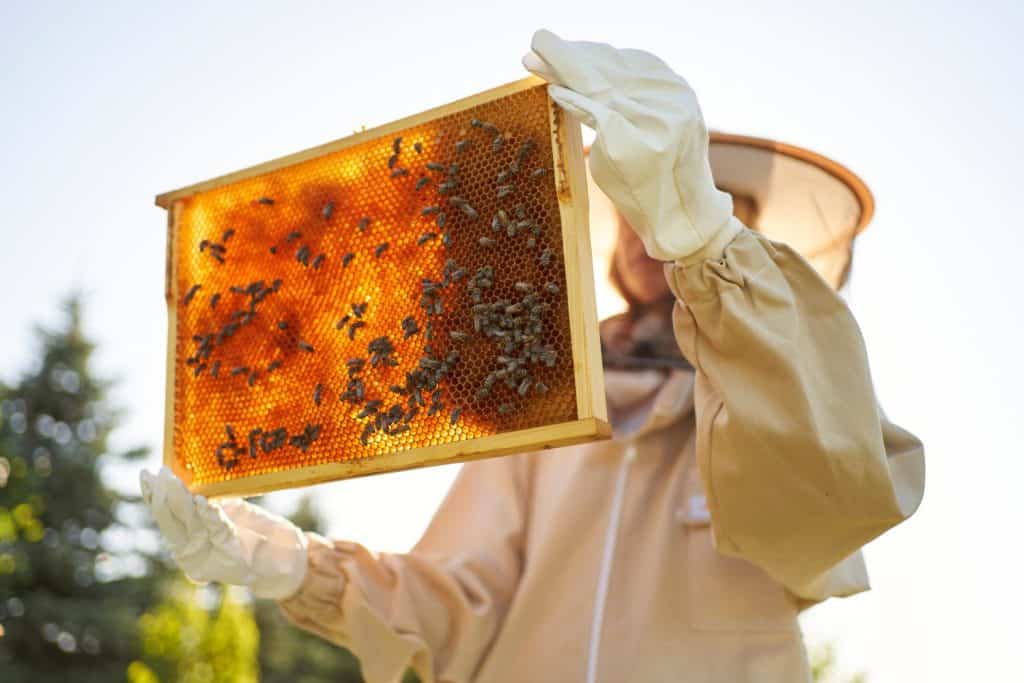
Bees craft products we can utilize, while wasps are better for garden pest control.
©Hakim Graphy/Shutterstock.com
Products from bees are wax, honey, pollen, royal jelly, and bee venom. The wax is often used for candles, honey is a common food, while pollen and royal jelly are health supplements. Bee venom has anti-inflammatory properties. They pollinate flowers.
Wasps provide pest control for gardeners. Many species are pollinators and one species of wasp, the fig wasp, pollinates fig trees. Wasp venom has antibiotic and antimicrobial properties while wasp nests have antibiotic properties, with mud-dauber wasps’ nests being rich in minerals magnesium, zinc, iron, and calcium.