The Big Thicket is, as its name suggests, a densely forested area. However, it is much more than just that. The Big Thicket is a unique national preserve in southeast Texas that is home to countless flora and fauna, some of which are only found in the state.
The look of the Big Thicket has changed remarkably since it was first formed a few million years ago. Over time, various species have both thrived and gone extinct in the area for many reasons.. It is even home to several endangered species, highlighting the area’s significance not only to Texas but also to the United States and the world. This underscores why the long and difficult battle to save the Big Thicket was so important, and why early conservationists recognized what was being lost in the name of progress over a century ago.?
Where Is the Big Thicket?

Big Thicket is a national preserve with diverse ecosystems and an array of flora and fauna.
©danf0505/Shutterstock.com
A few million years ago, as the oceans receded and land was exposed, a massive area in southeast Texas was revealed. Over time, unique ecosystems began to form across 3.5 million acres as land rose between the Gulf of Mexico and glaciers once present in what is now Texas. Each ecosystem was composed of plants and animals, some of which would eventually migrate to other regions of Texas and across the United States. For a time, however, the Big Thicket was the sole home to a vast variety of flora and fauna in the state.
The Big Thicket got its name because it is a densely forested region. The region was so dense when it was formed that even Indigenous people in the area did not live there. The Big Thicket proved to be a fantastic hunting ground; however, it eventually earned itself the nickname “meat market.”
Today, the Big Thicket is a national preserve. While just a small sliver of the original millions of acres of the unique region remains, it provides a view into the past of what southeast Texas looked like before logging and oil fields destroyed much of the Big Thicket. The ecosystems are still home to an array of insects, birds, plants, mammals, reptiles, and amphibians that only exist today because conservationists over a century ago saw the significance and importance of the Big Thicket. Without a hard-won fight, the nine ecosystems that make up the Big Thicket would have disappeared for good decades ago.
Nine Ecosystems

There are nine unique ecosystems in the Big Thicket.
©jesmo5/Shutterstock.com
The Big Thicket is one of the most unique areas of land in all of the United States. This is because it is made up of multiple ecosystems, each completely different from the others and capable of supporting a wide variety of life that can call Texas home as a result. In total, there are nine different ecosystems within the Big Thicket. Those ecosystems include:
- Uplands
- Sandylands
- Savannas
- Slope forests
- Floodplains
- Baygalls
- Flats
- Cypress slough
- Prairies
These ecosystems are spread across the 113,000 acres that make up the Big Thicket National Preserve. The 113,000 acres are broken up into 15 sections that were once part of the millions of acres that made up the Big Thicket, all of which are interconnected by six different waterways across seven different counties in southeast Texas.
A National Preserve

Big Thicket became a national preserve in 1974.
©Jeffrey M. Frank/Shutterstock.com
The Big Thicket was viewed by many in southeast Texas as a means to achieve wealth. While it was not capable of growing cotton and did not have plantations, it did have natural resources such as timber and oil. Consequently, within a very short time, massive areas of land were clear-cut, and expansive oil fields were established.
Additionally, railroad tracks were laid down throughout the Big Thicket, altering the landscape even further. The Confederate Army also burned substantial acreage in search of those not supportive of their position in the Civil War. With the destruction that the Big Thicket was experiencing, early conservationists recognized something needed to be done to stop it, or the Big Thicket would be lost forever. Enter R.E. Jackson, who began the East Texas Big Thicket Association in 1933.
The East Texas Big Thicket Association aimed to save 400,000 acres of the Big Thicket. The organization gained political backing, and botanists from around the country visited to study the region’s plant life. However, World War II brought an end to the association, as timber was deemed necessary for the war effort. Winning the war became the priority, and conservation was placed on the back burner.
In 1964, the Big Thicket Association was founded. The goal was again to save the Big Thicket, but this time, to have it designated as a national park. It took years, but finally, according to The Clio, a bill was passed in 1974 to give the Big Thicket protection. Although it did not receive the national park status the Big Thicket Association had hoped for, the Big Thicket became the first national preserve in United States history, paving the way for future preserves.
A UNESCO Designation

Big Thicket National Preserve became a UNESCO World Heritage Site in 1981.
©Imogen Warren/Shutterstock.com
Initially, the Big Thicket was more than two to three million, with some saying 3.5 million acres in size. It would remain that way until the 19th and 20th centuries, when people started to destroy the land, exploiting it for the virgin timber and natural oil resources.
While efforts to save the Big Thicket from destruction began in the 1920s, it was not until the 1970s that this finally occurred. The choice was made to recognize the Big Thicket as a national preserve. This meant that while the Big Thicket was protected, it did not receive the same level of federal protection as a national park, since activities such as hunting and oil and gas extraction were, and still are, permitted. After receiving the UNESCO Biosphere Reserve designation, the Big Thicket gained international recognition for its ecological value.
These Animals Disappeared from the Big Thicket
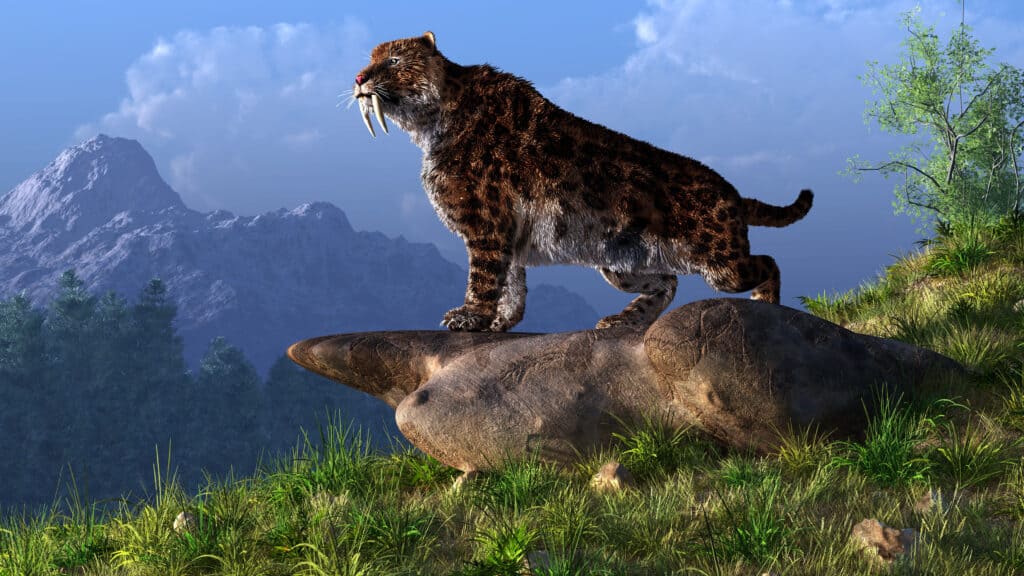
Saber-toothed tigers once roamed in the Big Thicket.
©Daniel Eskridge/Shutterstock.com
The Big Thicket transitioned from an area completely submerged by water to a place that not only sustained life but also allowed it to thrive.
During the Paleolithic Age, the Big Thicket became a forested region after glaciers held ocean water in a solid state. As the forest grew and became lusher, it brought with it an abundance of animals. By the end of the Paleolithic Age and the beginning of the Mesolithic Age, animals both great and small lived in the Big Thicket.
In the Big Thicket, some of the animals that lived in the lush environment included:
- Mastodons
- Elephants
- American horse
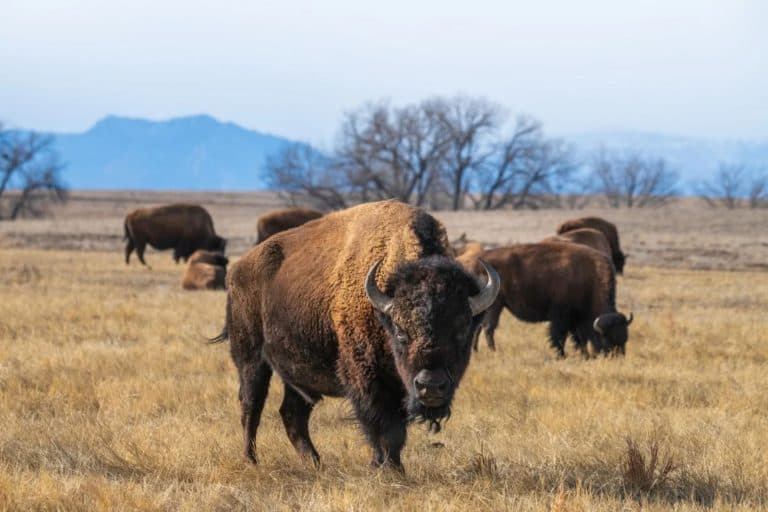
- Taylor’s bison
- Camels
- Tapirs
- Giant sloths
- Beavers
- Armadillos
- Dire wolves
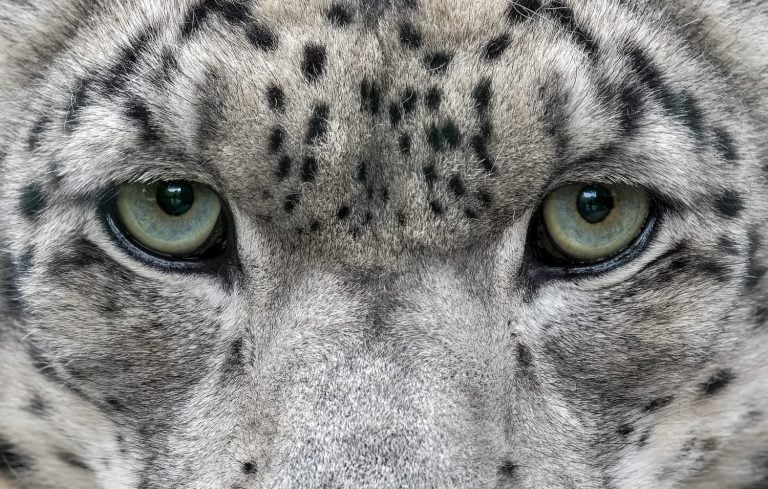
- Sabre-toothed tigers
However, as climate change altered the environment and people began to hunt larger animals, they eventually started to go extinct. Of the animals that were once abundant in the Big Thicket, only a few of their descendants remain, with other, smaller animals now occupying their ecological niches.
Animals That Call the Big Thicket Home Today

Louisiana black bears are found in the Big Thicket today.
©Wirestock Creators/Shutterstock.com
It is no wonder that the Big Thicket is known as the “biological crossroads of North America.” With more than 1,100 different species of plants and trees, 300 species of birds that are both migratory and nesting, nearly 100 species of reptiles, 60 species of mammals, and thousands of species of insects, the Big Thicket is a diverse ecosystem that sustains a rich array of life in one region of Texas.
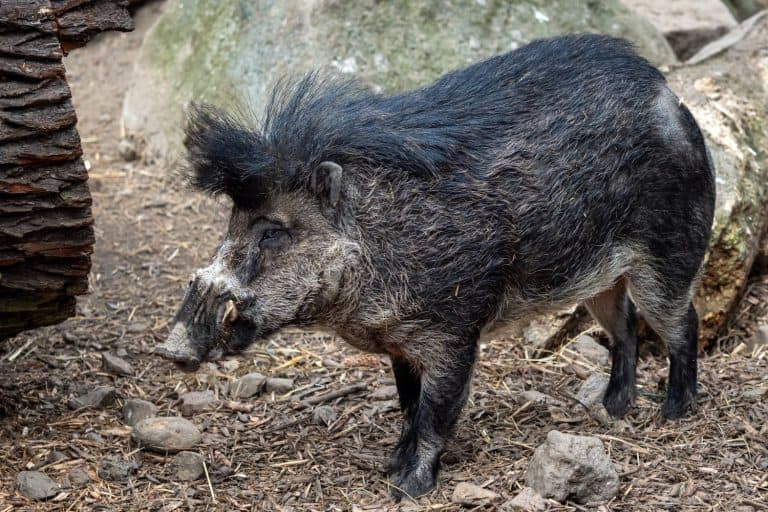
Just as it was thousands of years ago, the Big Thicket is still home to species such as armadillos and beavers. Today, however, other species are thriving in the ecosystems that make up the Big Thicket. Some of the mammals that call the Big Thicket home today include:
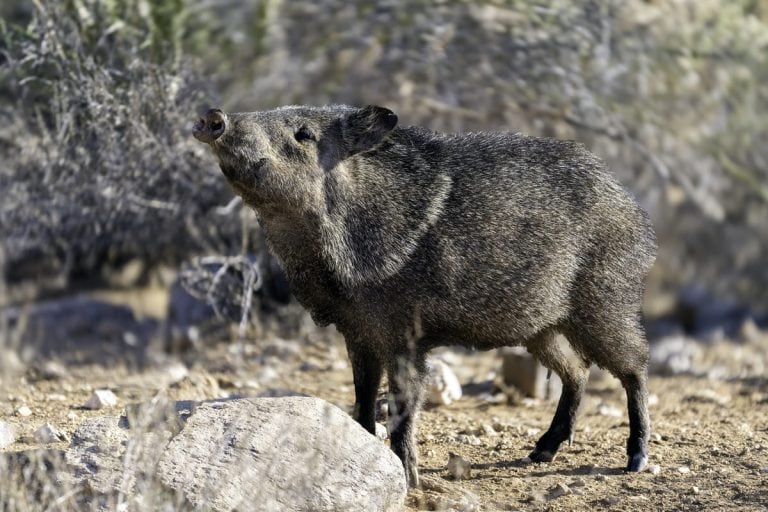
- Wild boar
- Coyote
- Bobcats
- Louisiana black bear
- White-tailed deer
- American mink
- Virginia oppossum
- American black bear
In more recent history, the Big Thicket was also home to American bison, Florida jaguars, ocelots, and muskrats. However, these mammals are no longer part of the ecosystem. Whether due to excessive logging, oil drilling, or overhunting, these animals will never return to the area.