
Insects are much more than background nuisances; they are at the forefront of many aspects of life. From pollinators to nutrient recyclers, each insect plays a crucial part in maintaining ecosystems. As modern expansion escalates and other anthropogenic stressors impact species, it becomes all the more important to detail the decline of different organisms.
Endemic Ants
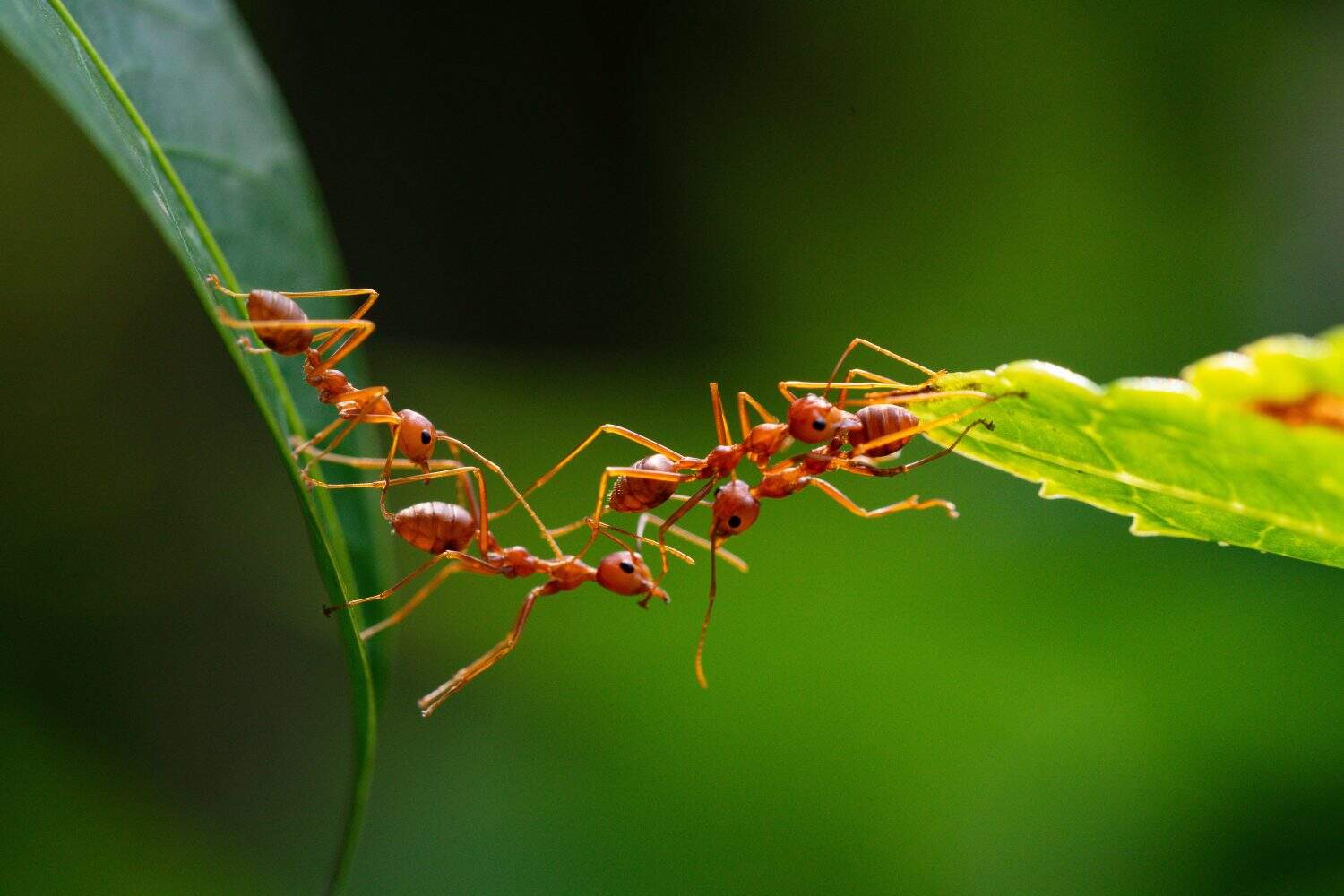
Ants can rely on chemical cues to communicate.
©frank60/Shutterstock.com
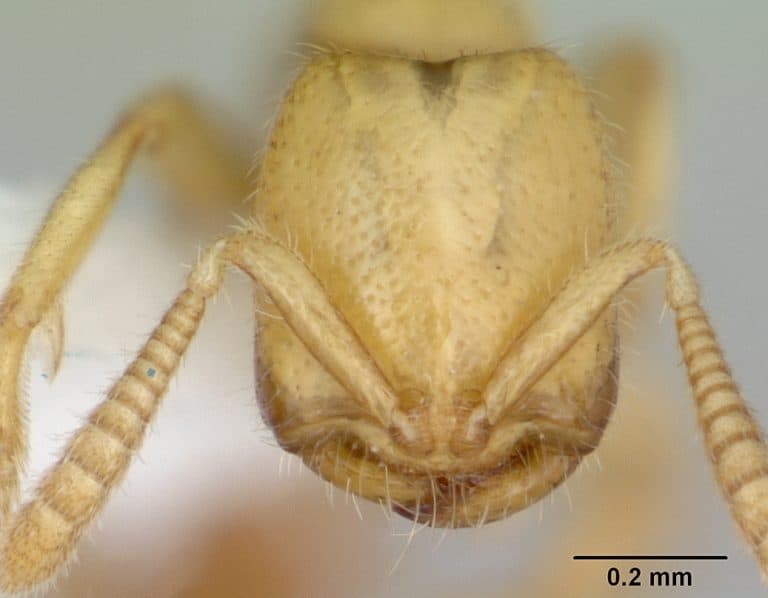
One team from the Okinawa Institute of Science and Technology (OIST) used an interesting tactic to investigate the long-term trends in Fijian ants. Instead of conducting fieldwork, they focused on examining museum drawers filled with these species.
By analyzing DNA from museum specimens, researchers found that 79% of Fiji’s endemic ant species are showing signs of decline, highlighting a hidden insect apocalypse on the island. When a species is confined to a certain area, it’s endemic. The decline of these insects notably coincides with colonization, modern agriculture, and other human impacts. Since these species are endemic, they are even more susceptible to slight changes in their environment. This vulnerability is amplified because these species are restricted to islands, making them more susceptible to environmental changes.
Dr. Cong Liu notes, “Most recorded extinctions have historically been from island systems.” This underscores the fragility of these island ecosystems.
Why Ants Matter

Ants can serve as indicators of their environment.
©David Havel/Shutterstock.com
Like many insects, ants are a major component of terrestrial ecosystems. If their populations decline, essential processes such as nutrient cycling and soil aeration can be disrupted.
Nutrient cycling and soil aeration basics:
When ants construct their nests and forage, they are modifying their environment in a way that can improve the soil’s structure. These modifications help aerate the soil and redistribute soil nutrients. In addition, as efficient scavengers, ants help break down dead insects and recycle waste, which helps maintain the overall health of the ecosystem.
Museum Collection: Unsung Heroes
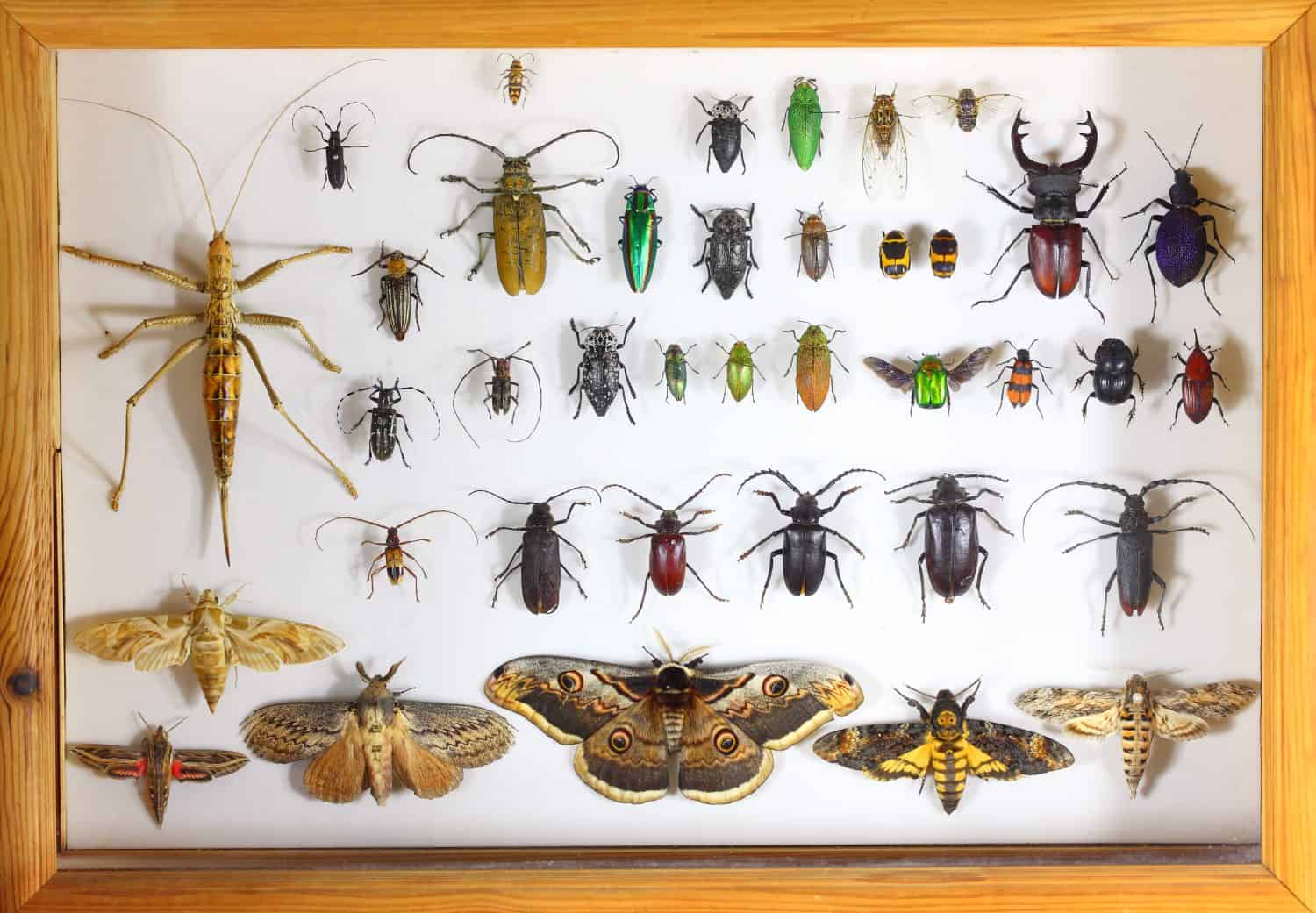
Museum collections are valuable for scientific insights and public engagement.
©Protasov AN/Shutterstock.com
One of the most fascinating parts of this research is that it would not have existed without museum specimens. Reconstructing the history of ants depended directly on museum specimens. This highlights the importance of collecting and preserving specimens of species. Want to learn more about why museums collect insect specimens? Check out this video from the National Museum of Scotland here.
To conclude, if we look at the research, it tells an unfortunate story that is being repeated in other areas of the world. Detailing studies like these helps us reflect on how our actions are affecting vital species and, in turn, provides us with reasons to do better as stewards of our environment.