
Quick Take
- These frogs solved sibling rivalry with a method that sounds extreme, and it happens to be the only thing that works. See how separation works →
- The father's daily egg-care routine involves something no one would guess, and skipping it means the entire clutch dies. Learn the egg-care routine →
- Each tadpole has a way of demanding food from its mother, and the signal it uses turns out to be surprisingly physical. Discover the tadpole's signal →
- The mother feeds every single tadpole individually, though she has a built-in test that lets her refuse any that aren't hers. See how mothers feed tadpoles →
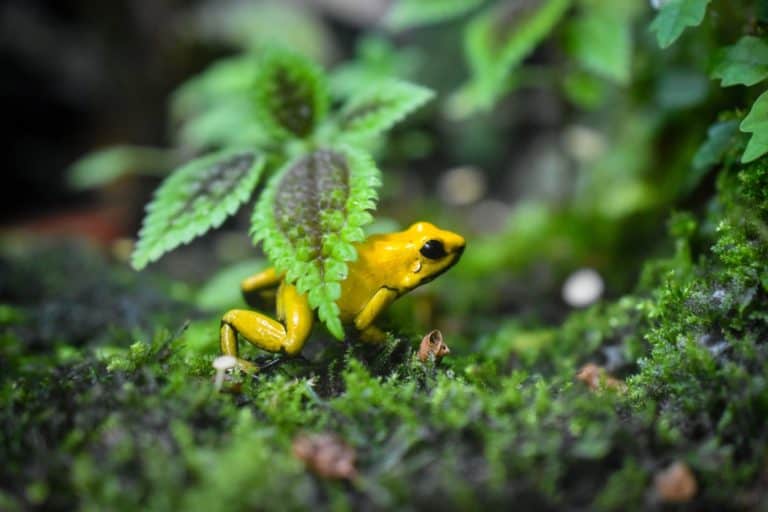
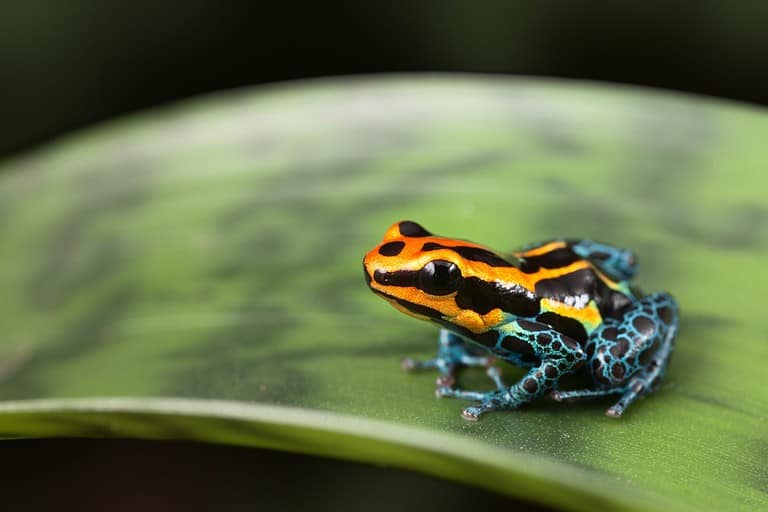
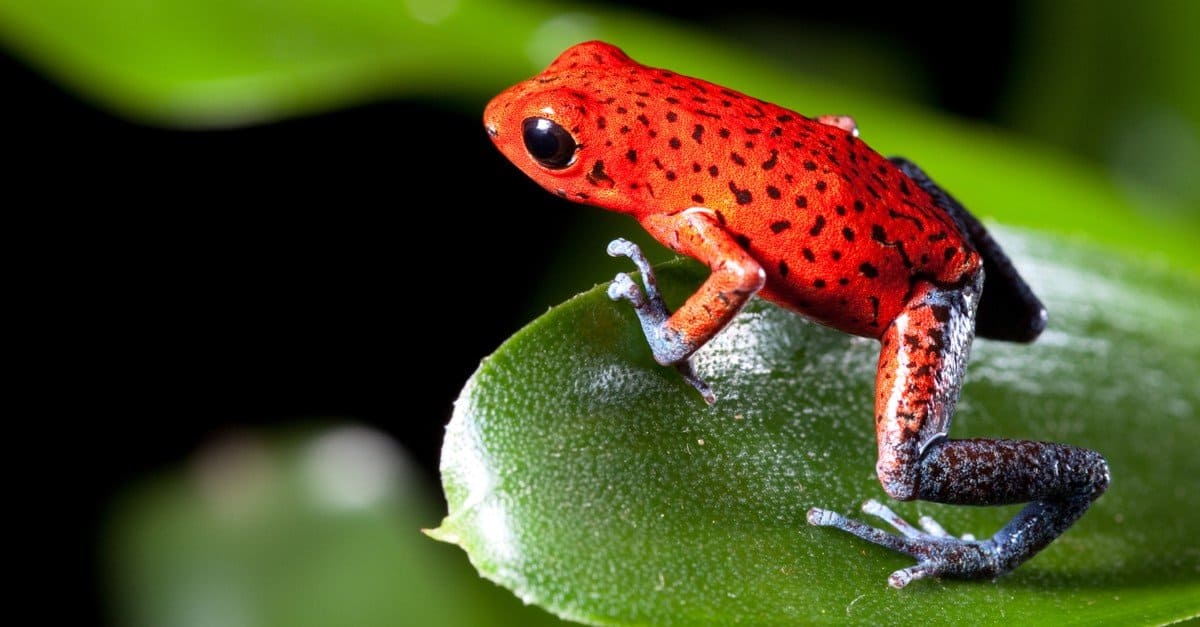
Poison dart frogs have a striking bright red and blue coloration, warning potential predators of their toxicity. Although these frogs are deadly, they are remarkably resourceful and dedicated parents. The frogs have come up with the ultimate cure for sibling rivalry. We investigated how the strawberry poison dart frog carefully separates and distributes its young, then lovingly cares for them as they develop.
Continue reading
Strawberry Poison Dart Frog Reproduction – the Basics
Strawberry poison dart frogs (Oophaga pumilio) live in neotropical rainforest habitats, as well as in cacao and banana groves. They need moist, terrestrial habitats with abundant water-filled plants, which are essential for successful breeding. If conditions are too dry, the frogs will not breed. Males establish territories and advertise their presence to females with a mating call. When a female arrives, a brief courtship occurs involving tactile stimulation, after which they adopt a vent-to-vent mating posture, facing away from each other.
The female lays a clutch of three to five fertilized eggs in moist leaf litter. The male watches over them for the 10 to 14 days that it takes them to develop into tadpoles. He urinates on them daily to keep them moist, removes any fungus, and rotates the eggs.
How Do Female Poison Dart Frogs Care for Their Tadpoles?
Once the eggs hatch into tadpoles, the female takes over their care. The tadpoles swim onto their mother’s back and are individually transported to the leaf axils of bromeliads. A leaf axil is the area where the base of a leaf meets the stem of the plant. Bromeliads are a family of plants, which includes the pineapple, native to tropical regions of North and South America. The mother frog deposits one tadpole into the pool of water collected in each axil. Only one tadpole is placed in each axil to prevent larger siblings from eating the smaller ones. This gives them a moist habitat in which to undergo metamorphosis. But what about food? The tadpoles must have food within three days, or they will perish.
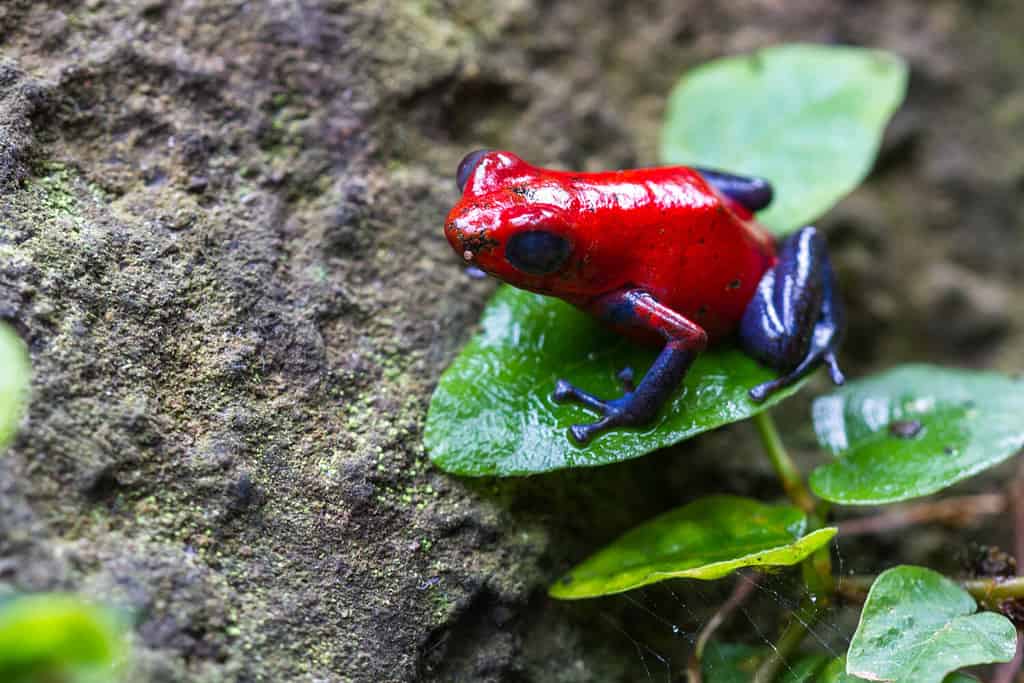
The mother frog feeds her tadpoles with unfertilized eggs.
©Nature's Charm/Shutterstock.com
The mother frog addresses this need as well. She produces unfertilized eggs and drops them into the tiny water pool for the young to consume. Each morning, the mother visits and leaves one to five unfertilized eggs by submerging her vent into the pool of water. The tadpole stiffens its body and vibrates to solicit eggs. Remarkably, female frogs will only feed their own tadpoles! This feeding process continues for 43 to 52 days, when they complete metamorphosis and become froglets.