
Dogs are constant companions. They also have a desire to try all foods their human counterparts are consuming, both because they smell good and because they can be tastier than the dog food they are given daily. With those pleading eyes, it can be hard to say no to a begging canine friend. But with some foods being harmful or even deadly to dogs, it is necessary for people to stay strong and not always provide their pooches with samples from the dinner table.
Occasionally, there are questions about whether a prepared protein is healthy for dogs. One of those is shellfish, particularly lobster. This raises the question of whether lobster is safe for dogs or a risky seafood gamble. Fortunately, for those who want to give their dogs a taste treat when it comes to lobster, most dogs will be fine. But it is necessary to know the associated risks as well, so that a sample of lobster does not turn into a veterinarian’s nightmare.
Lobster Is Safe for Dogs In Moderation

Dogs should be offered lobster treats in moderation as part of a well-balanced diet.
©T.Vyc/Shutterstock.com
Those who have dogs know that any sort of protein being cooked will catch the attention of their canine friends. While things like chicken and turkey are good options to feed dogs as part of a healthy diet due to their low-fat and hypoallergenic properties, other sources of protein have gray areas regarding whether they should be offered. One of those proteins is lobster. The good news for those who want to give their four-legged friends a sample of the shellfish is that it is likely safe. But the most important thing to remember is that lobster should be offered in moderation, not as a main component of a dog’s diet.
One of the biggest reasons that lobster should be fed in moderation to dogs is that dogs require a well-rounded diet that generally does not consist of human food alone. When the number of treats given daily exceeds the calories of the meals fed to dogs, this is when weight gain occurs. With 59% of dogs being considered overweight in the United States, overfeeding dogs is a concern.
Another significant reason lobster needs to be consumed in moderation is due to the allergies it can cause. If dogs have never had lobster before, it is recommended to consult a veterinarian before introducing it, so that the pros and cons can be discussed. Additionally, any signs of an allergic reaction can be spotted immediately, allowing for prompt medical intervention.
While there are concerns about feeding dogs lobster and other table food, lobster is a digestible and enjoyable treat for dogs. It also contains “protein, zinc, and Omega-3 acids,” which are essential in a dog’s diet. However, it is recommended to boil the lobster rather than grilling it, so that any spices do not cross-contaminate the lobster intended for the dogs. But all treats need to be given in small amounts, which is why too much lobster is not good for dogs.
Why Too Much Lobster Is Not Good for Dogs
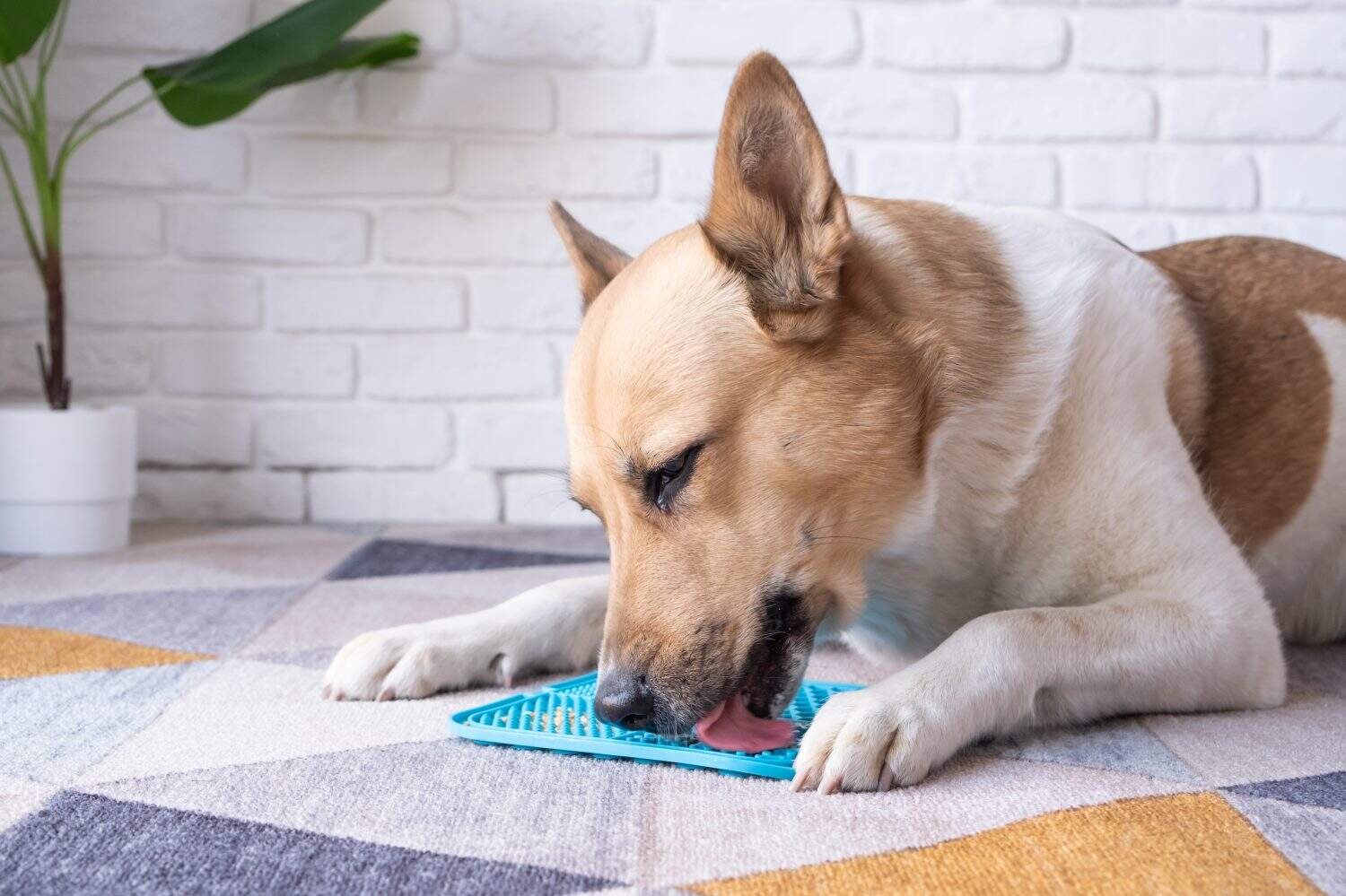
Too much lobster can have ill effects on dogs.
©ilona.shorokhova/Shutterstock.com
The reason that lobster should be given to dogs in moderation has to do with the nutritional content of the meat. While it is a shellfish, which is generally considered low-fat, there are some red flags when it comes to the lobster meat when eaten in large quantities.
Lobster meat contains both high sodium and cholesterol levels. Both of these factors are why eating lobster frequently is not suitable for either people or dogs. While it may seem like weight gain would be the biggest problem with high sodium and cholesterol levels, there are bigger problems at hand for dogs if they eat lobster meat as more than a treat.
The biggest issue that dogs face with large amounts of fatty foods in their diet is pancreatitis. While the root cause of pancreatitis is still unknown, the majority of veterinarians believe most instances are caused by the intake of fatty food. The more fatty foods that are eaten, the more likely the pancreas is to become inflamed, thanks to the digestive enzymes activating too early.
Pancreatitis is a painful disease. It may be something that occurs just once, known as acute pancreatitis, or it may be something that lasts a lifetime. In the latter situation, pancreatitis can be managed, but it is never cured. Consequently, dogs will have to be monitored for a lifetime to ensure the condition remains under control, and man’s best friend does not suffer from the disease.
Always Cook Your Lobster When Serving Dogs
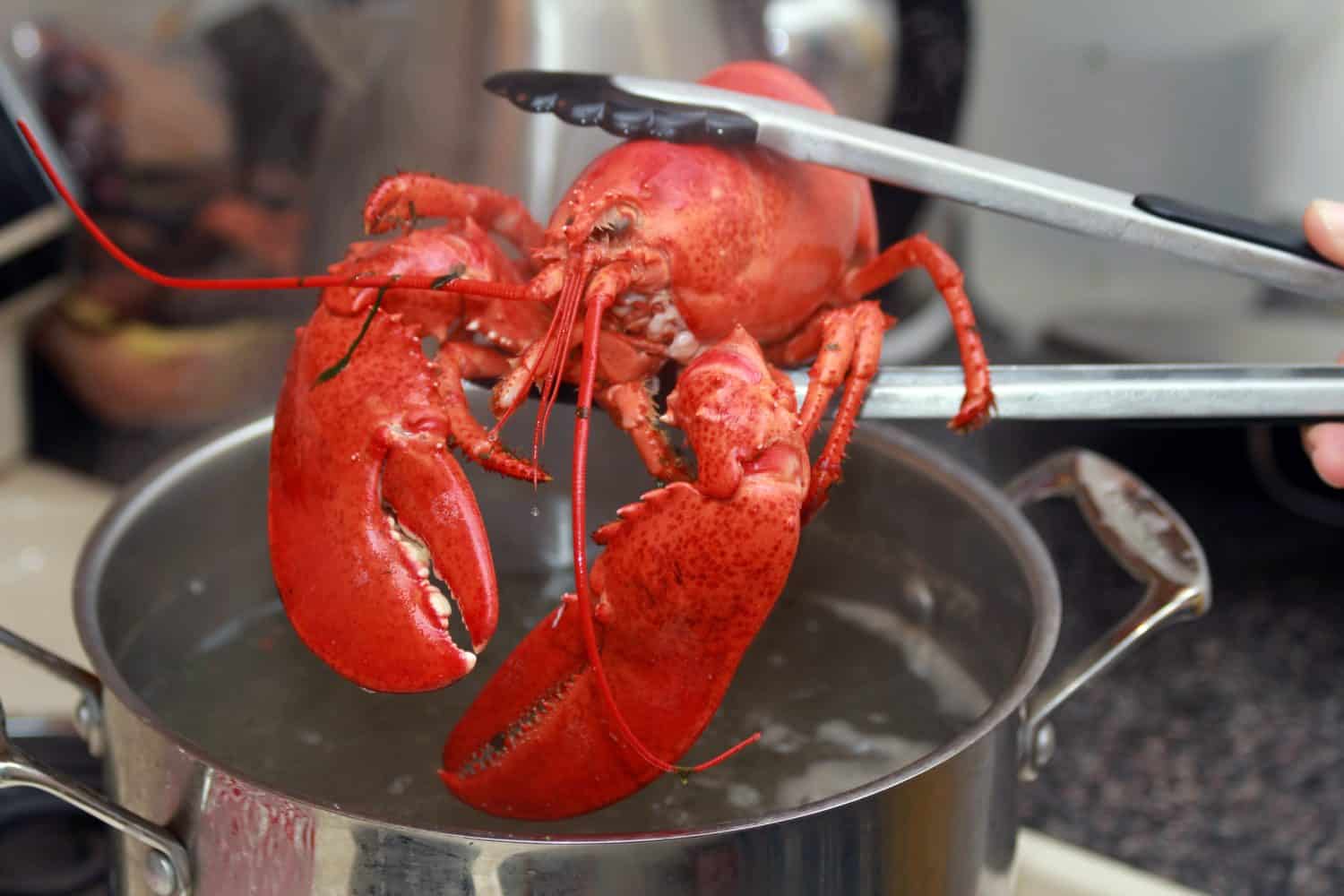
Boiling, rather than grilling lobster for dogs, is recommended to keep cross-contamination at a minimum.
©Anastasia Tveretinova/Shutterstock.com
There are some schools of thought that raw food diets are good for dogs. However, when it comes to lobster, this is not the case. Lobster should never be served raw to dogs. Lobster needs to be cooked before it is served to dogs to ensure that they do not become ill from eating the shellfish. Consuming raw lobster comes with some inherent health risks to dogs. Those risks include:
- Bacteria, viruses, and parasites that lobsters carry are transmitted to dogs after they are eaten, causing dogs to become nauseous, vomit, or have diarrhea
- Causes an allergic reaction stronger than cooked due to the presence of tropomyosin
- Raw lobster could still contain shell, which is inherently dangerous to dogs
It may seem like eating raw lobster would be better for dogs than cooked due to spices and butters that could potentially be added from the lobster prepared for people to the lobster being prepared for dogs. But as long as the lobster is being prepared separately, and boiled rather than grilled, it is safer to give to dogs in small portions rather than lobster in its raw state.
Dogs Should Never Eat the Lobster Shell

Dogs should never be given lobster shells to eat, given the health problems associated with doing so.
©Gladskikh Tatiana/Shutterstock.com
Given that dogs can produce 100 times more stomach acid than people, they can digest foods that people may not be able to. However, when it comes to the shell of the lobster, dogs should not be given the shell to eat under any circumstances, given the harm that can come to dogs if they eat it. The biggest health concerns for dogs who consume lobster shells include:
- Possibility of choking on the shell
- Cause blockages in the stomach, given that the lobster shell is not digestible
- The sharp nature of the shell can cause there to be scratches to the throat, stomach, and digestive tract
- Shells hold parasites and other “contaminants” that can make dogs ill
Therefore, when giving dogs small amounts of lobster to try, always remember to make sure there is no shell present so that unintended injuries do not occur.
Some Dogs Are Allergic to Lobster

Dogs can develop allergies to lobster in a matter of hours to days after eating it.
©Luiza Kamalova/Shutterstock.com
One thing that people may not think about when allowing their dog to sample lobster is that dogs may have allergies to shellfish. This is why starting off with small amounts is so important, so that if there are adverse reactions to lobster, they are as small and non-life-threatening as possible. Some of the most common signs that dogs have an allergy to lobster include:
- Itching
- Hives
- Diarrhea
- Swelling
- Vomiting
If any of these signs appear within a few hours to three days after dogs consume lobster, an allergy is likely present. It will be necessary to get the dogs in to see a veterinarian as soon as possible, so that the extent of the allergy can be noted and any treatment necessary can be given to ease the dog’s discomfort.
Lobster can be a wonderful treat to give to dogs. But like all real foods, it should be provided in moderation. This should be done initially to determine if there are any adverse effects, but also in the long term, so that things like weight gain do not affect dogs, allowing them to live the longest and healthiest lives possible.