
Quick Take
- Spotting leeches in a Nevada lake isn't a red flag. It's actually the opposite, and the reason reshapes how you think about these creatures entirely. See why leeches signal health →
- One Nevada lake holds the state's highest concentration of leeches, yet still draws over 100,000 visitors a year. Locals, it turns out, have a simple reason they don't worry about it. Discover Nevada's leech hotspot →
- Leeches have a preferred meal, and swimmers aren't even close to making the list. Learn their preferred prey →
Nevada’s lakes are home to a surprising number of aquatic species. Nearly 80 recorded fish, more than 40 of which are native, inhabit these waters. Unique amphibian species, such as the relic leopard frog, also enjoy their oasis-like environments. And while most of these encounters are exciting, there’s one animal many prefer not to meet: the leech.
These lakes have their own population of leeches, which are particularly suited to warm desert temperatures and shallow water. But despite the fear surrounding these blood-sucking ectoparasites, experts say their presence is actually a sign of a healthy ecosystem.
More Leeches Mean Better Waste Management
Leeches are natural barometers when it comes to the quality of lake water. They’re unable to survive in water that’s heavily polluted or highly toxic. Therefore, the presence of leeches in Nevada’s lakes represents a healthy ecosystem, despite the reputation this species often gets.
“Leeches are a natural part of many freshwater ecosystems, including lakes and ponds throughout Nevada,” says Kenzie Margiott, Public Information Officer and Digital Content Manager with the Nevada Department of Wildlife. “Leeches also play a role in the aquatic food web. Depending on the species, they may act as predators, scavengers, or parasites.” Margiott adds that they can also serve as a food source for fish, amphibians, birds, and other wildlife.
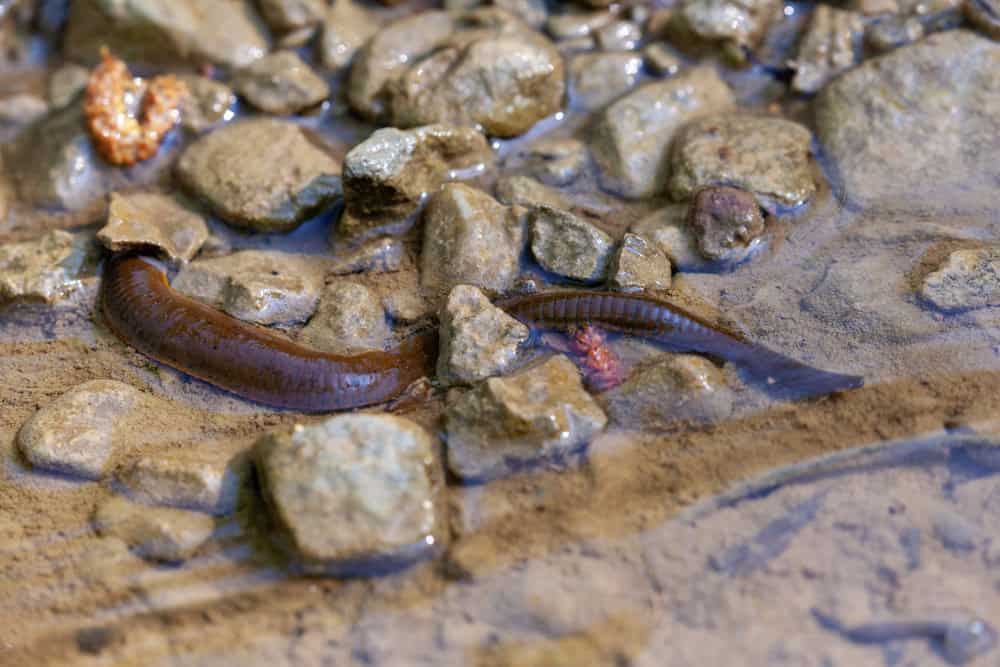
Leeches prefer shallow freshwater environments, such as coves, which protect them from strong currents.
©goran_safarek/Shutterstock.com
Leeches are commonly feared, and there’s no worse jump-scare than finding one attached to your leg. And while these bloodsuckers do exhibit parasitic tendencies, they help more than they harm. In Nevada’s lakes, leeches also feed on muck and organic matter. As bottom feeders, they essentially act as the lake’s greatest recyclers. As they clear out this muck, it becomes fodder for other bottom feeders. Without leeches, much of the lake would remain stagnant, turning it into a breeding ground for rot and bacteria.
The Leeches of Spooner Lake
In Spooner Lake, which has Nevada’s highest concentration of leeches, these animals play multiple roles. Given the lake’s substrate and shallow areas, leeches have ample food and habitat in which to thrive. “Waterways like Spooner Lake can provide suitable habitat for leeches because they often have shallow, protected shoreline areas with aquatic vegetation, rocks, and organic material along the lake bottom,” Margiott tells us. “Those areas provide cover and access to the small aquatic organisms and other food sources leeches rely on.”
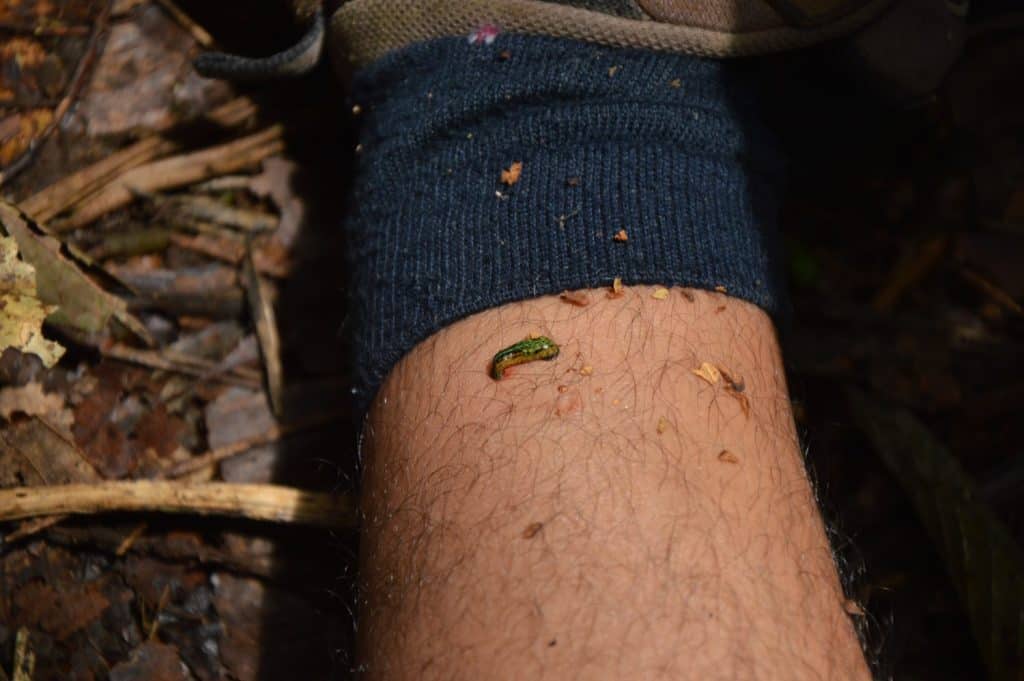
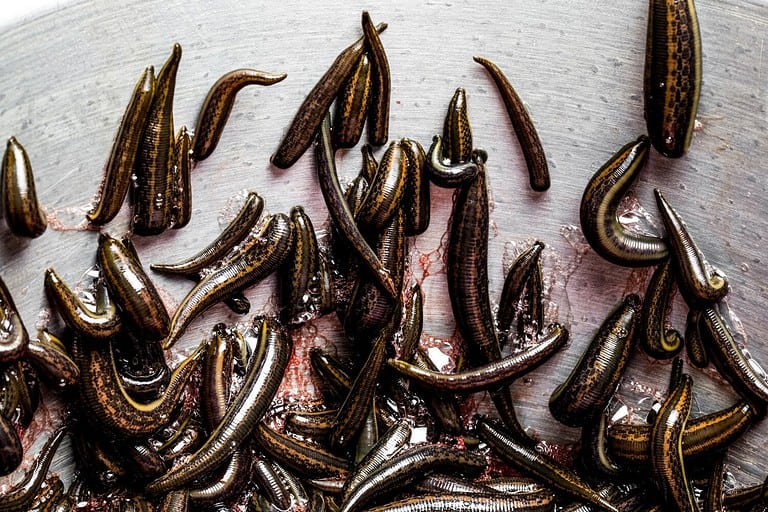
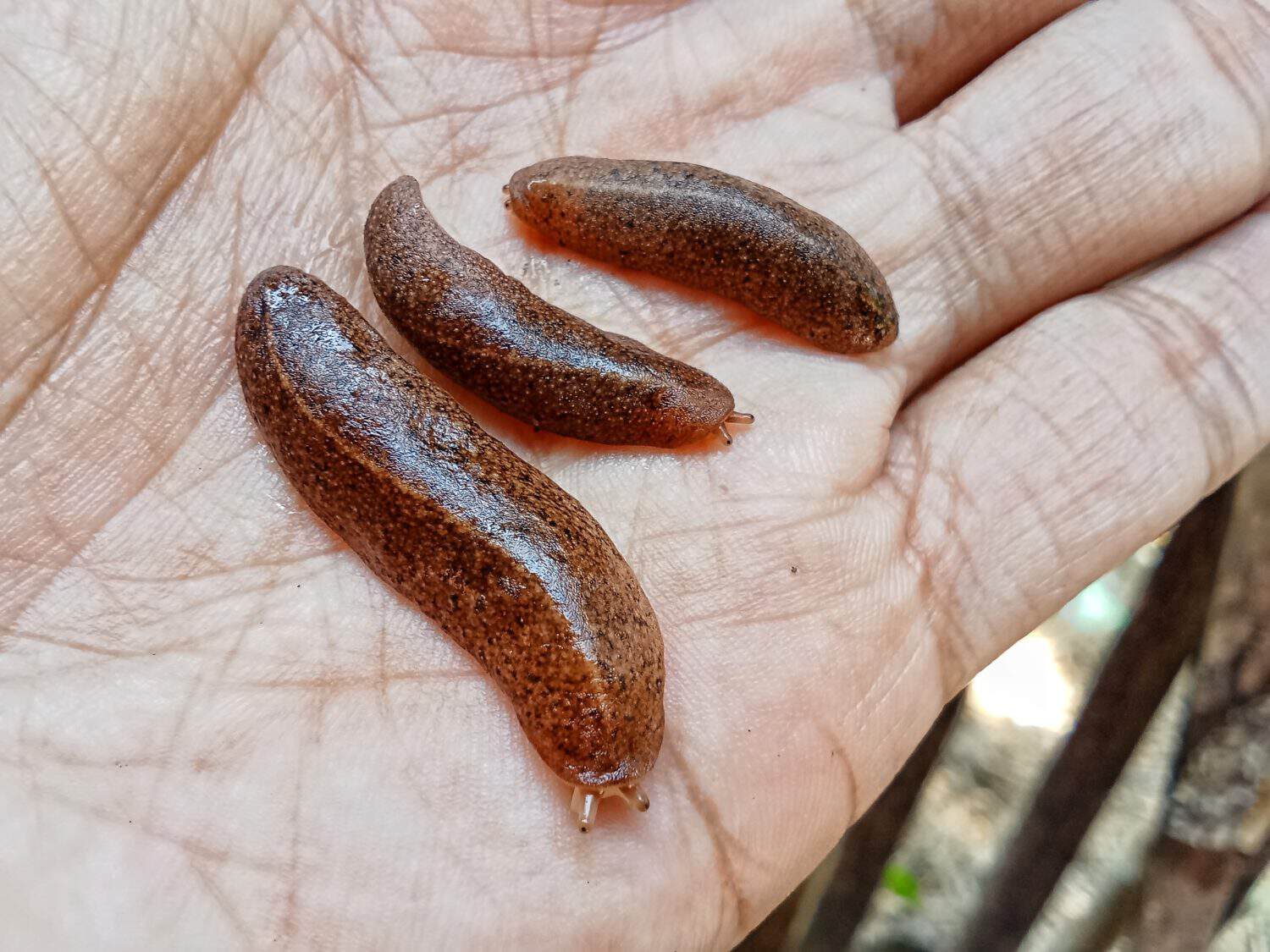
Most of Nevada’s leeches are smaller than three inches and are easily pulled off.
©Heri kay/Shutterstock.com
There’s no exact population count for the leeches that inhabit Spooner Lake, but reports suggest that visitors may encounter them more frequently here compared to some other Nevada lakes. Most locals tell tourists that encountering them is no biggie–advising them to simply “pull them off.” The leeches inhabiting this lake are extremely small, and few people report seeing any longer than three inches. Thankfully, according to Margiott, they also pose few, if any, risks to humans.
“For swimmers, leeches generally do not pose a significant threat. Some species can attach to people, particularly in shallow, vegetated areas, but those encounters are typically more of a nuisance than a serious concern. Most leech species do not feed on humans,” Margiott says. And with approximately 110,000 visitors each year, it’s not likely that leeches are scaring anyone off.
Waterways like Spooner Lake can provide suitable habitat for leeches because they often have shallow, protected shoreline areas with aquatic vegetation, rocks, and organic material along the lake bottom.
Kenzie Margiott, Public Information Officer and Digital Content Manager with the Nevada Department of Wildlife
Leeches Are More Interested in Aquatic Life
According to the Nevada Department of Wildlife, leeches aren’t interested in humans. They feed on prey that inhabit the lake alongside them, which doesn’t include swimmers or pets. “Leeches can also attach to fish, amphibians, turtles, waterfowl, and other wildlife, but these interactions are a natural part of freshwater ecosystems and generally do not pose a significant threat to wildlife populations,” Margiott explains.
And while leeches can anchor themselves to mammals, it’s not the type of meal they prefer. They’re more likely to latch on to small species, such as frogs, small fish, salamanders, and toads. In some cases, leeches may also feed on small snails that live on the bottom of a lakebed.
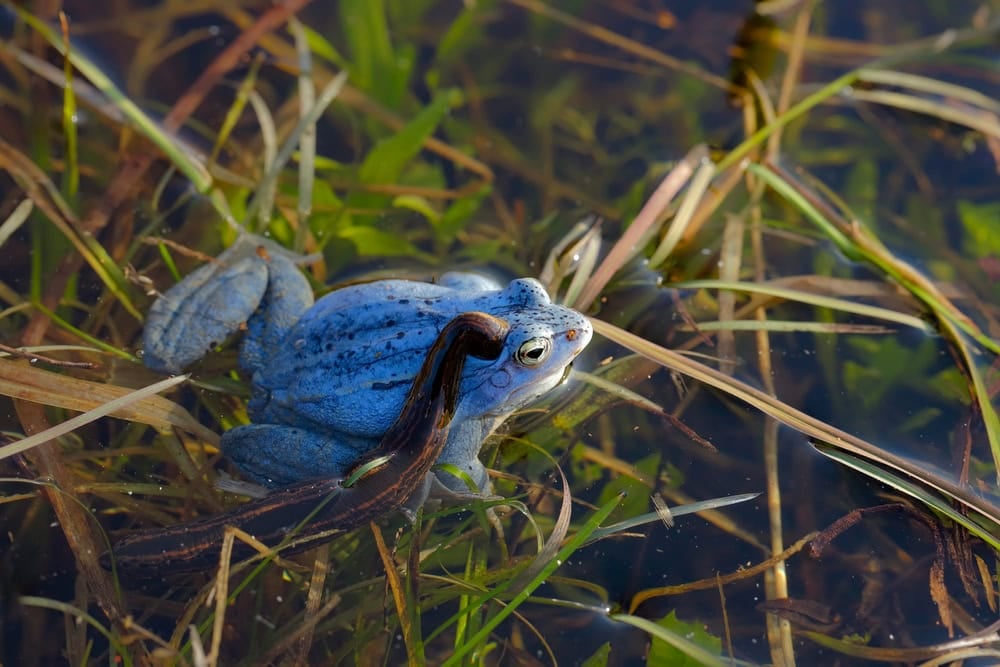
Most species are found latched onto aquatic life such as frogs, rather than human swimmers.
©Marek Mierzejewski/Shutterstock.com
The good news is that even if you are bitten by a leech, it typically falls off on its own after 10-15 minutes. Unlike other parasitic-like species, leeches do not transmit viruses or bacteria when they fall off on their own. Pulling a leech off prematurely poses a small risk of transmitting infections, but this is extremely low. Afterward, the bite should be cleaned and treated, but it’s nothing to worry about for most healthy people.