
Quick Take
- Some birds marketed as having 'wing claws' don't actually have claws at all, and the difference matters more than you'd think. See the key distinction →
- One bird species has evolved a wing-claw escape plan so clever that it involves jumping into water, and that is only half the strategy. Discover the escape strategy →
- Wing claws probably didn't come from dinosaur ancestors, and the real explanation is somehow even stranger. Explore the real origins →
- There's a permanent, bone-based weapon found on certain birds that most people keep calling the wrong thing. Meet the true spurs →
Whether you’re thinking of the majestic American bald eagle, barnyard chickens, beloved cartoon favorite Tweety Bird, or a cardinal in your own backyard, chances are you picture birds with feathers, beaks, wings, and clawed feet. But what if we told you that some birds also have claws on their wings?
Strange, but true.
From baby hoatzins, which use tiny wing claws to climb through the tangled vegetation of South American rainforests, to screamers armed with sharp, claw-like projections for defense, the bird world has a few surprises. But there’s an important distinction: Not everything that looks like a claw actually is one.
We spoke with Klara Widrig, a Peter Buck Postdoctoral Fellow in the Division of Birds at the Smithsonian National Museum of Natural History, to learn more about which birds really have wing claws, which have something entirely different, and how these unusual features help them climb, fight, defend their young, and survive in the wild.
Continue reading
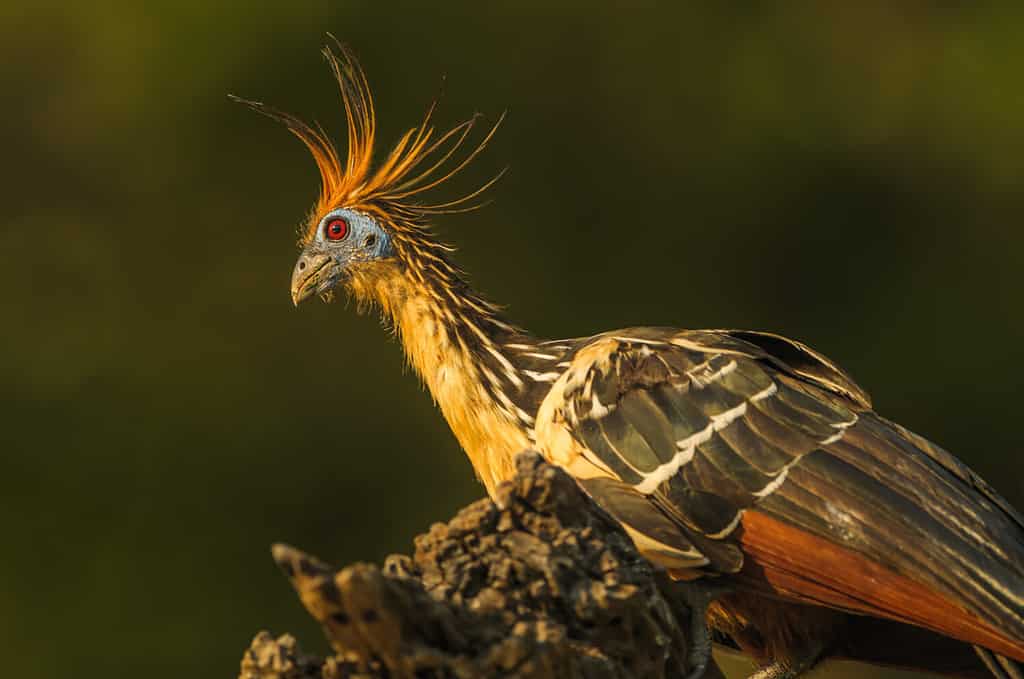
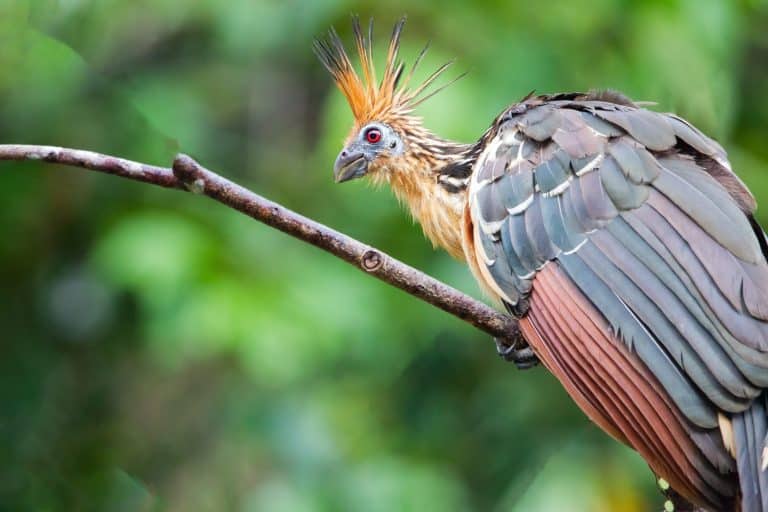
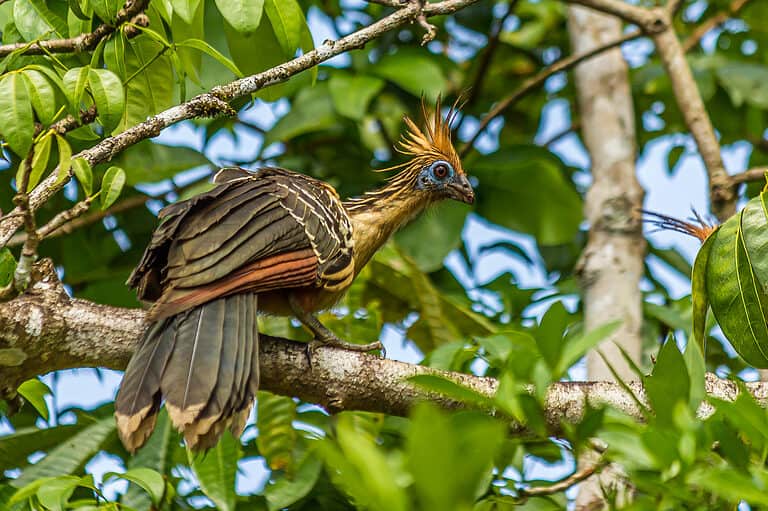
Hoatzin chicks are born with true claws on their wings, which they use to climb through thick vegetation and return to their nests after they’ve escaped predators.
©Marcos Amend/Shutterstock.com
So … What Exactly Is a “Wing Claw?”
As it turns out, the phrase “wing claw” gets tossed around a little too freely. “A claw is just an elongated, pointy fingernail or toenail,” Widrig explains. “Typically, birds have three fingers on their wings, and they are all wrapped up by skin and feathers, so no ‘fingernails’ grow out of them.”
There are, however, some exceptions. In the chicks of certain species, actual claws grow from the tips of their fingers, then disappear (for the most part) as the birds mature. Then there are wing spurs, which may look like claws but are physically different. “Some adult birds have spurs on their wings, similar to how roosters have spurs on their legs. Spurs look similar to claws, but are actually spikes that grow directly out of the bone, rather than from the tip of a finger or toe,” Widrig says.
In other words, some birds really do have claws on their wings, while others are equipped with something totally different.
Most scientists believe that the wing claws were re-evolved, rather than retained from dinosaur ancestors.
Klara Widrig, Peter Buck Postdoctoral Fellow in the Division of Birds at the Smithsonian National Museum of Natural History
Hoatzins Are Little Climbers with a Genius Escape Plan
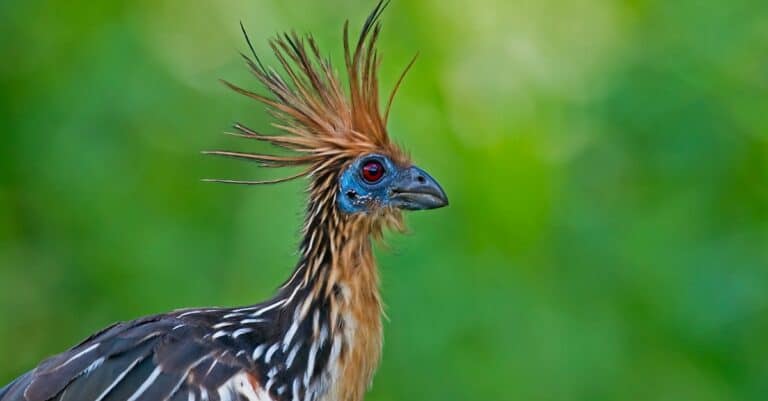
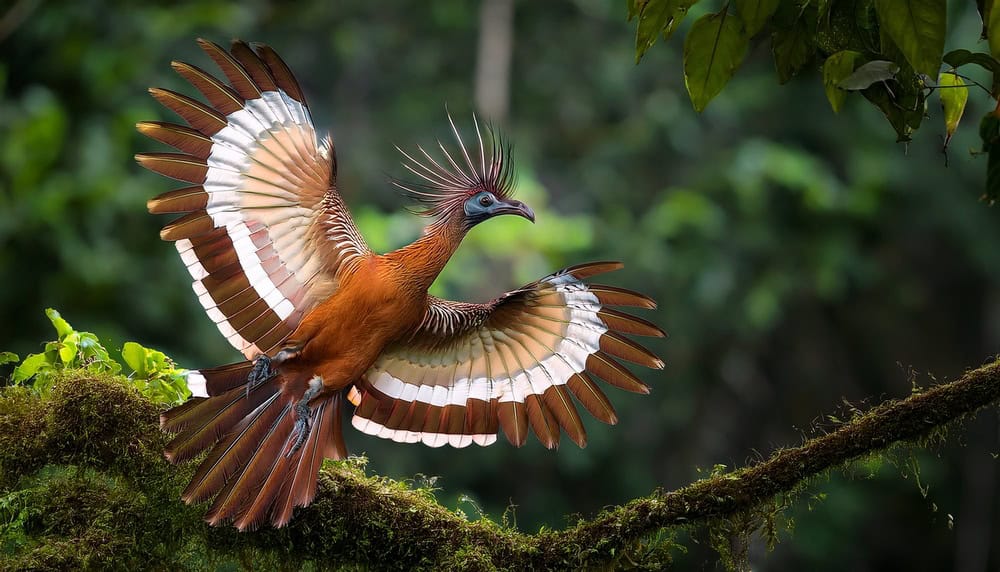
Perhaps the most famous wing-clawed bird is the hoatzin, a unique South American species found in the Amazon and Orinoco basins. Though adult hoatzins don’t retain their wing claws, their chicks are born with them—and for a very good reason.
Hoatzins build their nests over flooded wetlands, which gives their chicks an effective way to escape predators. If there’s danger, a chick can jump into the water and swim to safety, then use its wing claws to climb back up after the threat has passed.
“I find the wing claws of Hoatzin chicks fascinating, because of the way they are used as a survival strategy to escape from predators,” Widrig says.
It’s also worth noting that those claws aren’t the hoatzin’s only claim to fame. The birds mostly eat leaves, which ferment in a special pouch in their digestive system. That process can get quite smelly, earning them the mildly unflattering nickname “stinkbirds.”
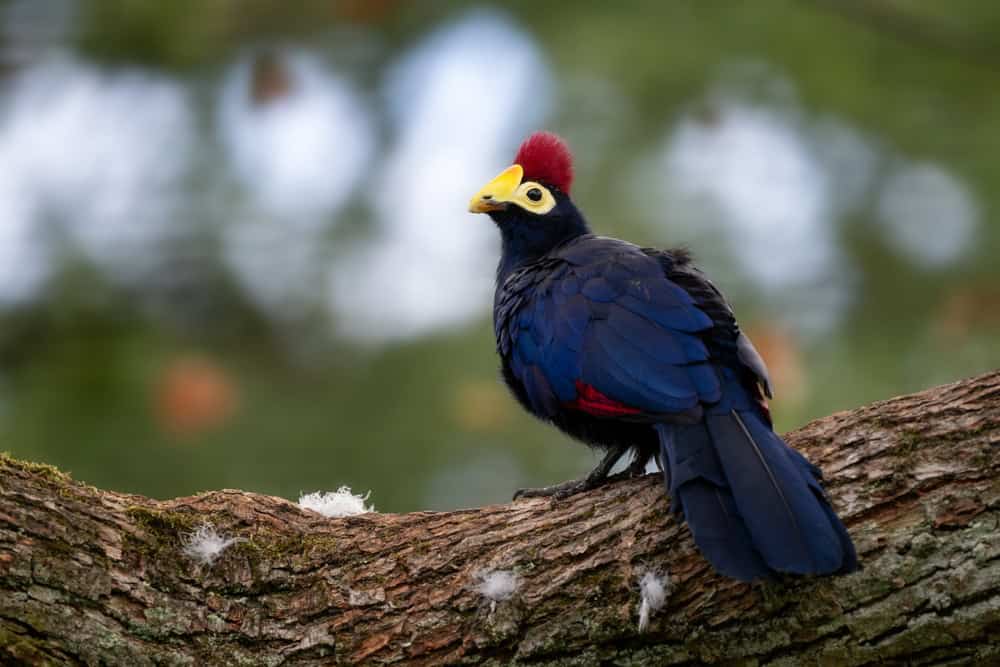
Hoatzins aren’t the only chicks with true wing claws; young turacos have them, too. Like hoatzins, turaco chicks develop wing claws that help them climb, then the claws disappear as they mature.
©David Havel/Shutterstock.com
When “Claws” Are Actually Spurs
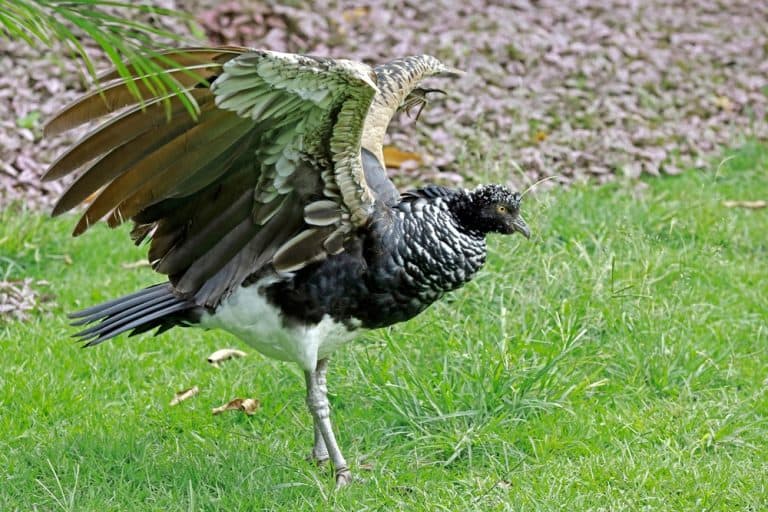
Screamers are often included among birds with wing claws, but there’s a bit of a catch: Those sharp points are actually wing “spurs.” All three species, the Northern Screamer, Southern Screamer, and Horned Screamer, have them. Unlike the temporary claws of hoatzin chicks, those spurs remain for life—and they aren’t used for climbing.
“True wing claws are only found in the chicks of certain species. Wing spurs, on the other hand, are present through the animal’s entire life,” Widrig explains. “Birds with wing spurs use them to fight for mates and territory, and defend their nests.” Screamers live in wetlands across much of South America and mainly eat aquatic plants. But when territory, a mate, or a nest is at stake, those bony spurs offer a means of defense.
Screamers aren’t the only birds with these built-in weapons. The Spur-winged lapwing, Masked lapwing, Spur-winged Goose, and Torrent Duck all have wing spurs, too. While young hoatzins and turacos use their wing claws to climb, birds with wing spurs typically use them for fighting and defending themselves, their territory, or their nests.
The distinction between wing claws and wing spurs is subtle, and it’s the source of a common misconception about birds with “clawed” wings. As Widrig points out, “Many people mistake wing spurs for wing claws.” While they may look similar, they’re actually different features that serve different purposes.
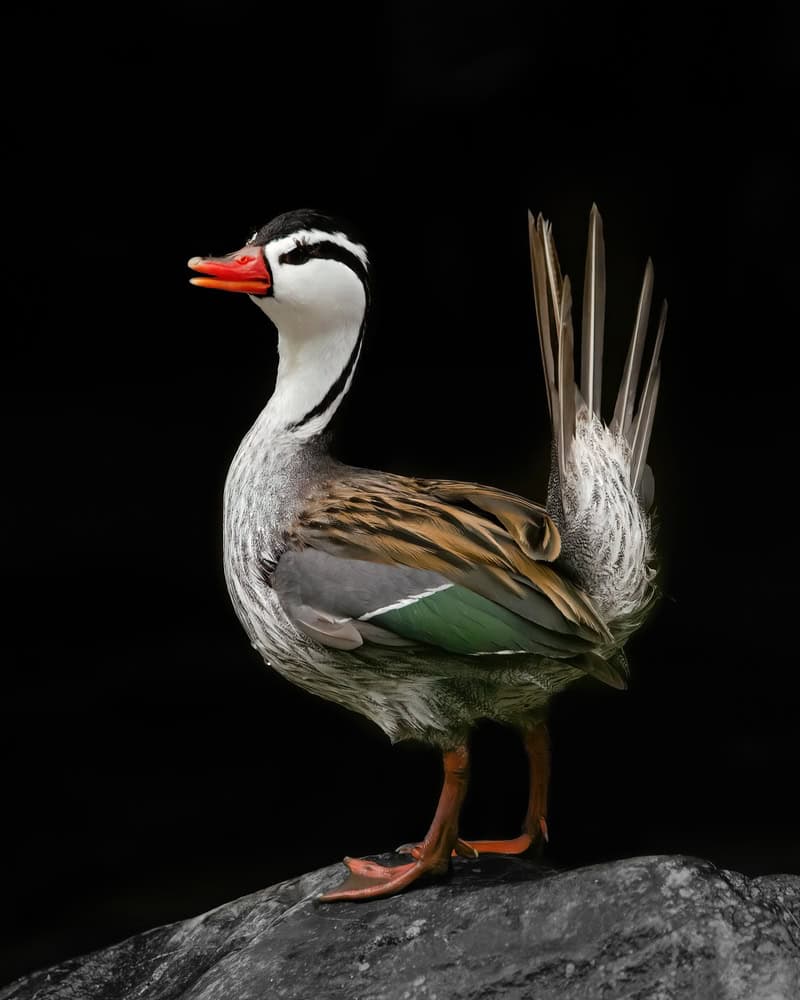
Found along fast-moving rivers and streams in South America, the Torrent duck is another species equipped with wing spurs.
©Kevin Ocampo/Shutterstock.com
Are Wing Claws Left Over From the Dinosaurs?
It’s tempting to assume that wing claws are simply a holdover from birds’ dinosaur ancestors, but that is probably not the case. “Most scientists believe that the wing claws were re-evolved, rather than retained from dinosaur ancestors,” Widrig explains.
In other words, their ancestors did not have wing claws. But somewhere along the way, the trait reappeared. From an evolutionary standpoint, that’s likely because chicks that can climb have a better shot at survival.
Nevertheless, there may still be an intriguing dinosaur connection buried in the birds’ DNA. “It is possible that in birds with true wing claws, they are reactivating an ancient genetic blueprint passed down by their dinosaur ancestors to grow claws again,” Widrig says. “In biology, the reappearance of an ancestral trait is called an atavism.”
On the other hand, she says that wing spurs likely followed a different evolutionary path. “In birds with wing spurs, the spurs are likely the result of new mutations that cause outgrowths of bone.”
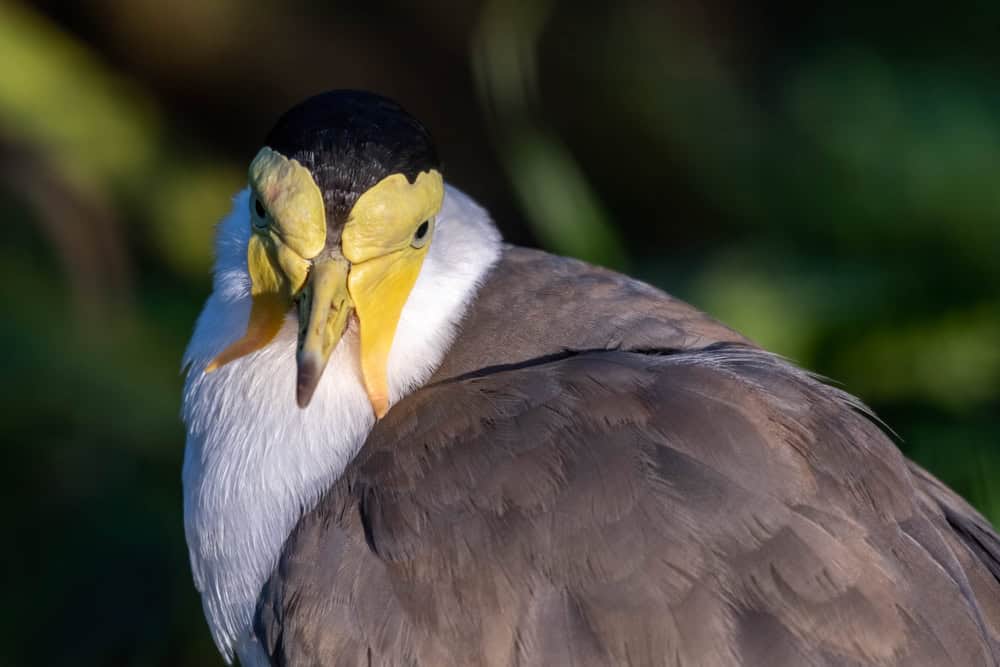
The masked lapwing has sharp wing spurs that can be used for defense, particularly when protecting its nest.
©Ian Fox/Shutterstock.com
One Wing, Two Very Different Survival Tools
So, do birds really have claws on their wings? A few do, but the answer comes with some important distinctions.
In a nutshell, true wing claws appear in the chicks of species such as hoatzins and turacos, giving young birds a temporary climbing tool during one of the most vulnerable stages of their lives. The sharp structures found on screamers, lapwings, Spur-winged Geese, and Torrent Ducks are actually spurs that remain into adulthood and function primarily as tools for fighting and defense. Either way—claw or spur—they’re a fascinating reminder that a bird’s wing can do far more than just get it airborne!