
Quick Take
- Katina, SeaWorld Orlando’s longtime orca, died at age 50 from chronic respiratory issues.
- Katina was SeaWorld’s most successful breeding orca, giving birth to seven calves.
- SeaWorld has no plans to release the remaining orcas; they will stay in San Diego, San Antonio, and Orlando.
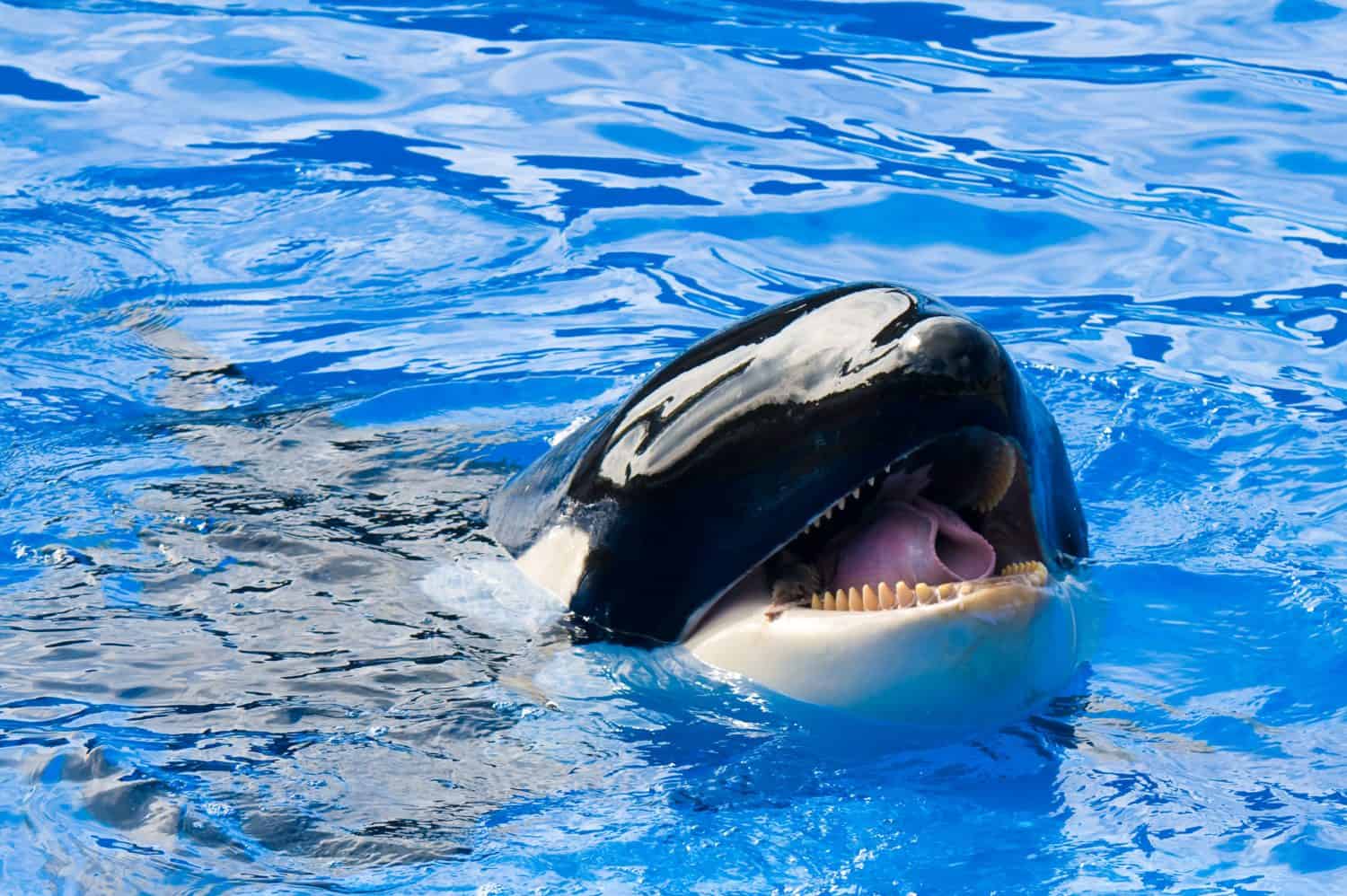
Anyone who has visited SeaWorld Orlando over the last four decades has likely seen the orca show the theme park orchestrates. While the show now focuses more on conservation information than on entertainment value, there has been one constant star for 40 years. Unfortunately, that star no longer shines, as Katina, one of the oldest living orcas in captivity, has passed away. Rest in peace, Katina.
One of the oldest surviving wild-caught orcas has died. On December 21, SeaWorld Orlando announced that its longtime resident, Katina, had passed away.
“Our SeaWorld family is mourning the loss of one of our beloved killer whales, Katina. Katina was 50 years old, and her health had begun to significantly decline as she entered her geriatric years,” the Facebook announcement reads. “Over the last several weeks, our animal care and medical teams have worked around the clock to closely monitor her declining health, and as her condition worsened, the decision was made to prioritize her comfort and welfare.”
The post continues, saying that “despite everyone’s extraordinary efforts,” Katina died “while surrounded by animal care and medical teams.”
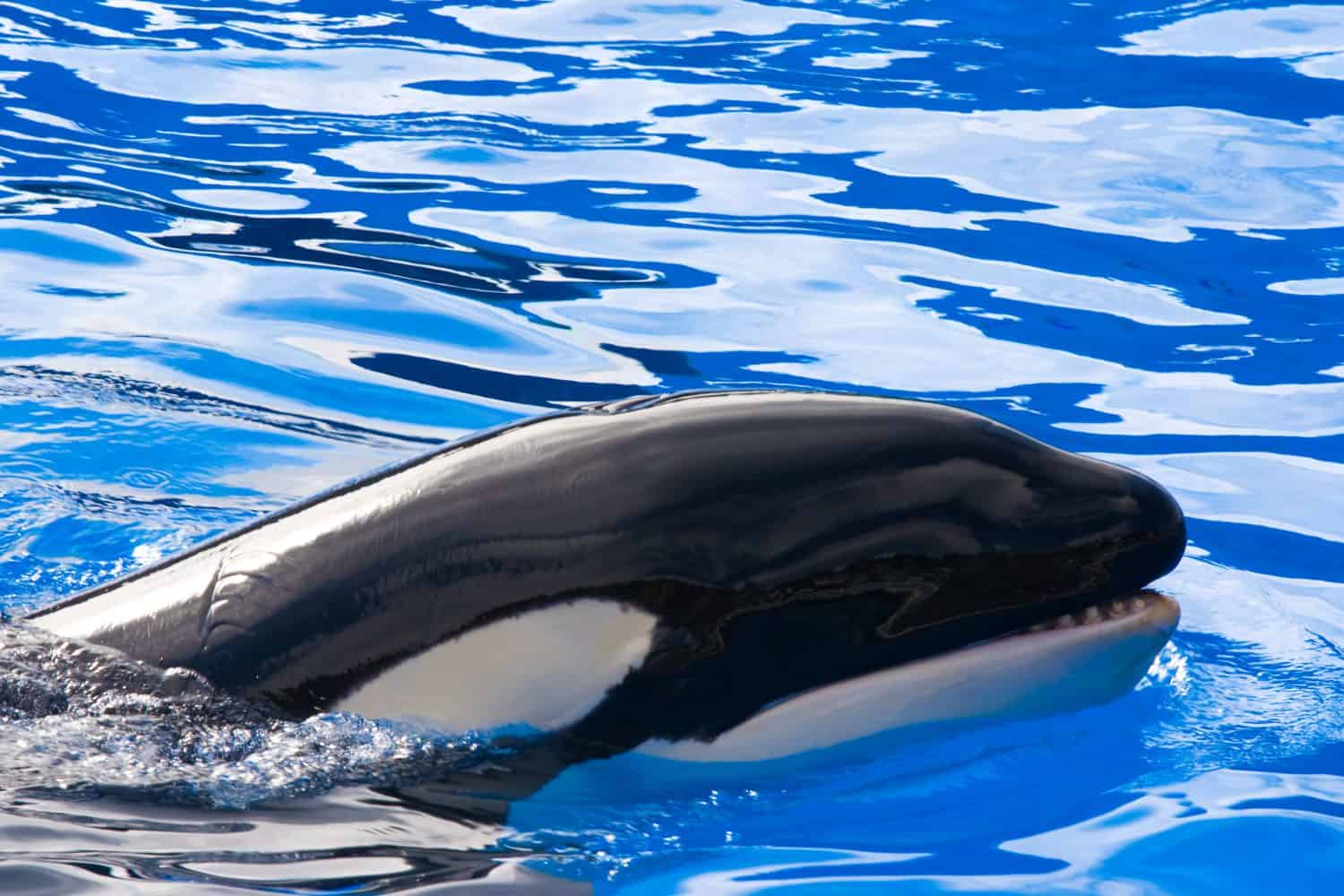
Katina, similar to this SeaWorld orca, passed away at the age of 50.
©Chua Han Hsiung/Shutterstock.com
The cause of death was believed to be chronic respiratory issues. Whether SeaWorld will share the necropsy results is unknown. Katina became the 46th orca to die under SeaWorld’s care since introducing the orca program decades ago. Consequently, her death, while mourned by many, has reignited the controversy that surrounds keeping orcas in captivity. This is because the quality and quantity of life are significantly different compared to those who live their lives in the wild.
SeaWorld’s announcement of the passing of Katina led readers to believe that the orca lived a long life under the amusement park’s care. While she lived 50 years old, this is young compared to wild orcas, who can live significantly longer.
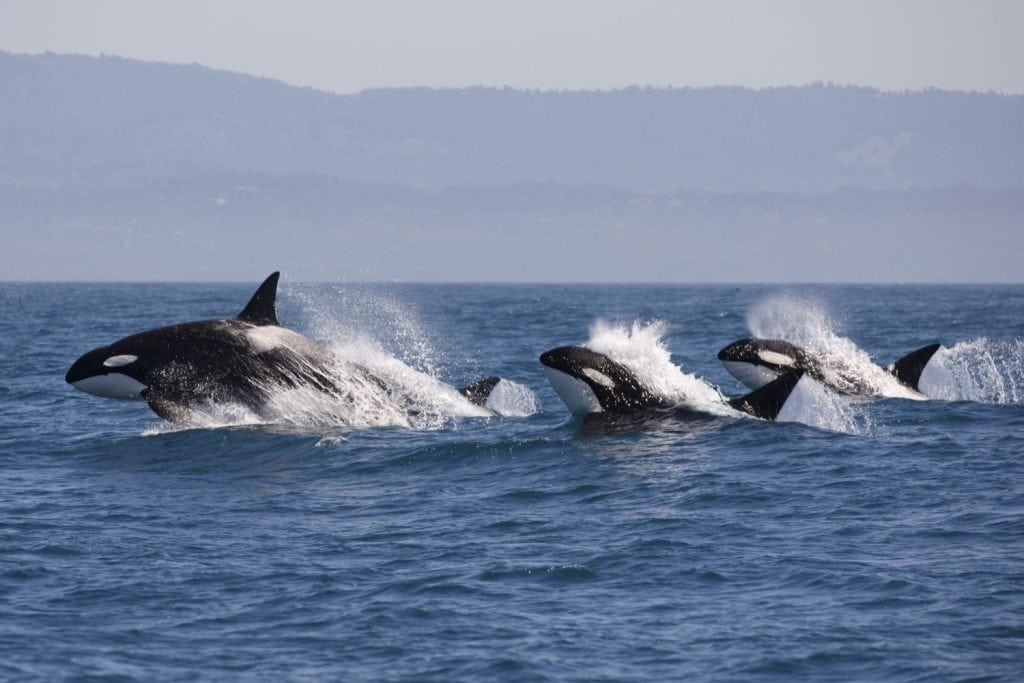
Female orcas can live to be 80 to 100 years old in the wild.
©Tory Kallman/Shutterstock.com
Male orcas have a life expectancy of 50 to 60 years in the wild. Females live even longer, with their life expectancy being 80 to 90 years. It is believed that female orcas live longer because they help raise their grandchildren. This is known as the “Grandmother Hypothesis.”
Katina did help raise some of her grandchildren, even if only briefly, which may explain why she lived longer than many other captive orcas. However, compared to how long Katina could have lived in the wild, her life was significantly shorter, having been brought into captivity so many years ago.
Katina was a young whale when she was captured off the coast of Iceland in 1978. It was believed at the time that Katina was approximately two years old when she was brought into captivity.
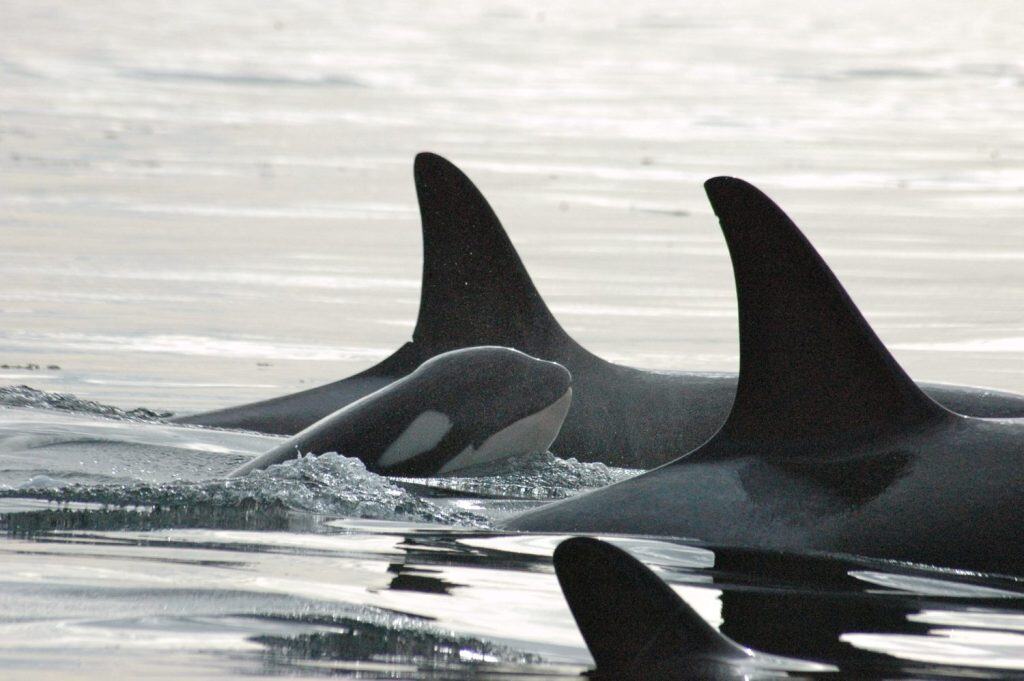
Katina was a younger orca, like this one, when captured off the coast of Iceland in 1978.
©Monika Wieland Shields/Shutterstock.com
While frowned upon today, it was common practice in the 1970s to capture wild orcas and house them in marine parks. However, 1978 marked the last year any wild orcas were taken from the wild. Instead, the future of orcas at places like SeaWorld would be dependent on captive breeding programs. At the time of her death, Katina was one of three original wild-caught orcas still alive. The other two, including Corky—who has been in captivity for 56 years and is approximately 60 years old—remain under SeaWorld care.
During her time at SeaWorld, Katina gave birth to seven calves. This included Kalina, born in 1985, the first calf born in captivity that survived. The calves that Katina gave birth to while at SeaWorld include:
| Name | Birth Year | Father | Current Status |
| Kalina | 1985 | Winston | Died in 2024 |
| Katerina | 1988 | Kanduke | Died in 1999 |
| Taku | 1993 | Tilikum | Died in 2006 |
| Unna | 1996 | Tilikum | Died in 2015 |
| Ikaika | 2002 | Tilikum | Alive |
| Nalani | 2006 | Taku | Alive |
| Makaio | 2010 | Tilikum | Alive |
While Katina reached the age of 50 before she died, more than half of her offspring did not come close to living long lives. Whether that will be the case for the remaining three or not remains to be seen.
In 2018, SeaWorld released the news that Katina had suffered an injury to her dorsal fin. The release stated that a member of Katina’s pod had caused the injury. However, SeaWorld was unable to identify just which orca it was. There was speculation that a 12-year-old male named Trua, who is not related to Katina, was responsible. However, since no one witnessed the incident, this could not be confirmed.
The dorsal fin is important to orcas because it has numerous blood vessels that help regulate body temperature. With the dorsal fin damaged, Katina faced the threat of infection and the possibility that the dorsal fin would not heal properly.
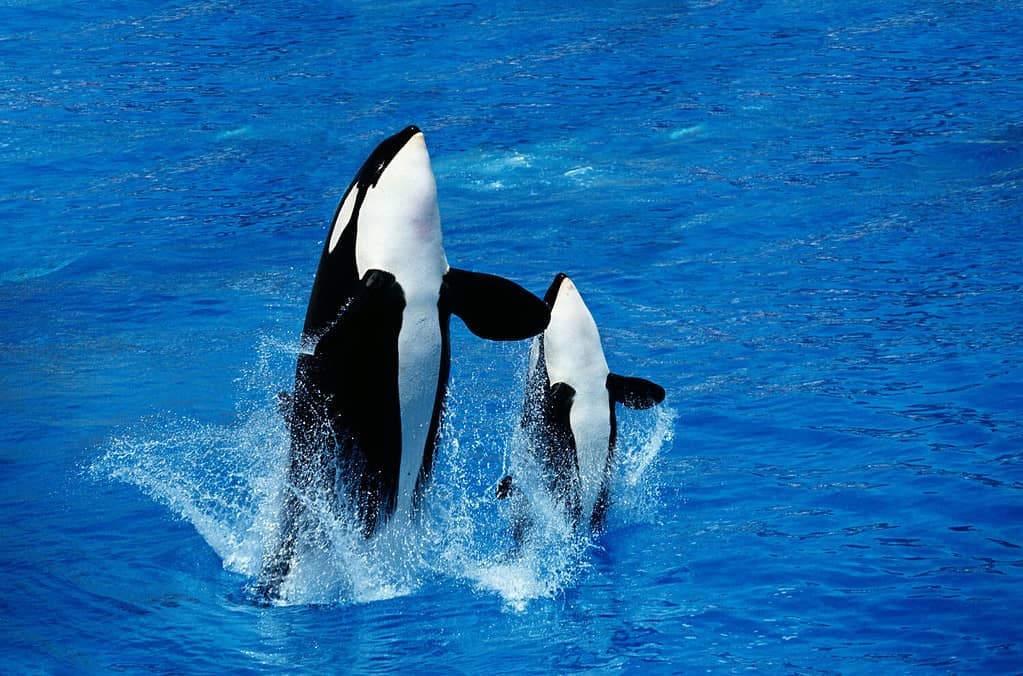
While in captivity, like this orca, Katina suffered a dorsal fin injury.
©David Pruter/Shutterstock.com
SeaWorld staff treated the wound with medical honey and cold laser therapy to help Katina heal as quickly as possible. During her healing, SeaWorld announced that Katina was in a tank with only her daughter, Nalani, and son, Makaio, to minimize stress.
However, animal rights groups were quick to point out that Katina was back to entertaining audiences just two weeks after her injury. There were concerns that the added stress of performing would be a setback to Katina’s recovery. Eventually, Katina did heal. Once the wound healed, there was a permanent bump on the dorsal fin, serving as a reminder that aggression levels can become very high in captivity, especially between orcas that are not family members in a pod.
In 2016, SeaWorld announced it would be ending its captive breeding program. This announcement followed the 2013 release of the film Blackfish. The filmmaker, Gabriela Cowperthwaite, aimed to create a movie to better understand what led Tilikum to kill three people during his time in captivity.
As Cowperthwaite delved deeper into the world of captive orcas, themes of orcas being under stress and having higher levels of aggression after being forced to live in captivity were explored. This was the first time a documentary showed what life was like for orcas performing at SeaWorld. The results for SeaWorld were disastrous.
SeaWorld ended its captive breeding program in 2016.
©slowmotiongli/Shutterstock.com
After the film premiered, attendance at SeaWorld decreased significantly, stock prices fell, and partnerships with recording artists and brands ended. SeaWorld needed to change its image to survive.
This led to the 2016 announcement that the captive breeding program would end across SeaWorld parks. The remaining captive orcas would remain in SeaWorld’s care. Over the next decade or more, the orca program would end, with no more whales housed in San Antonio, Orlando, or San Diego.
Where there was once an abundance of orcas under SeaWorld’s care, today that number has dropped to 15. With the captive breeding program ending nearly a decade ago, it is only a matter of time before SeaWorld no longer cares for these magnificent marine animals. With the time trainers have left, they plan to make the most of it for the orcas. According to SeaWorld, this means providing an enriching environment while continuing to have the orcas participate in shows that are now considered educational rather than purely performative.
Animal rights activists say this is not enough. Instead of the orcas having to live out their days in tanks, which are said to be far too small, leading to stress and discomfort, the belief is that they should be released.
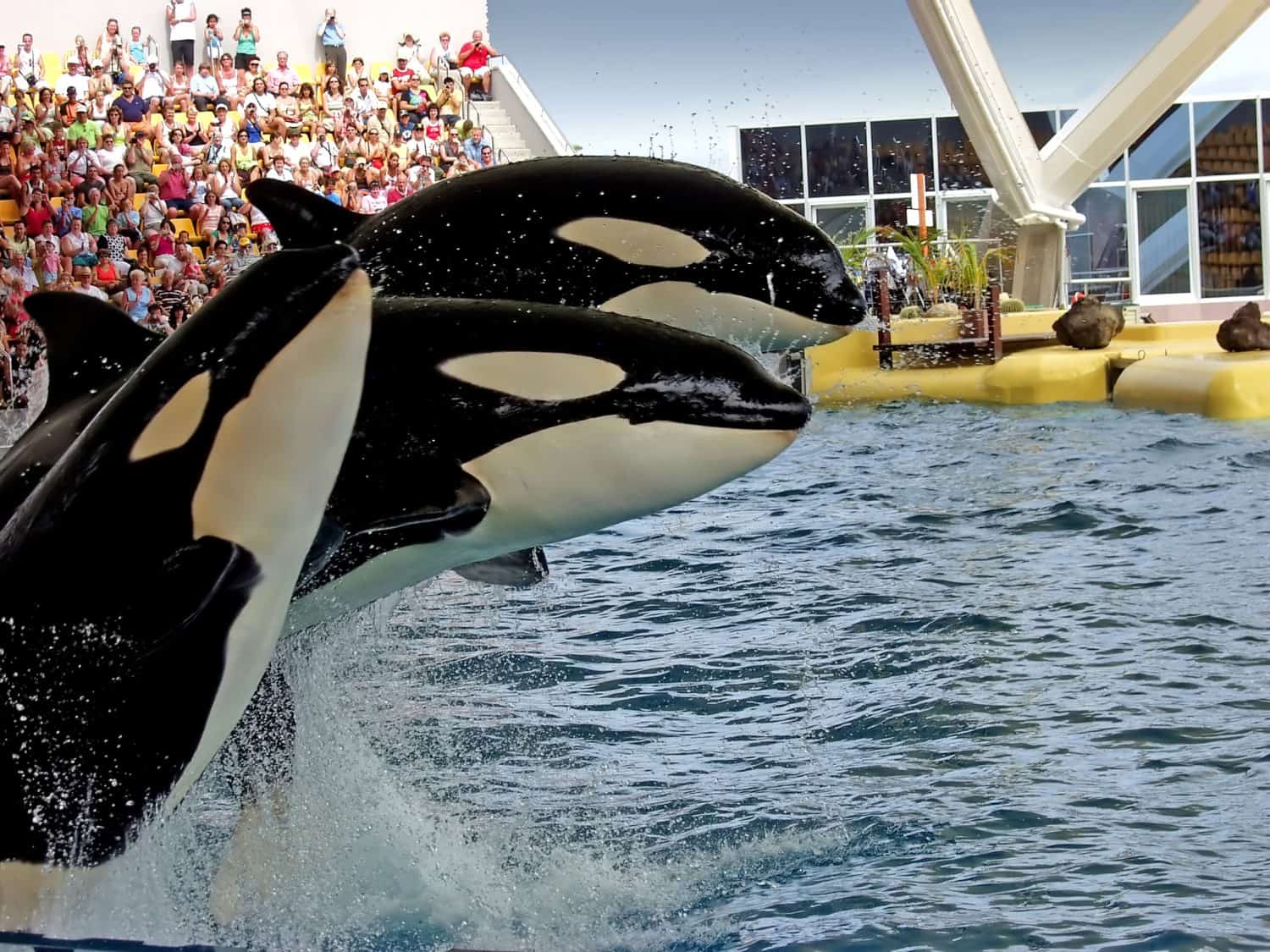
The remaining SeaWorld orcas will likely remain in their care and custody until they pass away.
©Ramon grosso dolarea/Shutterstock.com
Unfortunately, according to SeaWorld, releasing captive orcas into the wild is not an easy endeavor. These orcas were never taught to hunt. They also cannot simply be introduced to a wild pod and be expected to be taken in. The wild pod would likely run the orca off, forcing it to live alone. Given that orcas are social animals, this would not be an ideal situation.
If orcas cannot be released into the wild, those who want the massive whales removed from captivity believe ocean sanctuaries would be a good compromise. These sanctuaries would allow orcas the freedom to swim in the ocean in spaces much larger than their current tanks, without facing the dangers present in the wild. They would still depend on people, but their lives would be much closer to what they would experience in the wild, compared to life in a SeaWorld tank. Despite calls to relocate the remaining orcas, SeaWorld has no plans to do so. Instead, the orcas will remain in San Diego, San Antonio, and Orlando, where they will live out their lives as captive orcas.