
Quick Take
- Scientists spent nearly two centuries arguing about what the King Island emu actually was, and they were wrong more than once. See the identity debate →
- The last King Island emu didn't die in Australia. Its final years unfolded somewhere far stranger. Where it died →
- An explorer noted the island's woods were 'full' of emus in 1802. Within three years, they were gone forever. How extinction unfolded →
- Even if scientists had recognized the danger, saving the King Island emu would have been extraordinarily difficult. Why saving it was unlikely →
Emus of different sizes once abounded in Australia, Tasmania, and the surrounding islands. When Europeans encountered them, they were described, named, and classified.
But one tiny island emu was hunted to extinction before science could clearly name it. The King Island emu’s true identity remained a mystery until modern technology definitively broke the code centuries after its extinction.
The King Island Emu Disappeared Before Science Knew Its Identity
The King Island emu was once an abundant species on King Island. As with many animals discovered by Europeans in the 1800s, their future was short-lived. Worse still, the emus went extinct before the scientific community understood their identity.
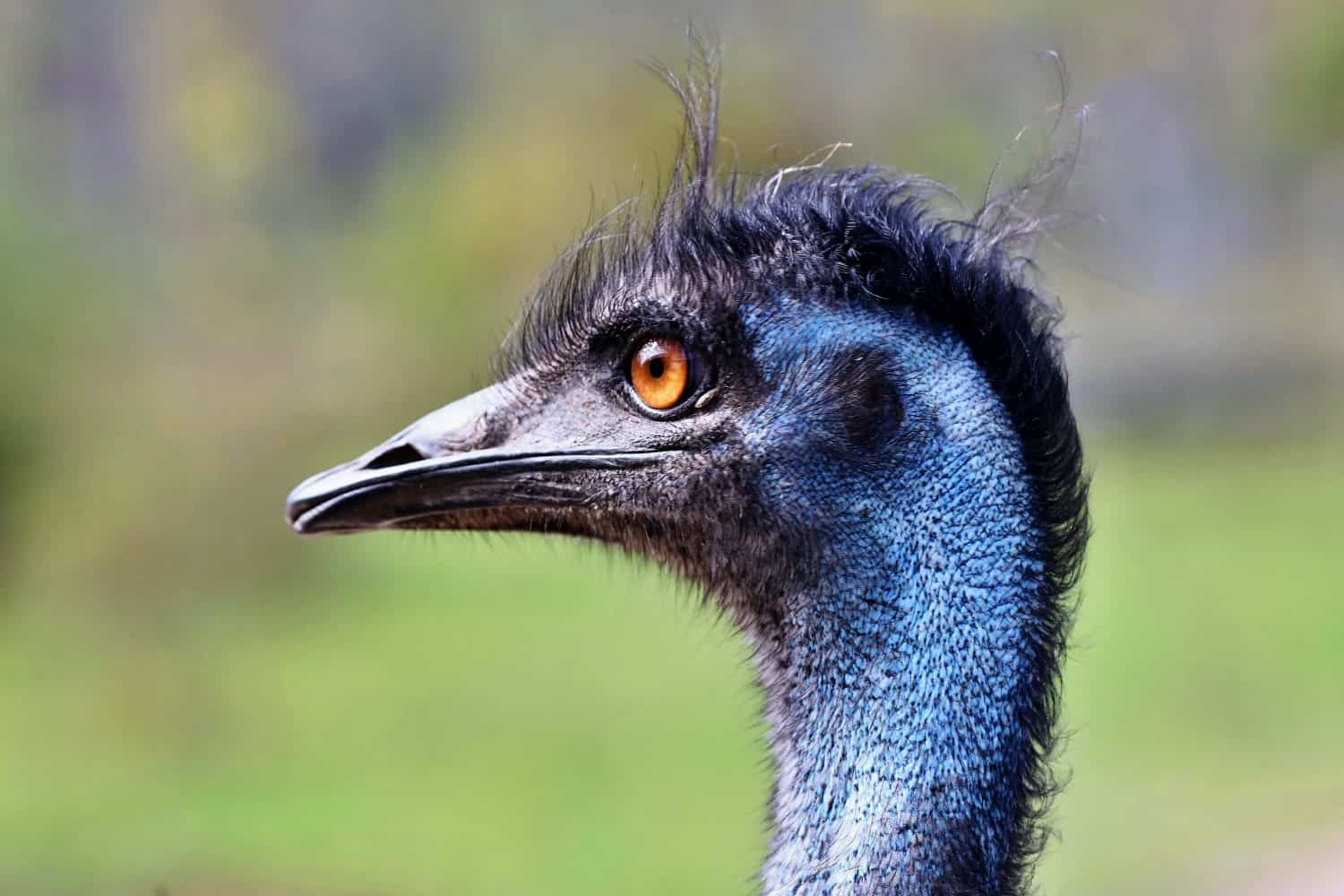
The King Island emu was believed to be a mainland emu with dwarfism, making it the smallest emu on Earth. At first glance, the species looked similar. Both had dark brown and black feathers and a signature blue-skinned neck. Even the chicks looked similar, with dark stripes down their bodies.
When naturalist François Péron first described the King Island emus in 1802, he treated the two emus as the same species. There was no differentiation, only an explanation that the King Island emus were just smaller versions of the mainland emus.
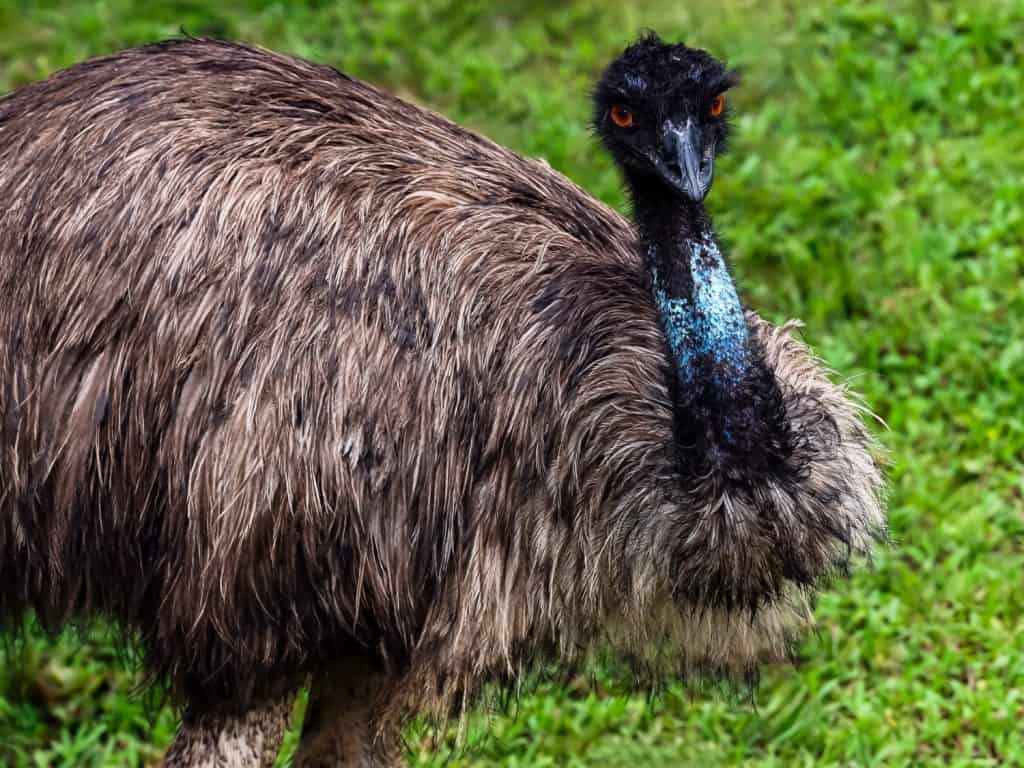
King Island emus were a subspecies of the mainland emu.
©Dr David Sing/Shutterstock.com
To further muddy the waters, specimens collected from King Island and Kangaroo Island were not clearly labeled. This caused confusion in the field of taxidermy for decades, long after the King Island emus had gone extinct in 1805.
Researchers returned to King Island in the early 1900s to collect emu subfossils. Upon examination, it became clear that the King Island and Kangaroo Island emus were not the same. Further still, both differed from the mainland emus. Over the years, researchers continued to study emu bones and skins. Many theories emerged, and scientists assigned various names to the birds, eventually concluding that King Island emus were a subspecies of mainland emus.
Thanks to advances in DNA technology in 2011, the King Island emus were indeed proven to be a subspecies of the mainland emu. It is believed that the species began to diverge around 11,000 years ago when King Island became separated from the mainland. The emus there evolved to become smaller due to reduced resources and thrived. However, the arrival of Europeans on King Island marked the beginning of the end for the King Island emus.
Why the King Island Emu Went Extinct Shortly After Being Discovered
When Nicolas Baudin’s expedition landed him on King Island in 1802, he noted that there were “woods full” of animals, including emus. However, the sealing community that had arrived and settled on King Island in 1799 caused massive pressure on the emus. Just a few years after Baudin noted the birds and Péron described them, they would be extinct.
The sealing community on King Island targeted emus for food. Because the emus were flightless, they were relatively easy to catch. With several emus being hunted each day for food, the population declined rapidly.
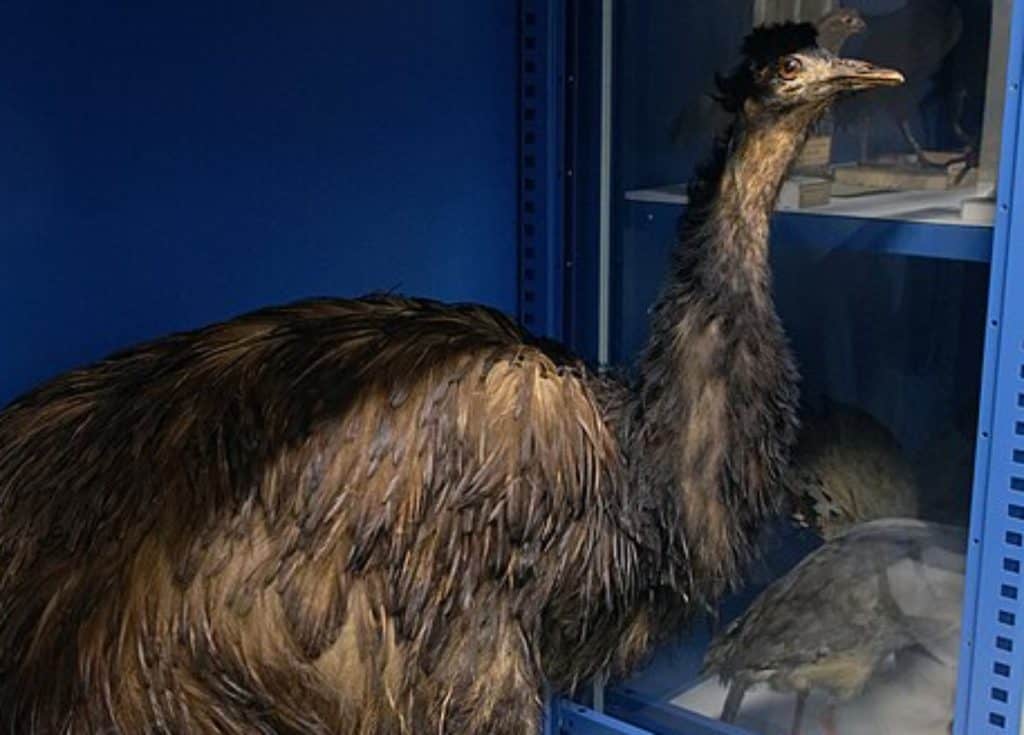
King Island emus went extinct in just a handful of years after they were first described.
© – Original
Additionally, large-scale burning during settlement construction destroyed much of the King Island emu’s habitat.
The combination of habitat loss and a decline in breeding birds made it impossible for the emu population to survive. By 1805, the species had gone extinct in the wild. The last of the King Island emus, taken from the island in 1804 to become part of Empress Josephine’s exotic collection of Australian animals at Château de Malmaison, died in 1822.
Conservation Efforts Were Not Attempted to Save the King Island Emu
Unlike other species on the brink of extinction, the King Island emu was never afforded conservation efforts to save it before it was ultimately lost forever. To be fair, things like captive breeding programs did not exist in the 1800s, which could have saved the tiny emu. But even if such programs and other methods for managing endangered species had existed, they likely would not have been used, as no one realized how close the King Island emus were to extinction.
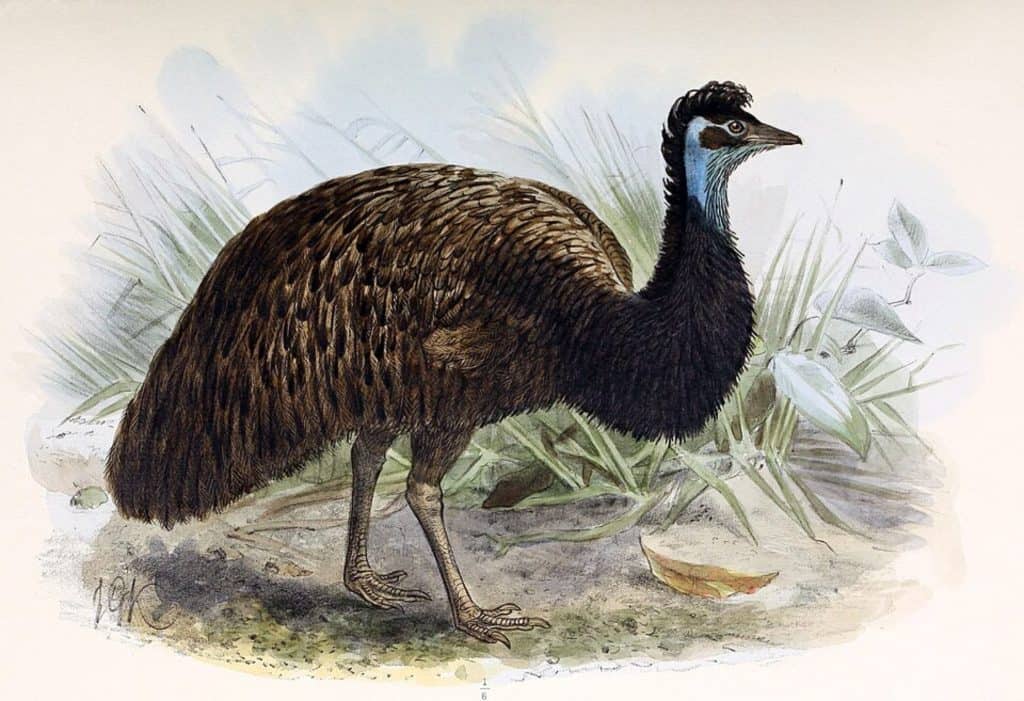
Even if naturalists had wanted to save the King Island emu, there were no conservation methods in the early 19th century.
© – Original
Because scientists did not realize the King Island emu was a unique subspecies, and because the birds lived on a small, remote island, they were not considered a priority for conservation. Had the emus lived in places like mainland Australia or Tasmania, modern conservationists believe they may have received more attention. However, Tasmanian emus also went extinct in the 1800s due to European pressures on the species.
Given the lack of conservation methods and the misclassification of the King Island emu, it is unsurprising that the species did not survive long after European colonization. This raises the question of whether conservation would have been attempted had naturalists and scientists known better, or whether the King Island emus would have gone extinct anyway, all in the name of progress.