
Quick Take
- Male thynnid wasps sometimes choose the orchid over a real female, a fact whose explanation reveals just how disturbingly precise the deception is. See the deception explained →
- Once a wasp makes contact, the orchid physically takes over, and what happens next is weirder than a simple trap. How the trap works →
- Unlike almost every flowering plant, the hammer orchid offers its pollinator absolutely nothing, and this turns out to be its competitive advantage. The orchid's energy advantage →
- A wasp that gets fooled once is almost guaranteed to have a very different day than it intended, which is precisely what the orchid is counting on. The wasp's repeated confusion →
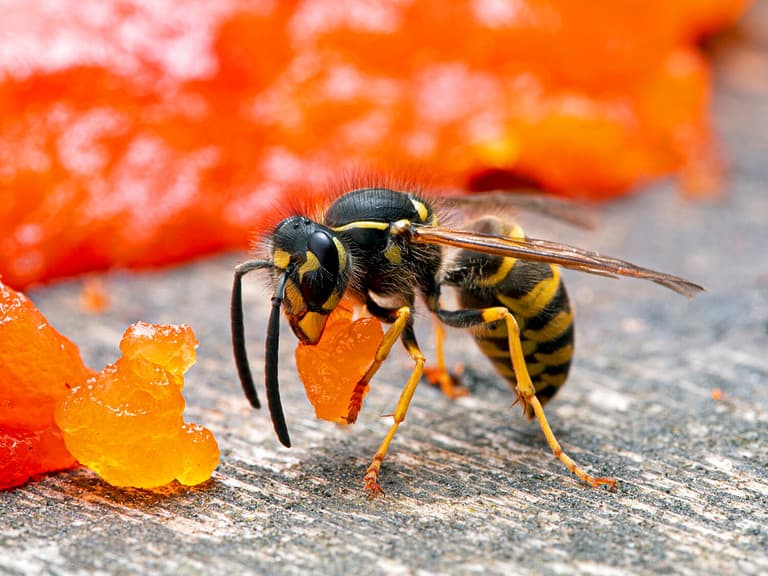
For a brief window each fall, female thynnid wasps make themselves available to males. It is during this time that hammer orchids trick male wasps into mating with them. The draw of the orchid is so powerful that it is not uncommon for male thynnid wasps to choose the flowers over the real female wasps, leaving males thoroughly confused.
Hammer Orchid is a Con Artist
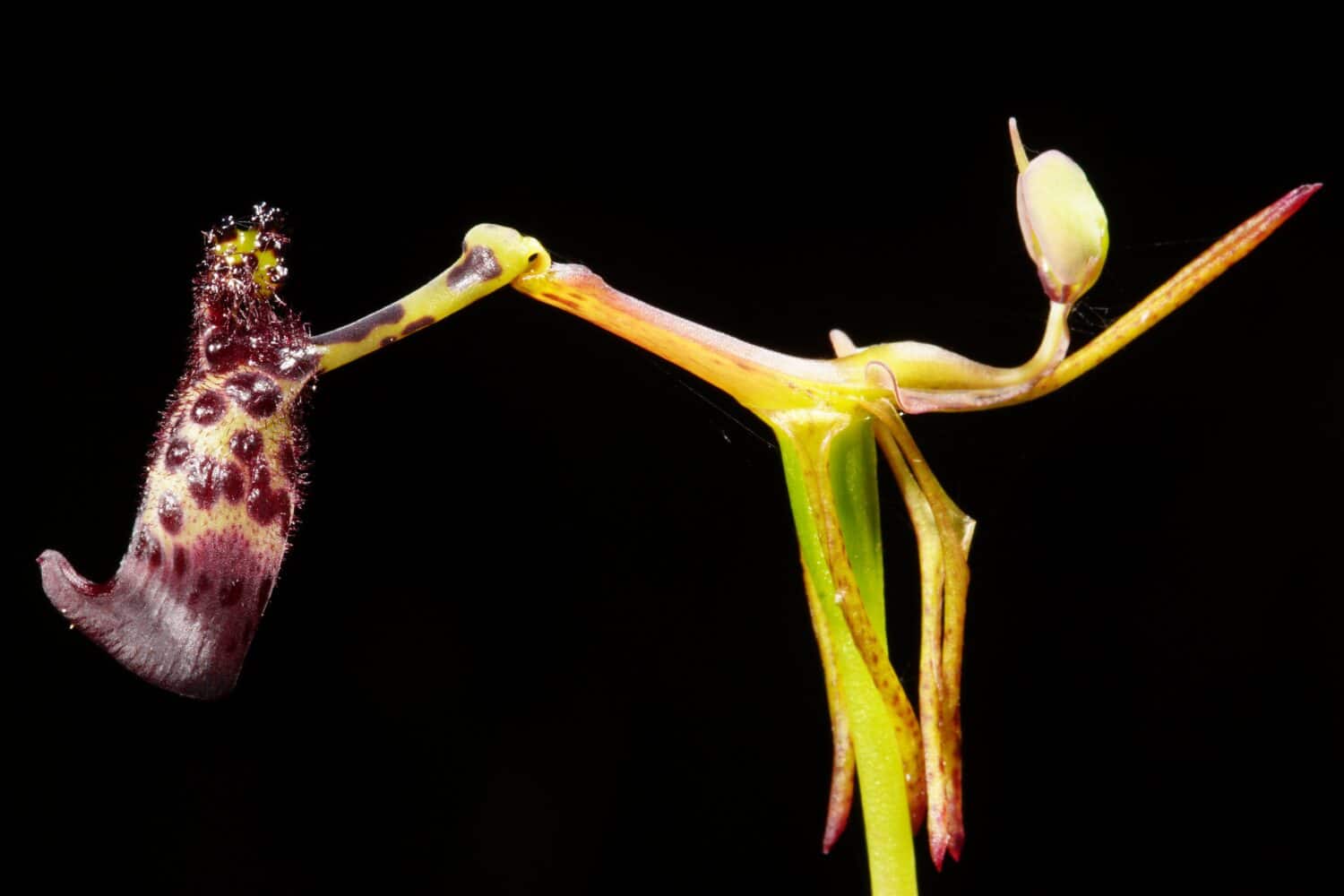
The hammer orchid has evolved to trick thynnid wasps into believing they are females of their species. It is only when the male thynnid wasp approaches and engages that it recognizes the error of its ways.
Each species of hammer orchid only attracts one species of male thynnid wasp. The hammer orchid flower grows to mimic the appearance of the female wasp. The flowers also emit what male thynnid wasps believe to be sexual pheromones.
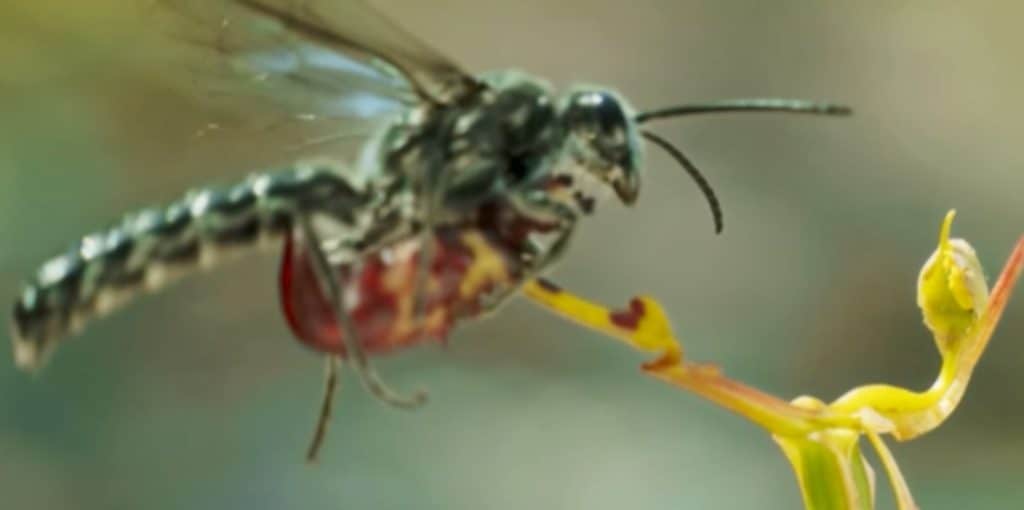
A male thynnid wasp tries to mate with a hammer orchid.
©PBS / YouTube – Original
Female thynnid wasps cannot fly. Therefore, when the male wasp wants to mate, they have to pick the females up and fly away with them. When the males approach the hammer orchid, they attempt to fly away with the flower but instead become trapped.
As the wasp attempts to fly away, the orchid is engineered to swing the wasp onto the stigma upside down. When this happens, the wasp pollinates the orchid. It is then released, surely confused about what it experienced.
Why Does the Hammer Orchid Need the Thynnid Wasp
With more flowers than pollinators, competition is high among flowers for the pollination needed to survive. The hammer orchid is not exempt from this competition. But by targeting the thynnid wasp, the chances of being pollinated increase significantly.
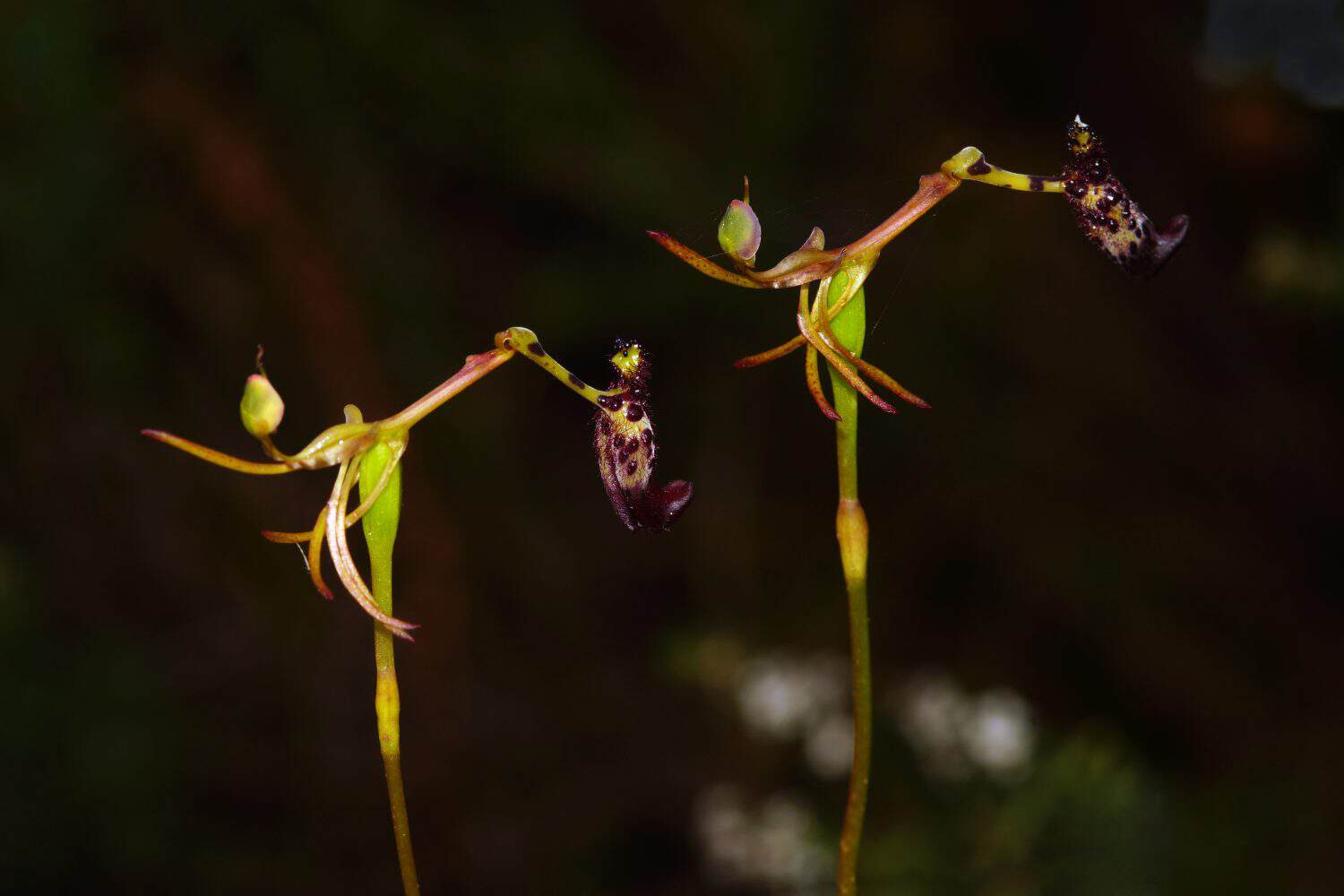
Hammer orchids rely on male thynnid wasps to pollinate them.
©anjahennern/Shutterstock.com
The hammer orchid needs the thynnid wasp for pollination. Without it, the orchid cannot reproduce. By mimicking a female wasp both in looks and pheromone smell, the male thynnid wasps are incapable of resisting the orchids.
By specifically targeting the thynnid wasp, hammer orchids ensure they are chosen over all other flowers. Vying for other pollinators’ attention becomes unnecessary.
Thynnid Wasp is Not Harmed by the Hammer Orchid, Only Confused
When momentarily trapping the thynnid wasp, the hammer orchid does not harm the wasp. It only gets the pollination it needs from the wasp and sends the insect on its way.
Unlike other flowers that offer nectar to insects in return for pollination, the hammer orchid does not expend the energy to do this. By being sexually deceptive, the orchid uses far less energy. The energy the flower would have spent creating nectar can now be used to grow larger or to disperse seeds.
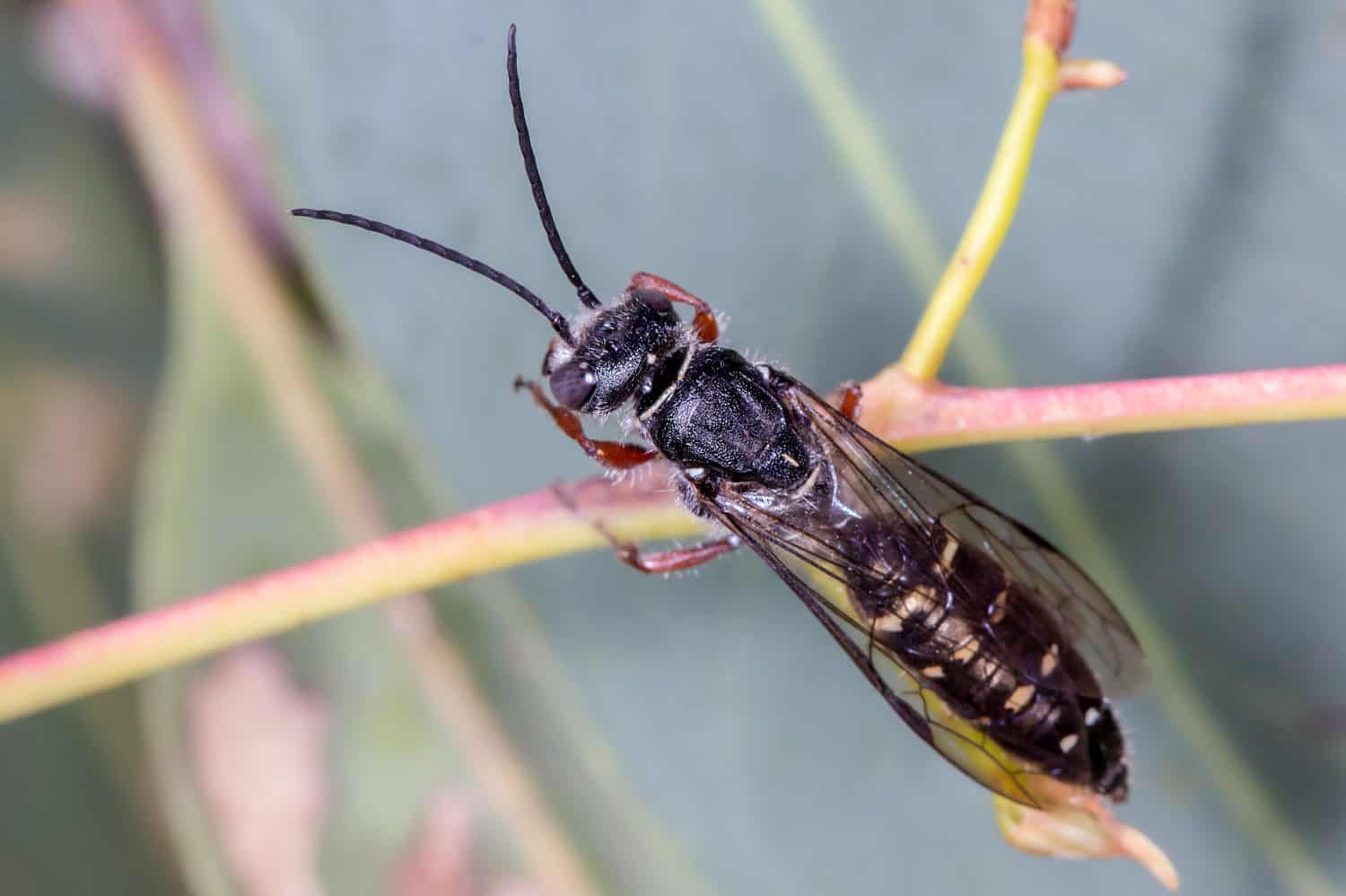
Thynnid wasps are not harmed when they are tricked into pollinating hammer orchids.
©Andrew Allen Photography/Shutterstock.com
Unfortunately, for the male thynnid wasp, if it encounters one hammer orchid, the likelihood of coming in contact with more during the day is high. Consequently, the wasp, which is trying to mate and create the next generation of thynnid wasps, has a very different experience. It spends the day unintentionally helping to pollinate hammer orchids so they can disperse across the ecosystem.