
Quick Take
- The candiru's most infamous trick has nothing to do with humans, and the real method it uses to hunt is somehow even stranger. How it really hunts →
- Once a candiru latches on, its host has almost no way to remove it, thanks to an anatomical trick that makes escape impossible. Backward spines make escape impossible →
- The entire attack lasts less time than you'd expect, yet it's considered one of the Amazon's most brutal feeding strategies. The two-minute feeding attack →
If the legends are true, then the candiru catfish is a living nightmare. According to myth, the parasitic fish is tiny enough to swim up a person’s urethra during an impromptu bathroom stop. Fortunately, for everyone living near the Amazon River, the terrifying legend is false. In fact, it has long been debunked by science.
But while this blood-sucking fish doesn’t invade human bodies, it does feed off other fish living in the Amazon. It may not track human waste, but it using a similar method for stealthily tracking its actual prey.
The Candiru Goes Where the Urea Does
The life of a candiru is relatively simple. While scientists don’t know how long these parasitic fish live, their habits are fairly mundane. Rather than lying in wait for a human to come along and relieve themselves in the water, these fish prefer to remain out of sight. Humans aren’t their intended target and, even if they were, a candiru would never survive a human host.
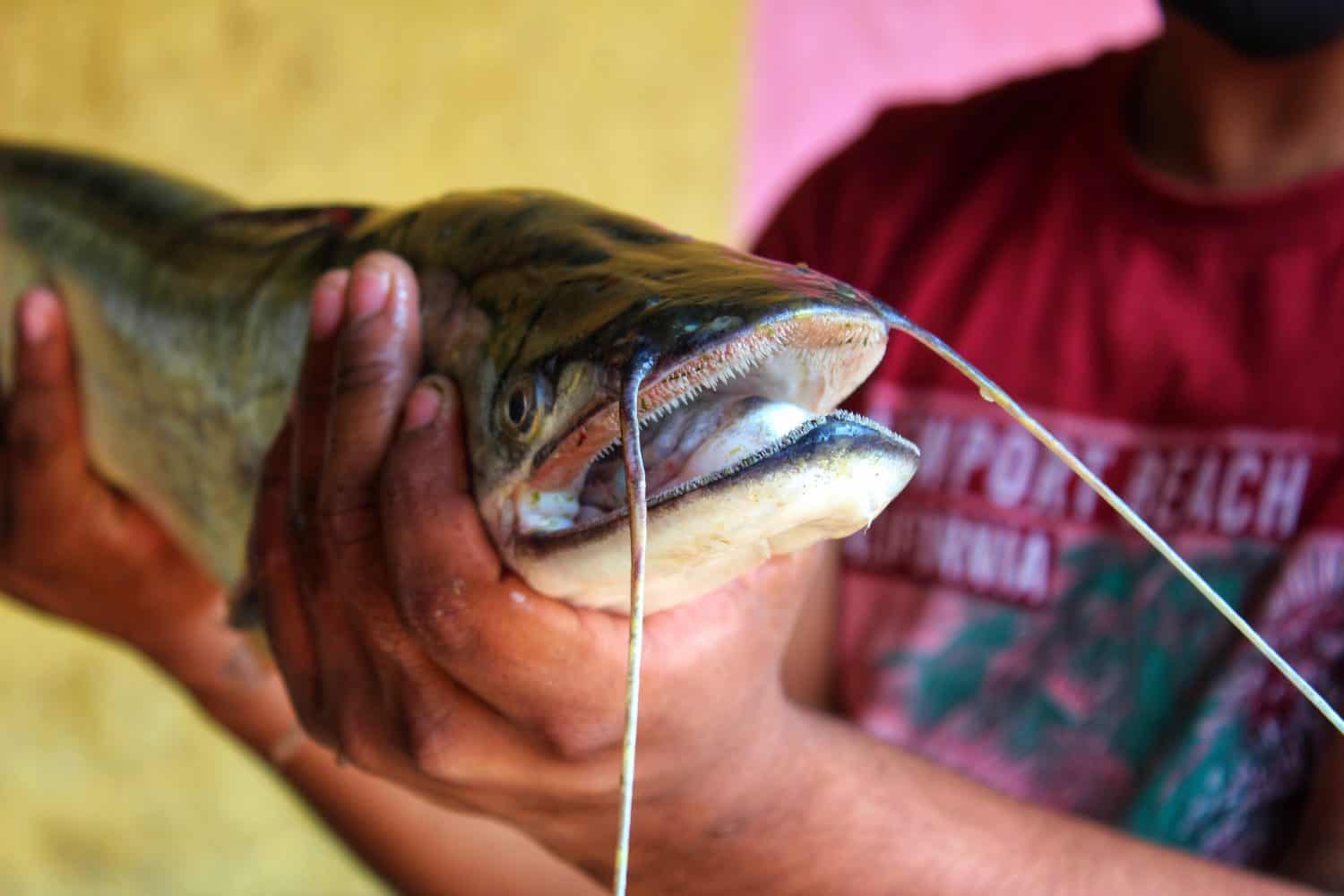
Candiru prey on larger catfish species found in the Amazon.
©Biswaphotography93/Shutterstock.com
Instead, these five-centimeter-long fish repeatedly swim in circles, waiting for the scent of ammonia to waft by. This comes from the urea of other, larger fish, primarily bigger catfish. Once a candiru locks onto the scent, it follows these signals to locate a potential host. For the unsuspecting victim, the candiru is an unpleasant surprise.
A Blood Meal
As the candiru swims up to its future host, it targets the fish’s gills. Large catfish have soft, fleshy gill flaps that provide the perfect opening for a candiru. When it’s time to feed, the candiru uses its sharp, needle-like teeth to penetrate the skin of its host. Backward-facing spines on its head anchor it to the fish, preventing it from being swept away or shaken off.
Once the candiru is firmly adhered inside the fish’s gills, little can be done to remove it. As the candiru begins to feed, its translucent body fills with the blood of its host. Underwater, this is a dramatic sight and an act that earned it a reputation for being the Amazon’s ruthless blood-sucking fish.
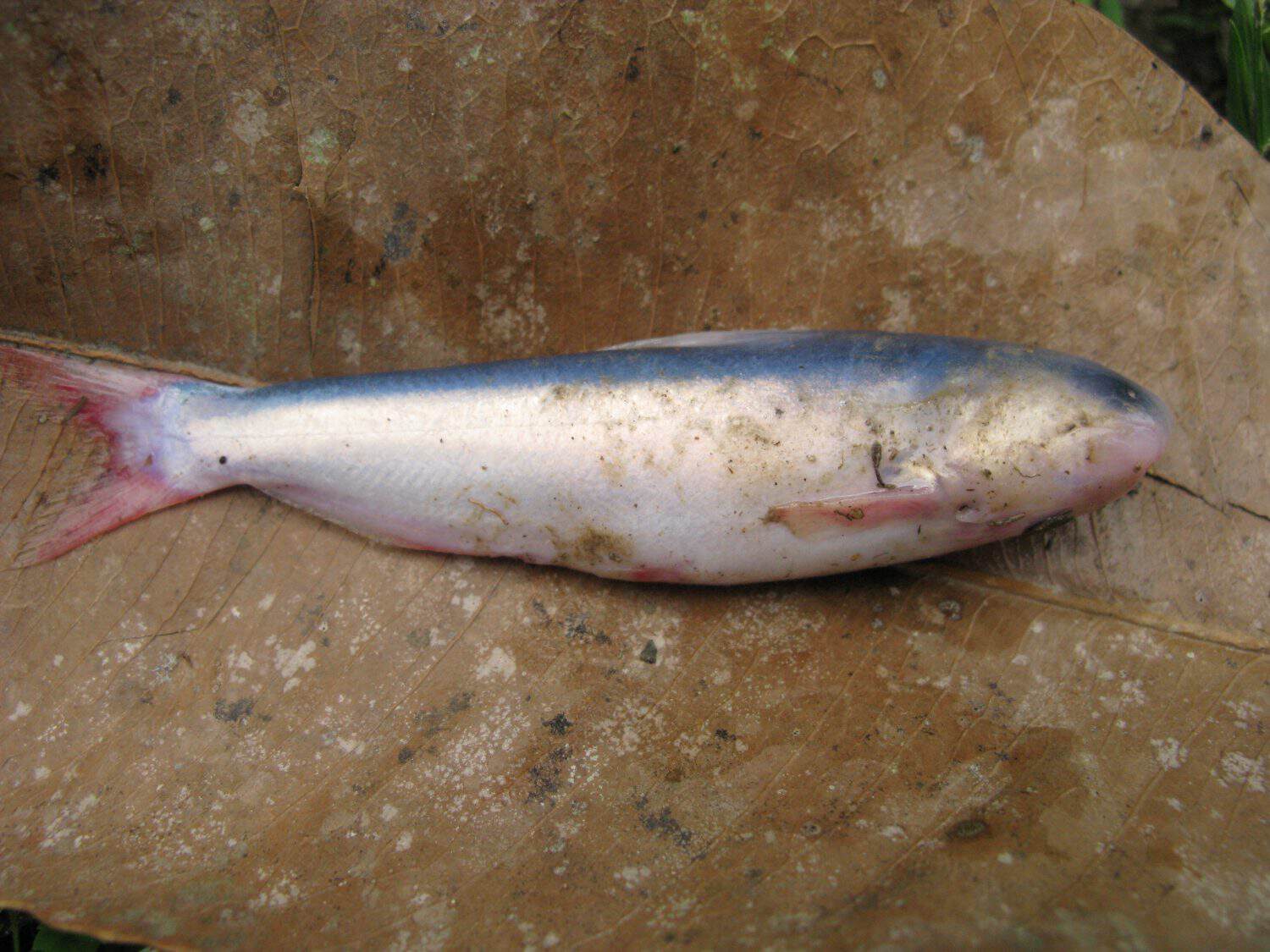
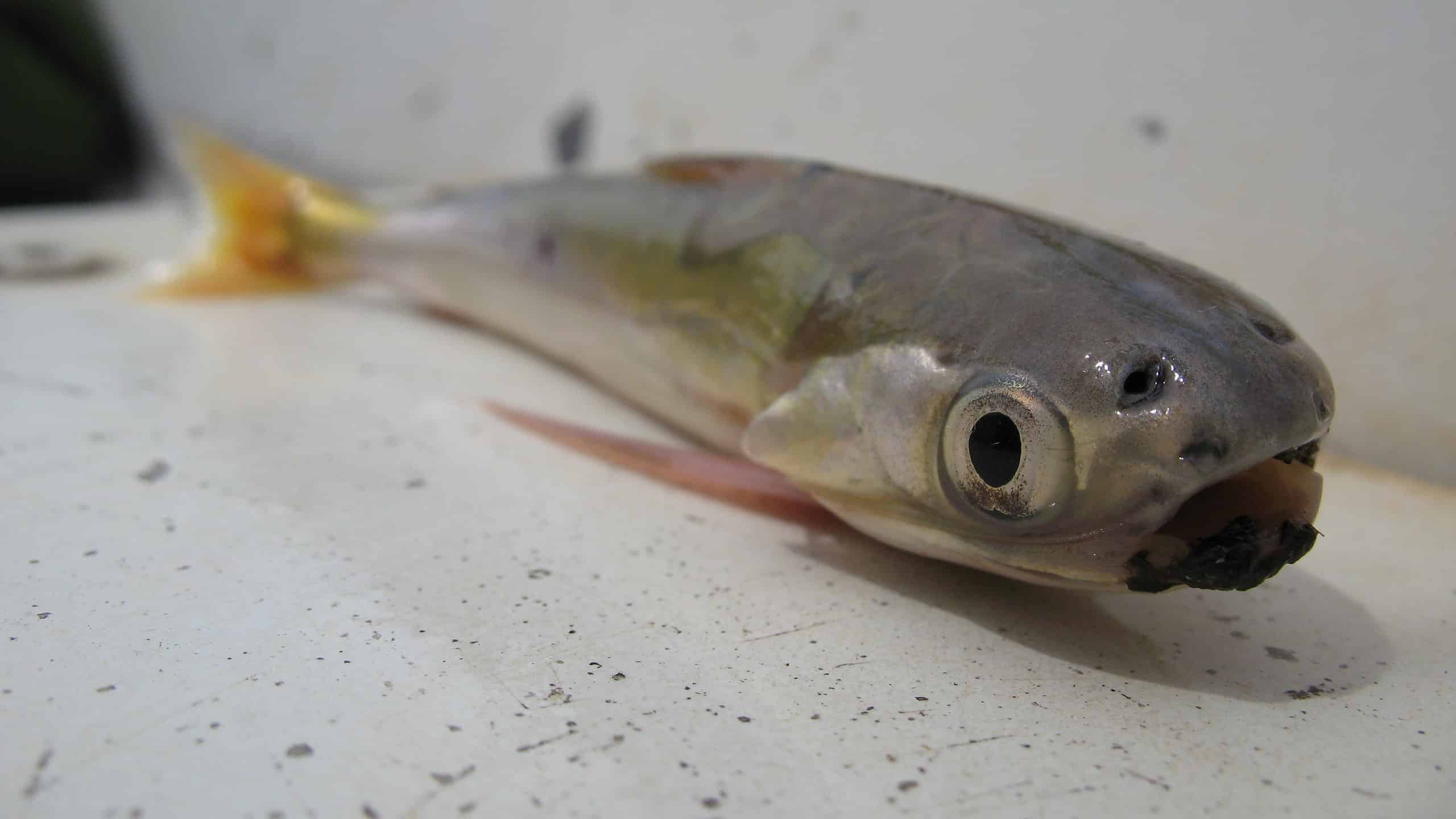
Although candirus are small, they’re not small enough to fit into any human orifice.
©guentermanaus/Shutterstock.com
When the candiru has successfully gotten all the nutrients and iron it needs to sustain itself, it releases its hold on the host. The whole process typically lasts less than two minutes but is uncomfortable and possibly even painful for the victim. Fortunately, most fish heal quickly following an encounter with a merciless candiru.