
Quick Take
- Symbiotic relationships can be mutual, one-sided, or parasitic.
- In rare occurrences, tarantulas and frogs can form symbiotic relationships.
- Whether it is a mutual or one-sided relationship is determined by how much the tarantula benefits.
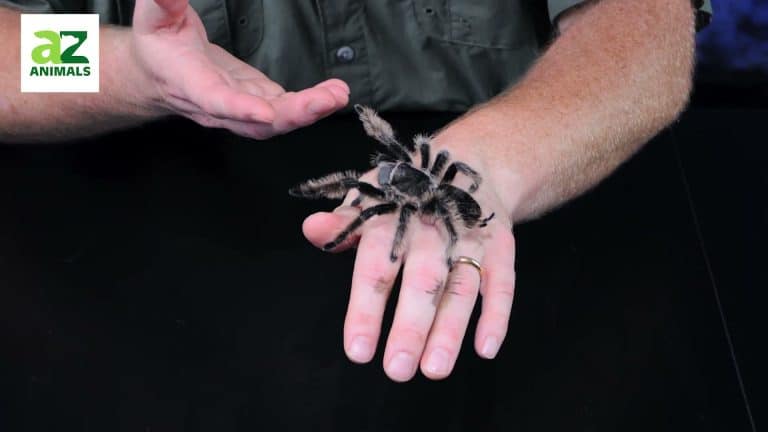
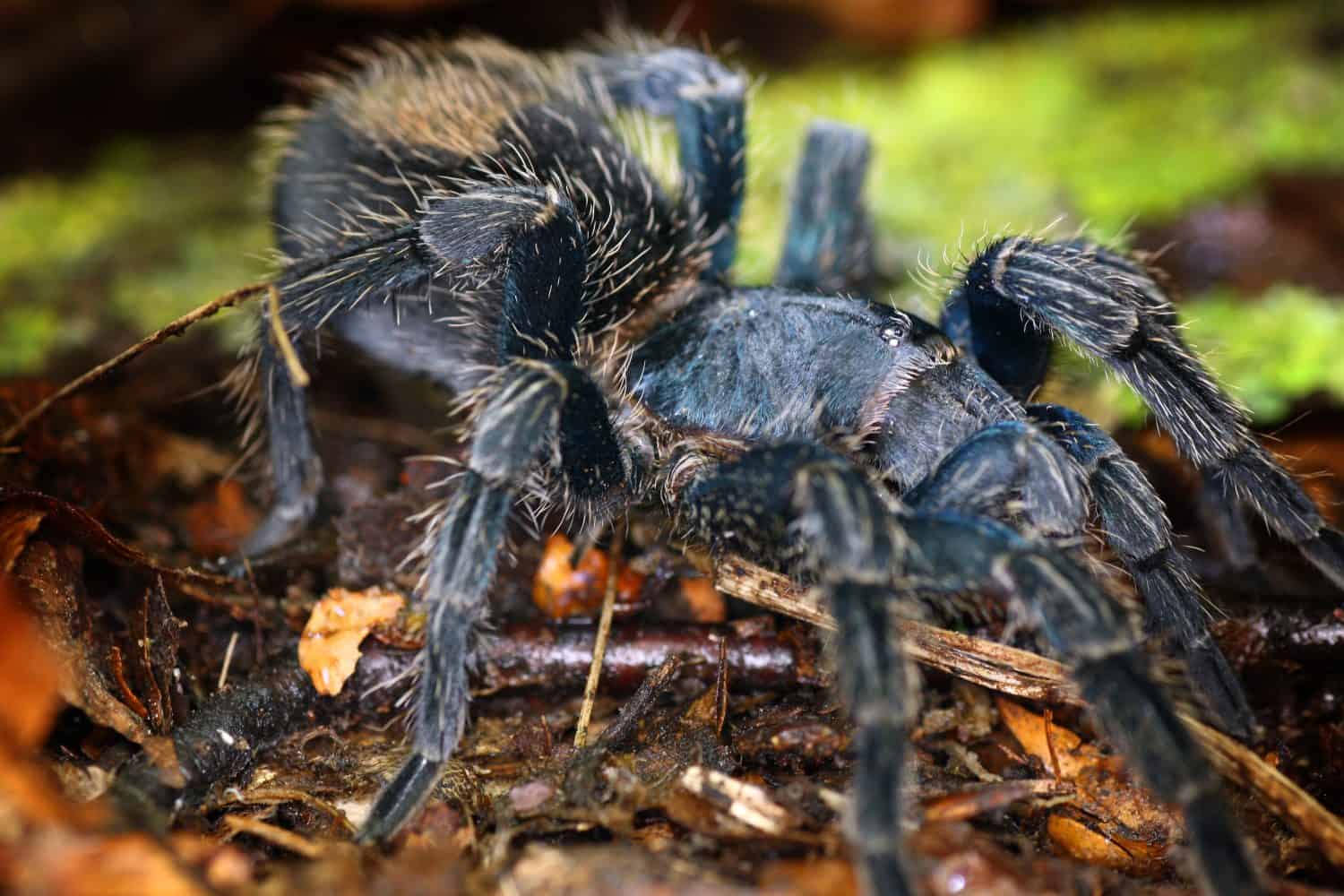
Symbiosis is the long-term relationship between two different species that can sometimes be beneficial to both parties. These relationships are extremely important in nature and highlight the strengths and weaknesses of different species. Perhaps most interestingly, these bonds can form between two extremely different species. One rare example can be seen in this YouTube Short by @naturelenses, which shows a tarantula and a frog working together for their mutual well-being. Read here to learn more about this strange relationship.
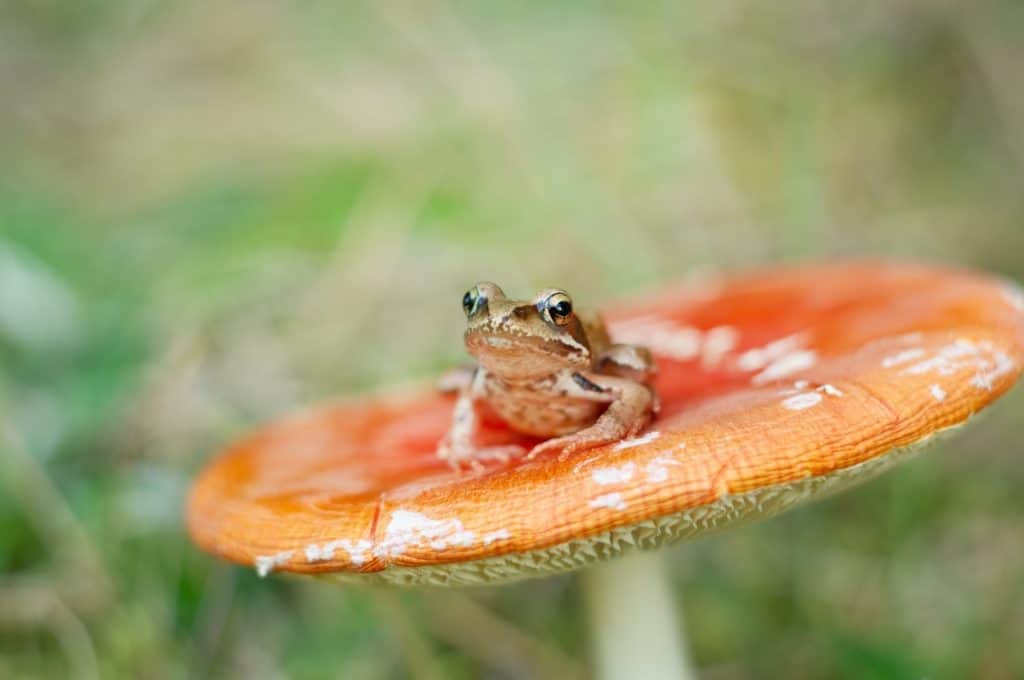
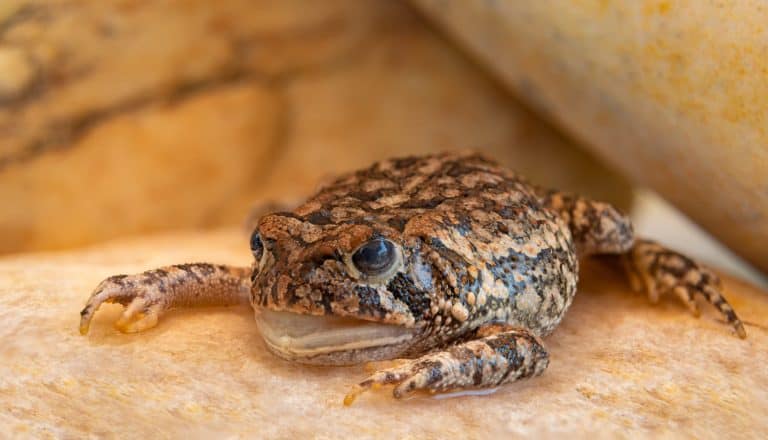
Tarantulas seemingly adopt the frogs, differentiating them from prey to ally.
©Nemeziya/Shutterstock.com
An Unlikely Duo
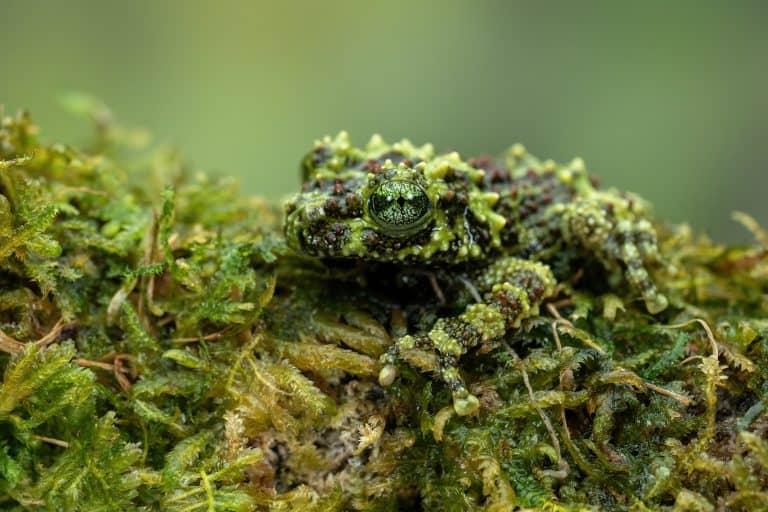
A frog and a tarantula are one of the strangest-sounding pairs in nature. For one, tiny frogs are often eaten by tarantulas, so why might they work together? This is an example of a symbiotic relationship, which is defined by close interactions between two different species that live together over a long period of time. There are three primary types: mutualism, commensalism, and parasitism. Mutualism is where both species benefit, commensalism is when one party benefits and the other is has no benefit, and parasitism is when one benefits while the other has some sort of negative effect. In the case of a frog and tarantula partnership, it is often an example of mutualism or commensalism. The best example of this specific frog/tarantula pairing is the dotted humming frogs and large tarantulas.
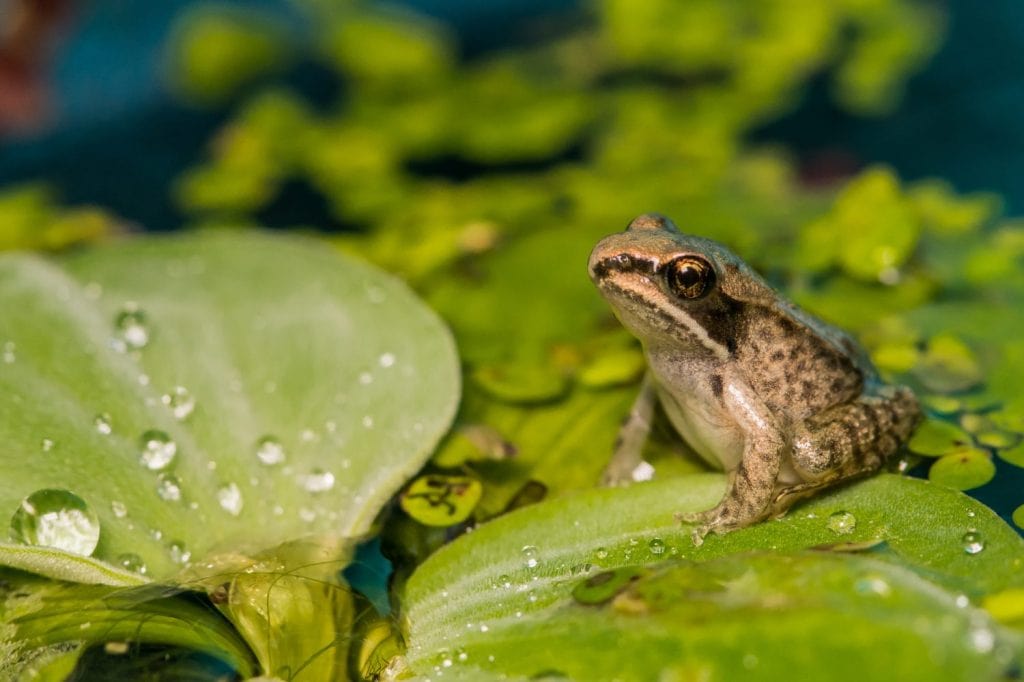
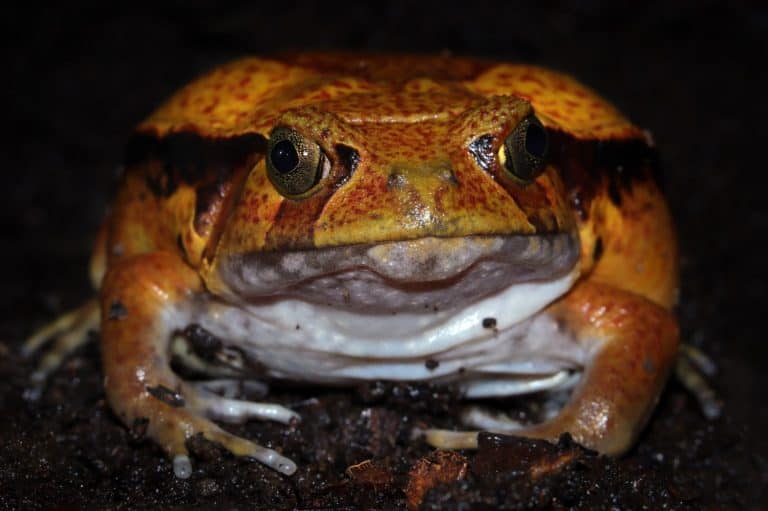
Frogs eat insects that live in tarantula burrows, protecting the spider’s eggs.
©Jay Ondreicka/Shutterstock.com
How Frogs Benefit
Frogs benefit from having a tarantula around in a number of different ways. As explained in the video above, the large and intimidating stature of a tarantula drives away predators. For this reason, frogs sometimes take up residence in tarantula burrows, using the spiders as bodyguards of sorts. This safe home is ideal for frogs and offers protection from the elements as well. Aside from protection, the frog benefits from a stable food source in the form of small insects and pests that are attracted to the tarantula’s burrow.
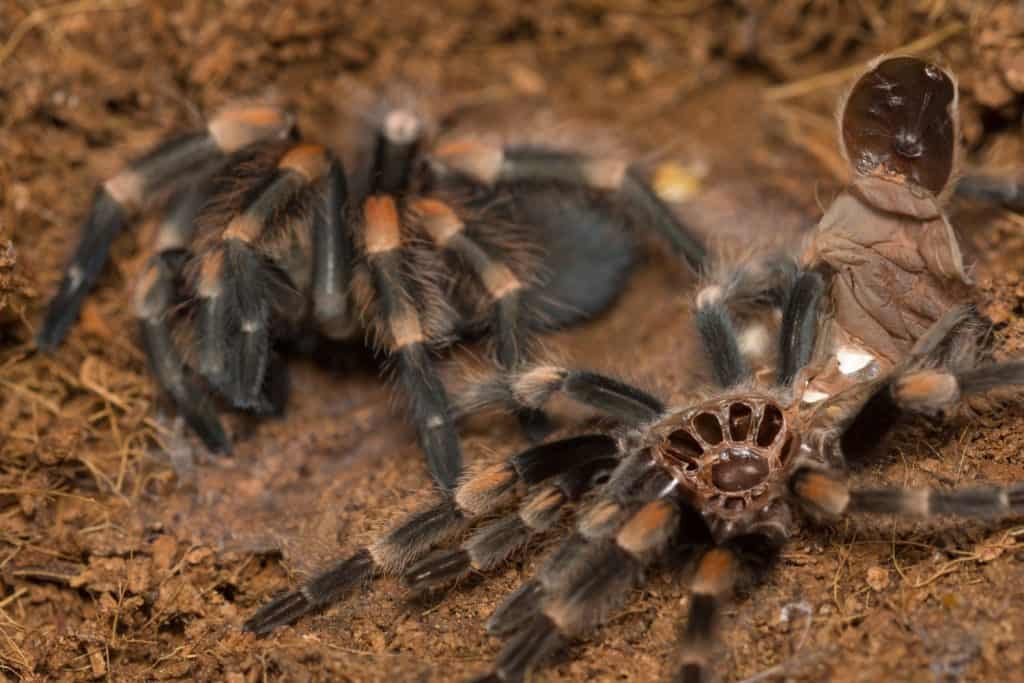
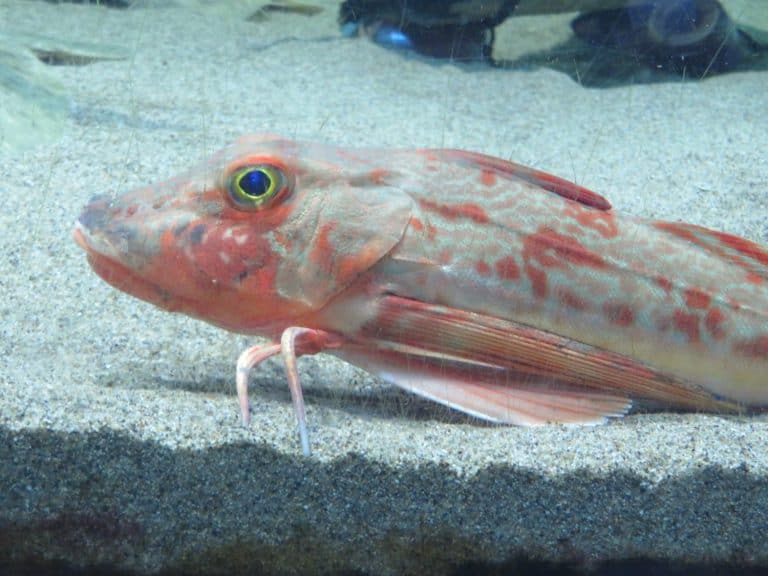
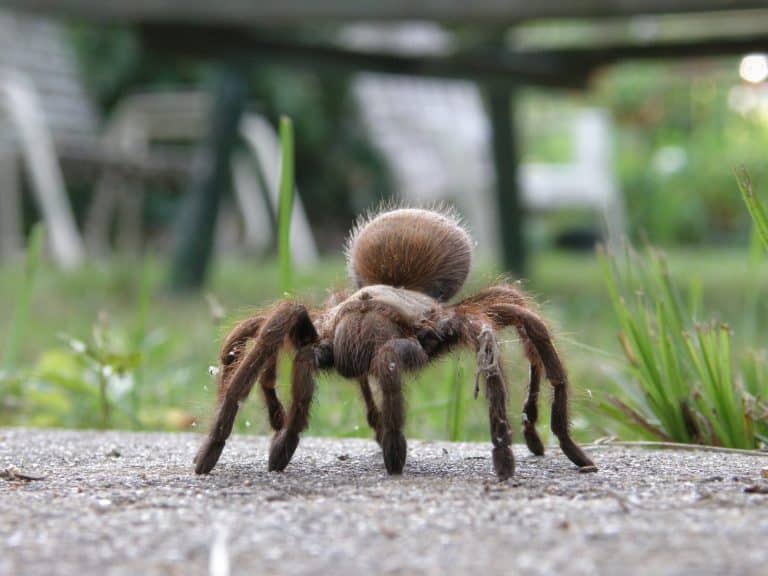
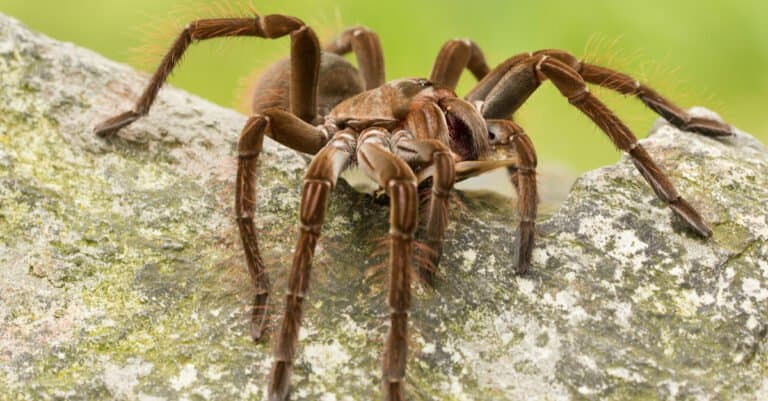
Since tarantulas eat frogs extremely quickly, this mutual relationship is extremely rare to see.
©Cornel Constantin/Shutterstock.com
How Tarantulas Benefit
Tarantulas typically benefit less than frogs, which places the relationship on the verge between mutualism and commensalism. However, frogs can help tarantulas in a few ways. The first is pest control. While frogs may eat remnants leftover from their spider companions, they also consume any other live insects in the burrows. This can keep the burrow clean and prevent the tarantula’s eggs from being destroyed or eaten. So, while the frog enjoys a free meal or two, it inadvertently keeps the tarantula’s future offspring safe.
The bond between these two drastically different species is rare and extremely fascinating. While many tarantula species are capable of preying on frogs, some, such as those that cohabit with microhylid frogs, have evolved to tolerate and even benefit from their presence, making this relationship a remarkable pairing in nature.