
Quick Take
- A global poll of 21,000 people across 100+ countries exposed a hidden bias that's quietly deciding which species survive and which go extinct. See the poll findings →
- One California butterfly has been endangered since 1976, yet most people have never heard of it. Its obscurity may be the very reason it's still at risk. Meet the San Bruno Elfin →
- Beauty bias shapes conservation more than most scientists admit, and the species paying the highest price are the ones that blend into their surroundings by design. See the camouflaged casualties →
They say beauty is in the eye of the beholder. And in a similar way, so is butterfly conservation. A new study published in Current Biology reveals a startling fact about pollinators. The more aesthetically pleasing the butterfly, the more likely it is to get support.
This beauty bias underscores gaps in butterfly conservation that skew research, giving better-looking species the upper hand. Sadly, this leaves many species vulnerable for no other reason than their appearance.
Colorful and More Patterned Species Take Precedence
When the general public was asked to look at photos of butterflies and rate their beauty, they delivered. Unfortunately, the results of this experiment favored larger, more colorful, heavily patterned, and even rare species.
Researchers began by polling more than 21,000 people across more than 100 countries. Despite the extraordinary scope of this data, the results were surprisingly similar. European butterflies were rated on a scale of 1 to 10, with 10 indicating the most beauty an insect can have. Of the 492 butterfly species shown, the results favored butterflies more likely to catch visual attention.
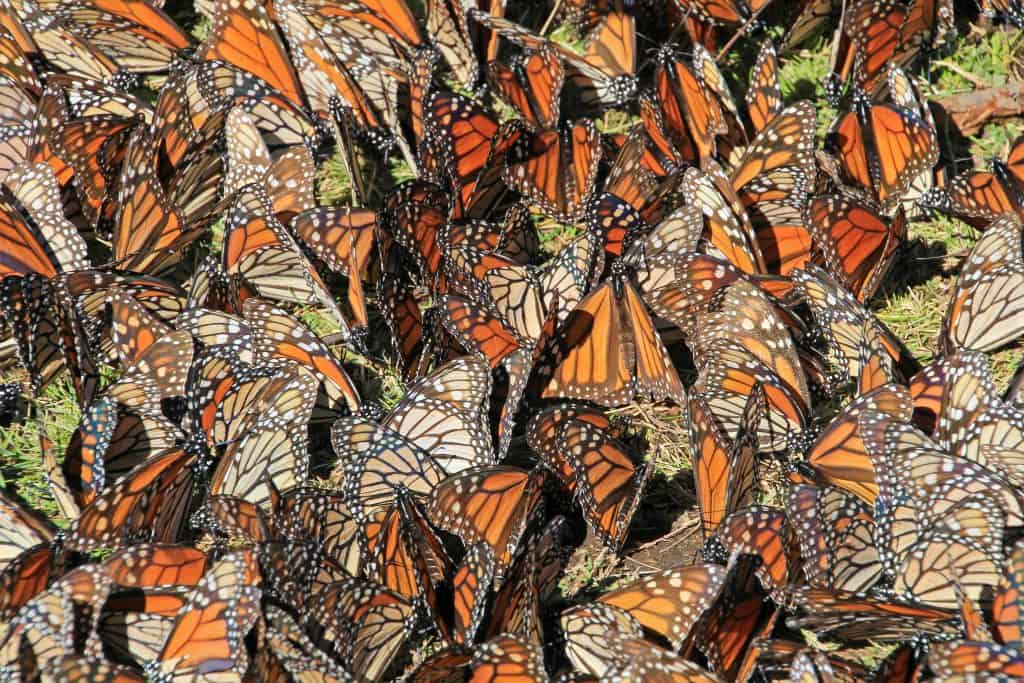
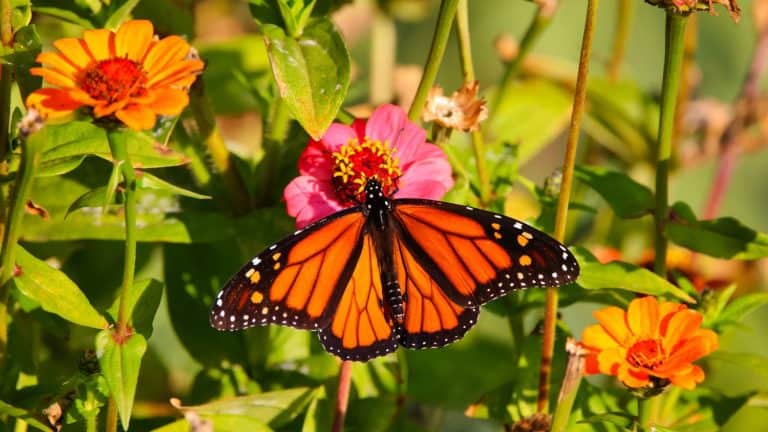
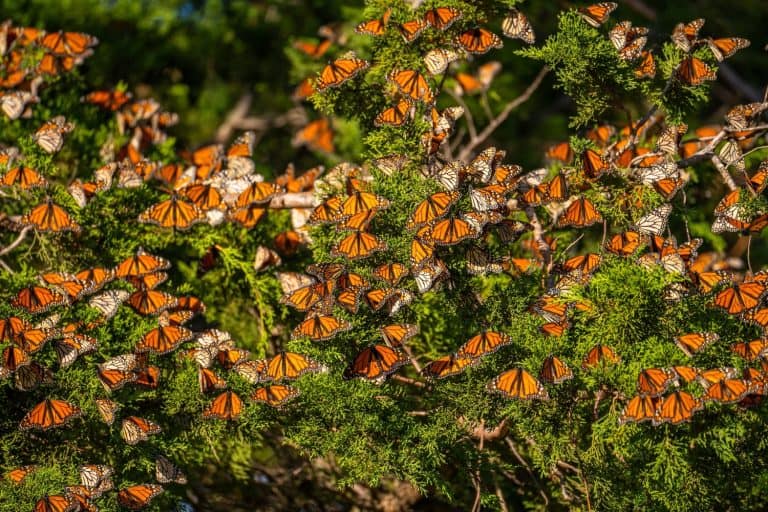
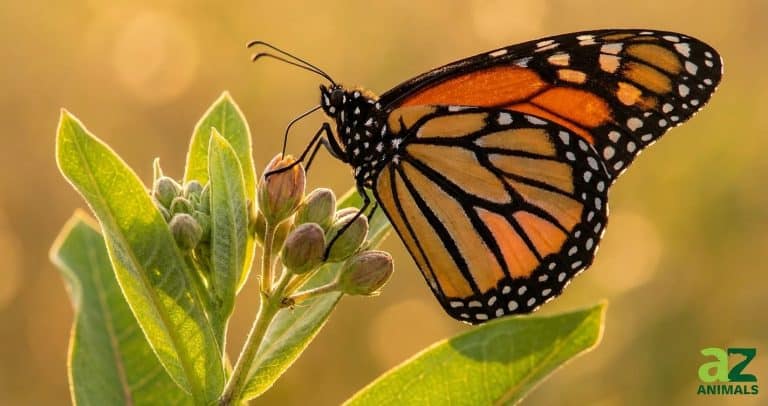
Monarchs have gotten more attention in recent years due to their recognizable color and pattern.
©reisegraf.ch/Shutterstock.com
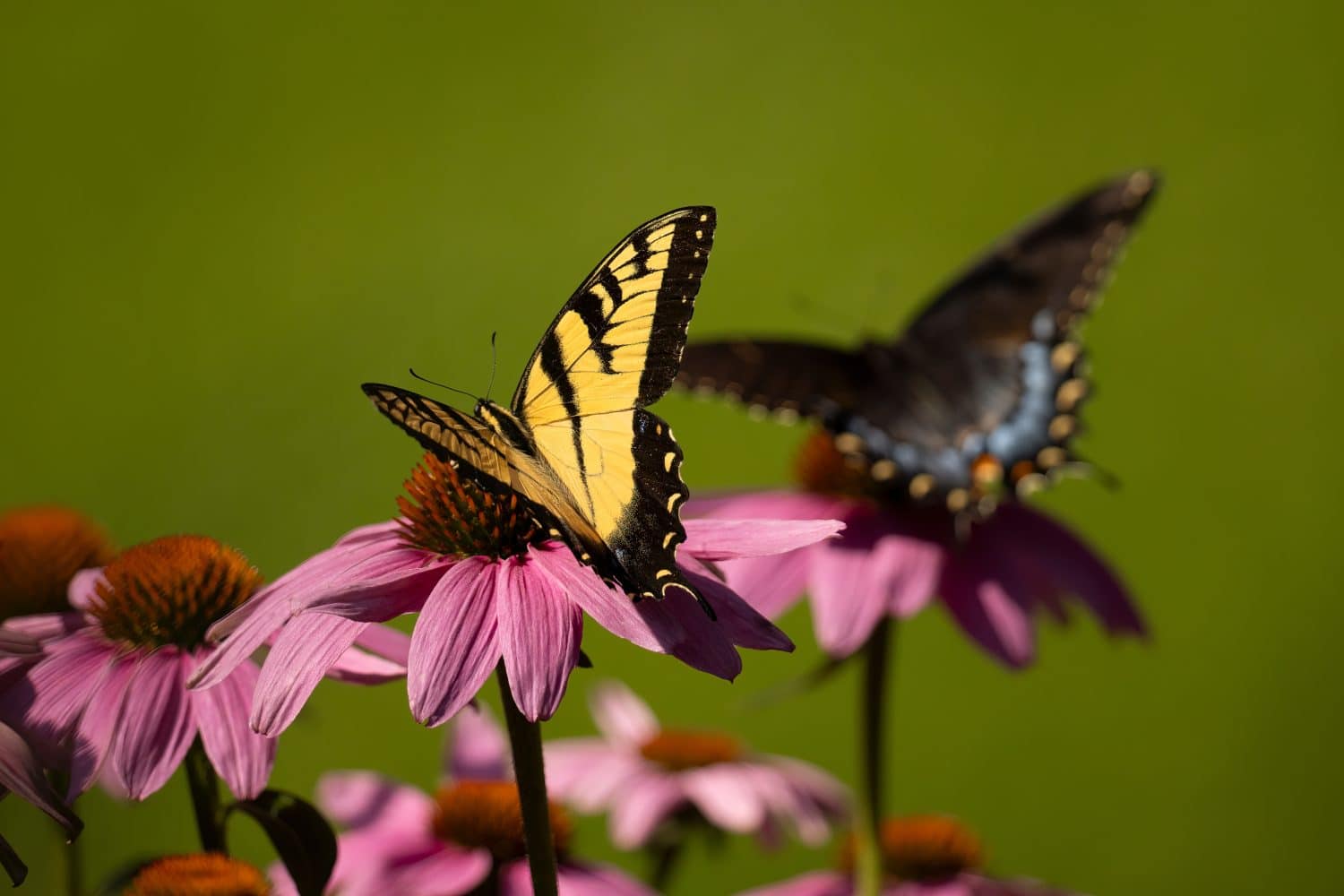
Many high-ranking butterflies were yellow and/or blue, with the yellow swallowtail consistently receiving high ratings. Regarding size, butterflies with more pronounced, elongated wings typically won out over those with shorter, smaller wingspans. Higher-contrast coloring, distinctive patterns, and divergent colors also received higher scores than more muted or duller ones, such as those belonging to the alpine grayling (Oeneis bore).
Science Shows ‘Less Aesthetic’ Species Need More Help
According to the IUCN Red List, recent species in need of conservation help are less aesthetically pleasing butterflies. This includes the alpine grayling, which is affected by habitat degradation and climate change. The conservation status of the species varies by location and has not been conclusively established across its range. Without immediate help, it risks extinction.
Also known as the Arctic grayling, this species relies on cold, alpine habitats. Its coloring directly reflects its environment, allowing it to blend in with harsh, barren woodlands. Despite the fascinating life of this butterfly, it doesn’t receive enough attention due to its seemingly colorless appearance.
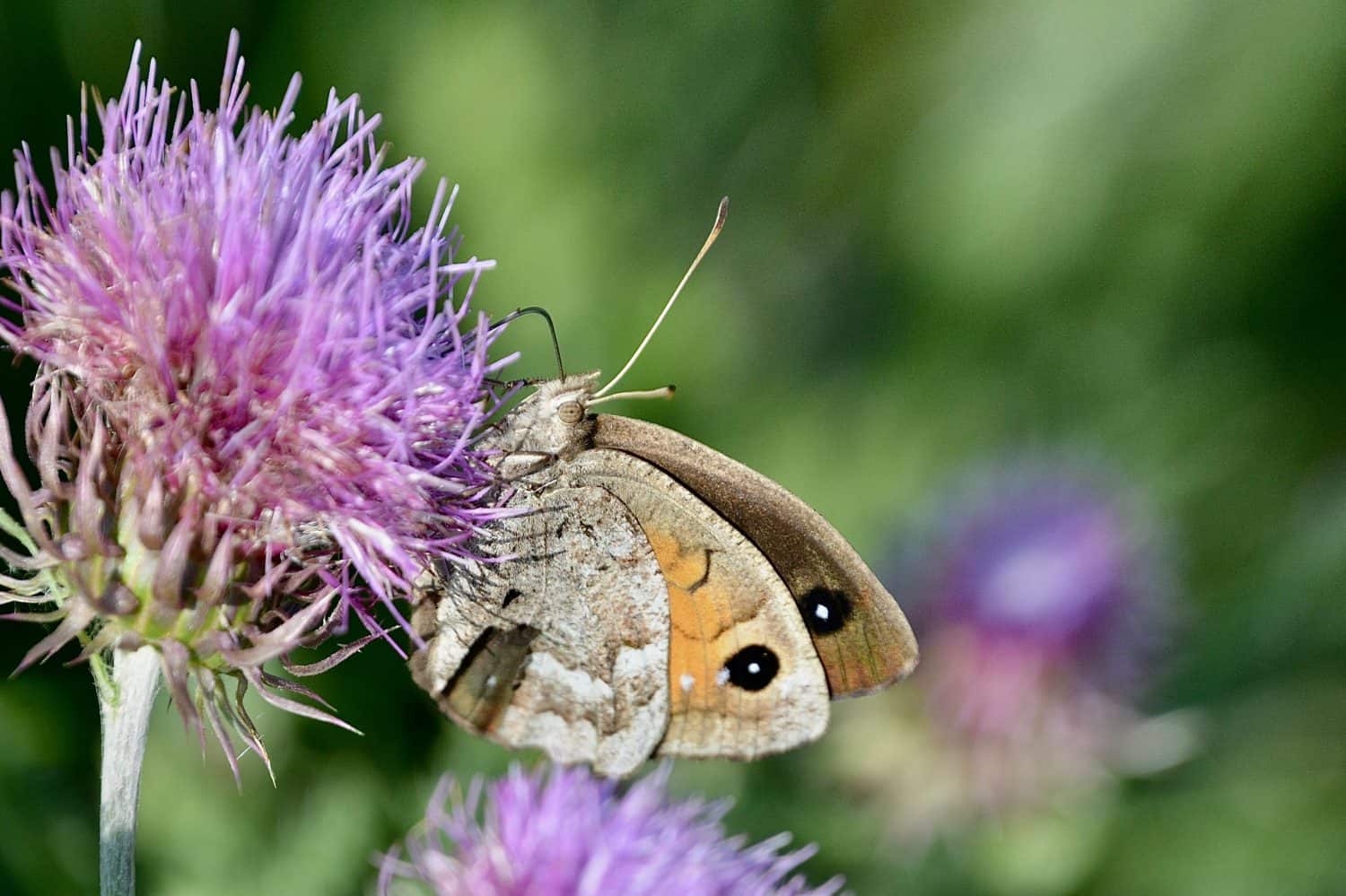
Grayling butterflies are sometimes mistaken for moths because of their muted colors.
©F.Demonsant/Shutterstock.com
Alternatively, the monarch is currently listed as Vulnerable on the IUCN Red List, a status revised down from its initial 2022 classification of Endangered following a data review. Despite its status being less severe than that of the alpine grayling, it still receives more attention. Researchers behind the study believe this could be due to beauty bias, with more people drawn to the species’ colorful orange coloration and size.
Small, Brown Butterflies Get the Least Amount of Attention
The poll results showed that most people value beauty in pollinators, but they also raised warning bells. Many of the lower-ranked butterflies had brown coloration. These species typically belong to alpine regions, where their muted colors allow them to blend in with Arctic environments. One of these is the Zullich’s blue (Agriades zullichi), which is exclusively found in Spain’s Sierra Nevada.
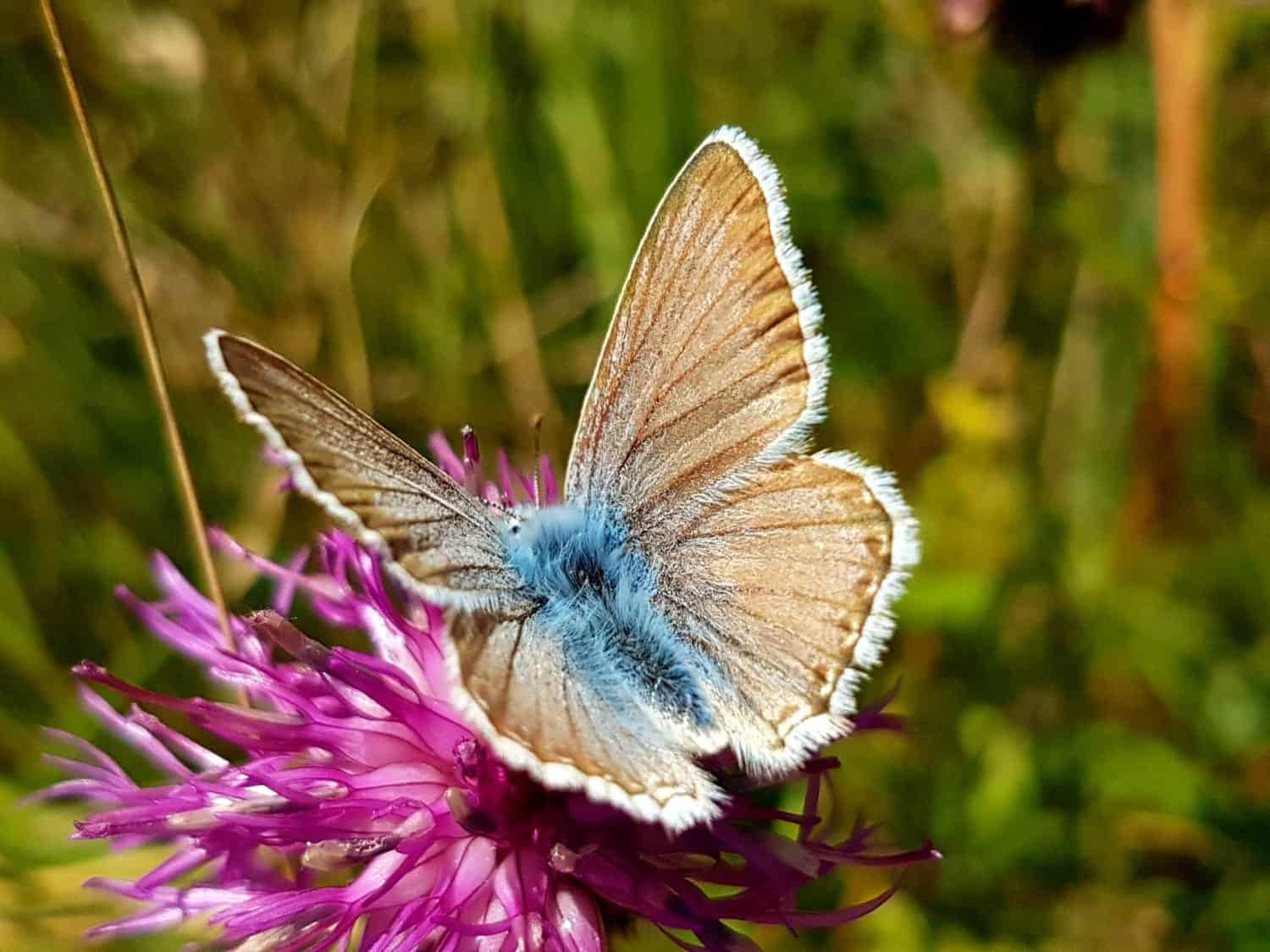
Butterflies native to alpine regions don’t get as much attention, but their coloring directly reflects their surroundings.
©SiKi Photography/Shutterstock.com
It’s listed as Endangered on the IUCN Red List due to its limited range and highly specific habitat. Climate change is its biggest threat, as alpine regions see rising temperatures. And while Zullich’s blue is only one butterfly, it represents countless others that face similar fates due to their location.
Zullich’s blue is also heavily dependent on the primary food source, Androsace vitaliana, which grows only in this region. As the plant succumbs to climate change, so too do the species that need it to survive. Nonprofits such as Butterfly Conservation Europe draw attention to species like this, but not to the same extent as the Monarch or the Karner blue, which has vibrant blue wings.
The San Bruno Elfin Has Been Endangered Since 1976
Most people hiking along the San Francisco Peninsula wouldn’t even notice the San Bruno Elfin (Callophrys mossii bayensis). Its deep brown coloring is beautiful in itself, reaching a rich chocolate color by the time it reaches adulthood. But given its ability to camouflage and its small size, it often goes unnoticed by passersby.
This small species also joins the mission blue and the Callippe silverspot, as all three struggle to survive in their habitats. The San Bruno Elfin and the mission blue have been endangered since 1976, while the Callippe silverspot was listed as endangered decades later, in 1997. None are particularly bold in their colors or patterns, although the mission Bblue can boast vibrant hues depending on the season.
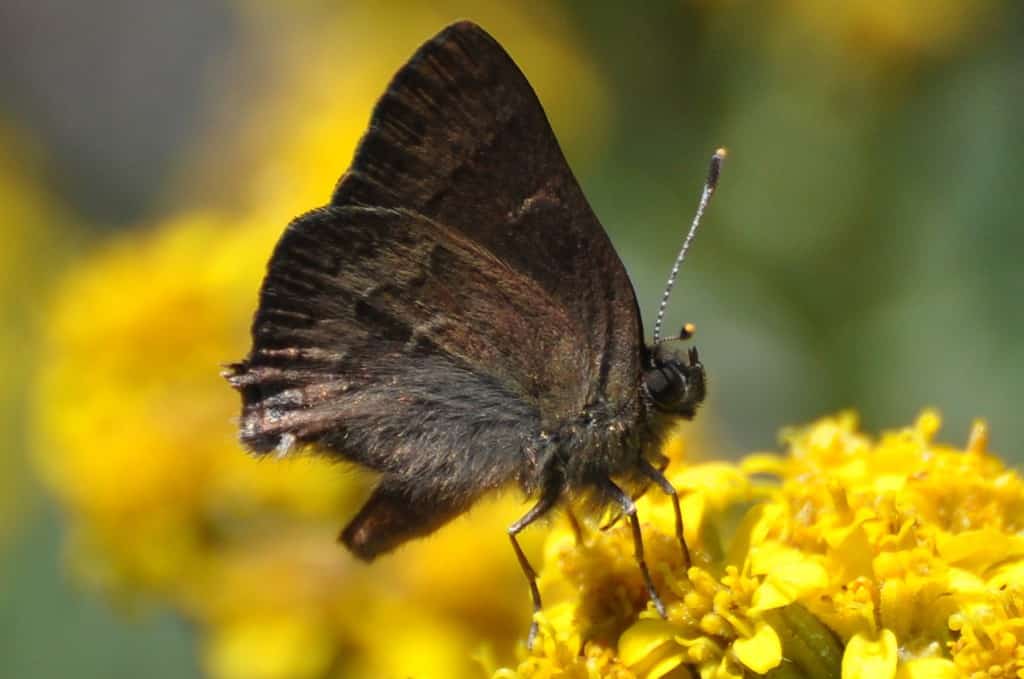
San Bruno Elfin Butterfly is an endangered species found in the San Francisco Bay Area.
Their endangered status has remained the same for years, with little to no recognition of these tiny butterflies that pollinate the San Bruno Mountain range. The San Bruno Mountain Watch has drawn significant attention to the plight of its butterflies, but as more habitats fail along its coastal range, its butterflies aren’t the only ones suffering.
While butterflies such as the Sacramento Mountains checkerspot finally received protection after 24 years, other species are in dire need of the same treatment. Were it not for its federal recognition, the checkerspot would likely be extinct in 2026. Beauty bias has a heavier hand in conservation than most realize, and it’s up to us to see beneath a species’ appearance.