
The race to document and describe the marine invertebrate population is on! Our oceans contain a remarkable biodiversity, yet an estimated 90 percent of marine species have not been formally named. Furthermore, many other marine species have not been accurately described. As ocean ecosystems come under threat from climate change and other human-induced changes, there is an urgent need to document this biodiversity. Only then can we accurately assess the status and well-being of these species. To this end, a recent initiative called the Senckenberg Ocean Species Alliance (SOSA) has led to the discovery of a new marine species. It is a mollusk in the Veleropilina genus. Read on to find out why this particular species is so significant.
Naming the New Species
The holotype is the individual specimen that was used when the species was formally described. Once researchers were satisfied that this mollusk was indeed a new species, they named it Veleropilina gretchenae after Dr Gretchen Van Meer Sigwart. She is a civil engineer and professor, and her name was used in recognition of her pioneering accomplishments and advocacy for equality, as well as her support for women in science, LGBTQ rights, and people with disabilities.
Genome Sequencing From the Holotype

Veleropilina gretchenae is one of the first members of its class to have a high-quality genome published directly from its holotype.
©gopixa/Shutterstock.com
The holotype for this species was not only physically examined, but its genome was also compared with those of other mollusks in the same genus using COI gene sequencing. This is a molecular identification tool used to compare species. Veleropilina gretchenae is therefore one of the first members of the class Monoplacophora to have a high-quality genome published directly from its holotype specimen.
Senckenberg Ocean Species Alliance (SOSA)
The Senckenberg Ocean Species Alliance (SOSA) is a project within the Senckenberg Research Institute and Natural History Museum Frankfurt. It brings together a network of organizations and individuals from around the world. Launched in 2022, their mission is to revolutionize the naming of marine invertebrates by streamlining species description processes. They aim to tackle the bottleneck in new species identification caused by the often decades-long delay between a species being discovered and it being officially documented. Their most recently published research collection describes 14 new species and two new genera.
How Was the Species Found?
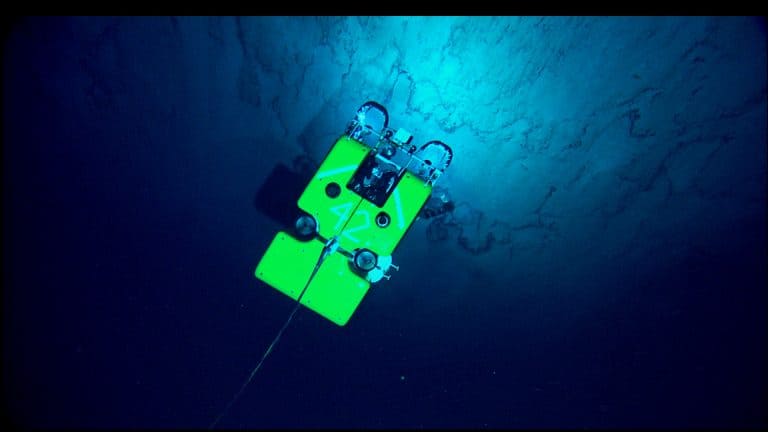
The holotype was discovered in the Aleutian Trench in the Northeast Pacific Ocean, south of Unalaska Island, at a depth of 21210 feet (6,465 meters). It was collected during a sampling project carried out by AleutBio (Aleutian Trench Biodiversity Studies) expedition SO293. This was conducted from 24th July to 6th September 2022. The particular specimen was captured using a
10 mm cod end mesh. The contents of the net were sieved using a 1 mm mesh and then preserved in 96% ethanol. Initial photographs of the intact specimen were taken on board before tissue samples were collected for genome sequencing. Only the holotype specimen was collected in this sample.