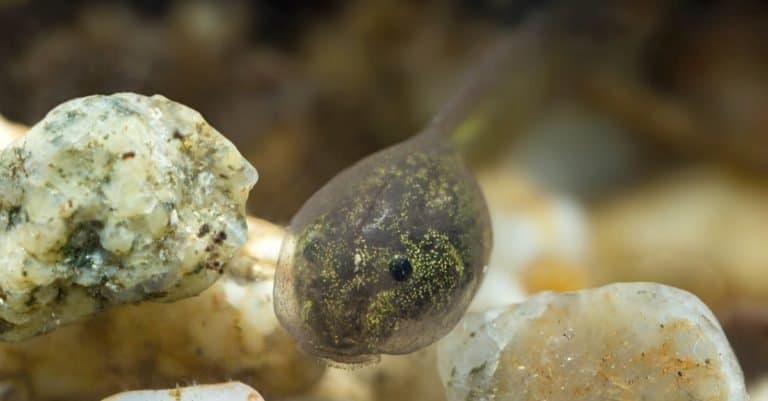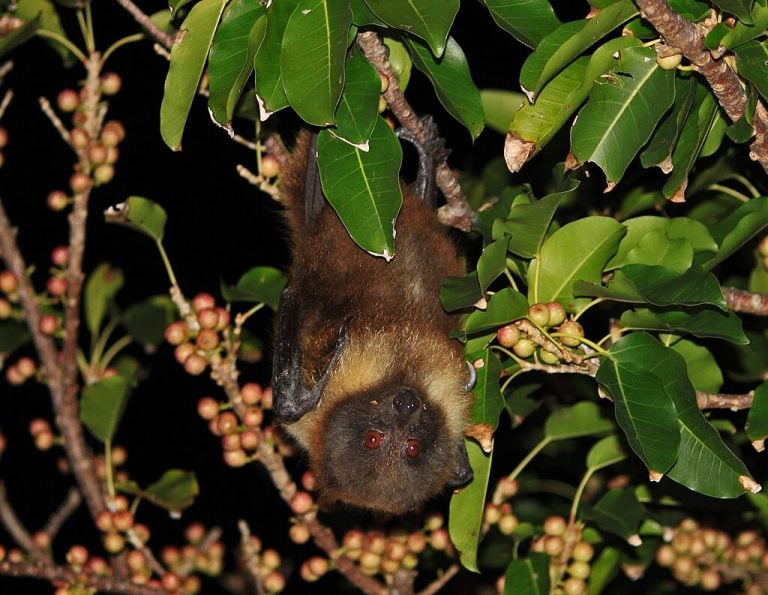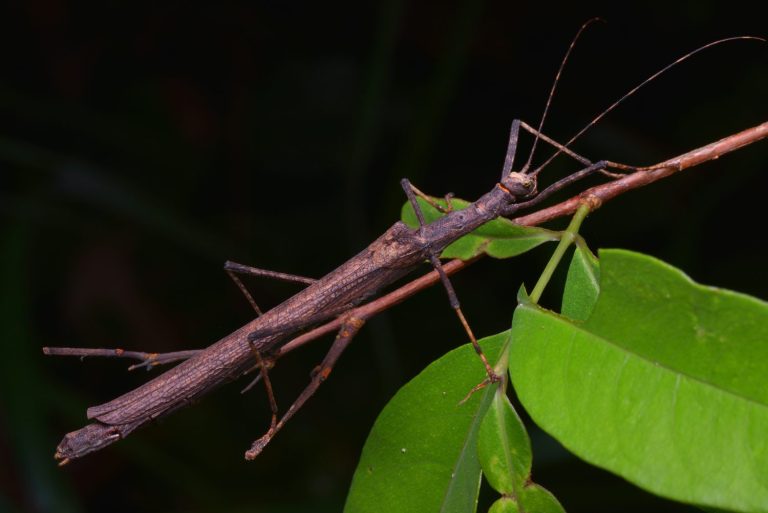

In a stream in a Chinese forest, a new species of frog is completely unaware of the excitement it has caused in the scientific community. It was discovered by a team of researchers hiking in the Yunnan province in 2025. Here we share more about this interesting discovery and the impressive biodiversity of Southeast Asia.
New Frog Species
After discovering some unfamiliar-looking frogs in a stream, the researchers also found similar animals in Phu Tho province, Vietnam. They carried out extensive phylogenetic analyses examining both the appearance and genetic makeup of the frogs. This means they examined characteristics such as skin texture, eye color, body proportions, and DNA. These frogs had at least 3 percent genetic divergence from related species.
It was concluded that this was indeed a previously unrecorded species and named it Quasipaa phamanhi, or Pham Anh’s spiny frog. The frogs have been named after Pham Van Anh, an associate professor with Vietnam National University. The specimens examined so far are around 4 inches long, with robust bodies, diamond-shaped pupils, and bumps on their bellies. Male frogs also have a black spine on their bellies. Because all of the specimens so far have been found near the China-Vietnam border, further surveys are needed to establish their full range.
Biodiversity of Southeast Asia
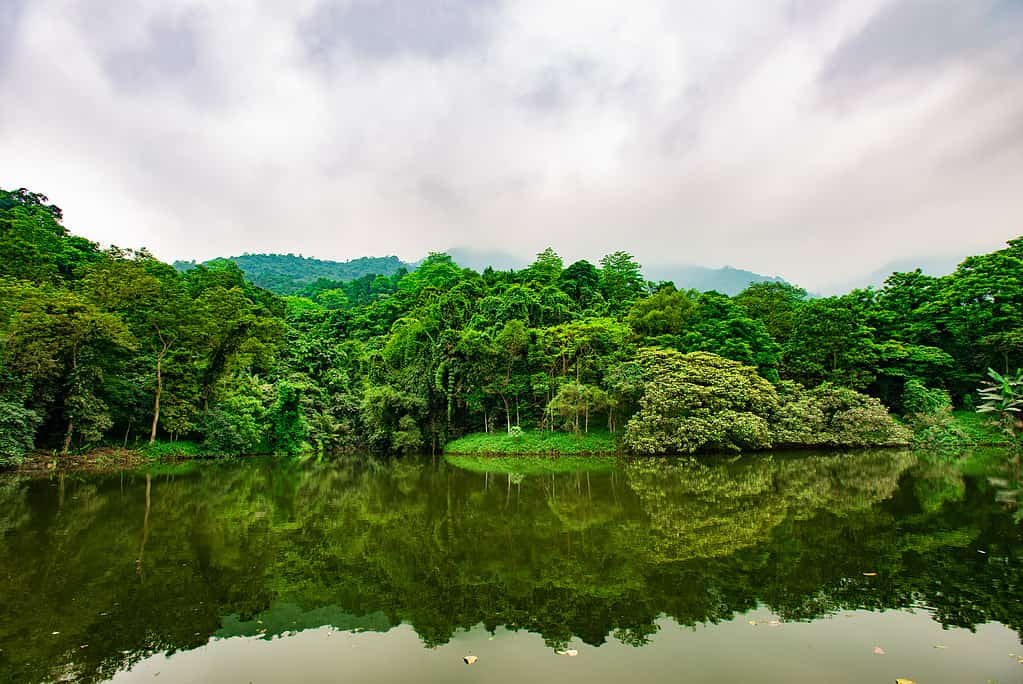
The Greater Mekong region contains diverse habitats.
©MinhHue/Shutterstock.com
The Greater Mekong region is considered a biodiversity hotspot. The region spans six countries: China, Myanmar, Lao PDR, Thailand, Cambodia, and Vietnam. Altogether, it covers 200 million acres—that’s the combined size of Texas and Arkansas.
The region also contains some of the most biologically diverse habitats in the world, which explains why so many new species are discovered there. In a press release in December 2024, the World Wildlife Fund revealed that the total number of vascular plants and vertebrate animals described in the Greater Mekong region since 1997 was 3,623. Sadly, the future of many of these species is already uncertain due to habitat loss.