
Quick Take
- One of Earth's largest spiders went by multiple scientific names for over a century, and the reason behind this exposes a surprisingly messy side of arachnology. Explore the naming chaos →
- Its size suggests it should be a ground-dweller, but where it actually lives contradicts almost every assumption you'd make. See its surprising habitat →
- Male and female look so different that telling them apart rivals the shock of seeing the spider itself. See the sexual dimorphism →
- Despite a leg span that competes with the world's biggest spiders, almost nothing is known about how this species actually lives. That gap in knowledge matters more than its size. Discover the knowledge gaps →
For decades, a spider from the rainforests of Southeast Asia has confounded both experts and enthusiasts. Its story spans mistaken identities, groundbreaking discoveries, and an imposing appearance that belies its elusive life.
A Name Wrapped in Confusion
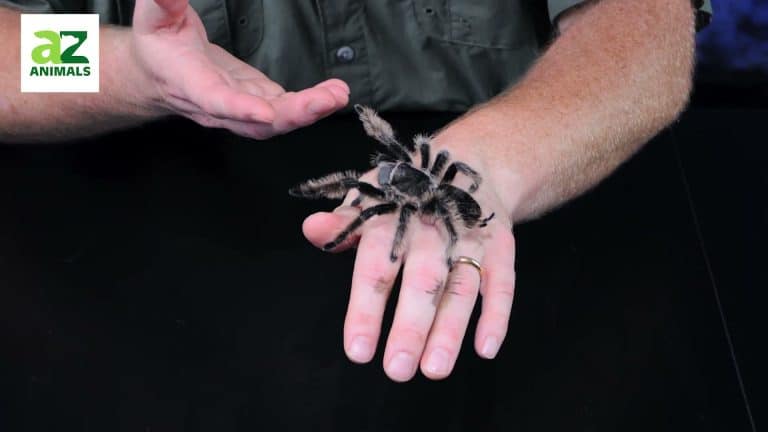
The Malaysian tiger tarantula wasn\\’t always known by its current name. First described in 1891 by Swedish arachnologist Tamerlan Thorell, it has gone by several scientific labels over the years. Two names, Cyriopagopus schioedtei and Cyriopagopus thorelli, were still in use until recent clarifications by researchers. Now, experts agree: all refer to the same striking species, officially named Omothymus schioedtei.
This species is native to the Malay Peninsula but ranges across much of Southeast Asia. Its allure isn\\’t limited to the wild. Spider enthusiasts worldwide seek it out, raising it far beyond its natural home.
Rivaling Giants in Rustling Leaves
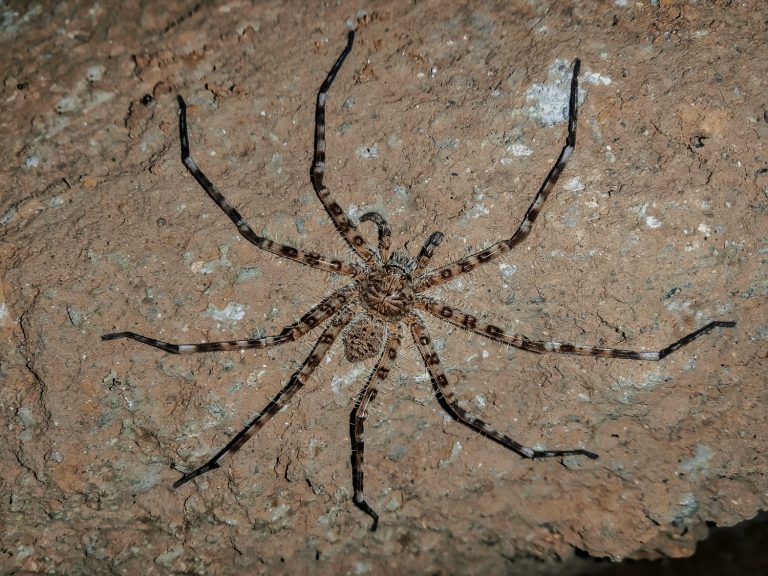
What sets Omothymus schioedtei apart isn\\’t just taxonomy. Its leg span can reach an impressive 22 centimeters, about 8.7 inches, while its body remains a comparatively modest 4 centimeters. It stands among the largest spiders on Earth, vying for attention alongside the legendary Goliath birdeater at 28 centimeters or the giant huntsman spider, whose outstretched legs sometimes top 30 centimeters.
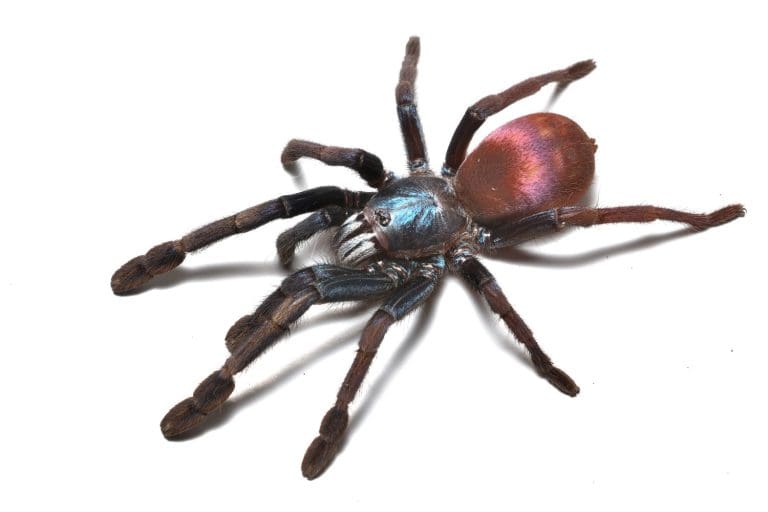
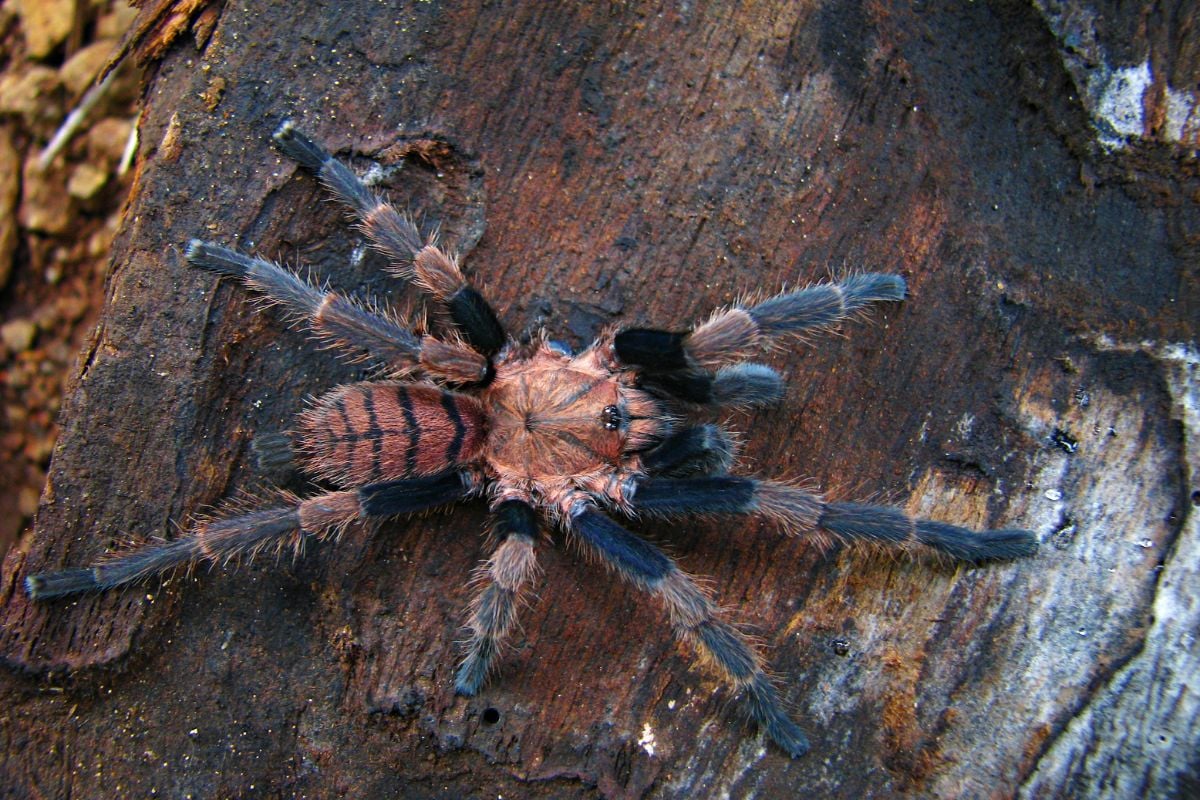
The nickname “earth tiger” comes from the spider\\’s bold, dark stripes. Males grow into light beige or olive-green hues as they mature, in stark contrast to the dramatically dark and stripy females. This sexual dimorphism makes telling the sexes apart almost as striking as the spider itself.
Life High in the Trees
While its size might conjure images of a ground-dweller, this tarantula spends its life in the rainforest canopy. Omothymus schioedtei is arboreal, darting through the trees of humid tropical forests with unexpected speed and a reputation for defensive instincts.
The young gravitate toward the safety of loose bark, while adults prefer old, mature trees. Sometimes, these spiders even take shelter on human-made structures such as bridges, blurring the line between jungle and civilization.
Secrets Still Unfolding
Despite its formidable size, the Malaysian tiger tarantula remains surprisingly mysterious. Much about its true ecology, daily habits, and defensive strategies waits to be uncovered. Every sighting raises new questions, how does its life among the trees shape its evolution? What hidden behaviors could transform our understanding of these rainforest giants?
For now, the world\\’s gaze lingers, drawn by a spider whose secrets may reshape what we think we know, not just about size, but about the wild complexity woven through every branch of its leafy home.