
Quick Take
- Beaching is usually a death sentence for marine animals, so it raises the question of why orcas deliberately do it on purpose. See why orcas beach themselves →
- Orcas go completely silent right before a hunt, and the reason why is more calculated than you would expect. Discover their silent strategy →
- Young orcas learn how to beach themselves long before they ever attempt a real hunt, a training method that reveals just how socially complex these animals are. See how juveniles are trained →
- Getting it even slightly wrong means a slow, agonizing death. Here's exactly what orcas do to keep that from happening. Explore the safety precautions →
The idea of beached marine life is horrifying. The act is often associated with ill animals and can quickly lead to death. However, orcas regularly and intentionally strand themselves and there is a fascinating reason behind the hunting behavior. Though it is a high-risk, high-reward strategy, the rate of success makes it all worth it.
Orcas Intentionally Strand Themselves to Catch Prey
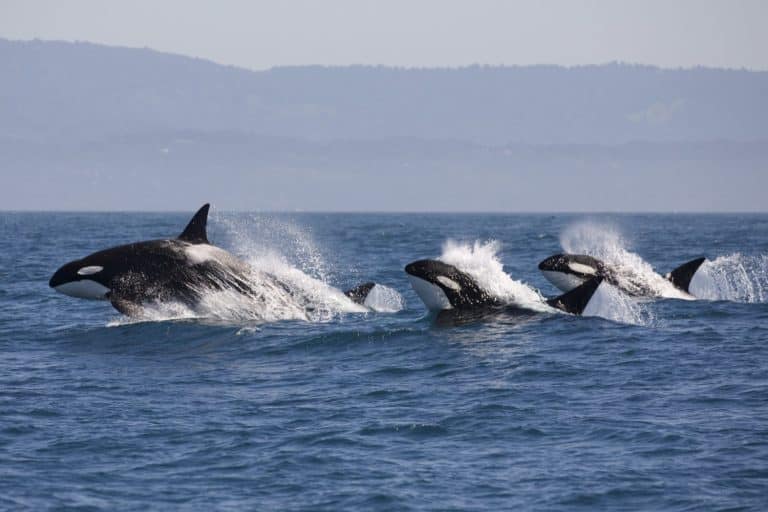
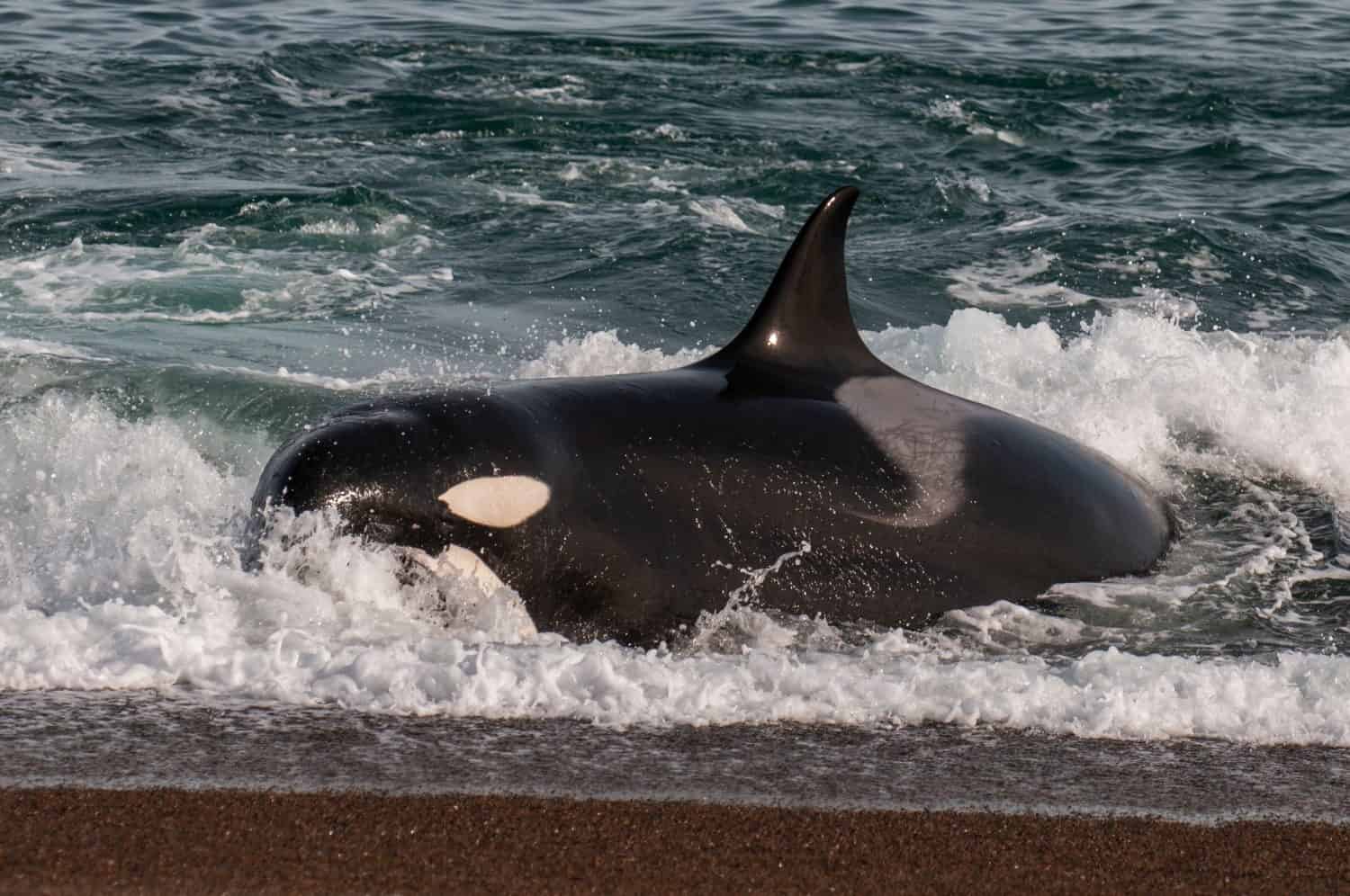
Orcas have demonstrated different hunting techniques depending on where they live. The large mammals living near Patagonia in Argentina intentionally beach themselves in hopes of making a meal of sea lions. The technique works about 50% of the time, making the potential meal worth the risk.
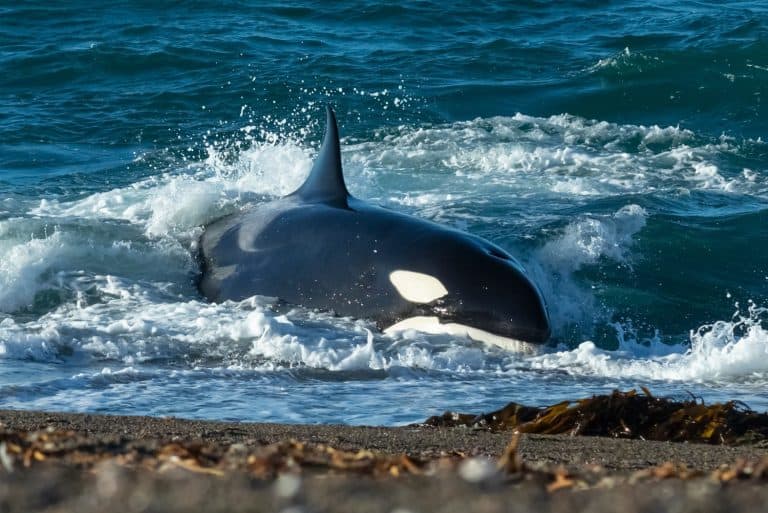
According to a YouTube video posted by @UltimateNatureDocs, during pup season on the Patagonia coast, orcas target sea lions splashing in the shallows and even those who are basking in the sun on the shoreline. To take their prey by surprise, orcas rapidly approach the shoreline with enough force to haul two-thirds of their four- to six-ton body partially out of the water. After grabbing a sea lion, the orcas use their tails and waves to retreat back into the ocean.
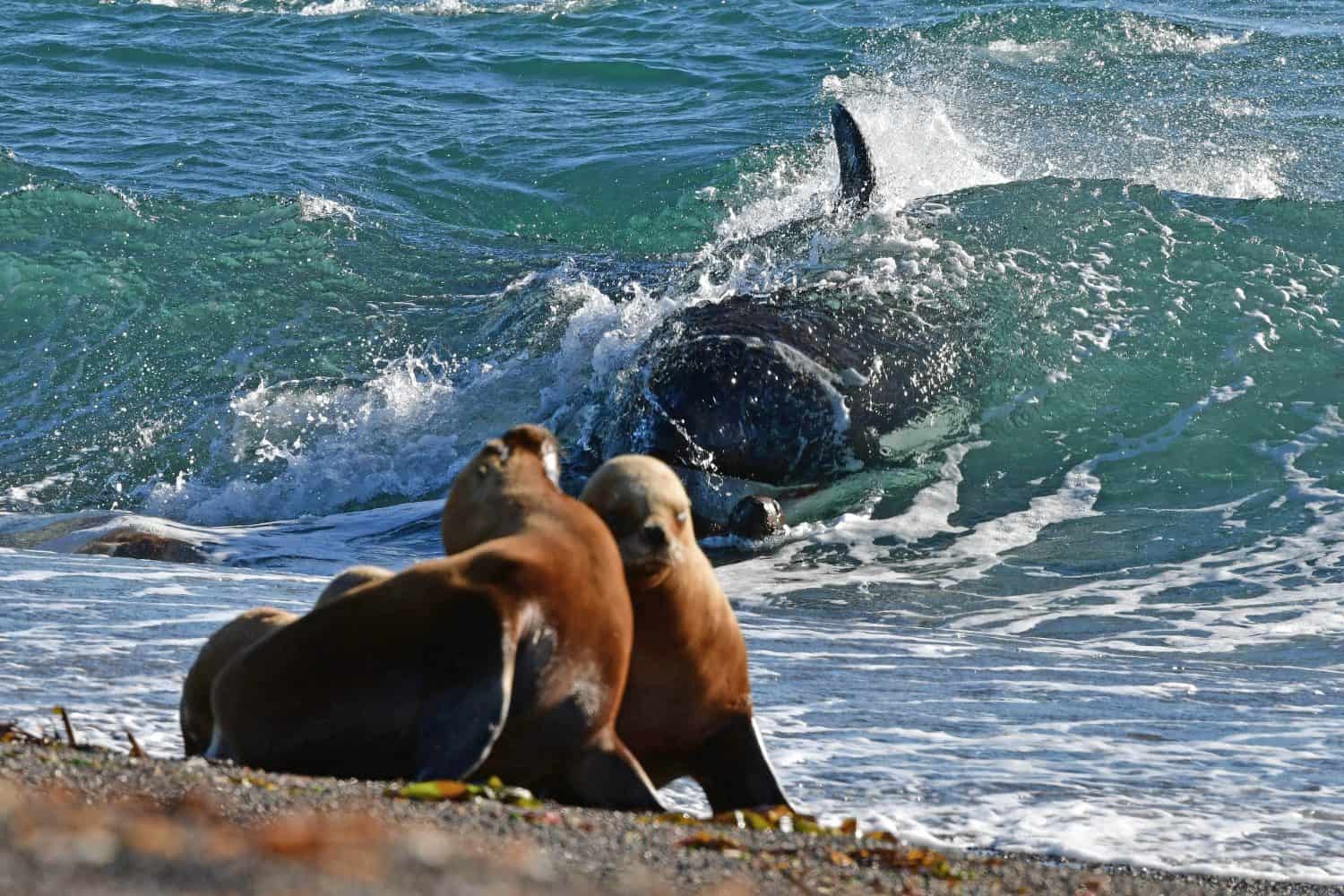
Orcas participate in intentional strandings to hunt sea lions.
©Maxi Jonas/Shutterstock.com
Not all orcas in a group participate in intentional stranding. The goal is for the hunting whale to grab enough sea lions to share with the pod so that no orca goes hungry.
Dolphins have been witnessed practicing a similar technique as a pod to push multiple fish onto dry land. However, this is rare, with intentional stranding more often practiced by orcas.
How Do Orcas Ensure They Will Not Become Permanently Stranded?
When orcas target sea lions on the shoreline, it is not by chance. Instead, it is a planned attack. To keep the risk of accidental beaching low, several factors must be at play for an orca to consider intentional stranding.
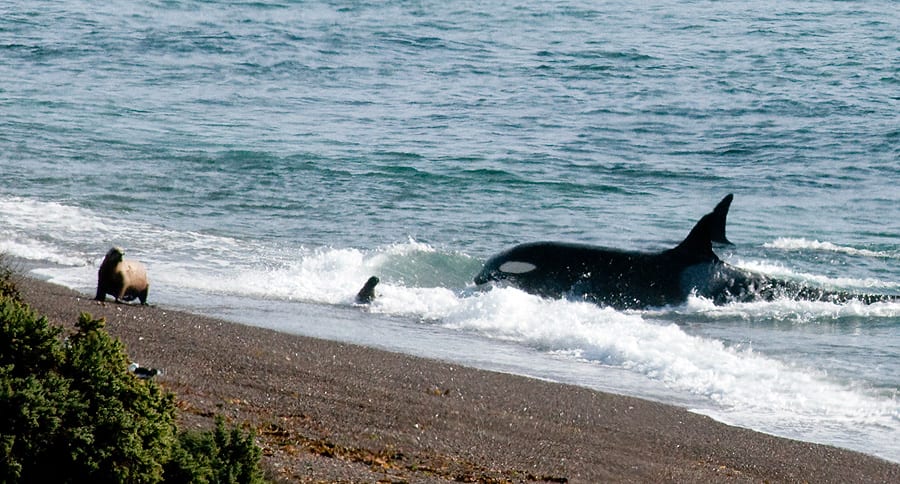
Orcas bring two-thirds of their bodies out of the water and use the waves to keep from being permanently beached.
Using echolocation, orcas scan the shoreline for sea lions. Once sea lions are located, the pod sends one or more members to strike the coast. All vocal communication ceases at this time, leaving the sea lions unaware of the sneak attack.
As orcas strike, they will only bring two-thirds of their bodies out of the water. This ensures their tails can help them maneuver back into the water with the assistance of incoming waves.
How Do Young Orcas Learn to Intentionally Strand Themselves?
Orcas are not born with the knowledge of how to enact this hunting strategy. Instead, orcas pass this skill from generation to generation, highlighting the intelligence of these marine animals.
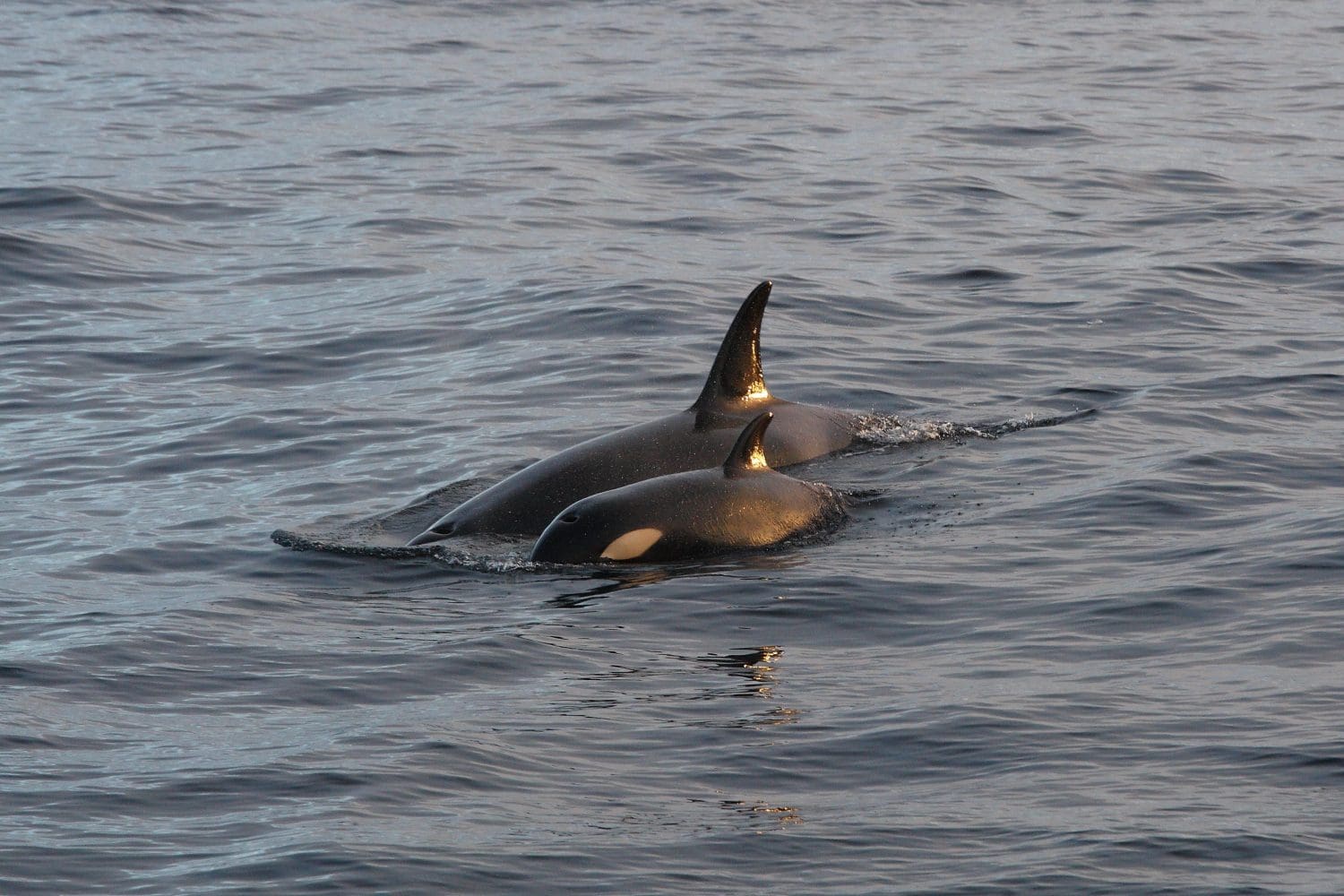
Young orcas are taught by their mothers how to intentionally strand themselves.
©Alessandro De Maddalena/Shutterstock.com
As detailed in the YouTube video, adult orcas teach juvenile orcas the stranding practice by demonstrating the technique. This maneuver is performed without the intention of striking a sea lion; it is simply a teaching moment. Once onshore, the orcas briefly wait for a wave to assist them, wiggling themselves off land.
Risks Involved with Orcas Intentionally Stranding Themselves
Though this unique hunting strategy is beneficial, it is also high-risk. If not timed appropriately or if orcas are not aware of their surroundings, they can easily permanently beach themselves, a move which would mean death to the orca.
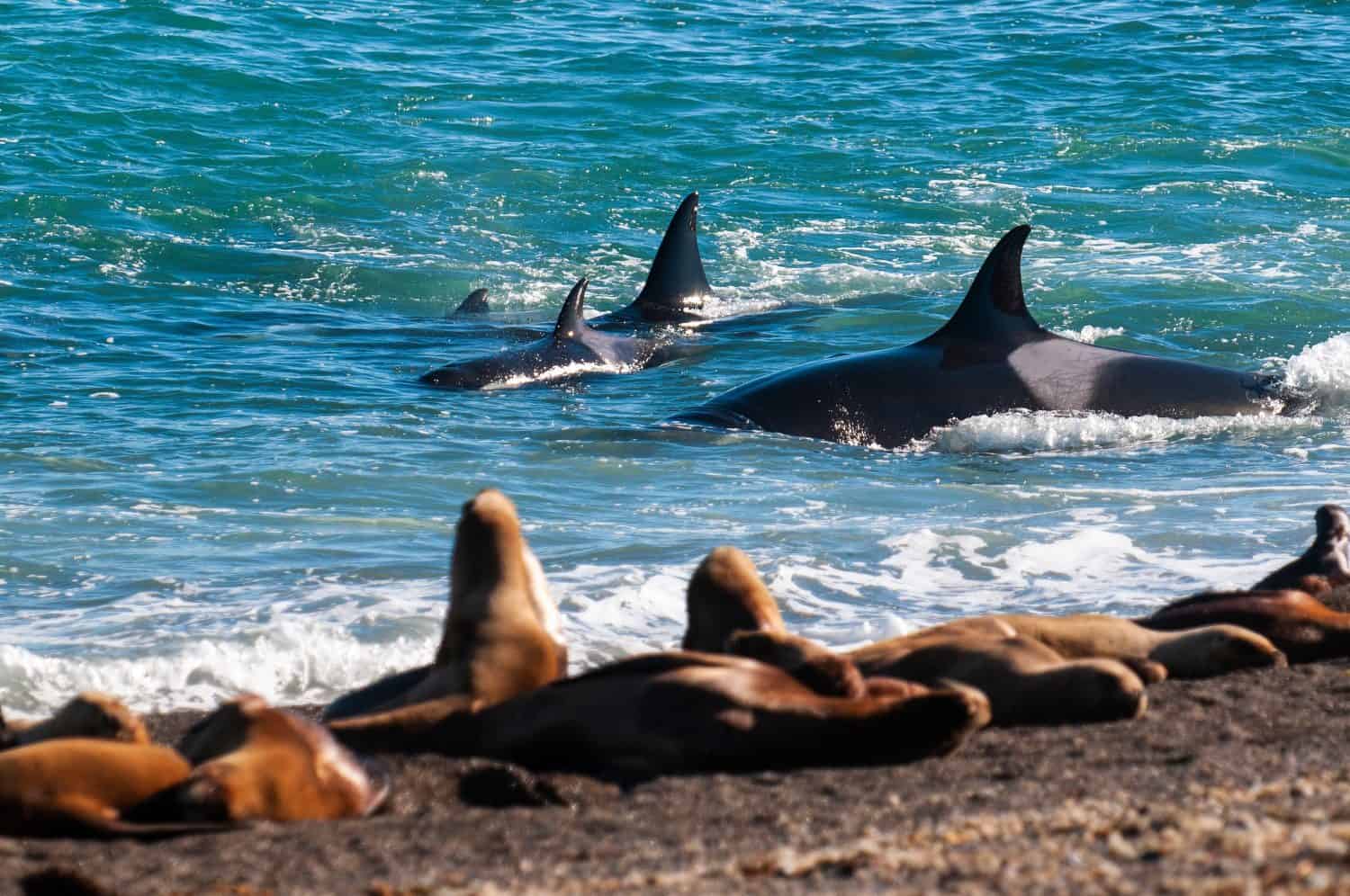
Orcas risk a slow, painful death if they do not coordinate intentional stranding perfectly.
©Foto 4440/Shutterstock.com
If orcas accidently hurl too much of their weight out of the water, they will be unable to maneuver themselves back in and succumb to gravity. The problems that arise when intentional beaching goes wrong include:
- Muscles and organs begin to compress and the circulatory system begins to collapse
- Orcas go into respiratory distress because the effort needed to expand their lungs becomes too great
- Orcas begin to suffer from hyperthermia without the assistance from the ocean to cool them
Orcas are intelligent mammals that understand the risks involved with intentional stranding. A successful hunt is the goal, but remaining safe is paramount. Orcas are taught the technique from a young age under the watchful eye of older members of the pod to ensure that all involved come away with full stomachs, unscathed from their hunting adventures on semi-dry land.