
Quick Take
- The femme fatale reputation of female praying mantises is built on a myth, and the reality is far stranger. See how rare it really is →
- Male praying mantises have evolved a surprisingly cunning trick to keep their heads, and that is meant quite literally. Discover male survival tactics →
- Some mantis species have made males biologically irrelevant, though this comes with an unexpected downside. Explore parthenogenic species →
Female praying mantises are seen as the femme fatale of the insect world. They’re known as ruthless mates, decapitating their partners when they no longer have use for them. Adding to the brutality is the fact that some female praying mantises consume their mates after killing them. This makes mating rituals dangerous and, in many cases, fatal.
But this isn’t the case for every praying mantis. While there’s some truth to their cruel nature, there are also myths surrounding their reproductive habits. Not every female kills her mate, and not all males are sacrificial offerings in exchange for offspring.
Not Every Male Mantis Will End Up Headless
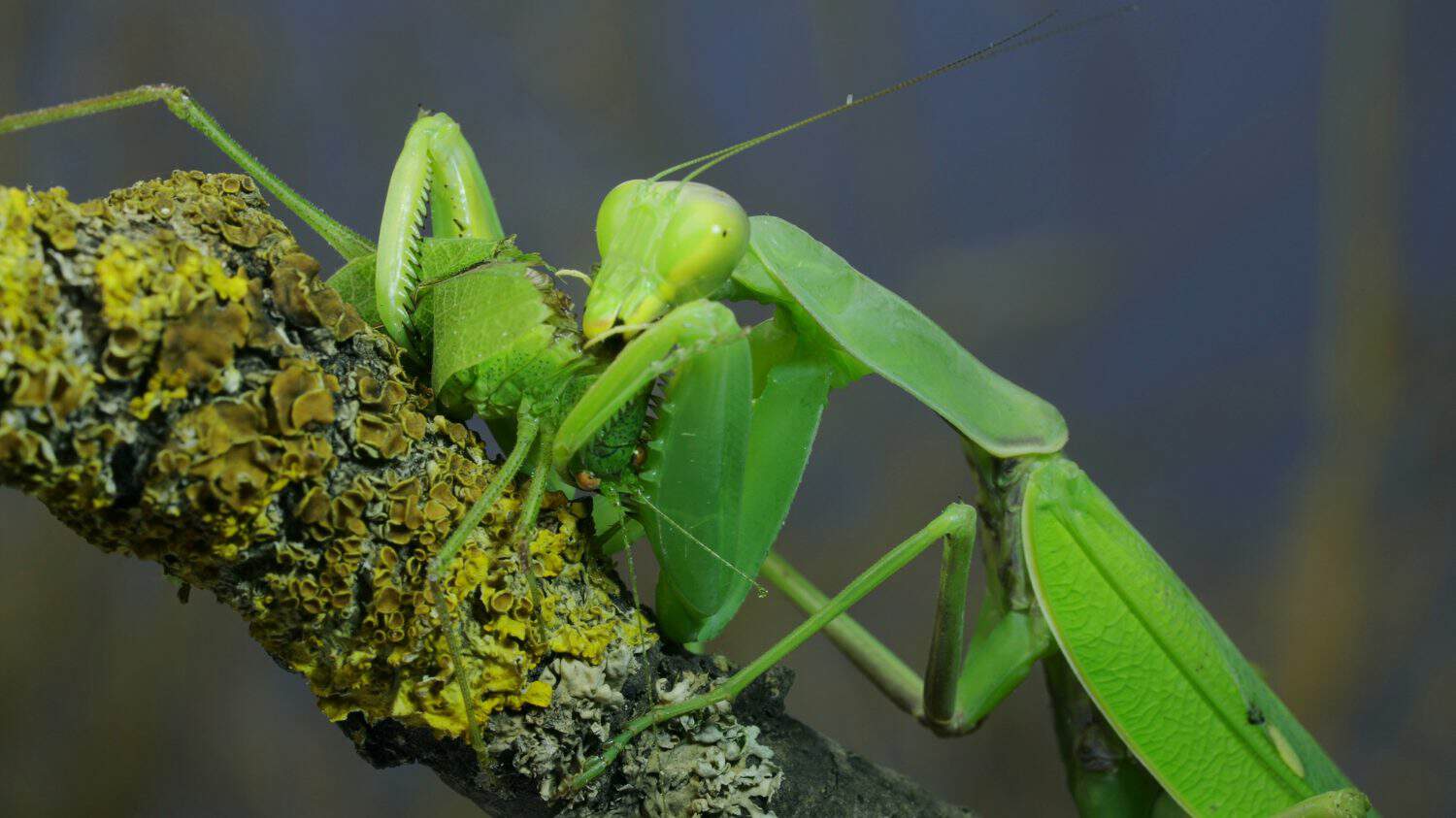
The practice of killing a partner following a mating ritual is known as sexual cannibalism. More often than not, mates are killed so that females can consume the nutrients their bodies provide. For praying mantises, this increases the amount of amino acids needed to have a larger, more successful egg brood. While it’s possible for a male to continue copulating after decapitation—due to specialized nerve endings in his abdomen—this is actually a rare occurrence.
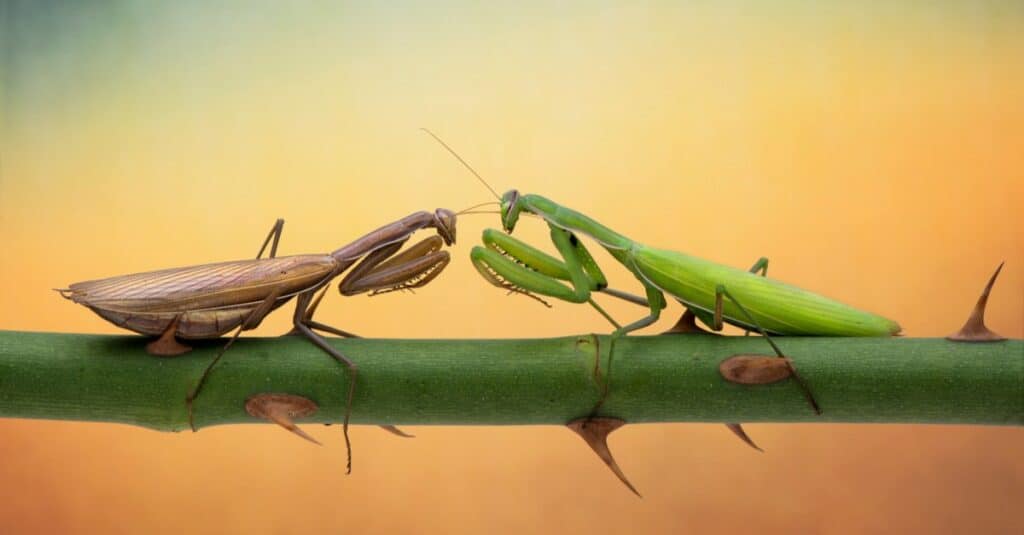
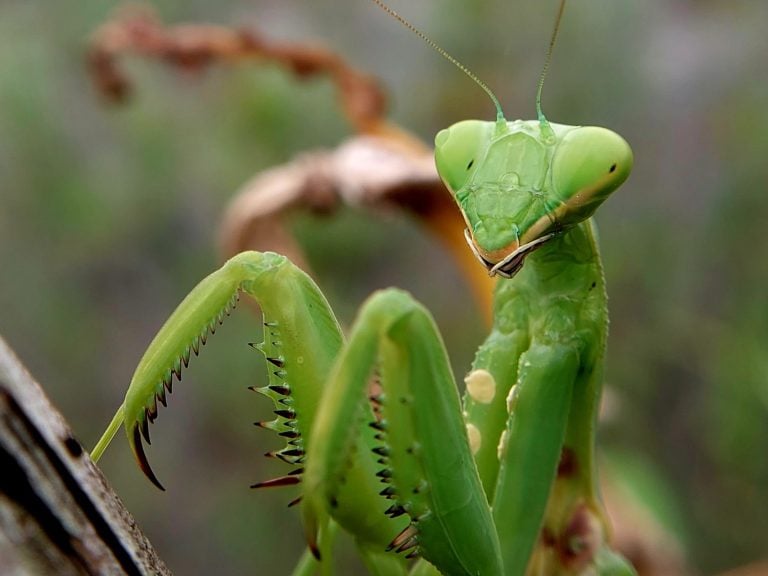
Females are significantly larger, stronger, and more aggressive than their male counterparts.
©Stefan Csontos/Shutterstock.com
The two species most known for this behavior are the Chinese mantis (Tenodera sinensis) and the European mantis (Mantis religiosa). And even within these species, decapitation is an extreme outcome, occurring only when a female feels hungry or stressed.
This happens in fewer than 30% of all mating rituals. When it does, the outcome is typically positive for the female and the next generation of her offspring. After cutting a male’s head off, the nerves in his abdomen continue to fire. This sustains their copulation for an extended period, which increases the chances of a healthy brood. But even a higher reproductive success rate isn’t enough to make the common myth that every female decapitates her partner accurate.
Many Males Outsmart Females During Mating Rituals
While a male praying mantis is an opportunistic kill for a female, males have found a way to keep their heads and their lives. This is fueled by a male’s desire to mate with multiple females, an instinct that stems from the drive to ensure the survival of the species. Driven by the instinct to survive and reproduce, males have developed strategies to avoid being killed by females during mating.
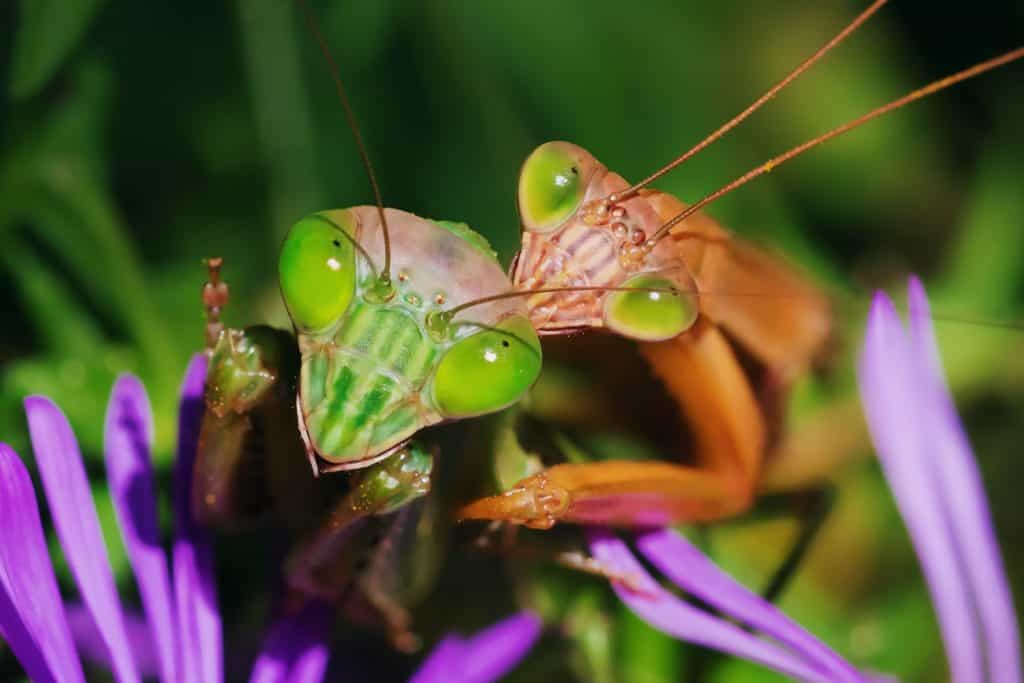
Only 13% to 31% of mating rituals end in cannibalism or headless males.
©dlamb302/Shutterstock.com
In many cases, a praying mantis will offer a meal as a distraction. This is especially helpful for hungry females, who have a higher likelihood of killing a male for food. While the female is distracted and eating, the pair completes their mating ritual, and the male escapes before the female realizes he’s gone. If offering food is not possible, some males use their front legs to physically restrain the female during mating.
Using its two front legs, a male can restrict a female’s movements. This prevents the female from attacking and potentially killing or decapitating the male. This behavior was observed by New Zealand researchers at the University of Auckland. They found that males who used this method increased their chances of escape by an impressive 78%.
Not All Mantises Need Males
Some species, such as the Brunner’s stick mantis (Brunneria borealis), are parthenogenetic. This means they don’t even need a male to reproduce and can produce offspring on their own. When this happens, females produce offspring that are genetic clones of themselves, eliminating the need for males and thus removing the risk of male death during reproduction. As a result, the entire species is made up of females, each producing hundreds to thousands of genetically identical offspring.
Several other mantises, including the Springbok mantis (Miomantis caffra), Giant African mantis (Sphodromantis viridis), and the Florida grass mantis (Thesprotia graminis), are also parthenogenic. However, these species are also capable of mating with males.
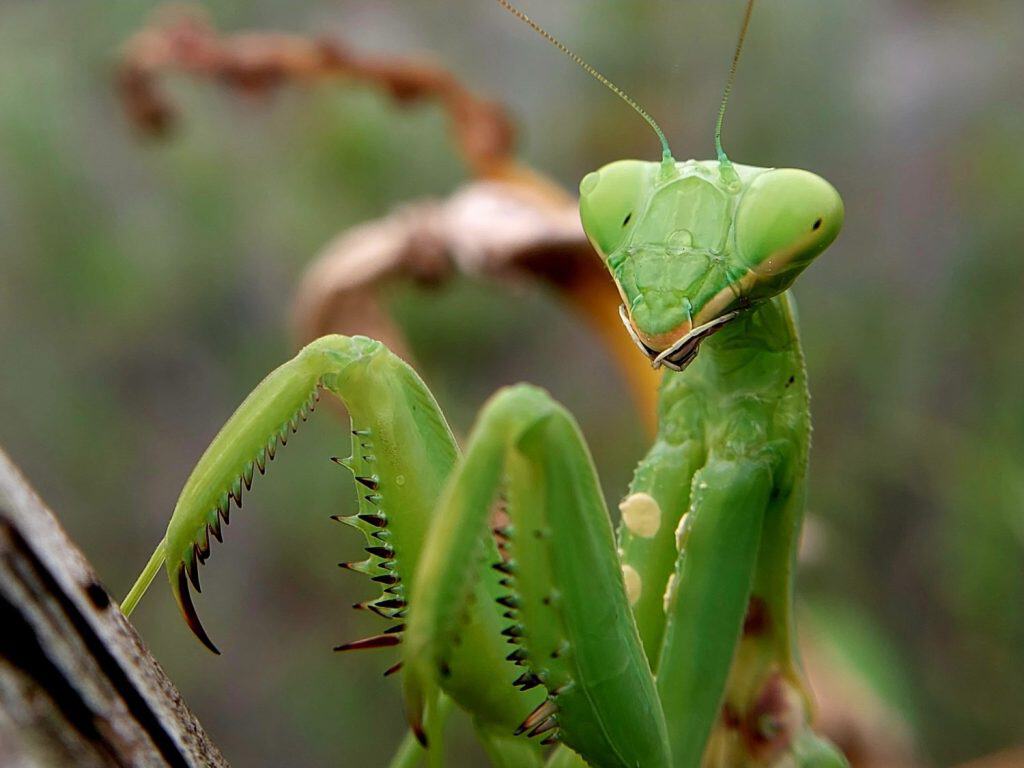
Not all female praying mantises require a male to produce offspring.
©Radiasi/Shutterstock.com
This dual reproductive system decreases the chances that males will be killed during mating rituals. When females have a “backup” option, there is less aggression and less need to find a partner during mating season. The downside is that parthenogenetic offspring, which are typically asexual females, tend to have a lower survival rate compared to other mantis species.
Even so, the diversity among praying mantis mating rituals drives the fatality rate somewhere between 13% and 31%, according to University of Central Arkansas entomologists. Furthermore, their observations indicated that this sexual cannibalism was reported far more in lab settings.