
Quick Take
- Ice crystals destroy cells from the inside out, but this salamander somehow turns that lethal process into something it survives on purpose. How glycerol prevents cell damage →
- A frozen vertebrate was pulled from the ice after years, and it was still alive. The line between suspended and dead is stranger than biology textbooks suggest. See the 1993 revival case →
- Not every salamander makes it through the freeze, and what separates the ones that survive from the ones that don't isn't what you'd expect. Why some salamanders don't survive →
- Scientists are studying this animal not to protect it, but to solve one of medicine's oldest storage problems. Discover the medical applications →
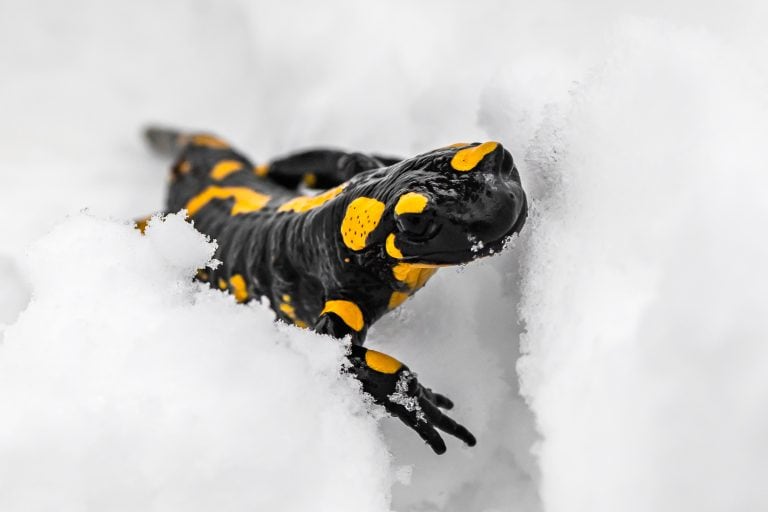
In the icy vastness of Siberia’s boreal forests, a place both remote and forbidding, few living creatures risk exposure to the relentless cold. Yet beneath fallen logs and deep in hidden refuges, a small amphibian persists against almost impossible odds.
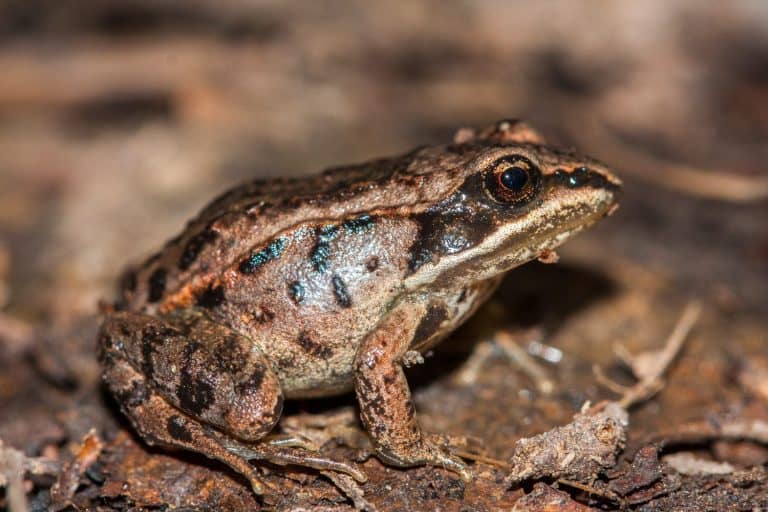
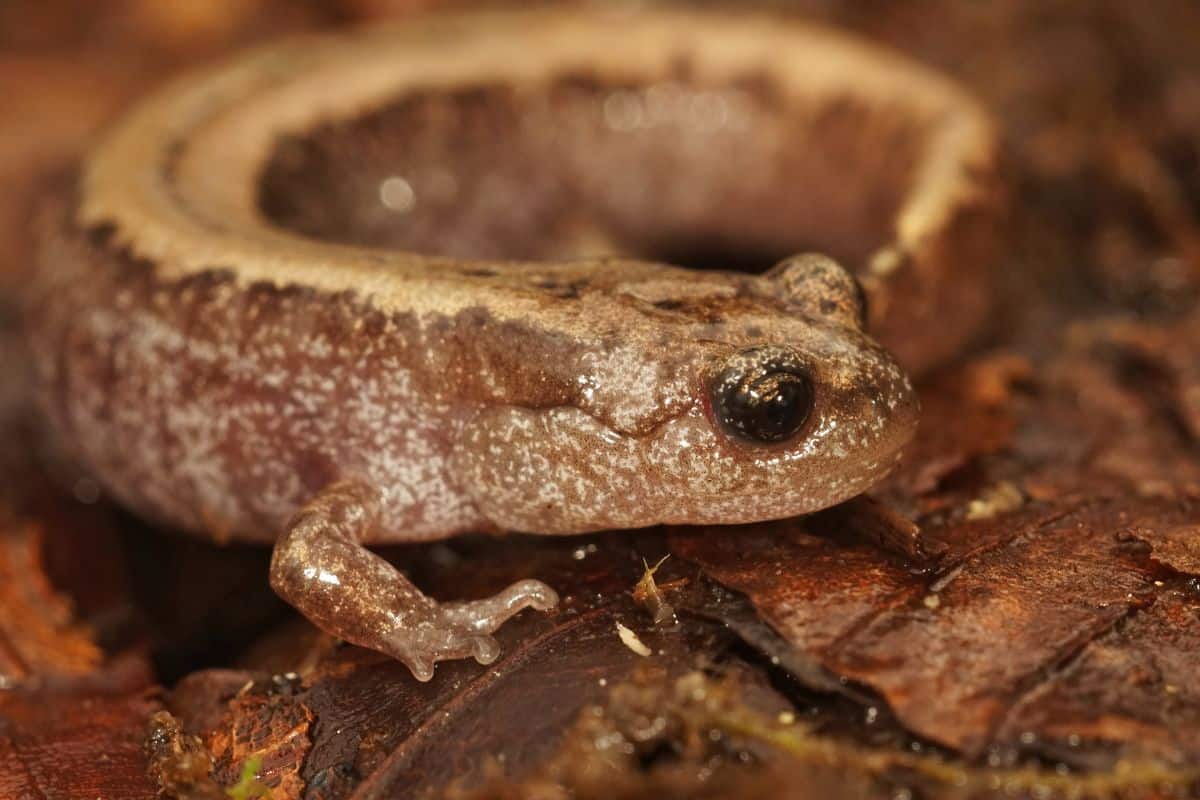
The Siberian salamander, known to scientists as Salamandrella keyserlingii, has evolved survival strategies rare among vertebrates. While most animals would perish as temperatures plummet and the ground stays frozen for months on end, this salamander brings its life nearly to a standstill. According to research cited by MDPI, its body temperature can fall to -67°F (-55°C), a state far beyond what most complex life can withstand.
Freezing Without Dying: The Role of Natural Antifreeze
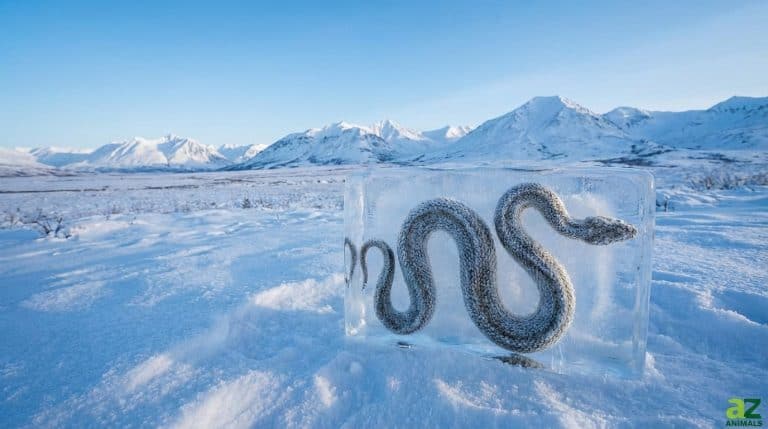
For nearly all animals, extreme cold spells disaster. Ice crystals forming inside cells usually rupture membranes, destroying tissues and leading to certain death. The Siberian salamander, however, transforms this threat into a period of suspended animation.
Central to its survival is glycerol, a molecule the amphibian produces as cold sets in. This ‘antifreeze’ substance lowers the freezing point of the salamander’s bodily fluids, preventing total freezing inside its cells. This adaptation preserves tissue integrity even as outside temperatures reach life-halting lows.
Each year, as autumn approaches, these salamanders begin preparing for hibernation around September. By burrowing into logs or finding secluded dens, they manage to outlast the bitter winter, remaining frozen and immobile. Hibernation lasts until thaw, anywhere from April to May, when warmer temperatures signal a return to activity.
Years Frozen, And Still Alive
The story grows even stranger. A team of researchers working in the Kolyma River basin found an especially remarkable example. As reported by New Scientist in 1993, they successfully revived a Siberian salamander that had been trapped in ice for several years, finding it perfectly alive once thawed.
This feat is far from universal, however. Many salamanders are not so lucky; some perish if the cold grows too severe or lasts too long. The boundary between life and death in these frozen months can be razor-thin.
What Science Hopes to Learn
The unique abilities of the Siberian salamander have made it an object of fascination for biologists and cryobiologists alike. By studying the mechanisms that let this animal survive near-complete freezing, researchers hope to develop new techniques for preserving human tissues, organs, and even cells.
If scientists can unlock the salamander’s secrets, the advance could have far-reaching implications for medicine and the storage of biological material. But for now, Salamandrella keyserlingii remains an elusive master of surviving the impossible, a living testament to the resilience and adaptability found in nature’s coldest corners.