
Quick Take
- Genomes collected over 30 years show a lack of genetic diversity in African elephants.
- Habitat fragmentation is blamed for the lack of genetic diversity in elephant populations.
- Elephants that historically intermingled have more diverse DNA.
- Habitat fragmentation is just as detrimental to elephants as poaching.
Conservationists have sounded the alarm for decades that habitat fragmentation is just as devastating to elephant populations in Africa as poaching. Until recently, those warnings have often been overlooked. The newly created elephant DNA map highlights Africa’s emerging isolation crisis. If action is not taken soon, some elephant populations may face local extinction and increased vulnerability to disease and environmental changes.
Elephant Isolation Has Led to Low DNA Diversity
Urban sprawl, agriculture, and infrastructure development have fragmented habitats for countless animals in Africa. Some have been able to adapt and overcome the changes. Others, like elephants, have not been so lucky.
According to a new study published in Nature Communications, elephant populations are more isolated from one another than at any other time in history. As a result, inbreeding within populations occurs, leading to low genetic diversity.
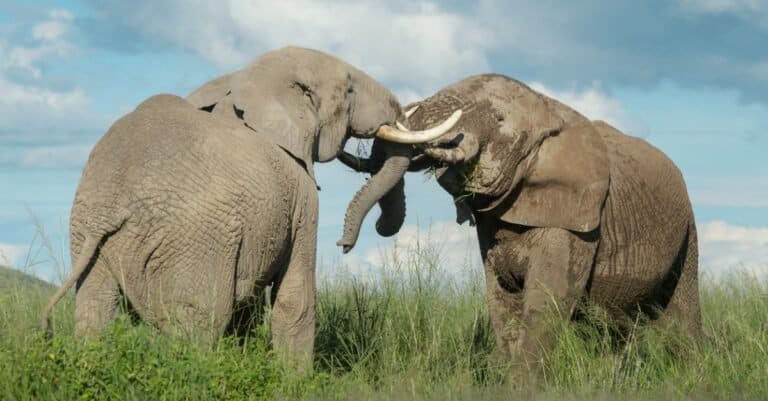
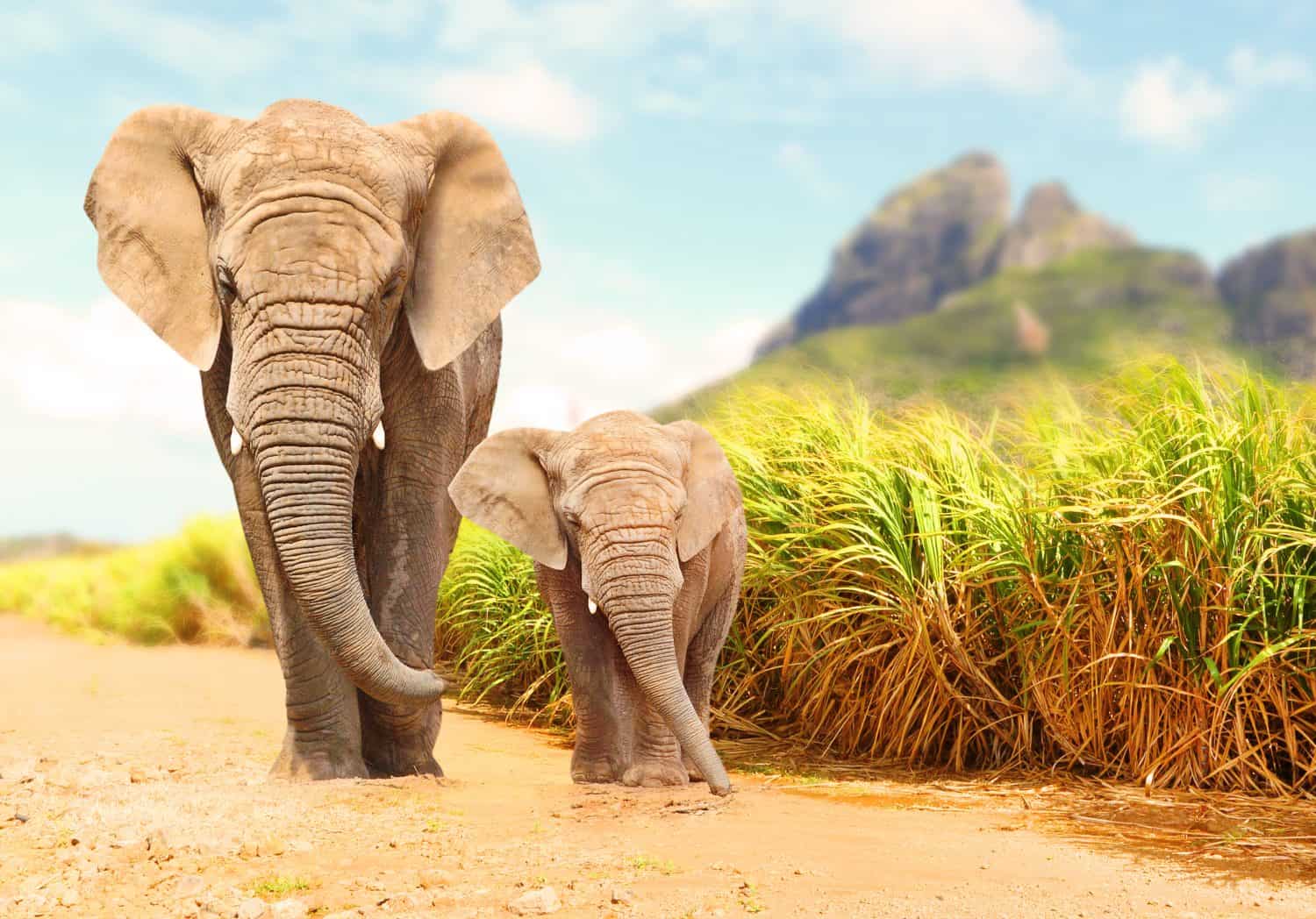
Habitat fragmentation has led to low genetic diversity among African elephants.
©Julia Chan Kar Wai/Shutterstock.com
Using previously stored genomes from 232 savannah and forest elephants across 17 African countries, researchers determined that genetic diversity was not robust. This is directly related to elephants being cut off from their traditional habitats.
Because the genomes were collected over a 30-year period, the study provides a historical snapshot of genetic diversity. Unfortunately, the current situation may be even more dire than the results suggest.
Why Have Some Elephant Populations Fared Better?
Among the elephants studied, it became clear that some populations were faring better in terms of genetic diversity than others. This difference was not due to some populations having a broader range, but rather to their unique histories.
Eritrea and Ethiopia are home to isolated elephant populations. The closest population of elephants outside of these regions is approximately 250 miles away, according to the study. However, because the elephants’ habitat has been fragmented by agriculture and housing, the elephants cannot reach other populations. Consequently, the elephants in both Eritrea and Ethiopia were found to have low genetic diversity due to inbreeding.
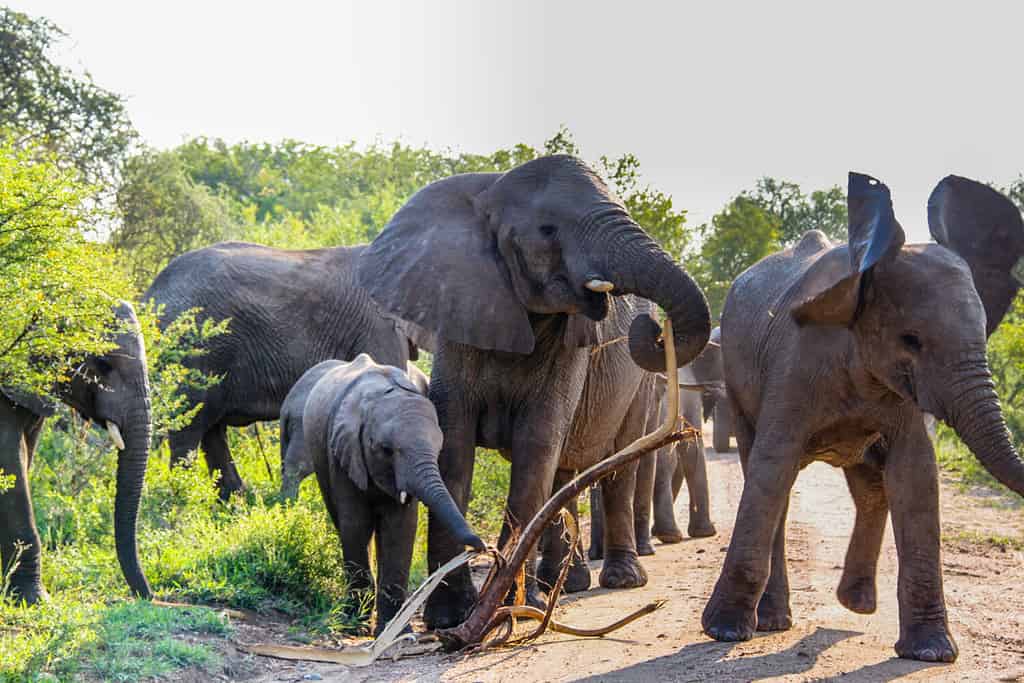
Some African elephant populations have fared better than others.
©Chedko/Shutterstock.com
What was interesting was that elephants in West Africa did not have the same issues. Yes, some inbreeding occurred due to habitat fragmentation, but genetic diversity persisted. According to the study’s authors, this is because savannah and forest elephants in West Africa have a history of interbreeding where their habitats overlap. As a result, these populations have greater genetic diversity than those in eastern and southern Africa.
Should Elephant Populations Be Forced to Intermingle?
It may seem that introducing elephants from genetically diverse populations to those with low diversity would be an easy solution. However, Alfred Roca, senior study author and professor at the University of Illinois Urbana-Champaign, warns that this approach could do more harm than good.
“By reconstructing their genomic history, we found that savanna and forest elephants followed very different population trajectories over the last four million years, with over 85% of overall elephant genetic variation due to the differences between them,” Roca said in a news release. “Given this history, gene flow between the species is unlikely to be beneficial, and hybrid elephants should be avoided for translocations.”
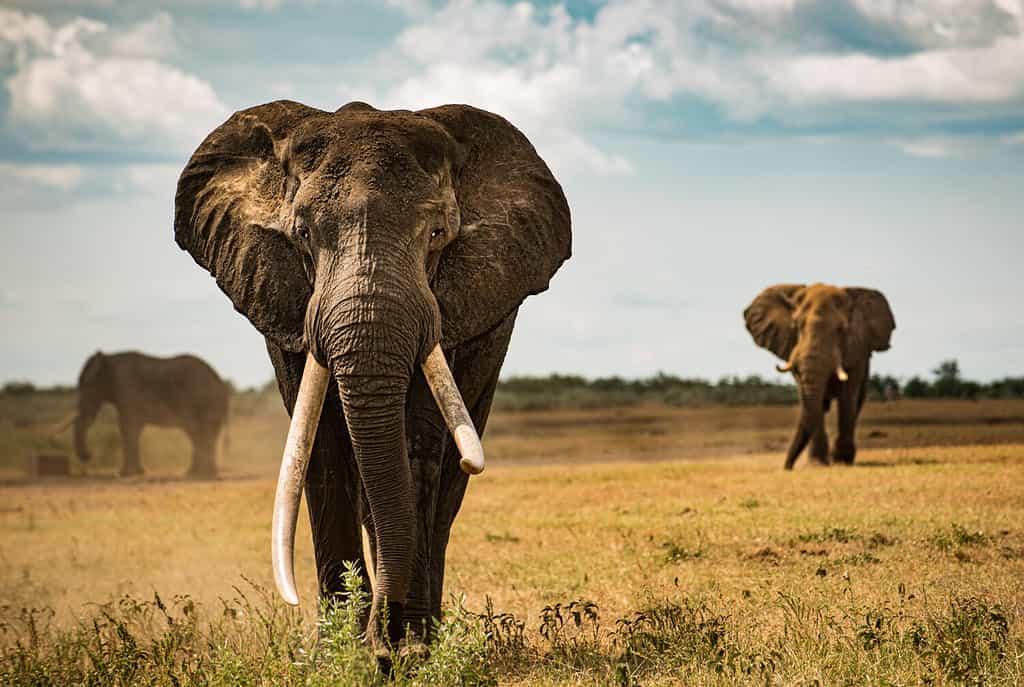
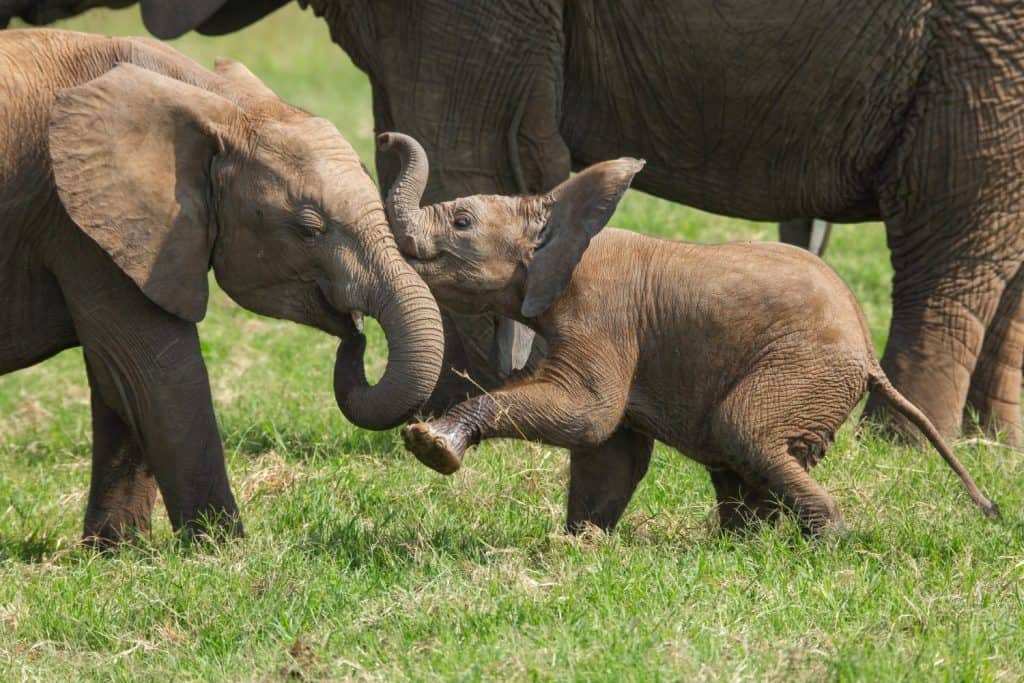
It would be more harmful than helpful to bring elephant populations together that would never have traditionally crossed paths.
©Johann Mader/Shutterstock.com
Roca also addressed savanna elephants in southern, eastern, and west-central Africa. He said that while the elephants have “historically high connectivity across their range,” the “translocations across regions should be avoided” due to “sufficient genetic differences.”
Therefore, relocating elephants to regions outside their natural migration routes could be even more harmful to populations than the current crisis.
Habitat Fragmentation Is Just as Detrimental to Elephants as Poaching
Poaching was once considered the biggest threat to elephants’ existence. While poaching remains a major threat, habitat fragmentation and loss have also become equally critical challenges for African elephants in many regions.
As humans have taken over traditional elephant habitats, elephants have adapted and learned to share land. Problems arise, however, when elephants lose access to their migration pathways.
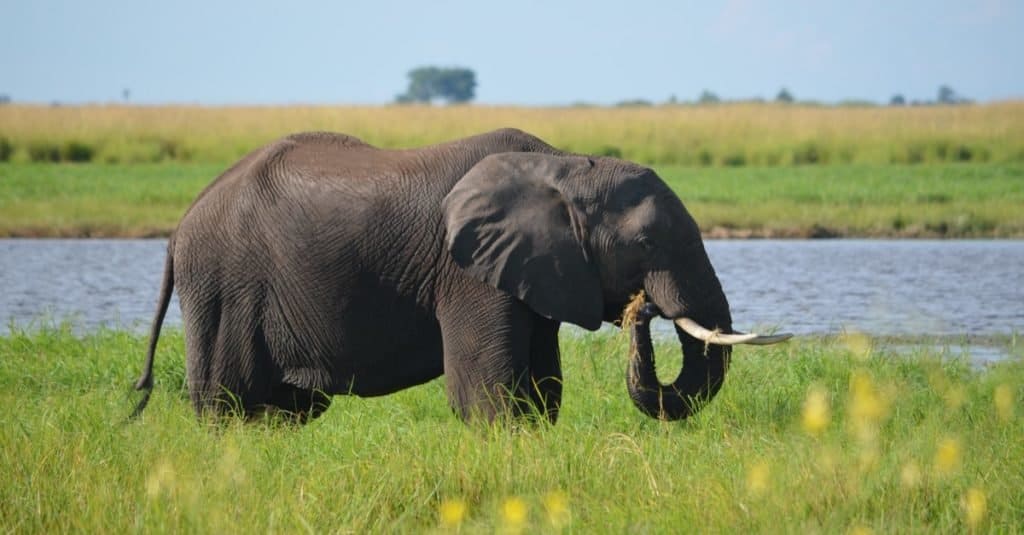
Taking away the elephants’ habitat is leading to the demise of African elephants.
©LauraBerlin/Shutterstock.com
“Elephants are extremely intelligent animals that can live close to humans and adapt. But one of the most important forces for their evolution is that genes can move between populations,” Patrícia Pečnerová, lead author of the study, explained in a news release. “In southern Africa, the landscape still allows movement between protected areas, and here we see that the genetic health of the elephants remains relatively intact.”
To combat the lack of genetic diversity in some African elephant populations, their habitats need to be reconnected. If habitats remain disconnected, genetic diversity will continue to decline. The result will be increased mutations, lower population sizes, and reduced ability to adapt to changing habitats, which could threaten the survival of some elephant populations.