
Quick Take
- Eel reproduction has baffled scientists since ancient times, and the mystery still isn't fully solved.
- Sea snakes sometimes gather in shoals stretching miles long, and nobody knows why.
- Most sea eels look completely scaleless, but that appearance is deceiving in a very specific way.
- One of the sea snake's favorite meals might surprise you, and it's something the title already mentions.
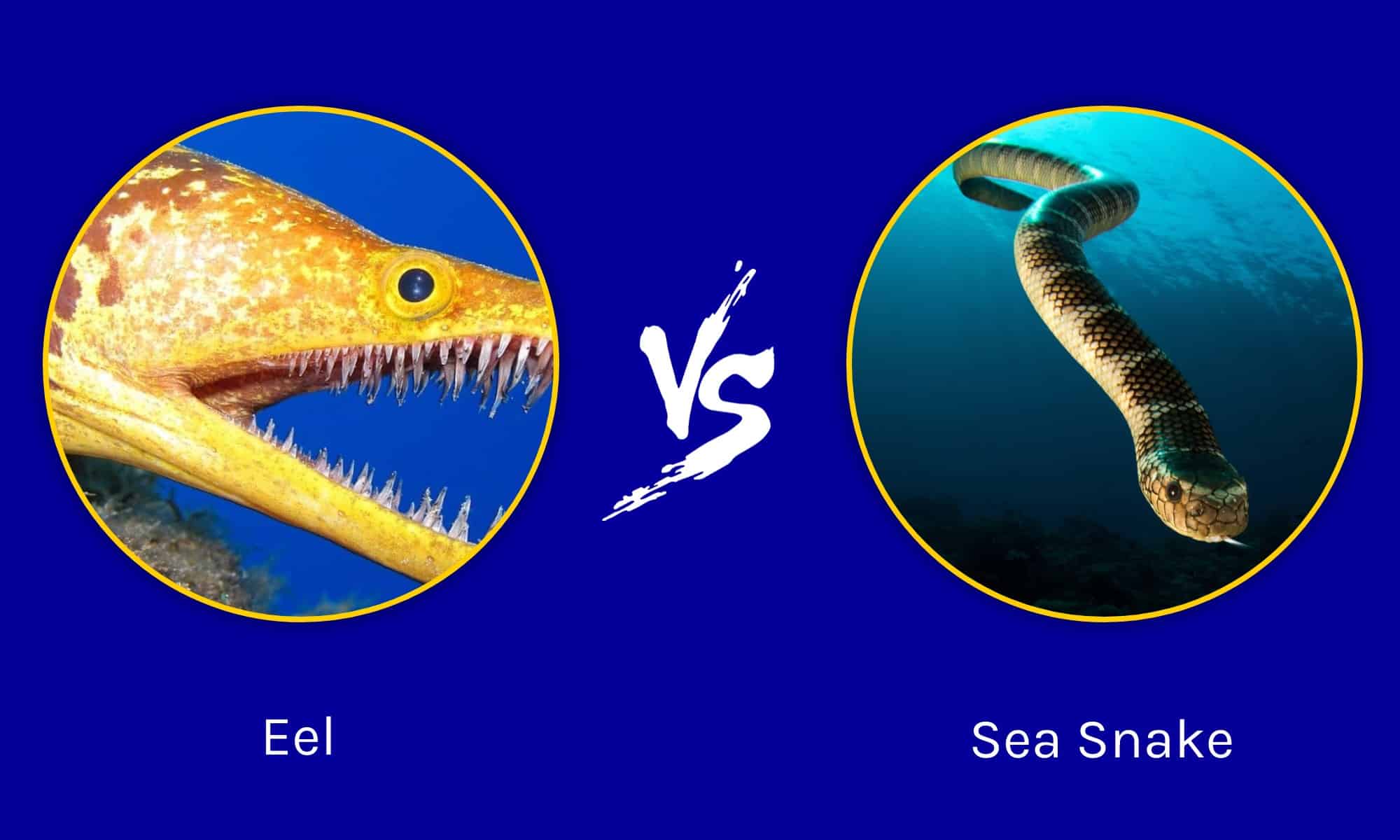
Sea snakes and sea eels are not closely related. While they look very similar due to their long, slithering bodies, they belong to entirely different classes of animals: sea snakes are aquatic reptiles, while sea eels are fish. There are approximately 64 to 71 recognized species of sea snakes worldwide, depending on classification.The yellow-bellied sea snake (Hydrophis platurus) is the only sea snake species naturally found off the Pacific coast of North America. No sea snake species are native to the Atlantic or Gulf coasts of North America. There are between 800 and 1,000 species of true eels (order Anguilliformes) globally, most of which are marine species. Dozens of these inhabit the waters of the Atlantic, Pacific, and Gulf coasts of North America. Continue reading to learn about the five differences (anatomy, diet, habitat, temperament, and reproduction) that separate these two marine animals.
Sea Snake vs. Sea Eel: Anatomy
Sea snakes have unique adaptations to survive their marine habitats. They can close their nostrils using valvular muscle arrangements. They also have advanced control over their lingual fossa, or tongue notch, which aids in their aquatic lifestyle. Their tails also have a compressed, paddle-like shape that helps them swim quickly through the water.
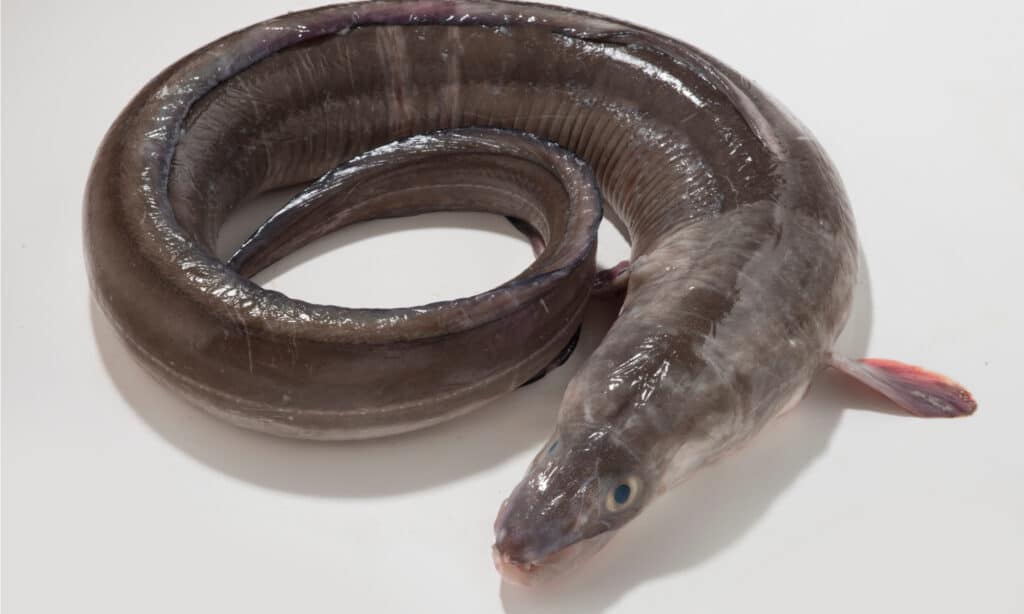
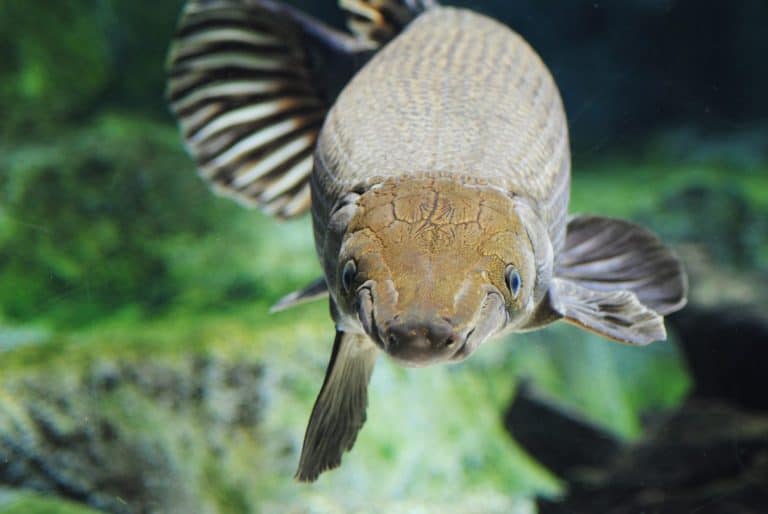
Eels are fish, but they don’t have pelvic fins.
©JoaoSilvaB/Shutterstock.com
Most sea snakes lack the enlarged ventral scales that terrestrial snakes use for movement.
They have scales, but they are different from those found on land snakes. Sea snake scales are small and do not overlap; instead, they fit together like puzzle pieces.
Not all sea eels are completely scaleless, although most appear to be. Many marine eels actually possess extremely small, rudimentary scales, but these scales are hidden and deeply embedded beneath their thick, slimy skin rather than being visible on the surface.
Eels have elongated worm-like bodies without any pelvic fins. Eels generate waves that travel the length of their entire body to move through the water. When they want to move backward, they simply reverse the direction of the wave.
Many eel species don’t have any pectoral fins either. However, some species have a long dorsal fin. The dorsal, anal, and caudal fins help identify individual eel species.
Sea Snake vs. Sea Eel: Diet
All sea snakes are carnivores that eat fish, and one of their favorite fish to eat is eels. Certain sea snakes specialize in eating fish eggs, while others focus on consuming marine invertebrates.
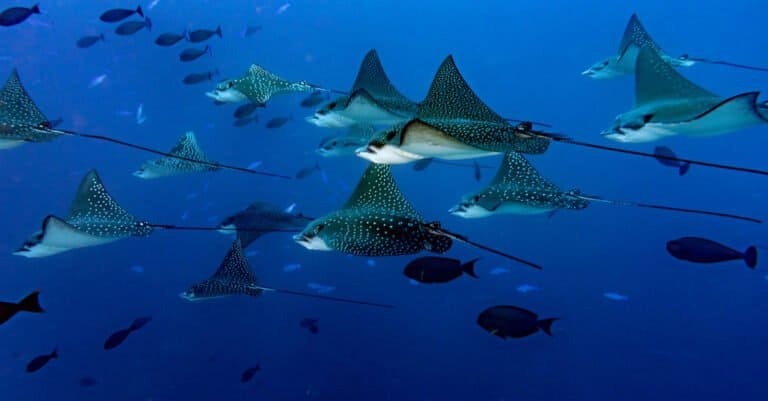
Sea snakes and eels are carnivores that eat fish.
©Kristiana Berzina/Shutterstock.com
True eels are opportunistic omnivores. Opportunistic feeders will eat almost anything that crosses their path.
Eels are primarily carnivores. Eels eat frogs, fish, and carrion (dead organisms). Since they actively hunt at night, eels spend the day in crevices waiting for prey to come by. The eel can lunge out of its crevice as a fish passes by and swallow it whole.
Sea Snake vs. Sea Eel: Anatomy
Anatomically, sea snakes have special abilities that their terrestrial cousins do not. They have specialized muscles that hold their nostrils closed, and their tails are shaped like paddles. They also have scales.
Virtually all true sea snakes are venomous, with many possessing extremely potent neurotoxins. Despite this, they are generally calm and reclusive, and rarely bite humans unless severely provoked or mishandled.
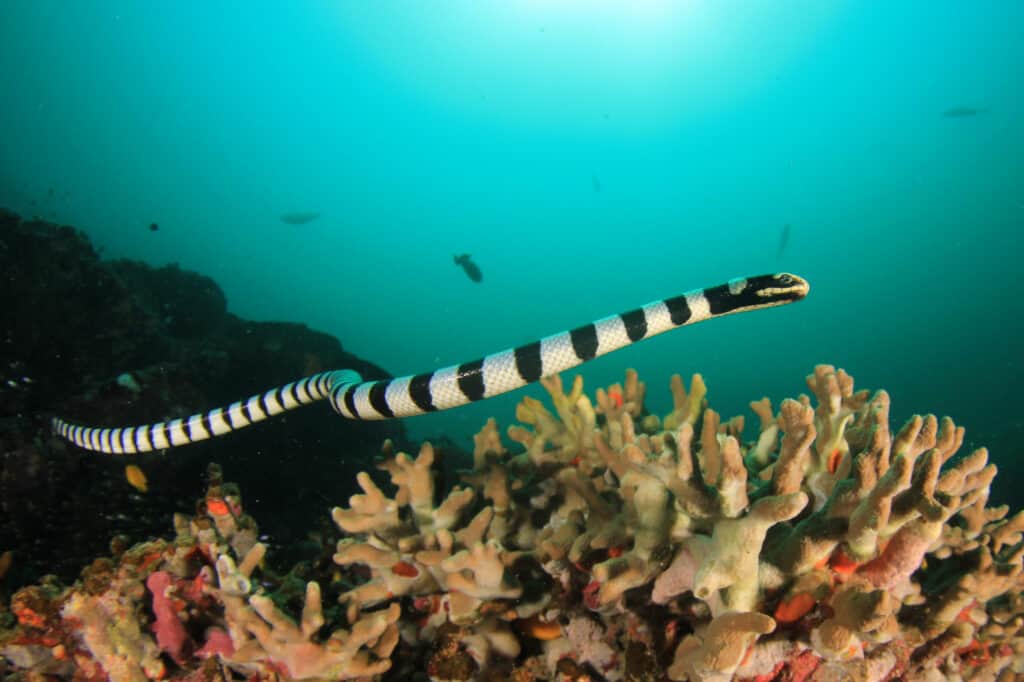
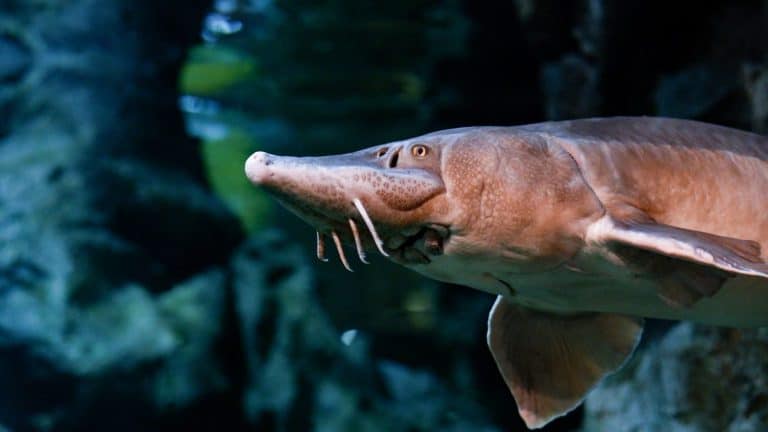
Sea snakes love hunting in the coral reefs.
©Rich Carey/Shutterstock.com
Most sea eels have smooth skin, though some species have rudimentary scales that are not apparent. Although the majority of sea eels are not venomous, large sea eels have powerful jaws and sharp teeth that can inflict severe lacerations, which may result in serious bacterial infections if left untreated.
Both animals are adapted to live in the water. There are no sea snakes in the Atlantic Ocean, although the Atlantic is home to dozens of species of sea eels.
Sea Snake vs. Sea Eel: Habitat
Most sea snakes are restricted to coastal waters. However, the yellow-bellied sea snake (Hydrophis platurus, formerly Pelamis platurus), is considered a pelagic (open ocean) species that drifts across open waters by riding major ocean surface currents.
True marine eels live in saltwater, where they primarily inhabit rocky reefs, continental shelves, and deeper coastal waters.
Sea Snake vs. Sea Eel: Temperament
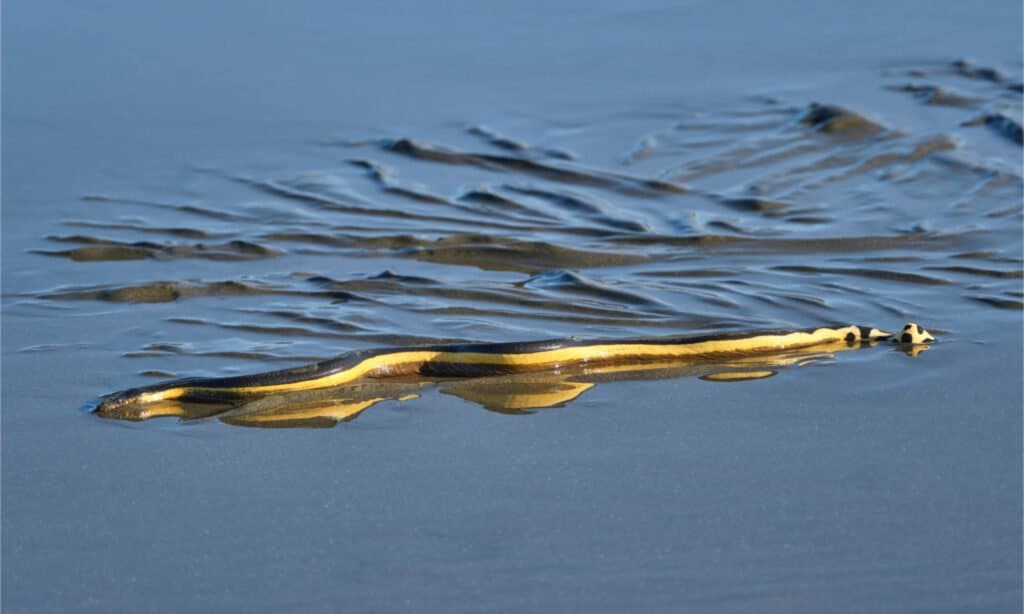
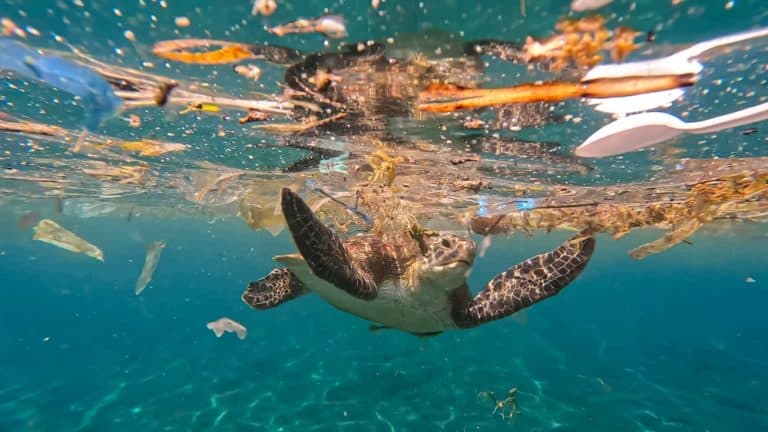
Sea snakes are usually solitary swimmers.
©John Fader/Shutterstock.com
Sometimes colossal groups or shoals of sea snakes can be sighted. These shoals can be miles long and usually consist of a single species. It’s still a mystery why large numbers of sea snakes can be found swimming together floating on slicks.
Eels are solitary creatures. Seeing more than one eel in a rock crevice or coral space is rare. However, some species, like garden eels, live in large colonies.
Some species of eels, such as moray eels and snake eels, can be social hunters. But not with other eels. They typically team up one-on-one with a grouper or a lionfish to flush out smaller prey.
Sea Snake vs. Sea Eel: Reproduction
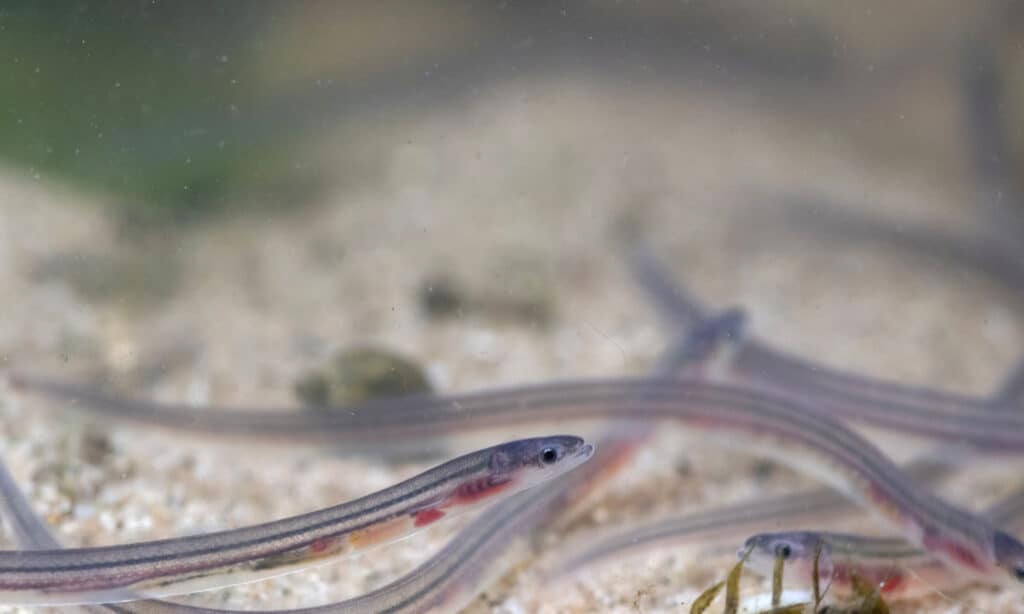
It’s a mystery how eels reproduce.
©jack perks/Shutterstock.com
Although sea snakes spend their entire lives in warm tropical seas, some species must go ashore to lay their eggs, while others are ovoviviparous, giving them the unique ability to lay and hatch eggs inside their bodies.
The reproductive process of eels remains unclear and has been a mystery since ancient times. Scientists have recently identified large areas believed to be spawning grounds, and current evidence suggests that males fertilize free-floating eggs. However, no one has ever found a wild eel egg in the ocean or captured a fully mature, naturally ready-to-spawn adult eel in the wild.