
If you’re interested in wildlife photography, you likely know that capturing the perfect shot requires patience and precision. However, certain best practices can help improve your chances of getting that captivating picture. Here are seven tips for capturing ideal wildlife photos, straight from professional photographers.
1. Get the Lighting Right
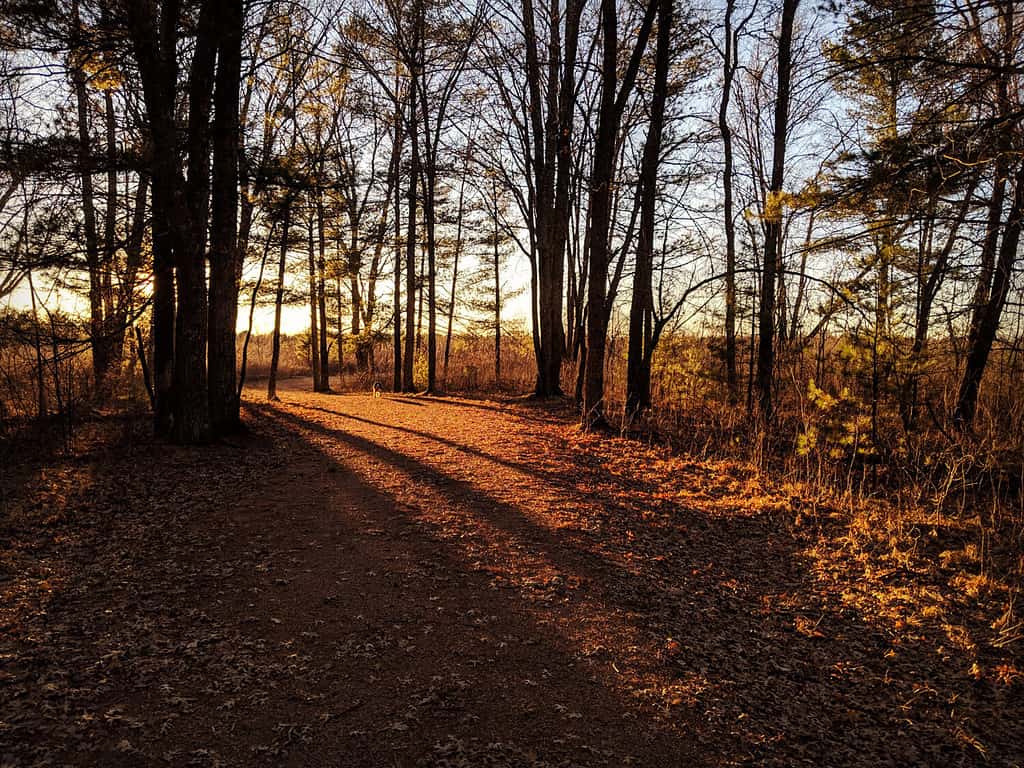
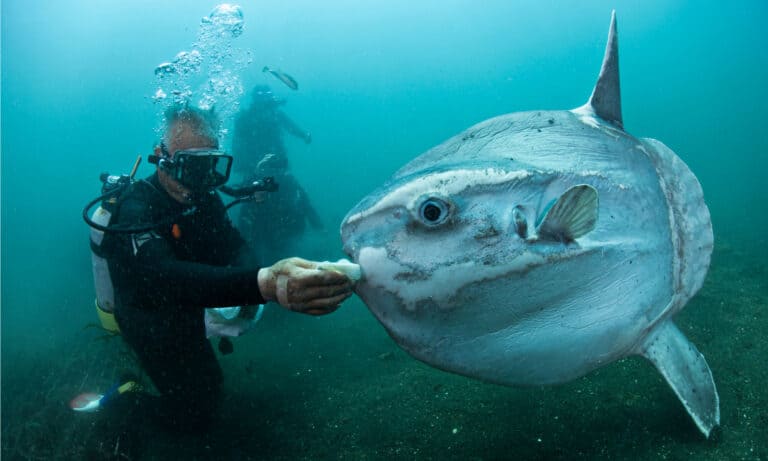
Natural sunlight provides the perfect lighting for your wildlife photography.
©Marissa English/Shutterstock.com
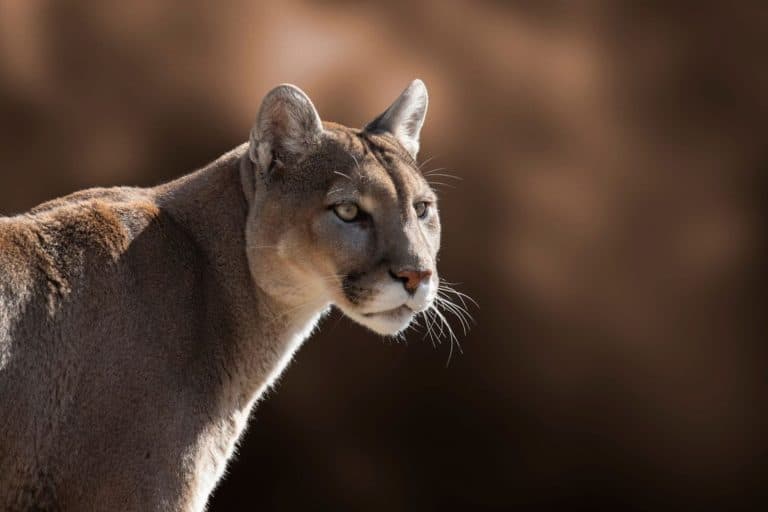
If you’re interested in wildlife photography, you likely know that lighting is everything. In fact, it can make or break a photo.
“All photography is about the light,” says Don Orkoskey, owner of WDO Photography. “Flat or even lighting where we can’t see any shadows makes it easier to see everything in our picture. However, it also allows our eyes to wander around and doesn’t call our attention to the subject as much as more dramatic lighting.”
He adds that the proper use of sunlight (with deep shadows behind the animal) can help create more dynamic photos of wildlife.
“Just be careful: if you’re on auto-exposure, your camera might try to make those shadows lighter, turning your subject a bit ghostly pale,” he points out. “Using spot metering will help with this, or try to underexpose the shot a bit so the shadows are deep and dark and the subject is perfectly lit up.”
Sanjay Nair, wildlife photographer and co-founder of Safari Lab, also stresses the importance of properly using sunlight in wildlife photography.
“Light isn’t just illumination—it’s your subject,” he says. “Here’s the thing: everyone talks about ‘golden hour,’ but do you actually plan where the sun will be when the lion finally stretches and yawns? Side light makes muscles pop, backlight through dust makes manes glow … It’s less about worshipping golden hour and more about predicting where light will sculpt your subject.”
2. Know Your Subject
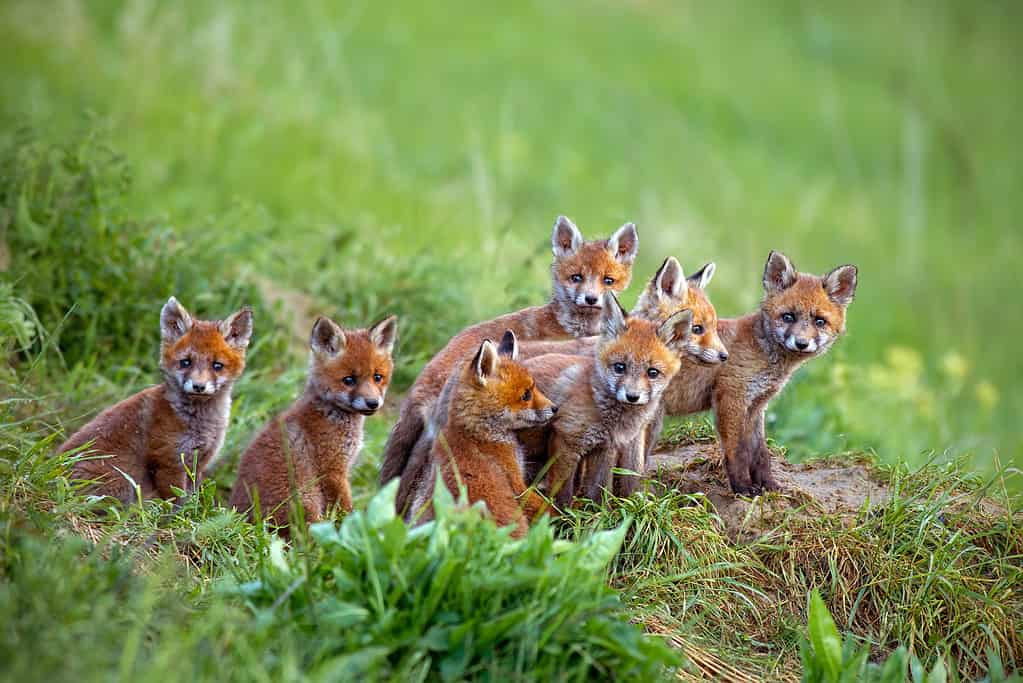
Knowing your subject will allow you to get more unique and seemingly personal photos.
©JMrocek/ via Getty Images
Just as you would get to know people before photographing them—such as talking to a couple before their wedding shoot or meeting a professional before taking their headshots—you should also familiarize yourself with the animals you photograph. This way, you can anticipate memorable, unique shots and angles that will do them justice.
“Knowing your subject will help you create better photos of them,” says Orkoskey. “For example, if you know when a particular species has babies, you’re more likely to be able to photograph intimate scenes between the babies and parents.”
3. Be Resourceful
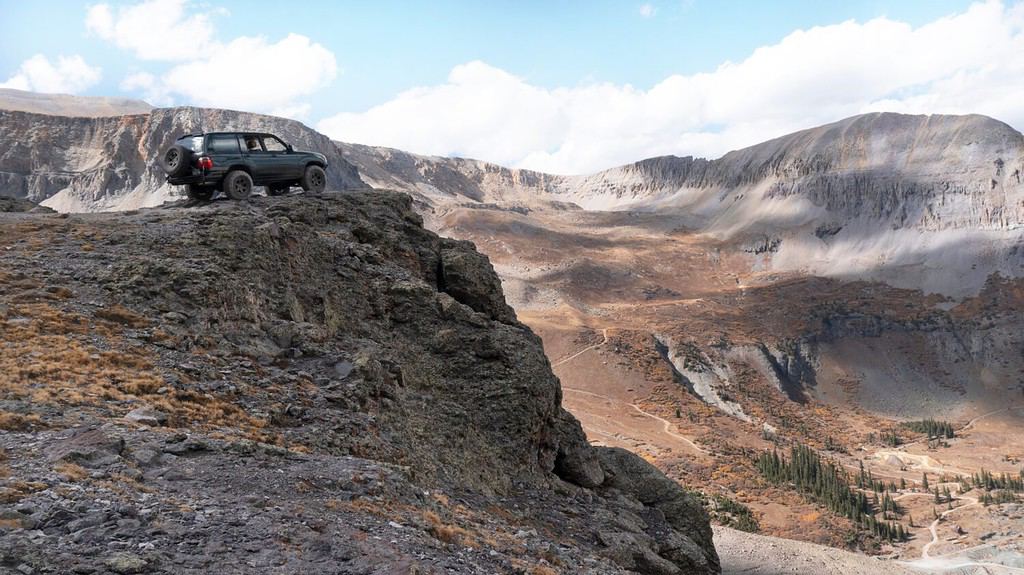
You can use your vehicle as a tripod when shooting photos.
©Wildventure.CO/Shutterstock.com
As photographers, you must make do with what’s available to you. For instance, according to Nair, “Your vehicle is a tripod—if you let it be.”
“The biggest killer of sharpness is micro-vibration, not missed focus,” he continues. “People forget the Land Cruiser is both your studio and your worst enemy. The tiniest vibration softens the frame. So I rest my 400mm on a beanbag, wedge my hand under the lens foot, [and] elbows into ribs.”
He adds that if the road is particularly rough, you must find a way to steady your camera, even if that means looking silly in the process.
“I tension the camera strap around my neck like a DIY monopod. Sounds odd, but it steadies me more than image stabilization at times,” he says. “Try it once—you’ll never blame ‘bad focus’ again.”
4. Anticipate the Gesture, Not the Pose

If you can pick up on animal cues, you can capture great action shots.
©Martin Pelanek/Shutterstock.com
Unlike human subjects, who you can direct during a shoot, animals won’t pose for you. However, if you can anticipate their movements, you can capture them at their best.
“Wildlife photography is 80% prediction, 20% reaction,” Nair says. “Learn the signals—yawns before a lion moves, tail flicks before an antelope bolts. Raptors lighten their feet before they lift.”
Knowing these intimate details will help you get the most natural pictures. The more you photograph the animals, the more you will pick up on these gestures.
“Pre-focus where the action will happen and shoot short, controlled bursts,” Nair continues. “Keep both eyes open to see beyond the viewfinder. Why? Because the ‘keeper’ moment lasts under a second. If you wait to see it, you’re already late.”
5. Be Patient

If you’re willing to wait, you’re more likely to capture the shot you want.
©Eric Bowles, Bowles Images
Like any other form of art, wildlife photography requires patience. If you’re unwilling to wait for the right lighting, ideal angles, or photo-worthy movements, you likely won’t find much success.
“You don’t need a giant lens with a large aperture to get great photos if you have patience and learn where to set up,” Orkoskey says. “Even with a telephoto kit lens, you can get amazing photos of wildlife if you visit places with wildlife blinds or create your own wildlife oasis in your backyard.”
Enjoy—don’t rush—the process. There’s more to wildlife photography than simply capturing the perfect photo.
Knowing your subject will help you create better photos of them.
Don Orkoskey, owner of WDO Photography
6. Change Position, Not Settings
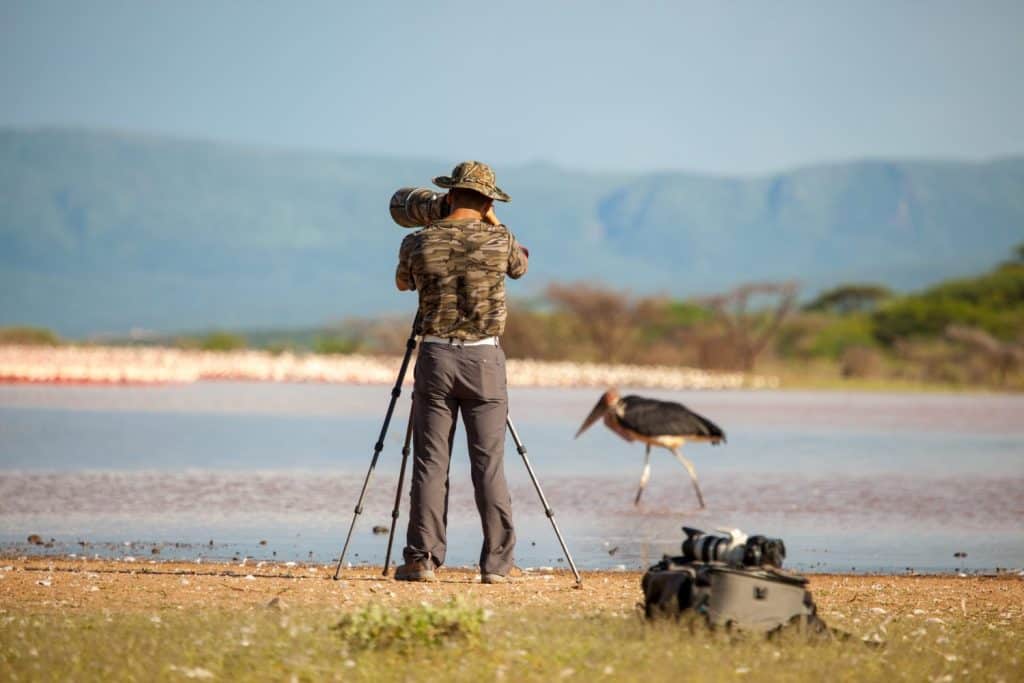
Sometimes, all it takes is a minor tweak in position to get a better shot.
©njbfoto/Shutterstock.com
According to Nair, if you’re not getting the results you want, try changing your position rather than adjusting your camera settings.
“Want to fix 90% of bad shots? Move a meter,” he says. “Honestly, half the time, I don’t change settings—I change position. A meter forward, two feet lower, and suddenly that stick growing out of the cheetah’s head disappears. Even better, the background shifts from scrubby thorns to a clean block of grass. At 400mm f/5.6, that background melts. That’s the difference between a postcard and a portfolio frame.”
7. Risk the Blur
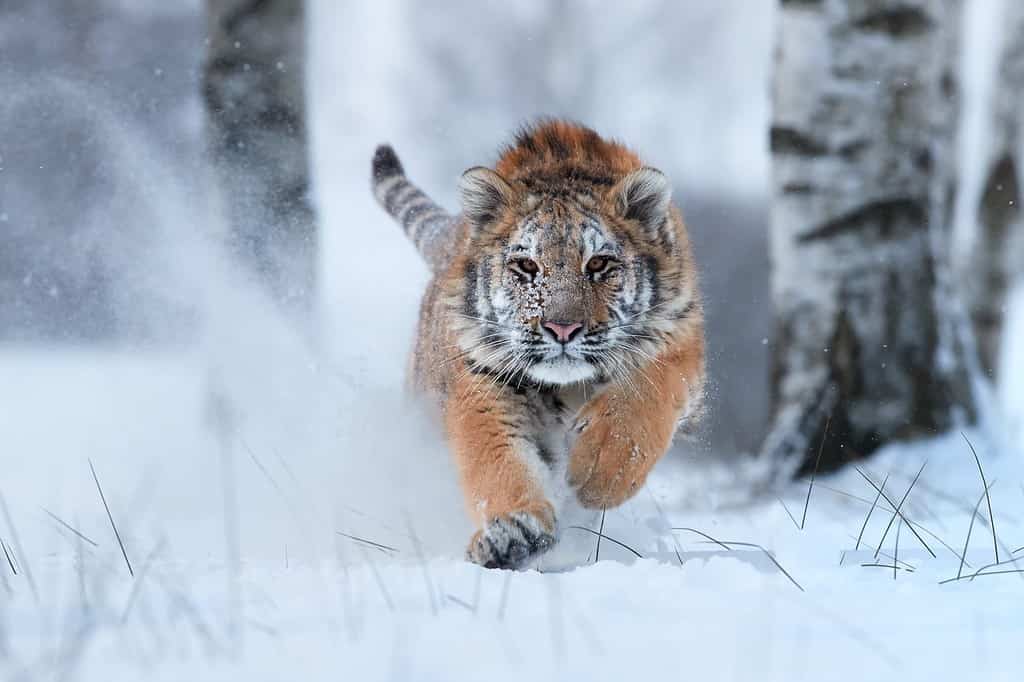
If you risk the blur, you’ll be shocked by the incredible action shots you can capture.
©Martin Mecnarowski/Shutterstock.com
The beauty of wildlife photography lies in capturing animals in their natural habitat, rather than just snapping quick photos when they are at rest.
“Why does every animal look like a statue in your photos? Because you never risk blur,” Nair explains. “Look, freezing at 1/2000s is safe—but it also kills energy. Try panning. Elephants at 1/60s, zebras at 1/125s, antelope at 1/200s. Lock your torso, twist at the waist, and follow through like golf.”
While you might have some throwaways at the end of your shoot, it’s all part of the process.
“Half your frames will be garbage. But the one that works? Background streaked, legs blurred, eye tack-sharp,” he says. “That’s motion. That’s life.”