
Quick Take
- Shark and ray species receive global protection as over 70 are upgraded to CITES Appendix I.
- Appendix II allows hunting and trade only if numbers prove sustainability.
- Enforcement is the biggest challenge. Illegal finning and black-market trade persist.
Sharks have long been seen as creatures to fear. However, with 150 species of sharks being considered threatened or endangered, there is the very real possibility that sharks will not be a part of aquatic life in the future without conservation efforts.
Additionally, 37% of rays worldwide are considered endangered. While not seen as a threat while people frolic in the ocean, the fact that so many are caught in bycatch is problematic. Without change, their demise is imminent. Fortunately, international help is on the way for both species. This is because global protection has been granted for more than 70 shark and ray species, which may now have an opportunity to recover.
More Than 70 Species Of Sharks and Rays Are Now Protected
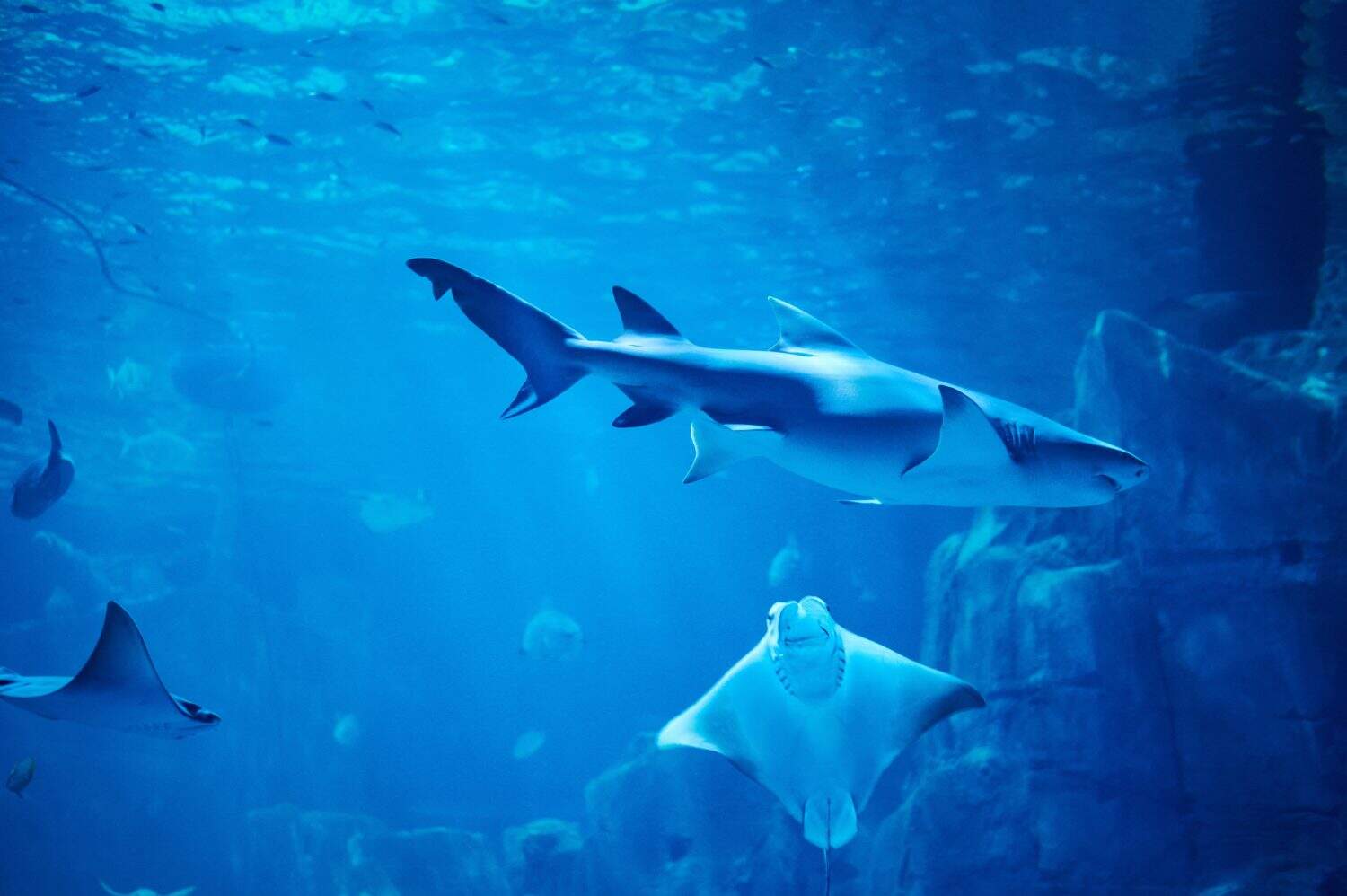
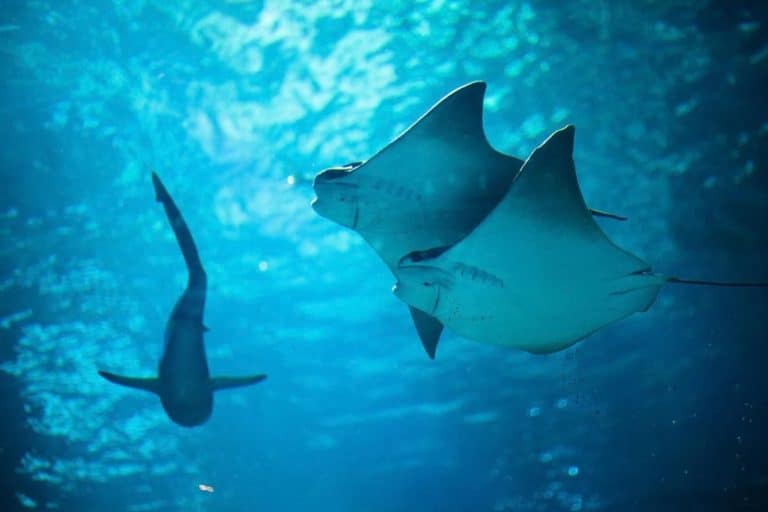
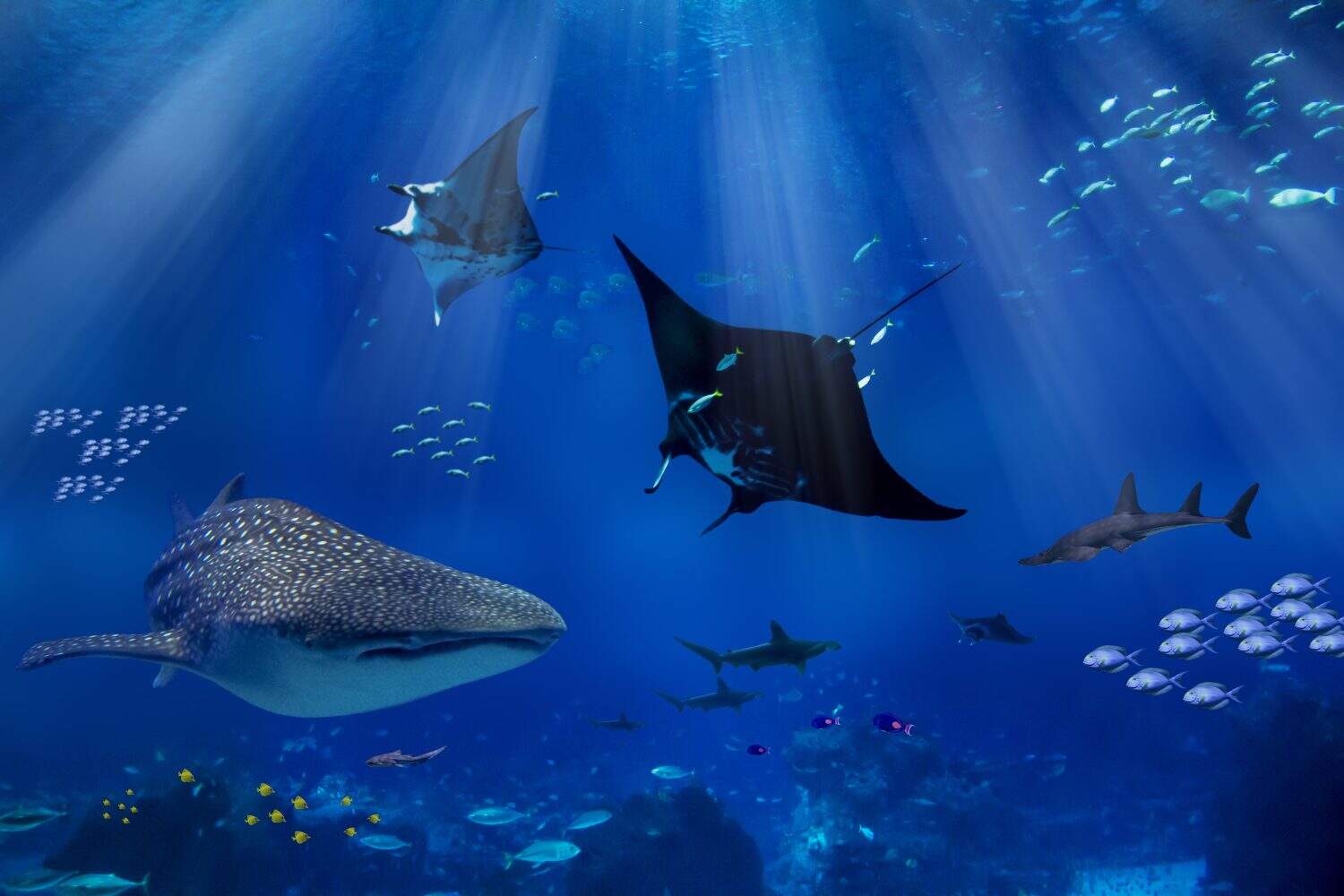
Dozens of shark and ray species are protected under CITES, meaning fishing is either severely limited or prohibited.
©PixieMe/Shutterstock.com
In a landmark move, more than 70 shark and ray species, some of which are on the brink of extinction, have received the highest level of protection from CITES. The goal of Appendix I protection is to stop the overfishing of these species, which has persisted for decades.
Beginning in late November 2025, more than 180 countries gathered in Uzbekistan to attend the CITES (Convention on International Trade in Endangered Species of Wild Fauna & Flora) conference. This year, the topic of conservation was marine-based. This is because the protections of sharks and rays from previous years, according to conservationists, had not gone far enough. With the overall shark population being decreased by 71% over the past 50 years, there was the very real chance of the species going extinct.
Reports leaked from the conference indicated that the vote on whether to protect not only shark and ray species but also look-alike species was going to be close. This is because some governments felt that restrictions on fishing were already tight enough and that protecting look-alike species took conservation too far. Other countries felt there was no way to save species that continued to be overfished and were already threatened or on the verge of extinction.
However, on December 1, 2025, the protections were passed. Now, over 70 shark and ray species have received protection from CITES, including, for the first time, the upgrading of sharks to Appendix I. The species that were granted protection under Appendix I include:
- Oceanic whitetip shark
- Manta ray
- Devil ray
- Whale shark
- Wedgefish
- Giant guitarfish
Now that these species have this high level of protection under CITES, what does this mean for their future?
Impacts on Hunting and Trading
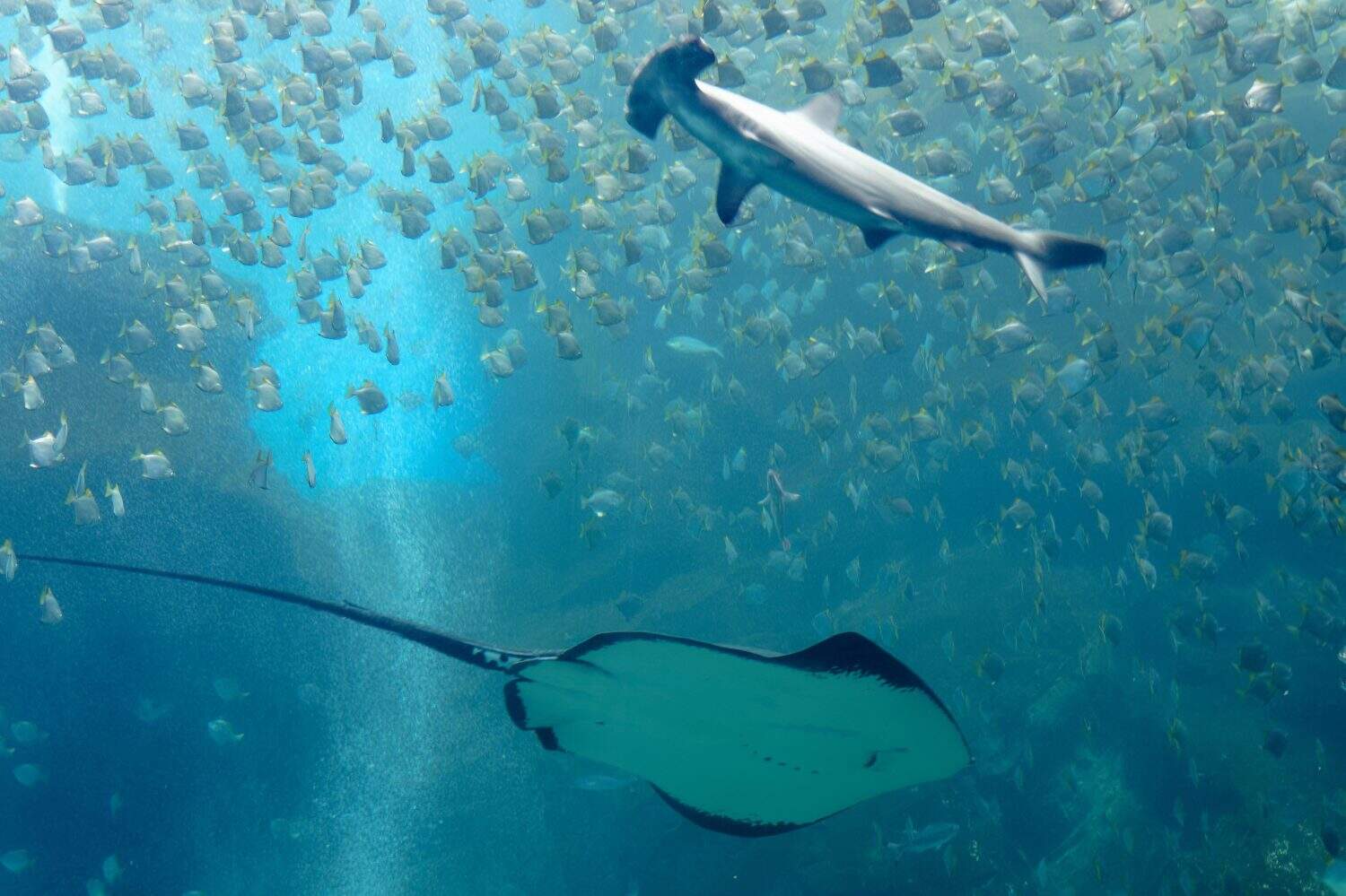
When listed under Appendix I protection, species are prohibited from being hunted or fished for.
©AaronChenPS2/Shutterstock.com
For decades, conservationists have been sounding the alarm that shark and ray species are declining rapidly. Before this year’s CITES conference, the focus was on other marine species. Sharks and rays, considered abundant by some countries, were not prioritized for protection.
However, at CITES CoP20, the numbers could no longer be overlooked. Shark and ray species have rapidly declined since the 1970s. Specifically, 18 different species of shark and ray have declined by at least 70% over the last 50 years, with no signs of stopping. In the Indian Ocean alone, 75% of chondrichthyans (the group that includes sharks and rays) are considered threatened with extinction by the IUCN guidelines. If sharks and rays are to be saved from overfishing, immediate action is necessary.
Consequently, a number of shark and ray species were listed under Appendix I. This is the highest level of protection under CITES. Species listed under Appendix I cannot be fished, hunted, or traded, giving them a chance to recover. Species under Appendix II protection can only be fished if it can be proven that their populations are sustainable.
Conservationists are applauding the action by CITES, stating, “The world chose action over extinction today.”
What Is CITES?
CITES is an international agreement that governs trade and protects species of flora and fauna, ensuring they do not go extinct.
©metamorworks/Shutterstock.com
CITES is an “international agreement between governments. Its aim is to ensure that international trade in specimens of wild animals and plants does not threaten the survival of the species.”
Today, CITES comprises 184 countries and regions. However, when the agreement was made in 1973, only 80 countries were involved. The goal of the agreement was to hold discussions on international trade in species annually, so countries could work together to regulate trade or stop it altogether to conserve a species, whether plant or animal.
Thanks to CITES, animal species around the world have been saved from extinction. To date, 40,000 plant and animal species are protected under the agreement. The levels of protection vary, based on the threat of extinction. The levels of protection are divided into three Appendices. Those Appendices include:
| Appendix | Scope of Protection |
| Appendix I | Protects species that face the threat of extinction. Trade of these animals is nearly prohibited, but under extraordinary circumstances, trade may be allowed. |
| Appendix II | Protects species that are not currently endangered but could be if trade were not controlled. |
| Appendix III | Protection extends to a species protected in one of the CITES countries, and that country has requested protection from the international community. A Certificate of Origin is required to trade. |
Regardless of the level of protection, once listed in one of the CITES Appendices, stricter trade guidelines apply. This is done to conserve species and, hopefully, keep those under Appendix I from going extinct.
Challenges Ahead with CITES Protection
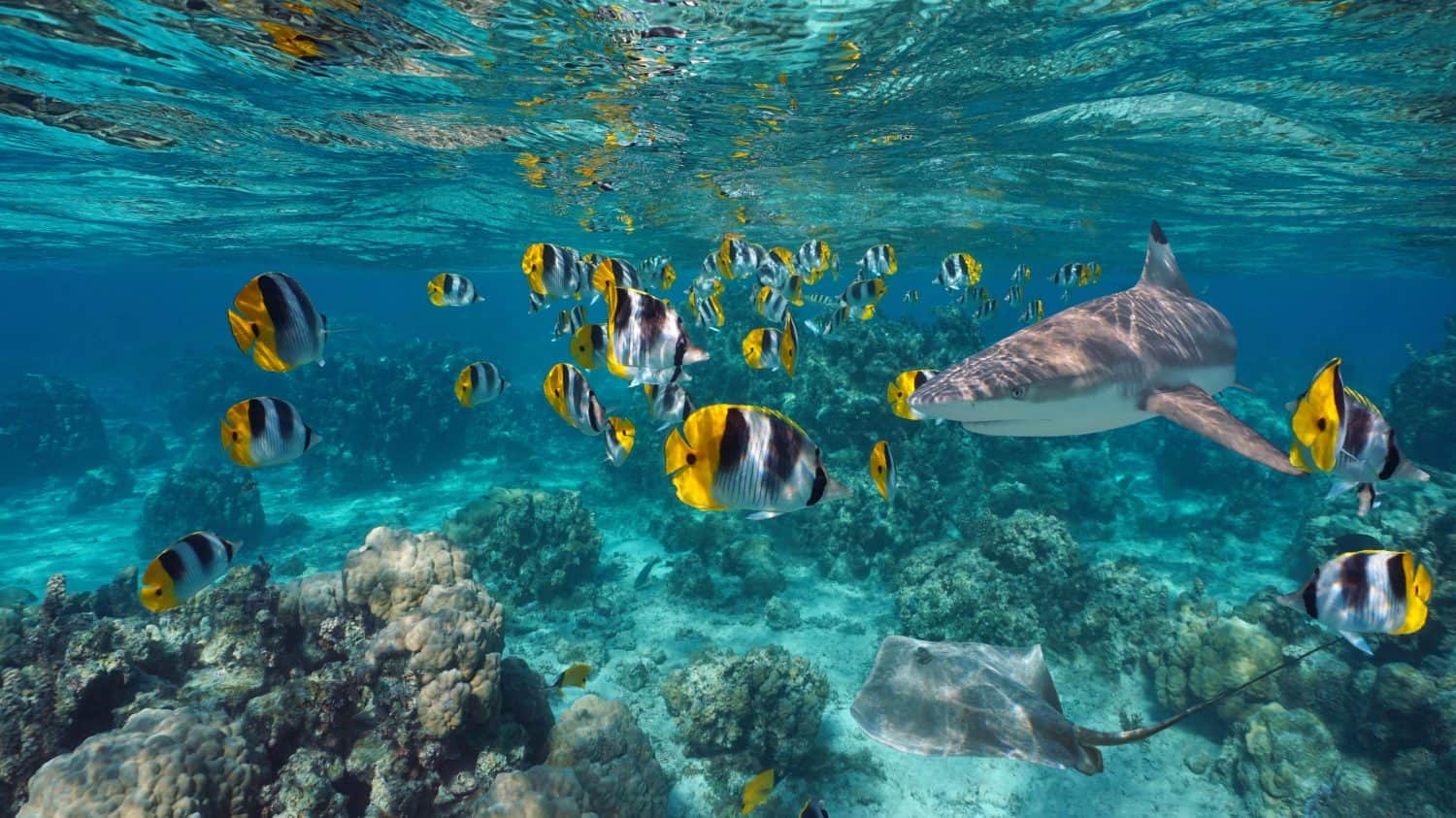
The biggest challenge ahead for sharks and rays will be governments enforcing CITES protection.
©Damsea/Shutterstock.com
While there is no denying that the sharks and rays being protected are a win for species conservation, there are still challenges ahead.
The greatest challenge in protecting these marine animals is enforcement. Illegal finning and black-market trade will persist unless individual governments take stronger action. Even after the United States enacted the Shark Finning Prohibition Act of 2000 and the Shark Conservation Act of 2011, sharks were still being caught in U.S. waters and finned. Shark fins were still being imported into the U.S. for shark fin soup and medicinal purposes. This highlights just how difficult it is to protect these animals, despite laws being in place to do so.
However, since the vote passed at the convention, there is hope that the world now recognizes sharks as a limited and vulnerable resource. If overfishing and illegal use continue, these animals could soon disappear forever, with no possibility of recovery.
Some Shark Species Can Still Be Hunted Under CITES Protection
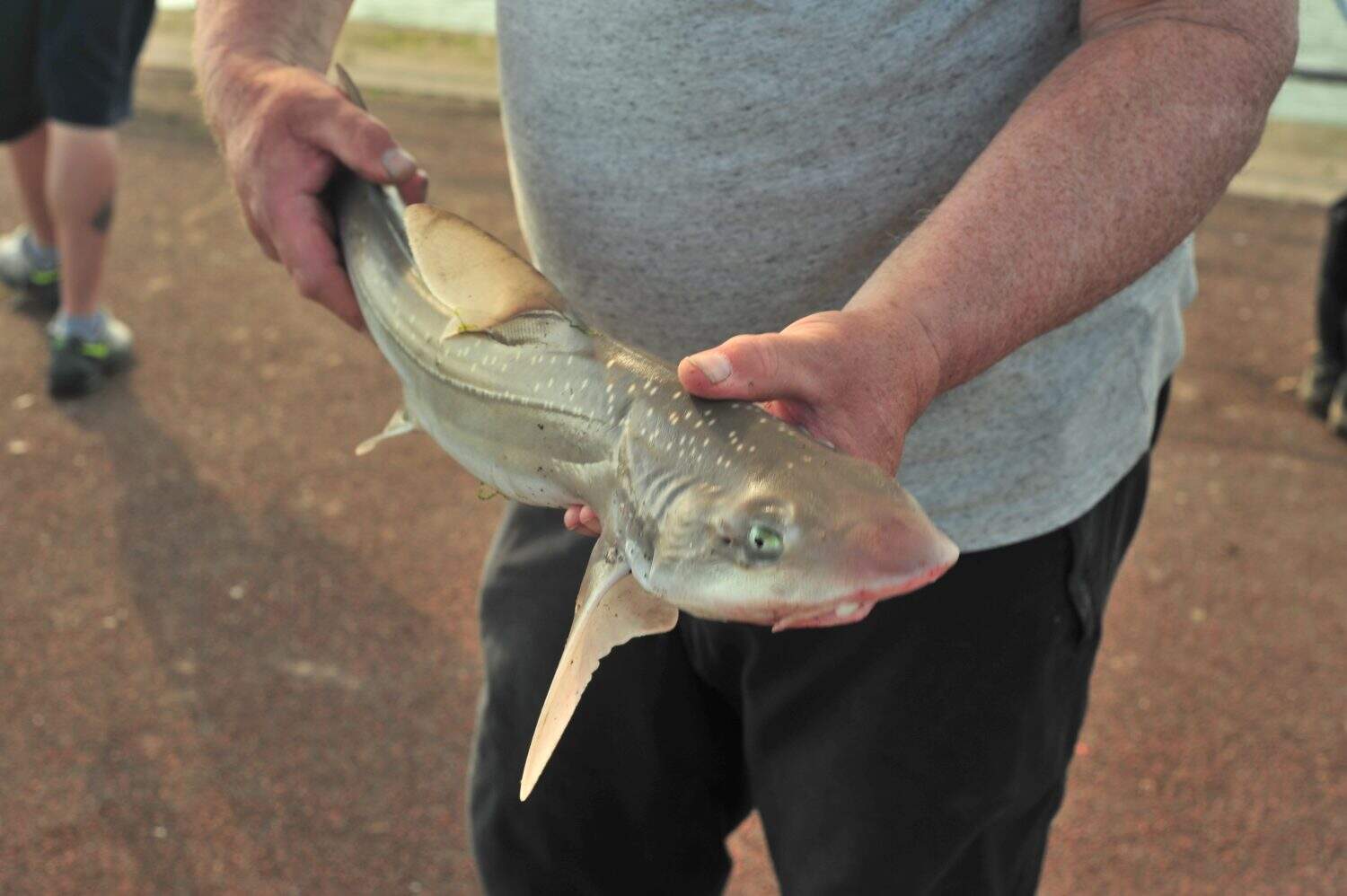
Sharks, like the smooth-hound shark, can still be hunted if their numbers are deemed sustainable.
©Jordan Fadden/Shutterstock.com
With so many sharks now protected by CITES, it might seem that shark hunting is no longer allowed. However, not all sharks received the same protection under CITES. Only those that fall under the Appendix I classification receive the highest level of protection. Sharks not listed under Appendix I may still be hunted.
While 70 species of rays and sharks were upgraded to Appendix I protection, other shark species were moved to Appendix II under CITES. Those sharks protected under Appendix II include:
- Tope sharks
- Smooth-hound sharks
- Deepwater gulper sharks
The difference between Appendix I and Appendix II is that those animals under Appendix I are not to be hunted or traded under any circumstances. Under Appendix II, the species can be hunted and traded provided there is proof that this is sustainable. This is because these species are not currently threatened with extinction.
Even though these sharks have a lower level of protection, their populations are still being closely monitored. With over 100 million sharks being killed every year, their populations are rapidly declining worldwide. Without protection from CITES and other international organizations, there is the very real possibility that sharks will go extinct in the near future. If this were to happen, entire ecosystems would collapse, and the health of the ocean would dramatically decline. This would affect not only marine life but also humans who depend on the ocean for survival.
The oceans need sharks. Although sharks are apex predators, history has shown that they pose less of a threat to humans than humans do to them. This is why it is crucial to protect these keystone species. Without protection, both marine and terrestrial ecosystems will be permanently altered.