
Quick Take
- Florida, California, and Texas top Terminix’s list of states with the worst termite activity.
- States in the northern U.S. are facing increased termite threats due to climate change.
- Termites can cause illnesses, including asthma attacks, skin irritation, and allergies.
- The most effective way to combat termite infestations is to prevent entry by sealing cracks in homes, maintaining a barrier between soil and wood, and removing food sources from around the home.
Termites can wreak havoc in the blink of an eye. While there are occasional signs that termites are present, often it is not until substantial damage has occurred that exterminators are called to end the infestation.
Fewer and fewer homeowners around the United States are immune to termites. With this in mind, Terminix conducted a study to identify hotspots of termite activity nationwide. Is your state one of Terminix’s “Top 10” for termite activity in 2026? Read on to see.
Coastal and Southern States Top the List for the Most Termite Activity in 2026
As the snow melts and spring begins to make its presence known, many anticipate more sunshine and warmer temperatures. It is not only people who look forward to a change in temperature, however. Insects do as well. One in particular, the termite, thrives in warmer weather. This means that spring and summer are prime infestation times for the destructive insect.
According to a new study conducted by Terminix, some states are more affected than others by termite activity. These states tend to be in the southern U.S. and along its coast, due to the warm temperatures and high humidity.
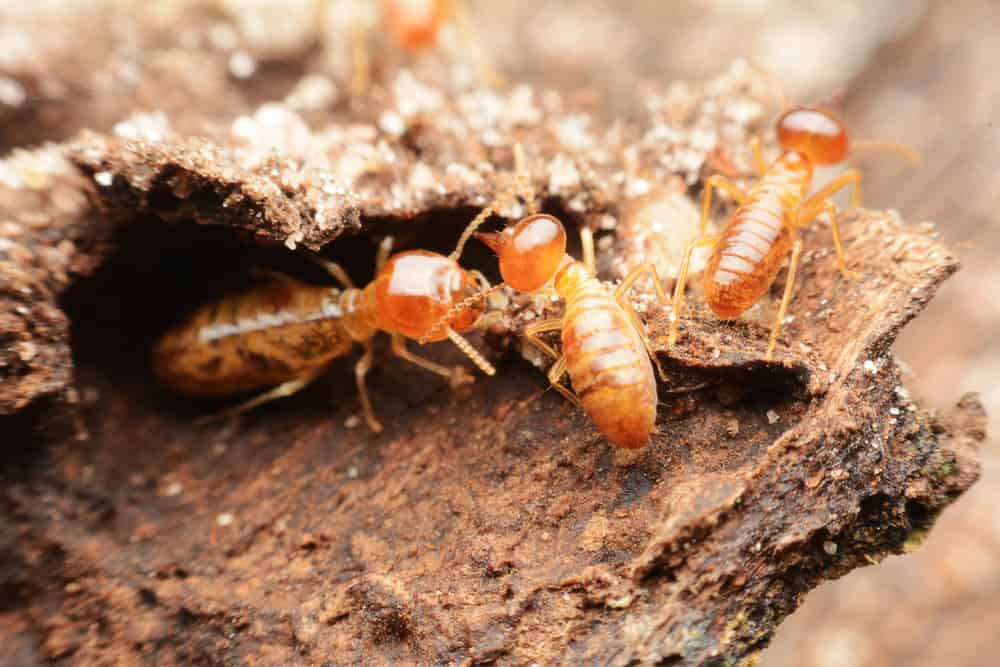
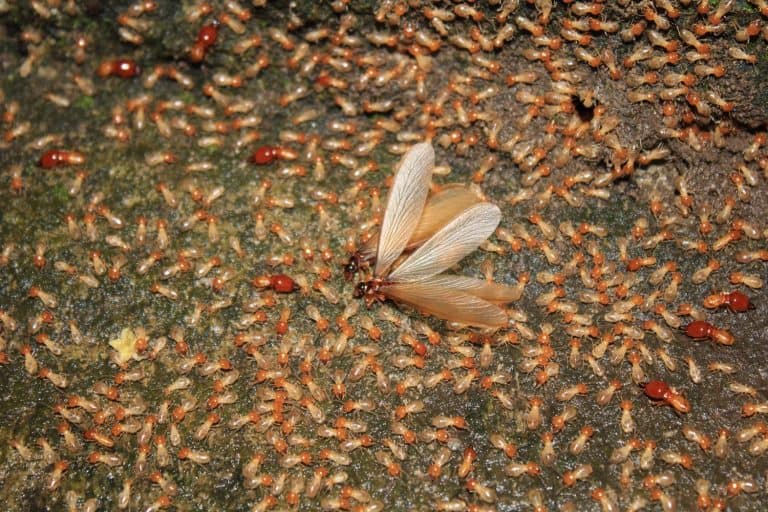
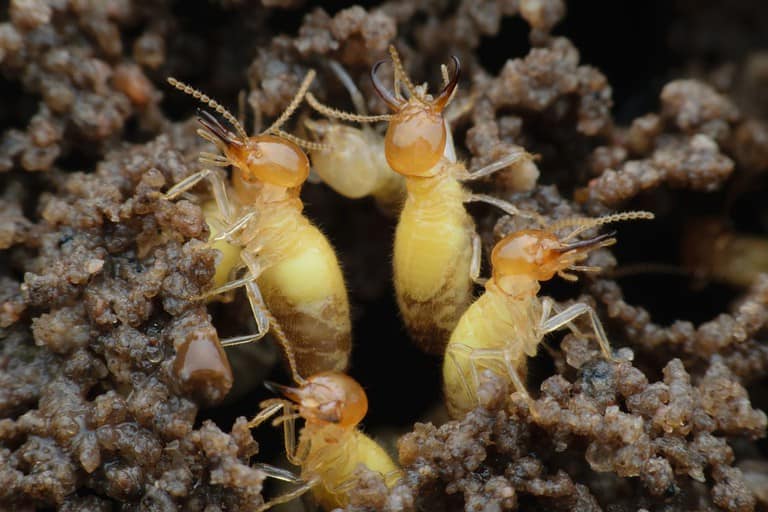
Florida, California, and Texas are among the states with the most termite activity.
©BEJITA/Shutterstock.com
The states that the study names as the worst for termite activity include:
- Florida
- California
- Texas
- Georgia
- Tennessee
- Pennsylvania
- Arkansas
- Ohio
- New York
- Maryland
Unlike other states on the list, Florida deals with the pressure of termites year-round. Consequently, they are consistently the top state to use termite-fighting services by homeowners each year.
In addition to these being the states where Terminix was called most often to handle termite infestations, states that had not previously dealt with, or had only sporadically dealt with, termite problems are now seeing an increase. According to the study, this is in the north in states like New York and Ohio.
While being in one of these high-termite-invasion states puts homeowners at greater risk, it does not automatically mean termites will invade every home. However, it does mean taking additional precautions to ensure that, if termites are detected, they can be dealt with swiftly to minimize damage.
Climate Change Is Anticipated to Worsen Termite Problems
It used to be that termites were restricted to certain regions of the United States. While southern and coastal states are still the most prone to termite infestations, states that never used to have a termite problem are no longer immune. This is because, as the temperature on the planet continues to rise, more habitats become available for termites. Consequently, termites now have options to feed in states that have never seen termite activity. Very few states are currently immune.
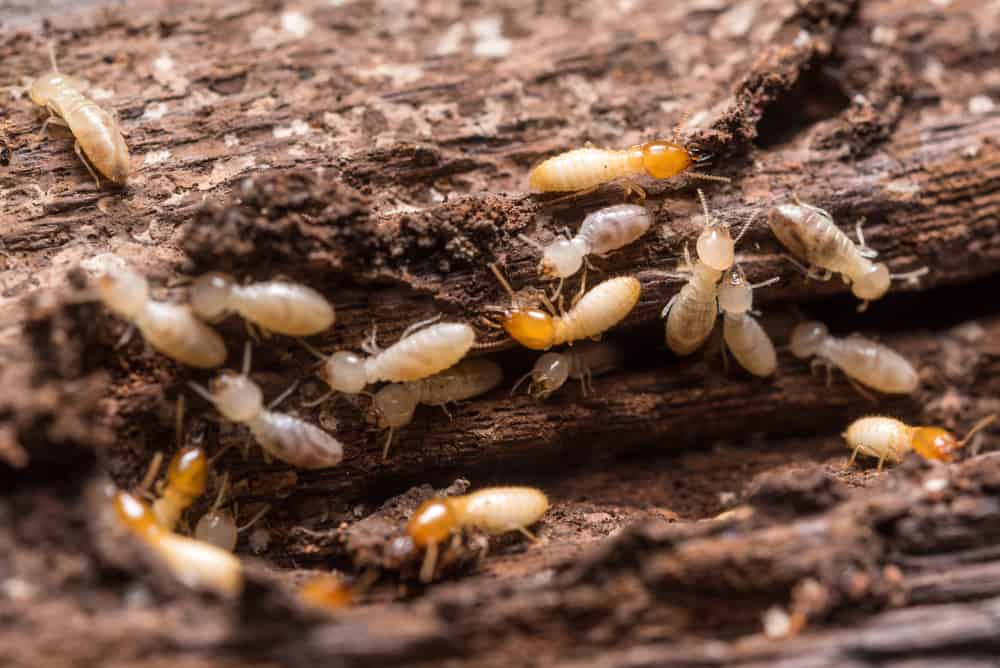
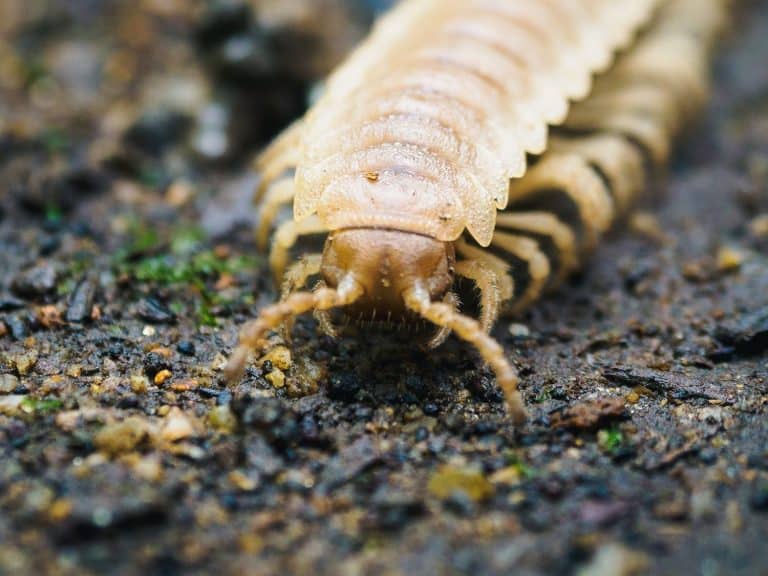
Termite infestations are only expected to worsen due to climate change.
©ChaiyonS021/Shutterstock.com
According to a September 2022 study published in Science, for every 10 °C increase in Earth’s temperature, termites consume 6.8 times more wood. To put this in perspective, termites tend to thrive in temperatures between 70°F and 90°F (21°C to 32°C). This was typical summer weather for states across the nation. Now, temperatures fluctuate significantly throughout the year. These temperatures are no longer associated solely with summer. Instead, several states fall within this range for a significant portion of the year.
As temperatures continue to rise due to climate change, termites are able to survive for longer periods. They also get hungrier. To add insult to injury, as drier climates dry out the wood, it becomes easier for termites to feed on it. The more wood consumed, the more carbon is released from the carbon pool, thereby accelerating climate change.
Do Termites Pose Health Risks?
Termites are insects that are not often seen. This is often why they are called “silent destroyers.” The name is incredibly appropriate, given that many homeowners do not realize a termite infestation has occurred until damage is noticed.
Termites are problematic because they eat wood so efficiently. But it is not only structural damage that makes them a burden to homeowners. Health risks associated with termites can compound a termite problem, making it even more of a pressing issue to exterminate them before illnesses worsen.
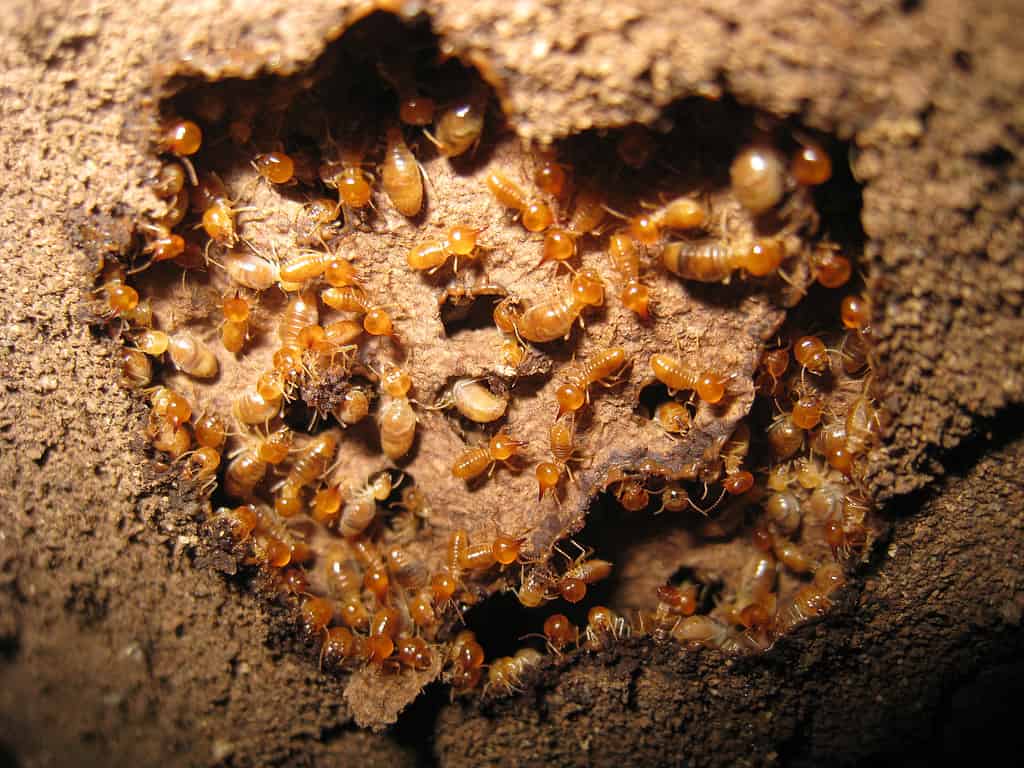
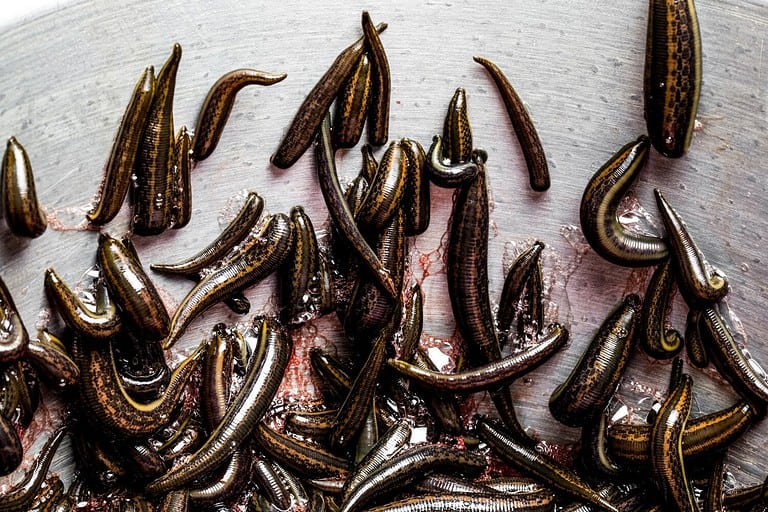
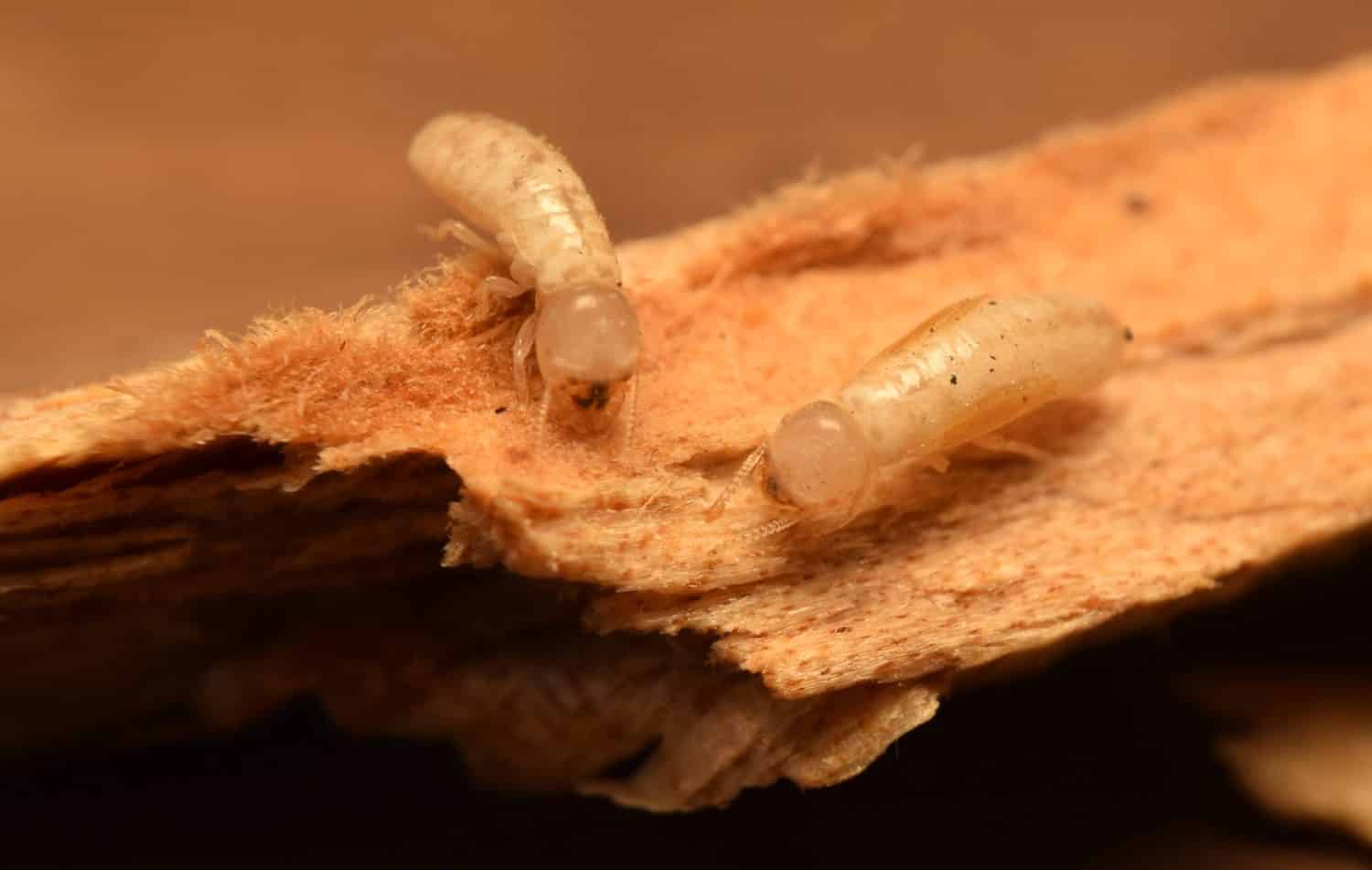
Termites can cause a host of health issues, including allergies, asthma attacks, skin irritations, and more.
©Cheng_Wei/iStock via Getty Images
Some of the health issues associated with a termite infestation include:
- Allergic reactions to termite saliva and droppings
- Dust created by termites can trigger asthma attacks
- Coming into contact with termite droppings can cause skin irritation or allergies
- As termites damage the bones of a home, the air quality inside can become contaminated
While it is often just the structural damage that is spoken about when it comes to termites, health issues are a large problem as well. This is why termites are such an issue in the United States and why prevention is essential to stopping infestations in their tracks.
Cost of Damage Termites Cause in the United States Annually
Termites are such small insects that it seems impossible that they are capable of causing massive amounts of damage in a short time. Termites work at such an incredible speed once they invade a home that, in some instances, an incredible amount of destruction to a home can occur in as little as six months. What is the cost of that damage, though?
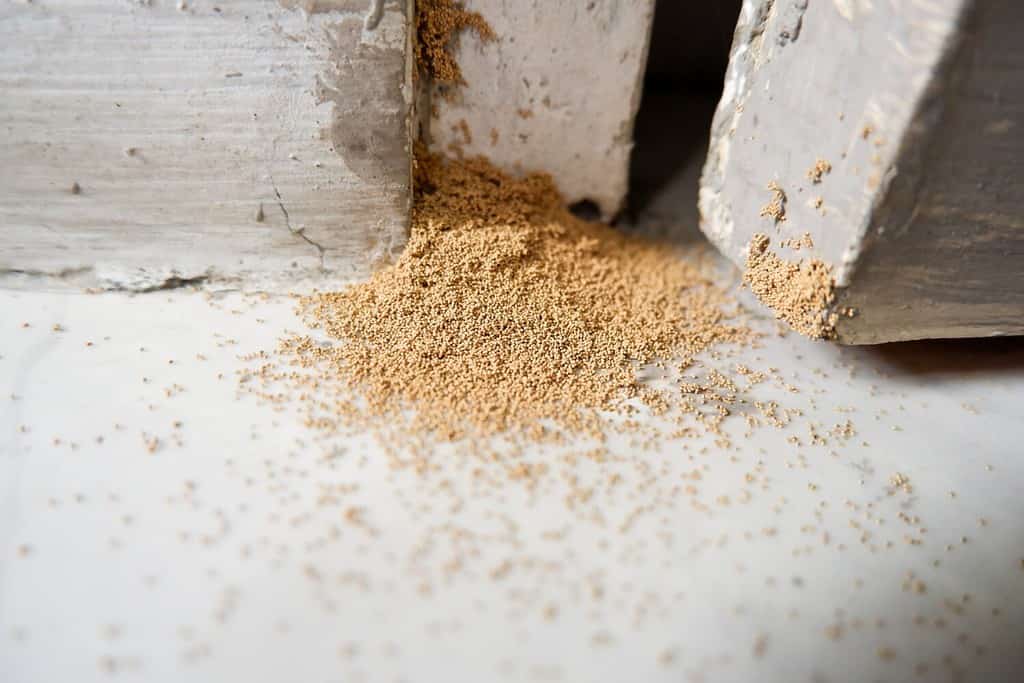
Damage to homes caused by termites averages billion or more each year.
©Raja Sopan Purba/Shutterstock.com
Each year, about 600,000 homes are infested with termites nationwide. For the average homeowner, this translates to approximately $3,000 in removal fees and repairs. At a broader scale, costs for both preventing and removing termites, as well as repairs after extermination, total $5 billion annually.
Termites do not only cause damage to homes, however. They are also responsible for crop damage and support structures around a property. This adds an additional $30 billion in damage in the United States each year.
Termites are not going anywhere. This is why protecting homes and other structures is so important for those who live in termite-prone regions, and perhaps, those adjacent to them.
How Can Homeowners Protect Against Termite Damage?
With nearly half of the United States classified as having “very heavy” or “moderate to heavy” termite activity, according to the study, homeowners are scrambling to ensure they are as protected as possible against termite infestations and resulting damage. This means homeowners must take an offensive approach against the insects rather than a defensive one.
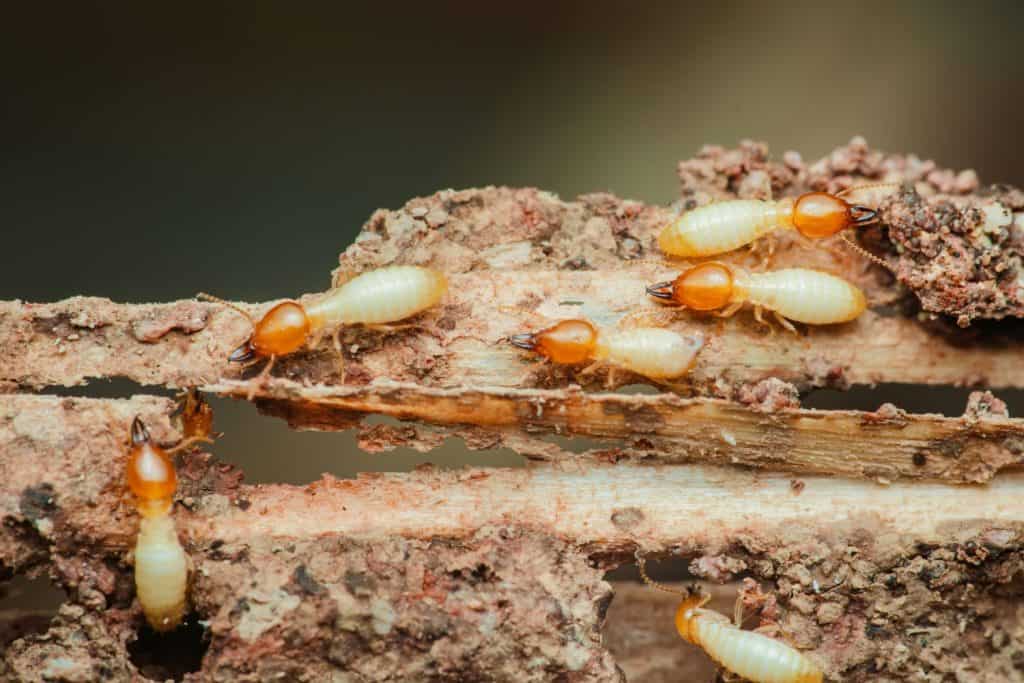
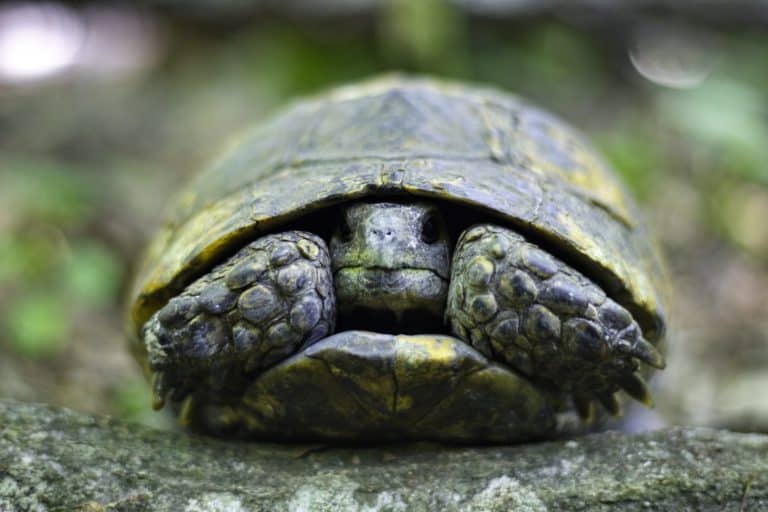
The best way to keep termites from infesting a home is to be prepared.
©Pawich Sattalerd/Shutterstock.com
Some of the best ways that homeowners can protect their properties against termites include:
- Create a gap of at least six inches between wood structures and soil to stop termites from going directly to their tunnels to the home
- Keep moisture around the home minimized by fixing leaky pipes, hoses, air conditioning units, or anything else that dispenses a consistent source of water, as the moisture attracts termites in droves
- Remove any potential sources of termite food away from the home, including old, dead trees and firewood
- Seal cracks and crevices in the home to stop termites from entering
- Set up bait stations around the house to deter colonies from forming
- Have annual inspections by experts to make sure termites are not silently entering the home and causing damage
Creating an inhospitable environment for termites reduces the likelihood of invasion. When entry points are difficult to access, there is no access to moisture, and insects must emerge from the ground to move to wood-laden areas, they will then look for other sources of food. This is why the most effective course of action against termites is to prevent them from establishing a colony, before thousands of dollars are spent not only to rid a property of termites but also to repair damage after they are gone.