Quick Take
- Reptiles are susceptible to a symptom known as “stargazing,” which is often a manifestation of a fatal viral illness.
- If your reptile is showing signs of stargazing, seek immediate care from an exotics veterinarian.
- Stargazing serves as a critical reminder of the importance of quarantine in reptile husbandry.
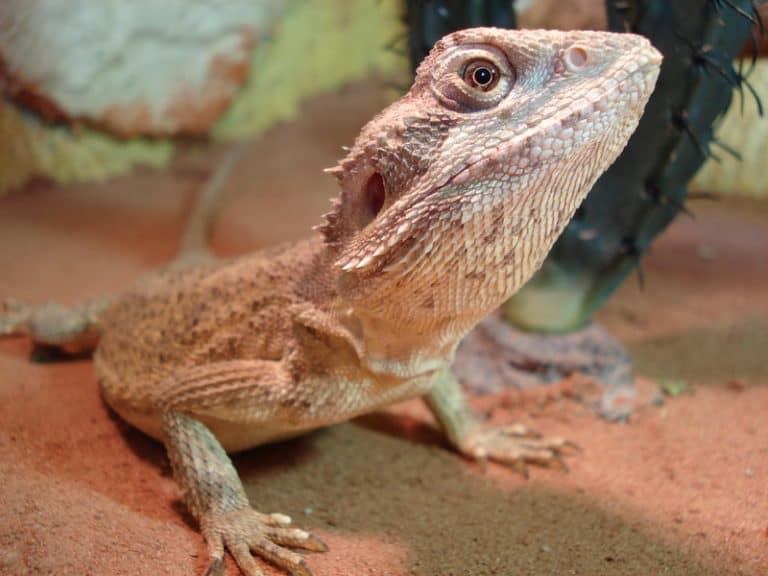
There’s a strange phenomenon that triggers a “stargazing” posture in reptiles. If you’ve ever seen this behavior in your own pet, you might know that it’s not as cute as it appears to be. In fact, it’s typically a sign of something serious, like central nervous system distress or Inclusion Body Disease (IBD). This is particularly true in pythons and boas, as well as some lizards.
Stargazing is a symptom of a serious disease, not an actual disease itself. However, it could indicate a fatal outcome for some reptiles. If you notice your pet reptile with its head tilted back, facing up toward the sky, you’ll want to seek immediate care—especially if you have multiple reptiles.
The prevalence of this issue highlights the importance of quarantine in reptile husbandry. If you’re looking to learn more as a pet owner, we spoke with a reptile expert to help you better understand how to address stargazing in your reptilian friends.
What Is ‘Stargazing’ in Reptiles?
Stargazing in reptiles is not at all what it sounds like. In other words, these little guys aren’t gazing fondly up at the stars, awestruck by the view. Stargazing merely describes their posture, which can be a sign of a serious illness.
“Star-gazing is a body position in which the head and neck are deviated in an upward direction, which can range from slightly elevated to a greater than 90-degree skyward deviation, almost perpendicular to the ground, i.e., stargazing,” says Dr. Todd Cecil, exotics veterinarian at Pet Emergency & Specialty Center in La Mesa, California, a Thrive Pet Healthcare partner.
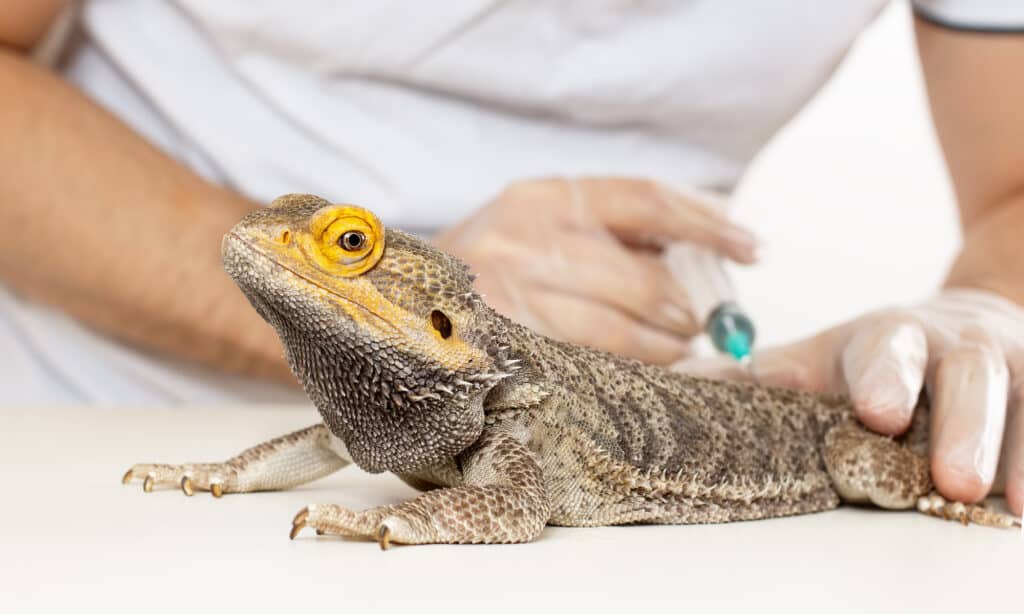
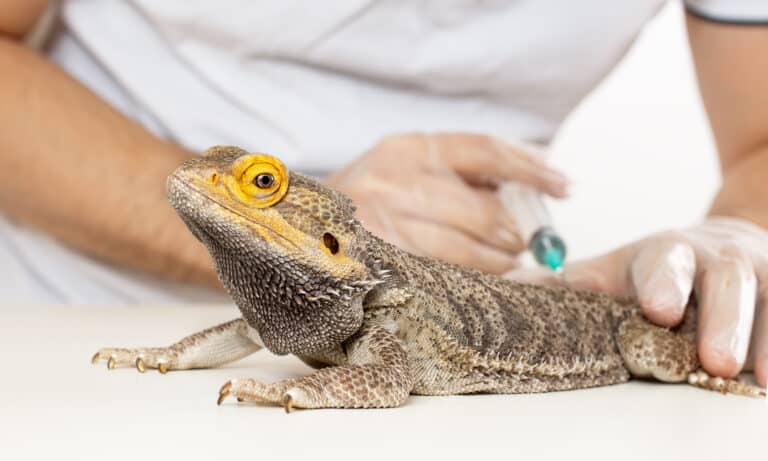
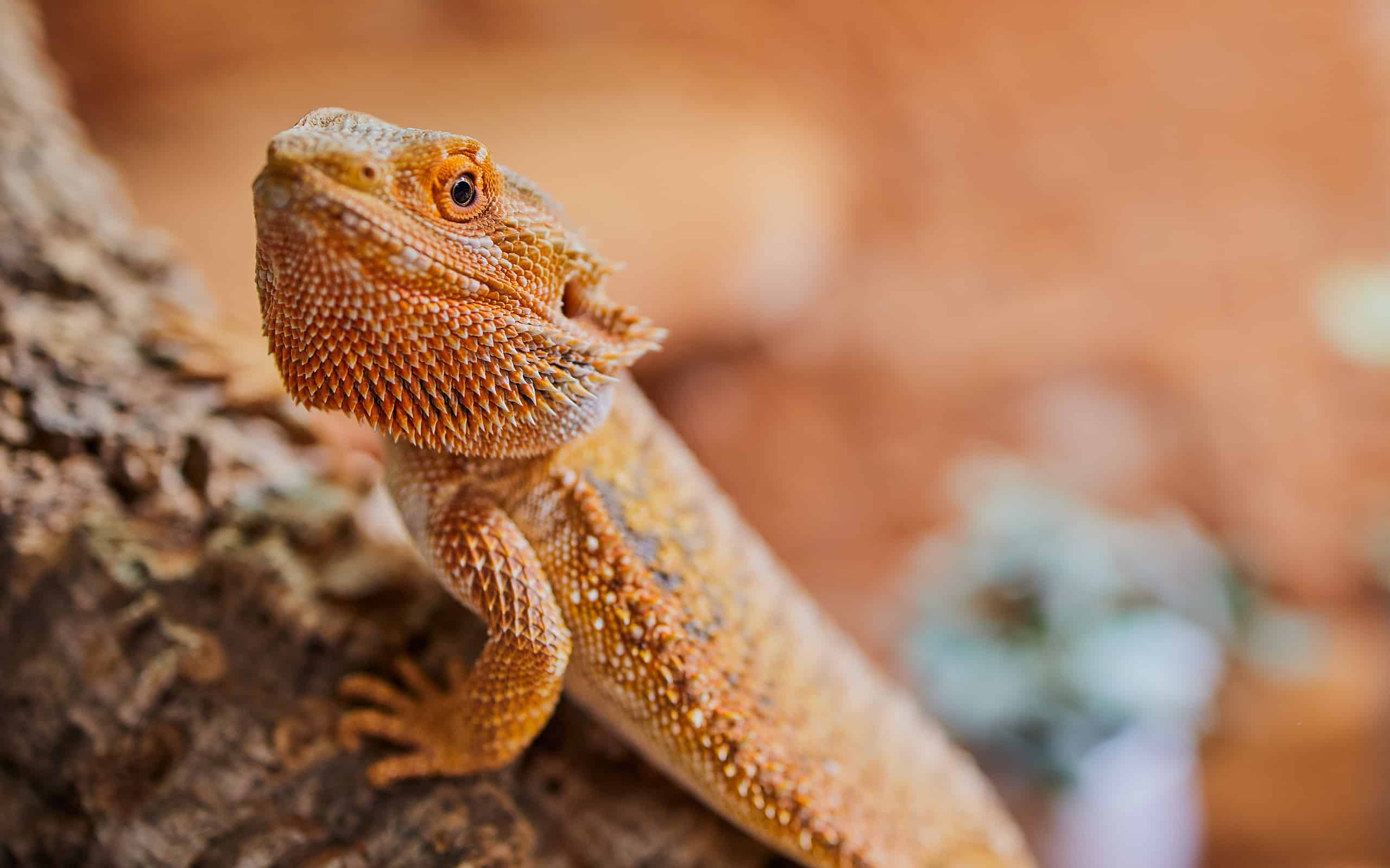
It’s important to seek medical care for your lizard if it’s showing signs of distress, like stargazing.
©iStock.com/Kukurund
According to Cecil, “This can be an indication of a serious neurological condition.”
Most commonly, this phenomenon occurs in reptiles like snakes and bearded dragons, some of which are kept as pets. This is why reptile husbandry is crucial to avoid the spread of potentially deadly diseases. Once one reptile becomes sick, the others are immediately at risk because these fatal viruses can spread and progress rapidly.
To prevent these diseases and many more, it is important to quarantine all new animals upon arrival.
Dr. Todd Cecil, exotics veterinarian at Pet Emergency & Specialty Center in La Mesa, California
Causes of ‘Stargazing’
As stated above, stargazing is often a result of a physical health condition like central nervous system distress or IBD, a highly contagious and fatal viral disease.
According to Cecil, some of the most common causes of stargazing include “head trauma, heat stroke, bacterial or viral encephalitis, metabolic disorders (liver, renal), and other etiologies.”
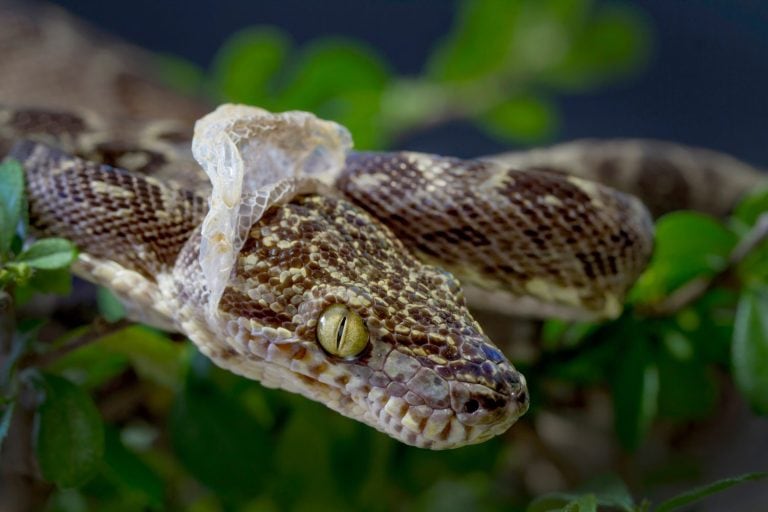
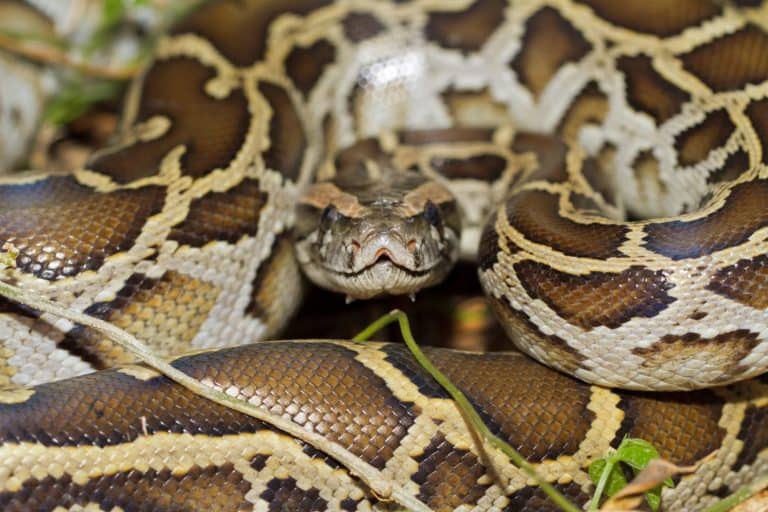
“With the snakes, both boas and pythons, a common cause is the viral agent, which is termed Inclusion Body Disease (IBD),” he explains. “This neurological disease is progressive, non-treatable, and eventually fatal. The disease is thought be due to a retrovirus and often involves transmission through a biting insect (mites), first feeding on an infected individual, then the new host.”
Bearded dragons often experience stargazing from the adenovirus.
©Claudia Nass/iStock / Getty Images Plus via Getty Images
Other viruses can also trigger stargazing in certain reptiles, so it’s not always a guarantee of IBD. This is especially true in bearded dragons.
“Bearded dragons also have a viral etiology associated with the clinical signs of stargazing,” Cecil says. “The adenovirus infects the liver and, through this organ’s dysfunction, leads to neurological signs.
Addressing Stargazing in Reptiles
Depending on the specific cause of stargazing, some conditions cannot be cured. Unfortunately, once a virus progresses to this stage, it often becomes fatal. At that point, it’s important to quarantine other reptiles and seek immediate help from an exotics vet.
“At this time, there is no specific treatment, but supportive care could alleviate clinical signs,” Cecil says. “However, it is not known whether these survivors are clinical carriers and can shed the virus to others throughout their lives.”
Stargazing serves as a critical reminder of the importance of quarantine in reptile husbandry, as its causes can be both progressive and deadly.
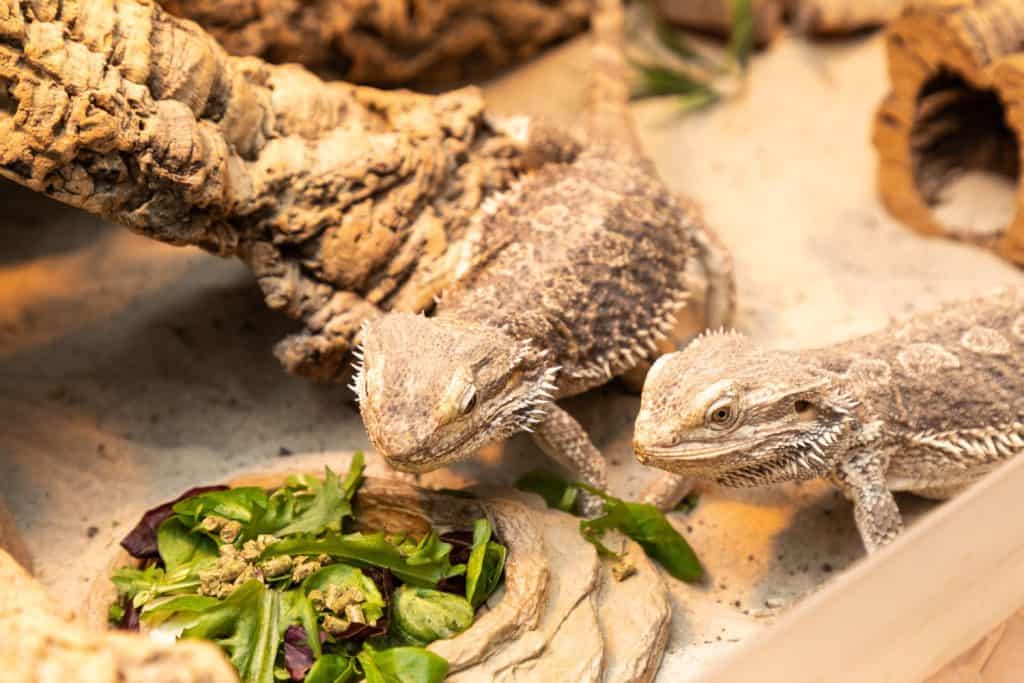
Stargazing behavior can present unique challenges for reptile husbandry.
©Nicole Lienemann/Shutterstock.com
“To prevent these diseases and many more, it is important to quarantine all new animals upon arrival,” Cecil continues. “Isolation and observation for 30 or more days should give ample time to monitor individuals for signs of disease.”
Additionally, you should take your reptile to a veterinarian before introducing it to your other pets. Make sure you visit an exotics vet who has experience with this condition.
“Also of importance is to have all new acquisitions examined by a reptile-savvy veterinarian prior to introduction to an existing group, and some diagnostic tests could be recommended,” Cecil says.