
Quick Take
- Matabele ants, and some other species, rescue their injured comrades when on hunting raids.
- Nestmates lick the wounds of their injured comrades to prevent infection.
- Injured ants call for assistance by releasing a special help pheromone.
- Ants with amputated legs can run almost as fast as uninjured ants within 24 hours if they have received medical attention from comrades to prevent infection.
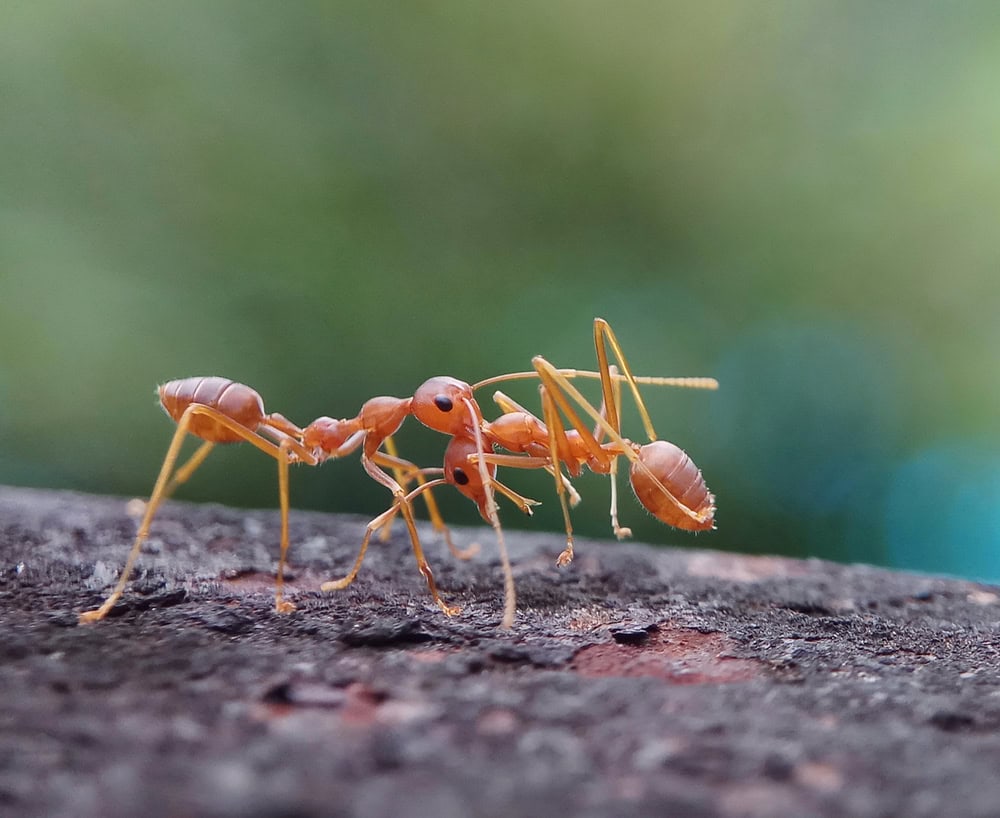
Humans are not the only animals to have a dedicated health care system. Some super-organized ant species not only recognize that their comrade is injured but actually carry them back to the ant nest and tend to their wounds. There is even some evidence that a few ants exaggerate their injuries to ensure they receive medical attention.
Hunting Is a Dangerous Activity for Ants
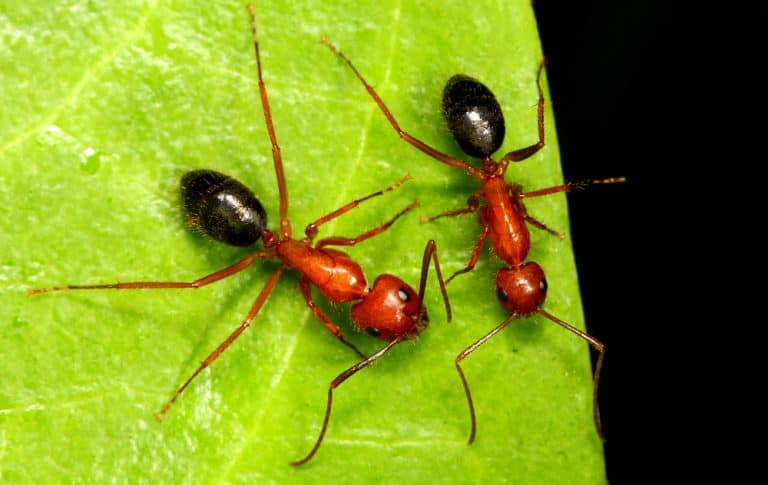
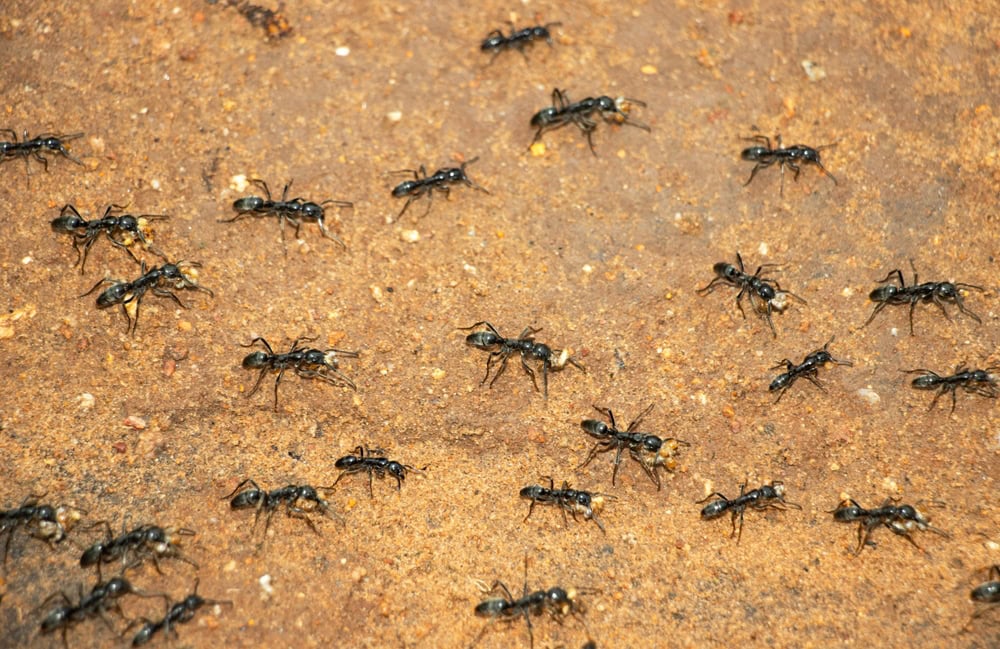
The Matabele ants (Megaponera analis) are highly specialized termite predators. They are a native species of sub-Saharan Africa and only hunt one type of termite who belong to the subfamily Macrotermitinae. When hunting, groups containing between 200 and 600 ants travel up to 160 feet away from their nest in a column formation. In the lead is a scout ant that will have previously identified the termite nest location.
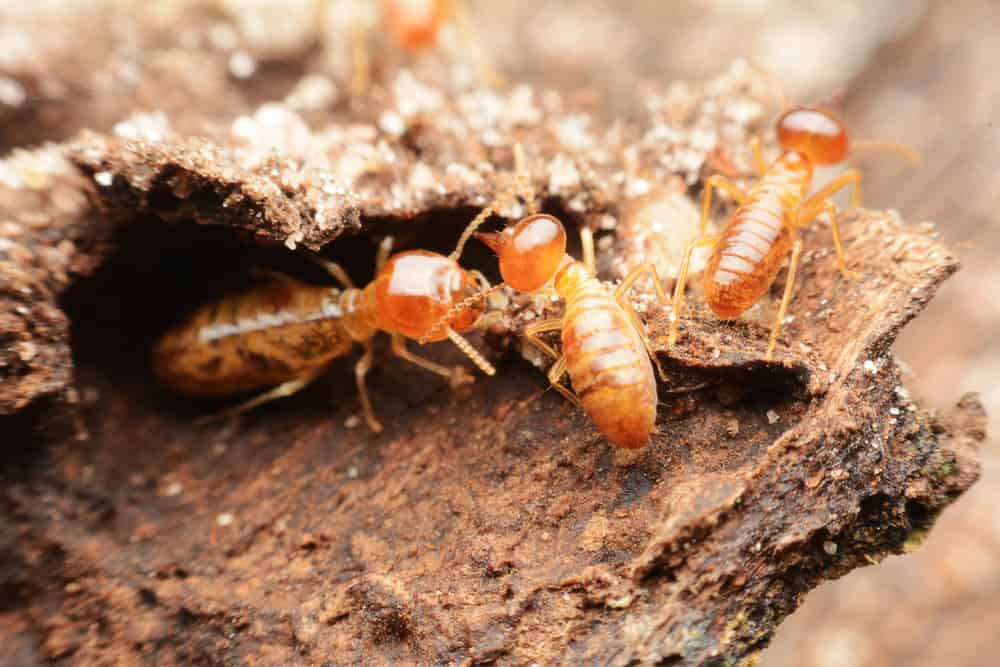
Termites can inflict nasty injuries on ants.
©BEJITA/Shutterstock.com
Once they reach the termites, the ants take on different tasks. The ‘majors’ break apart the soil layer covering the termites. Then, the ‘minors’, who are half the size of the majors, enter the termite nest to kill the prey and carry it out. The actual killing during the hunt takes about 10 minutes. Then, the ants pick up the dead termites using their mandibles (jaw-like appendages at the front of their head) and carry them back to the nest.
The problem here is that termites do not give up without a fight. They, too, are highly organized, and termite soldiers have very strong mandibles that can do a lot of damage to an ant! During the battle, ants can lose limbs or even have termites hanging off them when they arrive back at their nest. Given the large number of ants in the colony, one might expect them to accept these injuries as collateral damage and abandon the wounded ants, but that is far from the truth.
Call in the Medics
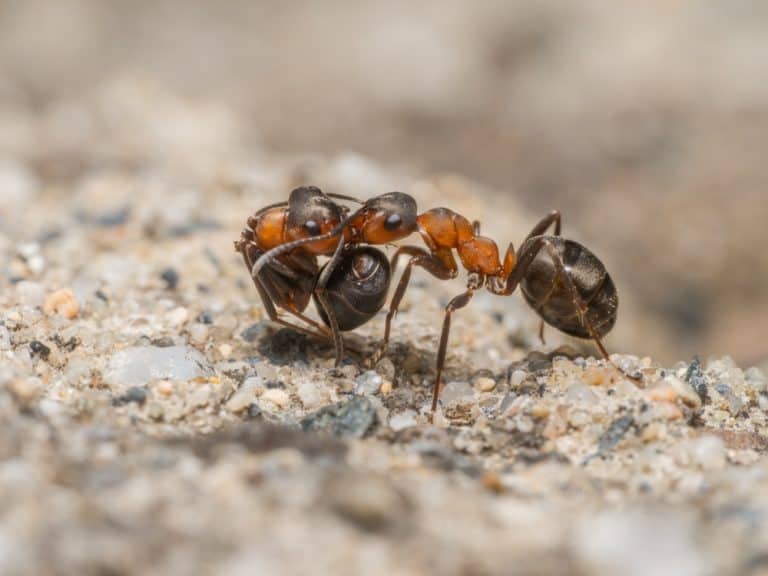
Before the raiding party returns to their nest with their loot, the ants search the area for injured comrades. An injured ant can signal that it is in trouble by releasing pheromones from its mandibular gland. When an ant finds an injured nestmate, it picks them up and carries them on its back. Fatally injured ants, however, are left behind.
Back at the nest, the first task is to remove any persistent termites still clinging to an injured ant. To do this, a nestmate pulls on the termite, while the injured ant pulls in the opposite direction. If this does not work, the nestmate bites the termite’s head off. Termite removal can be a lengthy process, sometimes taking several hours, and even biting off the head does not always work. Researchers have observed a termite head attached to an injured ant two weeks after its body had been bitten off.
However, the triage system can be brutal. Heavily injured ants are carried out of the nest and dumped some distance away. The uninjured ants use their antennae to check out the injured comrades. Injured ants are also frequently groomed at the site of their injury. They even hold up the damaged limb with their mandibles and front legs, then intensely lick the wound for up to four minutes at a time. This behavior is also seen in several other species of ant.
Infection Control Policy
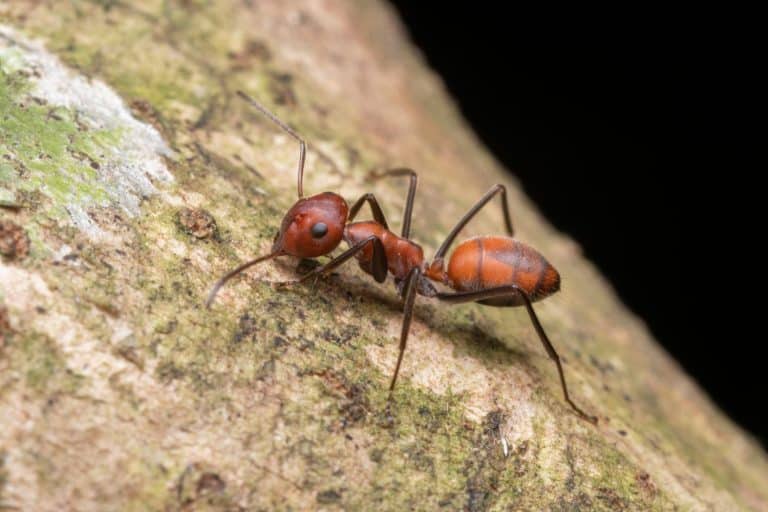
There are some very good reasons for the ants behaving like this. They are social insects, and infections can spread rapidly from one ant to another. Also, thanks to the low genetic diversity, they are all susceptible. Therefore, they have adopted behaviors that create a ‘social immunity’ rather than relying on each individual’s immunity. This includes removing dead ants and waste and using antimicrobial nest material. Another key behavior is using chemical defences against infection. Their metapleural and venom glands excrete antimicrobial substances, which they spread across the injured ant’s cuticle.
Infections can be spread between Matabele ants in the nest.
©Nick Greaves/Shutterstock.com
Studies have shown that nestmates lick the open wound directly, both removing dirt and applying antimicrobial substances.
Is It Really Worth Ants Rescuing Each Other?
Ants live in large, highly organized colonies. There is a big population turnover and a high birth rate. You might assume, therefore, that each individual worker is not highly valued, as they could easily be replaced. Yet, injured ants who recover sufficiently to be able to walk around are still an asset to the colony.
Ants that have lost limbs quickly adapt, using a four- or five-legged gait in less than 24 hours. Careful observations of amputee ants have shown that, 24 hours after their injury, they can run almost as fast as their six-legged colleagues. So, provided the ant can survive the initial injury, it is still useful.
It seems that the main danger amputees face is infection, so if the injured ant can be retrieved and treated, it remains useful. Moreover, around a fifth of each raiding party is injured during each outing. Therefore, providing first aid helps prevent the colony’s numbers from being drastically reduced.
Do Some Ants Exaggerate Injuries to Get Rescued?
It is true that injured ants act differently in front of their colleagues. They either stay still or move more slowly. From a human perspective, it may appear that the injured ants are exaggerating to get attention.
Actually, this is not the case. Researchers have concluded that the injured ant is simply maximizing its chances of being picked up by moving slowly. Also, their help pheromone is likely easier to detect if they are moving slowly. If there are no nestmates around to rescue them, they must speed up and attempt to get back to the nest before being attacked by termites.