
When you’re first getting started with wildlife photography, it helps to begin with the easiest captures. For example, you likely won’t have much success trying to photograph a tiny, skittish hummingbird on your first attempt. However, some animals provide ample opportunities for you to snap a decent shot.
I spoke with Don Orkoskey, owner of WDO Photography, about his experience capturing wildlife. Here are the easiest animals to photograph, according to a pro wildlife photographer.
1. Deer
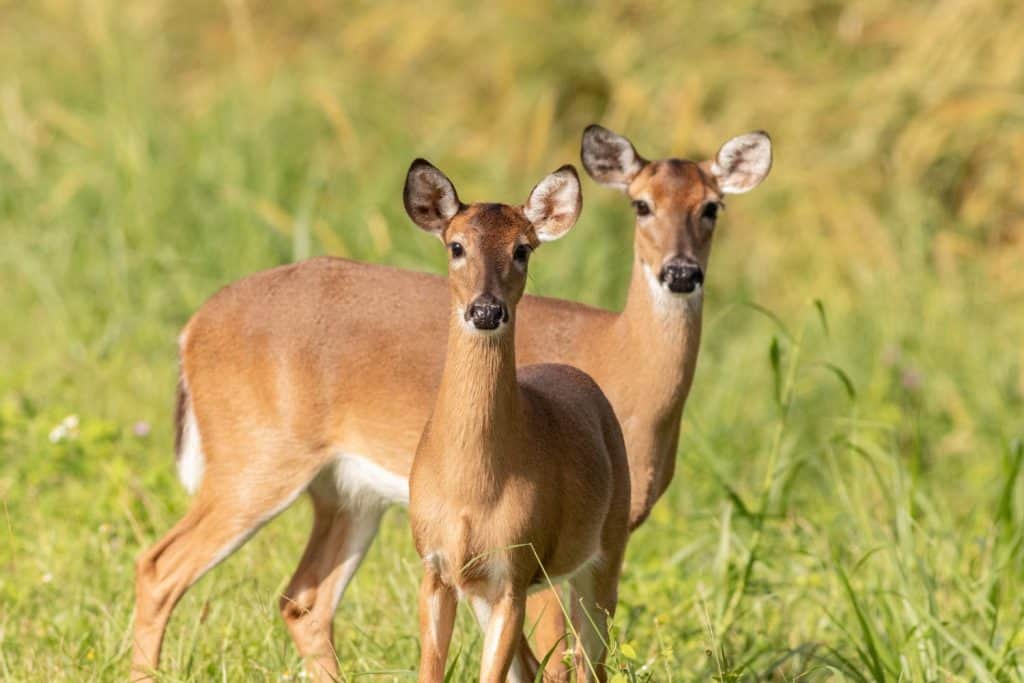
It’s easy to capture photos of deer in the wild.
©Omar F Martinez/Shutterstock.com
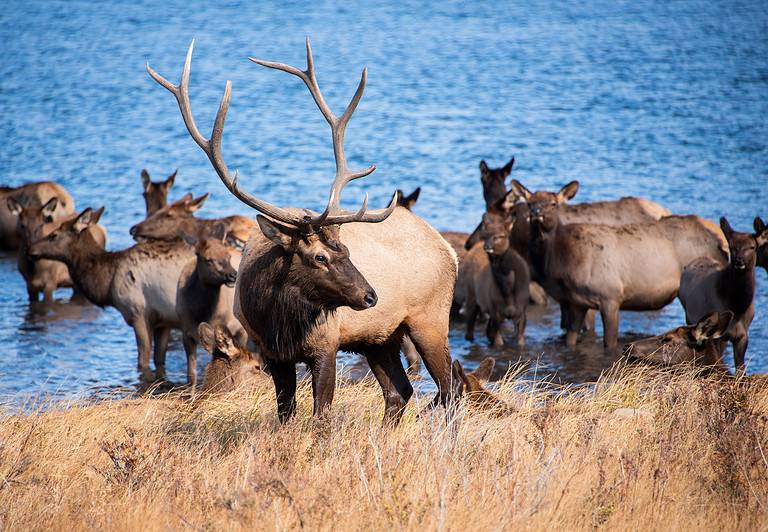
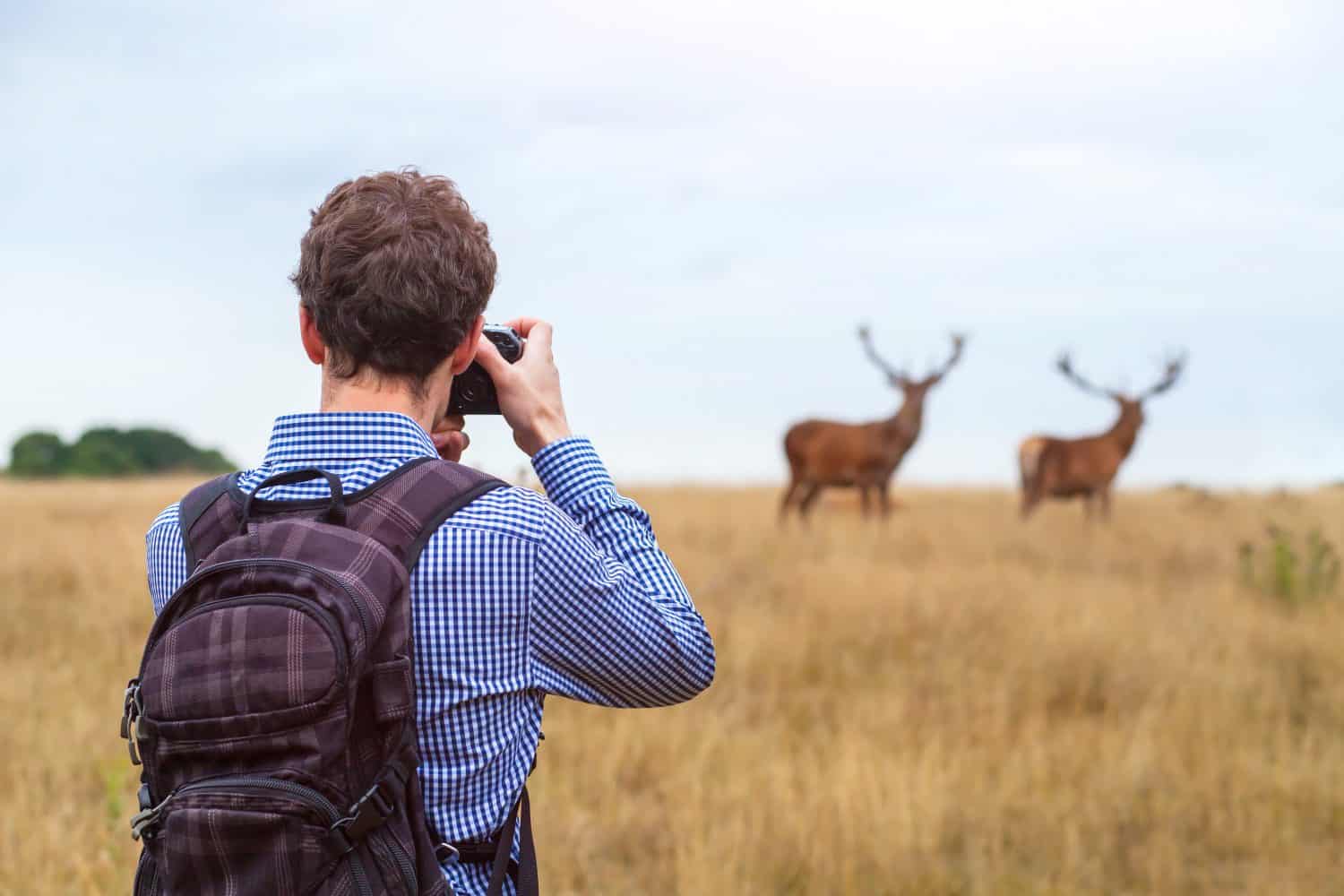
Deer are some of the easiest animals to photograph. As Orkoskey says, they’re abundant across various convenient locations in the U.S. In fact, some of them will even venture onto someone’s front lawn or settle in an open field, as if they’re posing for you.
“When it comes to wildlife photography, [the] easiest animals to capture [are] large common animals,” Orkoskey points out.
Specifically, he notes that deer are growing accustomed to being near people, so they aren’t as quick to flee as other animals might be.
“Therefore, you can often get close enough to them to use a 200 or 300mm lens and capture great photos of them,” he adds. “My advice for photographing deer, as with most other wildlife, is to do so early in the morning.”
Additionally, autumn provides the ideal landscape for photographing deer.
“This is both because of the dynamic, bright, colorful foliage you’re able to include, as well as antlers on male deer,” he explains. “That said, I also love to photograph deer in the late spring after they’ve given birth and are raising their babies. Baby deer with their spots are really special.”
2. Large Birds
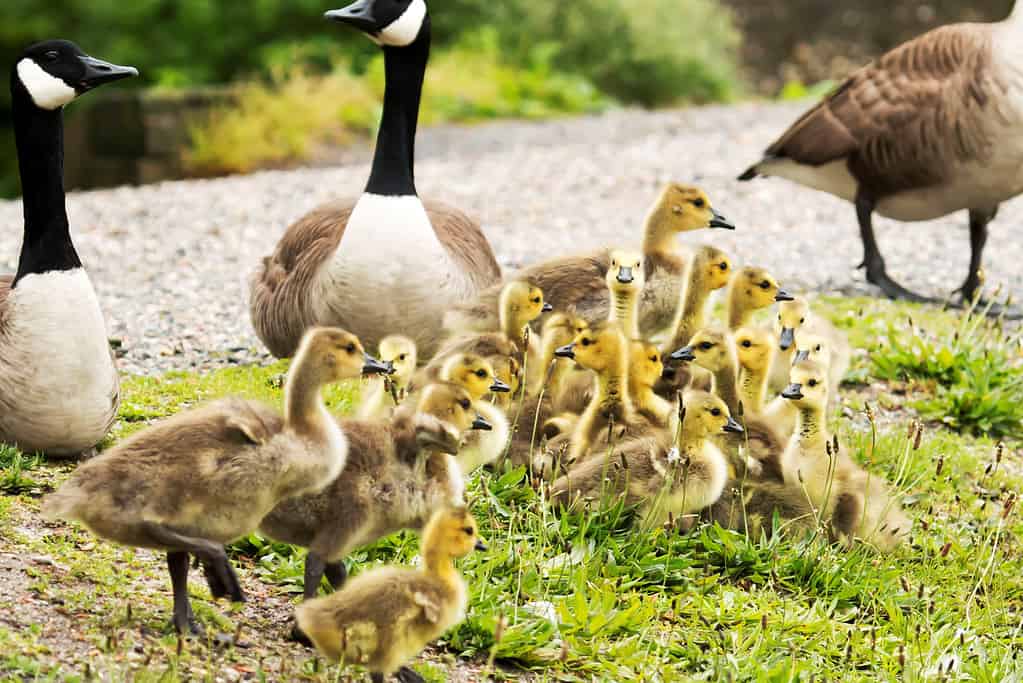
Pro tip: Don’t get too close to a family of geese.
©WoodysPhotos/iStock via Getty Images
While smaller birds might be a bit more difficult to capture, large birds—like geese, ducks, and herons—are usually fair game.
“These can be wading birds like herons or even the ubiquitous Canada geese,” says Orkoskey. “The benefit of photographing them is that, given their size, they’re fairly easy to focus on even when in flight.”
He notes that Canada geese are more abundant than other large birds. However, while they are unlikely to flee, they may become aggressive if you get too close. These birds are notorious for their aggression, especially during the spring when protecting their nests and young. That being said, keep your distance and watch for any defensive or threatening behaviors. Mama geese don’t mess around.
The great thing about starting to do wildlife photography is that you can do so anywhere.
Don Orkoskey, professional wildlife photographer
3. Squirrels
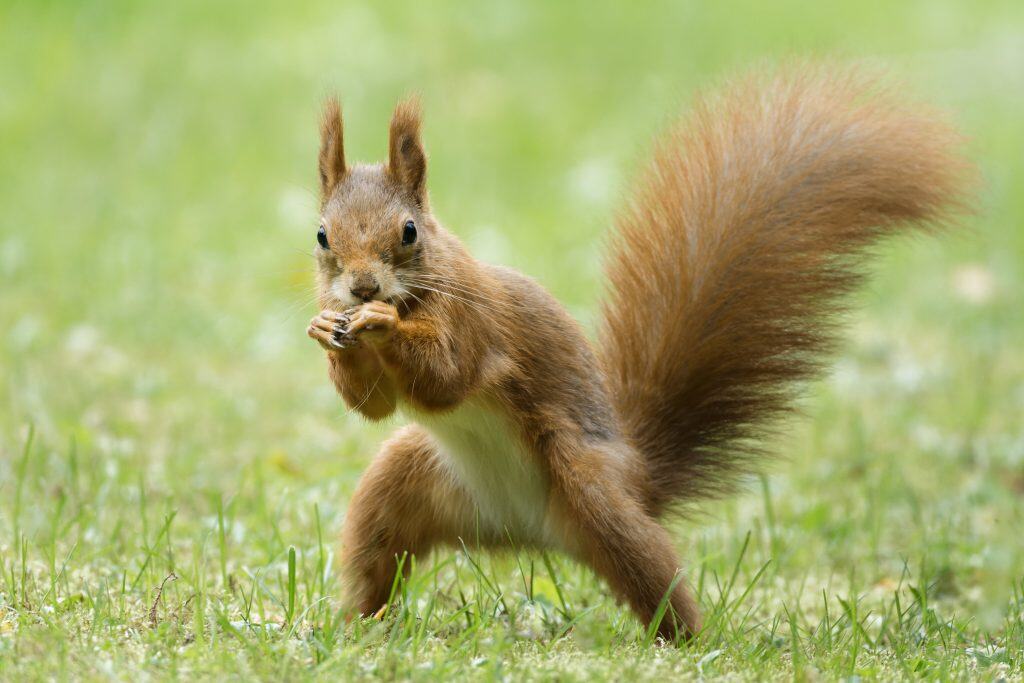
Squirrels are playful creatures, making them great subjects for your photos.
©gerd-harder/Shutterstock.com
Another common animal that’s easy to photograph is the squirrel. You don’t have to travel far—or even leave your home—to spot these small, curious creatures.
“The great thing about starting to do wildlife photography is that you can do so anywhere,” says Orkoskey.
He notes that squirrels are pretty much everywhere you look, making them ideal subjects.
“Practicing on these subjects is a great way to improve your understanding of exposure, focus, and composition.”
4. Common Songbirds
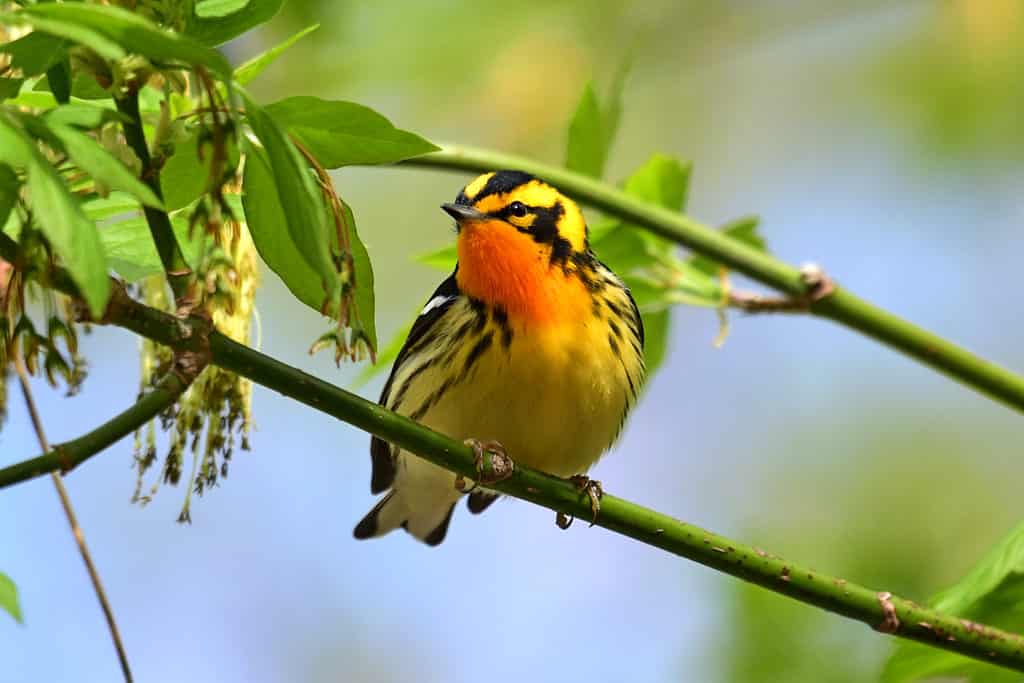
Many songbirds, like the blackburnian warbler, have beautiful markings.
©Joel Trick/Shutterstock.com
In addition to the larger birds like geese and herons, common songbirds can be easy to capture, too. Much like squirrels, they’re highly abundant.
“Common songbirds will often visit your backyard feeder,” says Orkoskey.
Practice makes perfect in photography. If you can venture outside for a few moments each day, snapping photos of the songbirds in your yard, you’ll gain experience quickly. Additionally, these small creatures often have beautiful markings worth photographing.
“Once you’ve mastered these common animals, you begin to look for more rare creatures or smaller birds,” Orkoskey says.
5. Insects
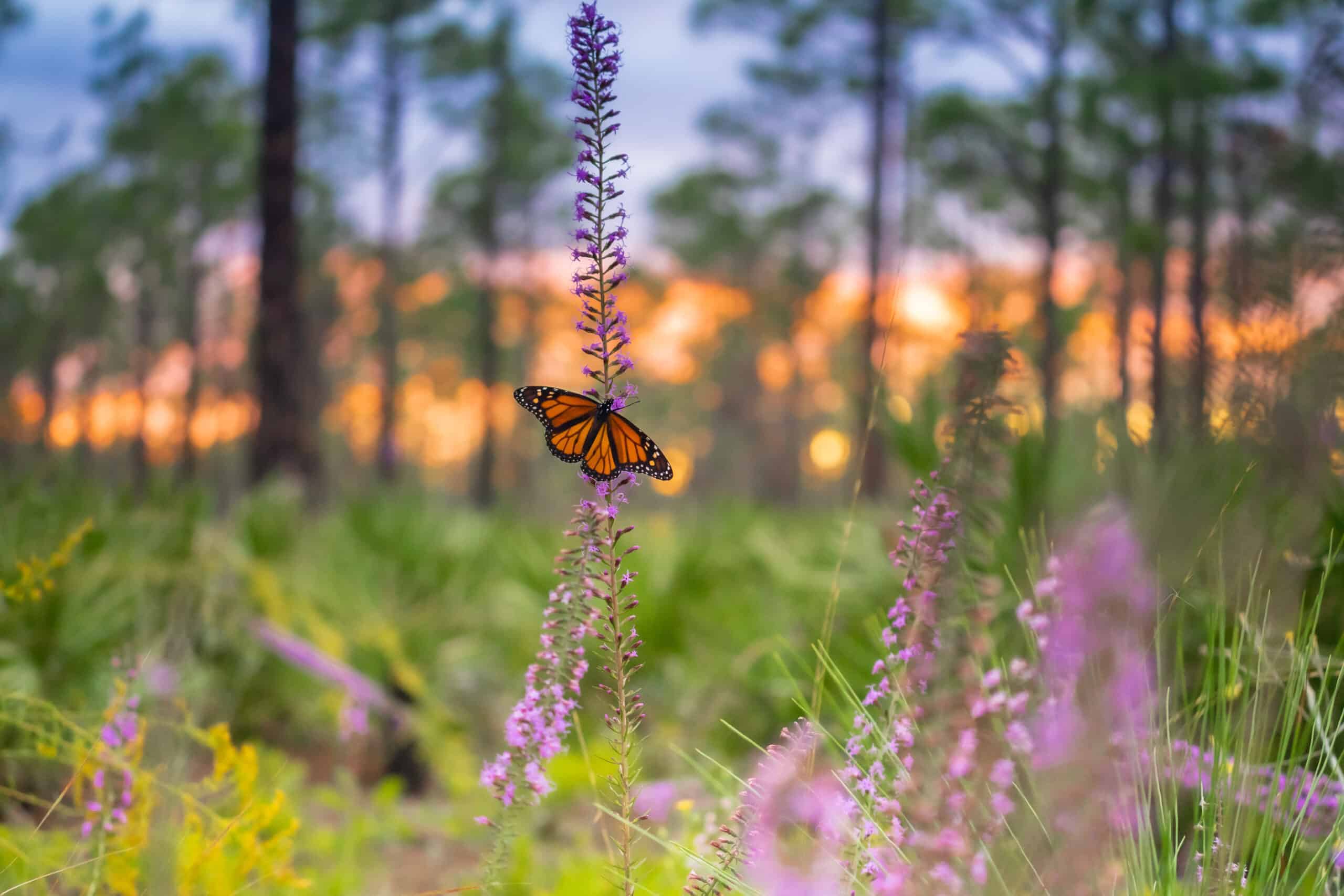
Insects can make for gorgeous photos.
©AlejandroCarnicero/Shutterstock.com
When it comes to wildlife photography, you might immediately think about the impressive photos of large, intriguing animals in magazines and on social media. However, don’t overlook insects as your subjects. These tiny critters can provide you with both experience and beautiful photographs.
“Macro photography is a type of nature and wildlife photography that many people really enjoy,” says Orkoskey. “Macro photography allows you to photograph insects, spiders, and other animals that many people overlook.”
When photographing insects, timing is important. The time of day and weather conditions can affect your ability to capture good photos.
“If you go out at the right time of day, when it’s still cool or even cold, you can often find butterflies or other very pretty insects who are essentially catatonic,” Orkoskey continues. “This allows you to get very close and spend a good amount of time getting the photo that you wouldn’t be able to get if the temperatures were a bit higher.”