
Quick Take
- Pennsylvania winter feeders host a diverse, active set of birds through the cold months.
- Chickadees, nuthatches, finches, sparrows, cardinals and others are all possible species you might see at a backyard feeder.
- Feeders should be kept clean and you can use a variety of seed to attract different species.
Pennsylvania sits in a kind of crossroads zone for birdlife, where northern forest species mingle with birds more common to the Mid-Atlantic. That overlap becomes especially noticeable in winter. As freezing nights settle in, gray skies stretch across the valleys, and snow lingers on the ridges, a hardy cast of birds remains active despite the cold. With insects gone and wild seeds scarce, backyard feeders become dependable gathering spots for species from both regions. Knowing which birds are most likely to appear helps you choose the foods and feeder styles that support them and gives you a daily show right outside your window. Here are some of the colorful species you could see in your backyard this winter.
Carolina Chickadee (Poecile carolinensis)

Carolina Chickadee (Poecile carolinensis)
©Carla Elaine Mason/Shutterstock.com
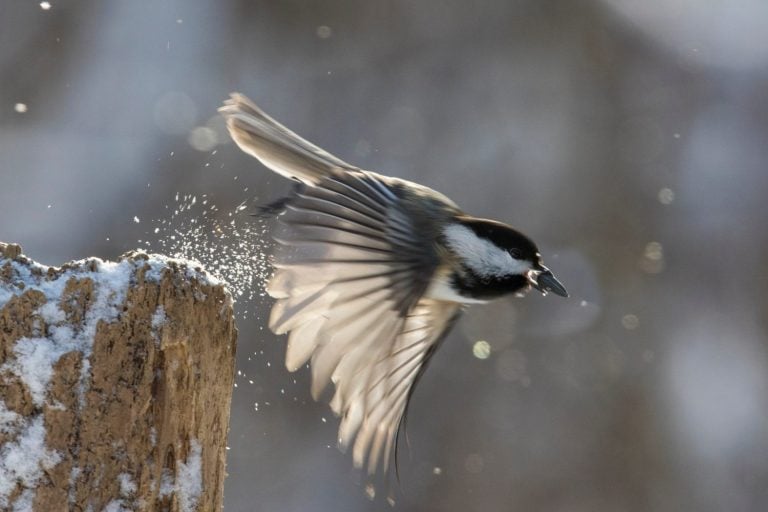
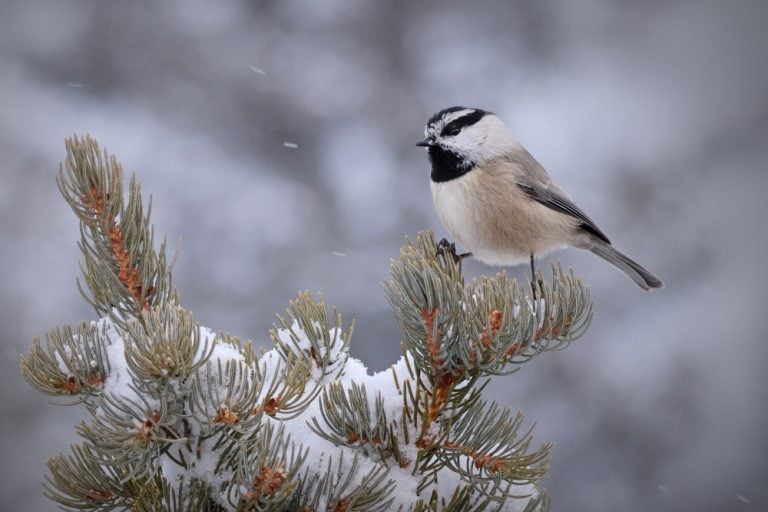
These small, lively birds brighten winter days with their quick movements and clear calls. They wear a black cap and bib, white cheeks, a gray back, and pale underparts, giving them a sharp, simple look that’s easy to recognize. In Pennsylvania, they’re found mainly in the southern and central parts of the state, living year-round in woodlands, city parks, and older neighborhoods with plenty of mature trees and shrubs for nesting and foraging.
In winter, Carolina chickadees often travel in mixed flocks with titmice and nuthatches. This behavior strengthens their chances of getting through the cold months. Each species brings its own advantage: titmice are especially sharp at spotting predators, nuthatches search for food on tree trunks and branches in ways chickadees don’t, and chickadees contribute excellent alarm calls. Because they share similar habitats, feeding styles, and daily rhythms, they form a dependable winter alliance that improves vigilance and food finding. At feeders, chickadees prefer black oil sunflower seeds, peanut pieces, and suet, usually grabbing a single seed and flying off to a perch to eat or store it.
White-Breasted Nuthatch (Sitta carolinensis)
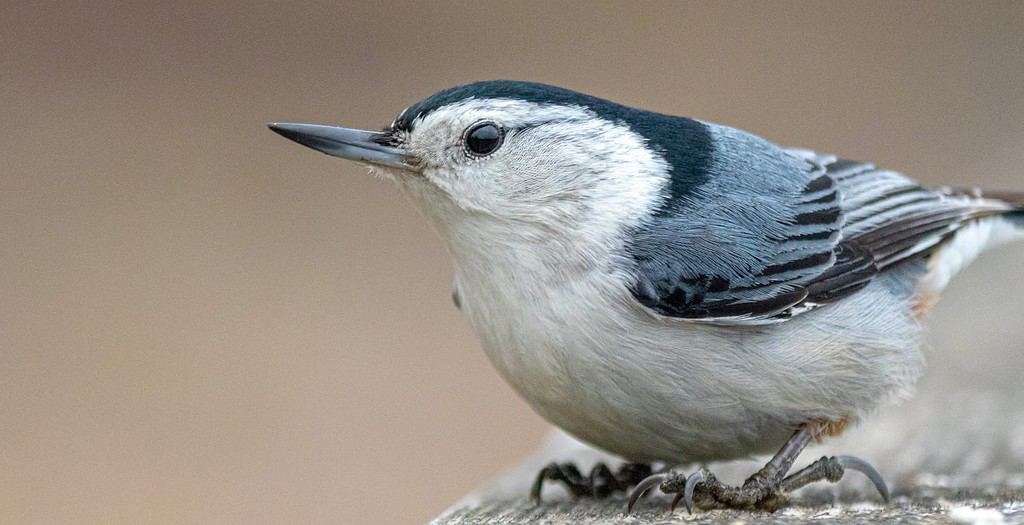
White-Breasted Nuthatch (Sitta carolinensis)
©J. A. Mikulich/Shutterstock.com
The white-breasted nuthatch is one of Pennsylvania’s most entertaining winter feeder birds, especially because of its unique way of moving. It often creeps headfirst down tree trunks while probing bark for insects. This compact bird has a blue-gray back, white face and underparts, and a black or dark gray cap. Its bill tilts slightly upward, adding to its distinctive look.
White-breasted nuthatches live year-round across most of Pennsylvania in mature forests, wooded parks, and neighborhoods with large trees. In winter, they frequently join chickadees, titmice, and downy woodpeckers as they travel through yards in loose feeding flocks. At feeders, nuthatches especially enjoy sunflower seeds, peanuts, and suet, which they often carry away to wedge into bark crevices for future use. Their nasal “yank-yank” calls echo clearly through cold woods and can alert you to their presence even before you spot them.
Mourning Dove (Zenaida macroura)
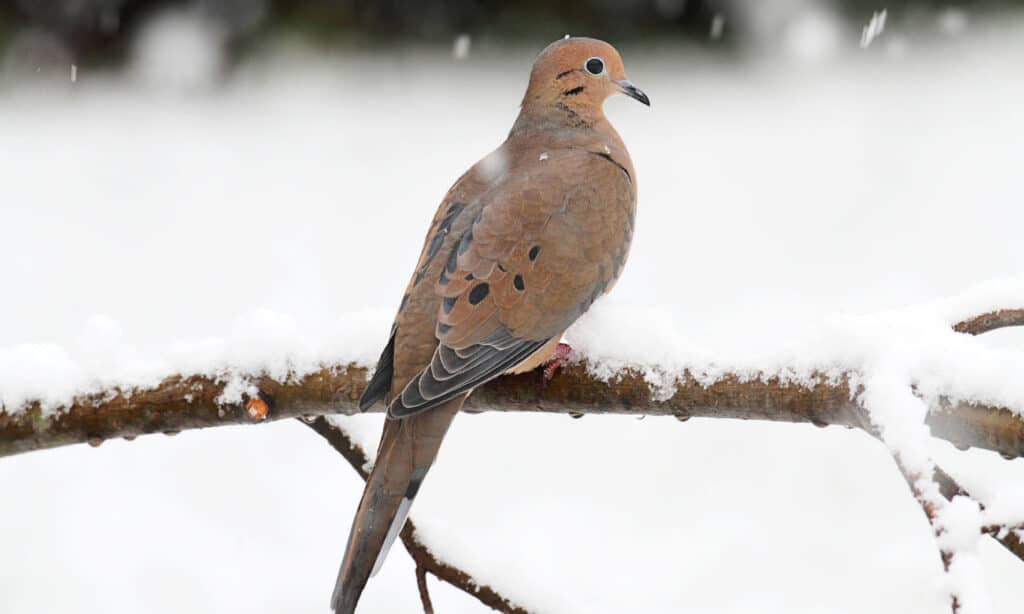
Mourning Dove (Zenaida macroura)
©iStock.com/SteveByland
The mourning dove is a slender, medium-sized bird with a small head, long pointed tail, and soft brownish-gray plumage marked with black wing spots. Its gentle look and quiet, cooing calls make it a familiar presence around homes, farms, and parks. In Pennsylvania, mourning doves live year-round and favor open or semi-open habitats, including suburban neighborhoods and rural yards.
At feeders, they behave a little differently from smaller songbirds. Mourning doves are noticeably larger and heavier, so they’re not built for the narrow perches and small ports used by chickadees, finches, and nuthatches. Instead, they prefer to feed on the ground or on broad, sturdy platform feeders that can support their weight and give them room to move. They’re peaceful birds and usually get along with other species, though their size means smaller birds tend to give them space when they land. They especially like cracked corn, millet, and mixed seed scattered beneath hanging feeders. Often arriving in small groups, they may stay for long, unhurried stretches as long as the area feels safe and calm.
House Sparrow (Passer domesticus)
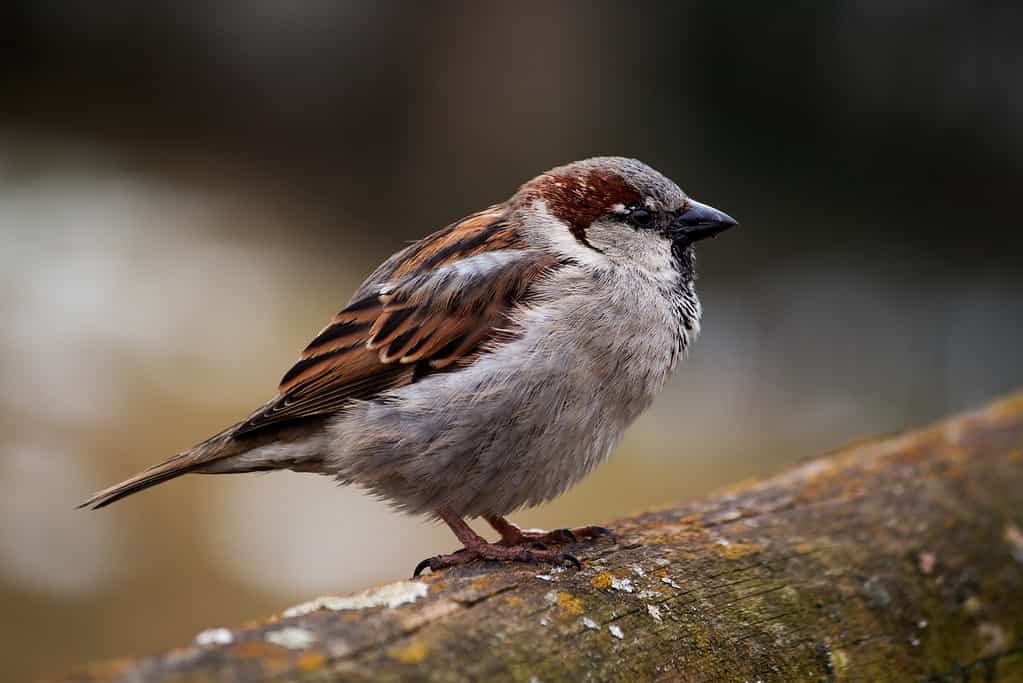
House Sparrow (Passer domesticus)
©iStock.com/Vronja_Photon
The house sparrow is a small, sturdy bird with a thick bill and short tail, introduced from Europe but now deeply established in towns and cities across North America. Males have gray heads, chestnut napes, and black bibs, while females and young birds are warm brown with pale eyebrows and simpler facial markings. House sparrows thrive in developed environments—downtown blocks, suburban shopping centers, farms, and tightly packed neighborhoods—where buildings and shrubs offer shelter. They visit feeders in chatty flocks and often dominate perches and platform feeders. Cracked corn, millet, and mixed seed are their main winter foods. Because of their adaptability, house sparrows are among the most frequently seen feeder birds in Pennsylvania’s urban and suburban areas during the cold months.
House Finch (Haemorhous mexicanus)
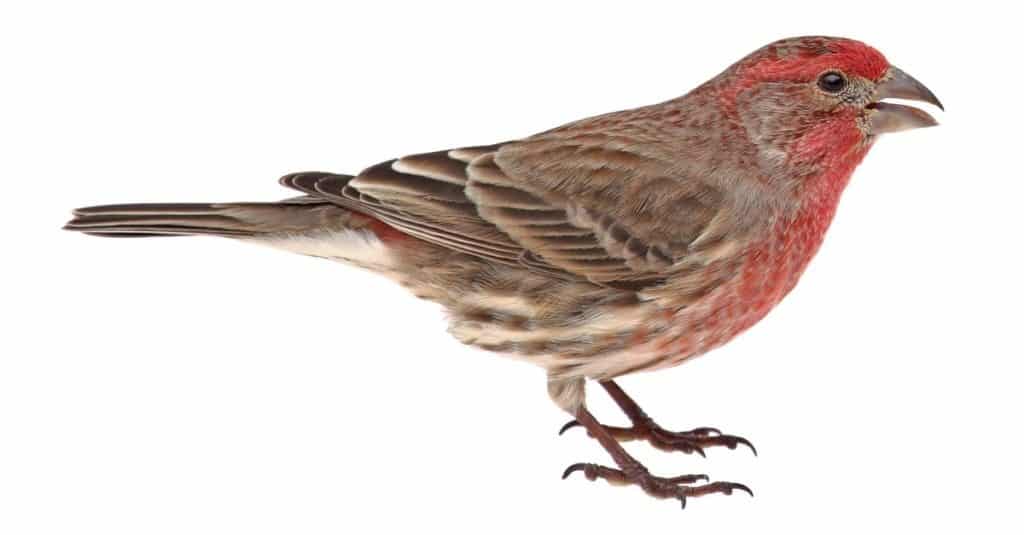
House Finch (Haemorhous mexicanus)
©Charles Brutlag/Shutterstock.com
The house finch is a small, active finch with a notched tail and gently curved bill, now very common in much of Pennsylvania. Males show red on the head, chest, and rump, though the exact shade can range from yellowish to deep raspberry depending on their diet. Females are brown, heavily streaked, and have plain faces. House finches are strongly associated with towns, suburbs, and farms, where they nest on buildings, porch fixtures, and ornamental trees. In winter they gather at tube and hopper feeders for black oil sunflower seeds, sunflower hearts, and other small seeds, often joining flocks of goldfinches and sparrows. Their cheerful, warbling calls echo even on cold days, adding color and movement to winter feeding stations.
Northern Cardinal (Cardinalis cardinalis)
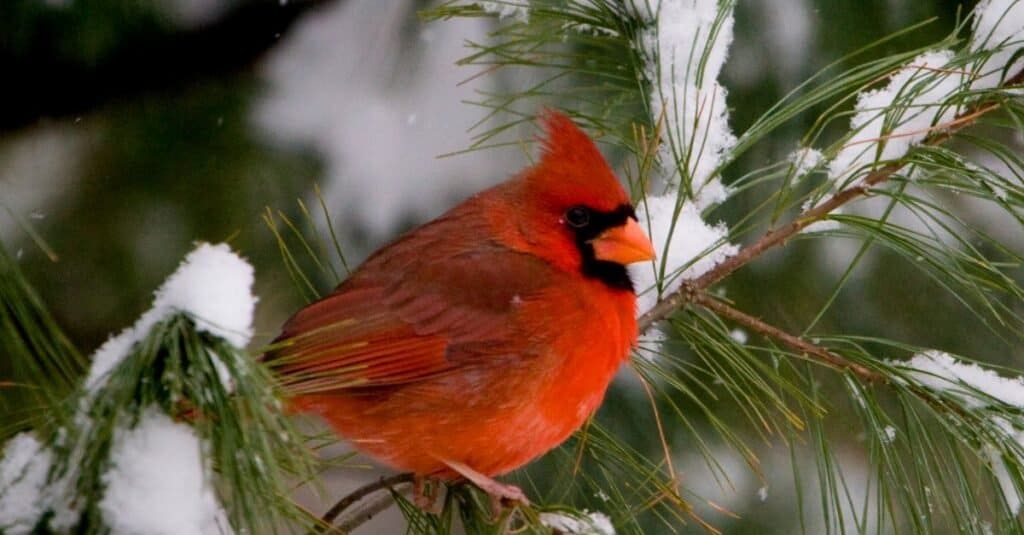
Northern Cardinal (Cardinalis cardinalis)
©iStock.com/BeyondMyLens
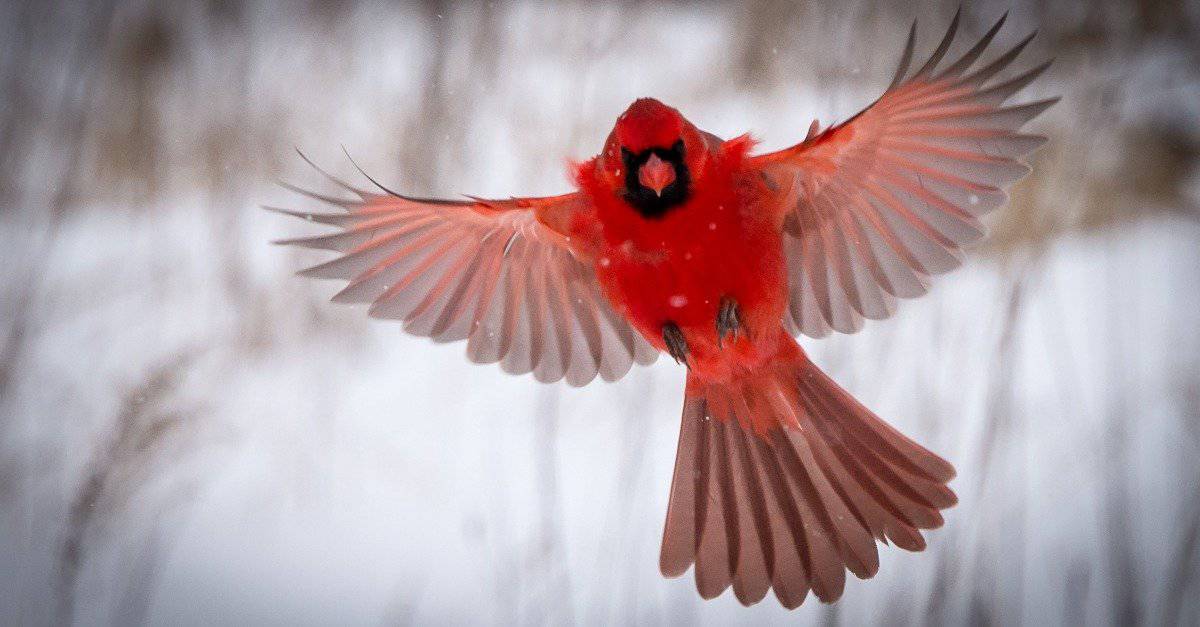
The northern cardinal is one of Pennsylvania’s brightest and most familiar winter birds. Males blaze red with a black face mask and tall crest, while females are soft brown with reddish touches on the wings, tail, and crest. Both sexes have sturdy orange bills perfect for cracking seeds.
Cardinals live year-round across much of Pennsylvania, especially in areas with dense shrubs, thickets, and small trees that provide cover. In winter, they visit platform and hopper feeders offering black oil sunflower seeds, safflower, or mixed seed blends. Cardinals often feed early in the morning and again late in the afternoon, sometimes appearing in small groups. Their clear whistles, even on cold, silent days, add a bright note to winter landscapes.
Tufted Titmouse (Baeolophus bicolor)
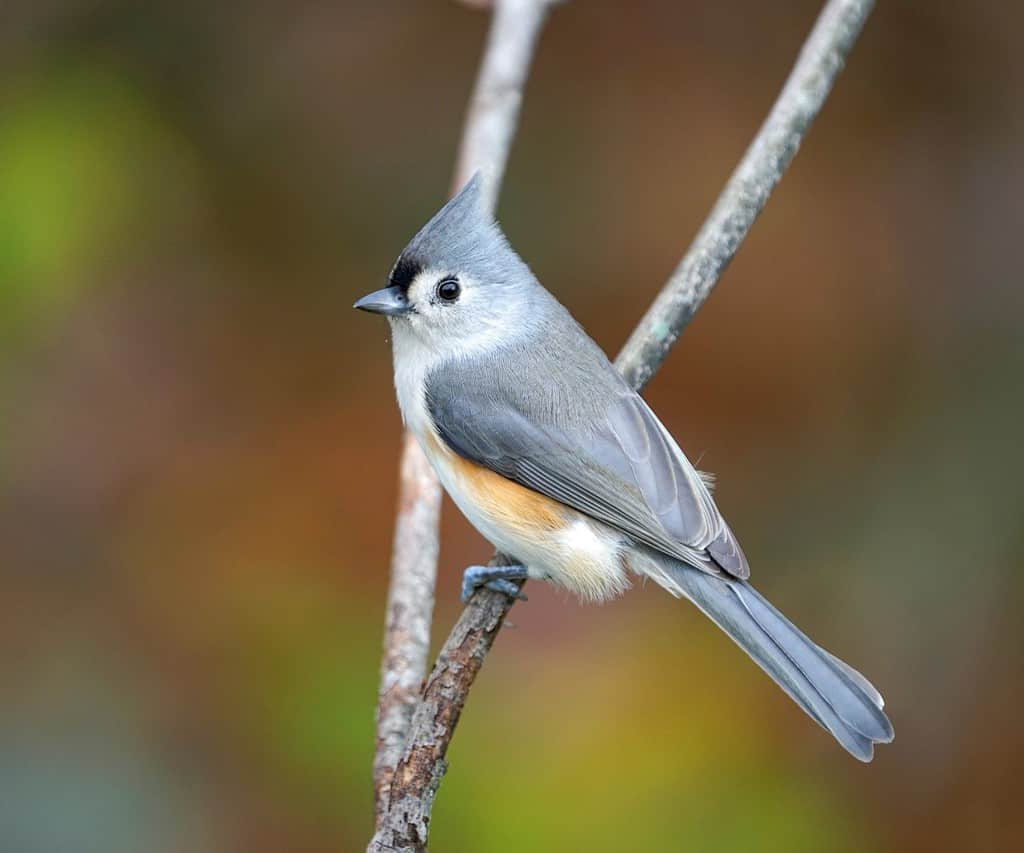
Tufted Titmouse (Baeolophus bicolor)
©ND700/Shutterstock.com
The tufted titmouse is a compact, energetic songbird with a gray back, pale underside, a touch of peach on its flanks, and a pointed crest. Its large dark eyes give it a lively, alert expression. Titmice live year-round across much of Pennsylvania, especially in the southern and central regions.
During winter, they often move in mixed flocks with chickadees and nuthatches, making frequent stops at feeders. They enjoy sunflower seeds, peanuts, and suet, and they often carry a single seed to a nearby branch to crack open. Their bright “peter-peter-peter” calls are easy to recognize and are often the first sign that a mixed flock has arrived in your yard.
Red-Bellied Woodpecker (Melanerpes carolinus)
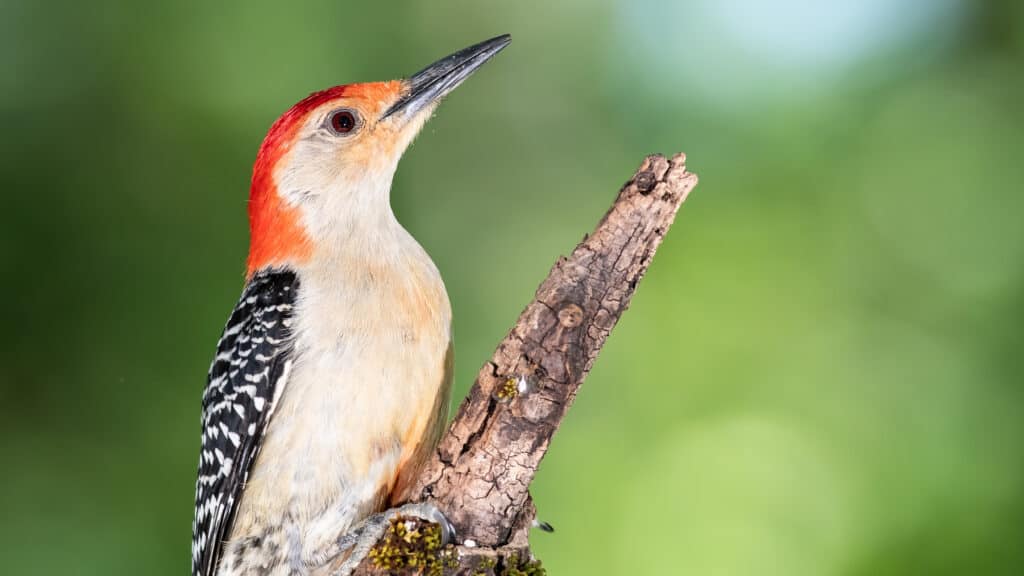
Red-Bellied Woodpecker (Melanerpes carolinus)
©rck_953/Shutterstock.com
The red-bellied woodpecker has become increasingly common throughout Pennsylvania and is now a regular year-round resident. They show a bold black-and-white barred back, pale underparts with a faint reddish wash on the belly, and bright red on the head and nape. Males have more extensive red on the head than females.
These woodpeckers live in deciduous forests, riparian corridors, and wooded suburbs. In winter, they frequently visit suet feeders and also take sunflower seeds and peanuts from hopper or platform feeders. Their rolling calls and strong presence make them easy to notice once they find a reliable food source. Their behavior at feeders can be assertive, but their beauty and charm make them welcome guests.
Blue Jay (Cyanocitta cristata)
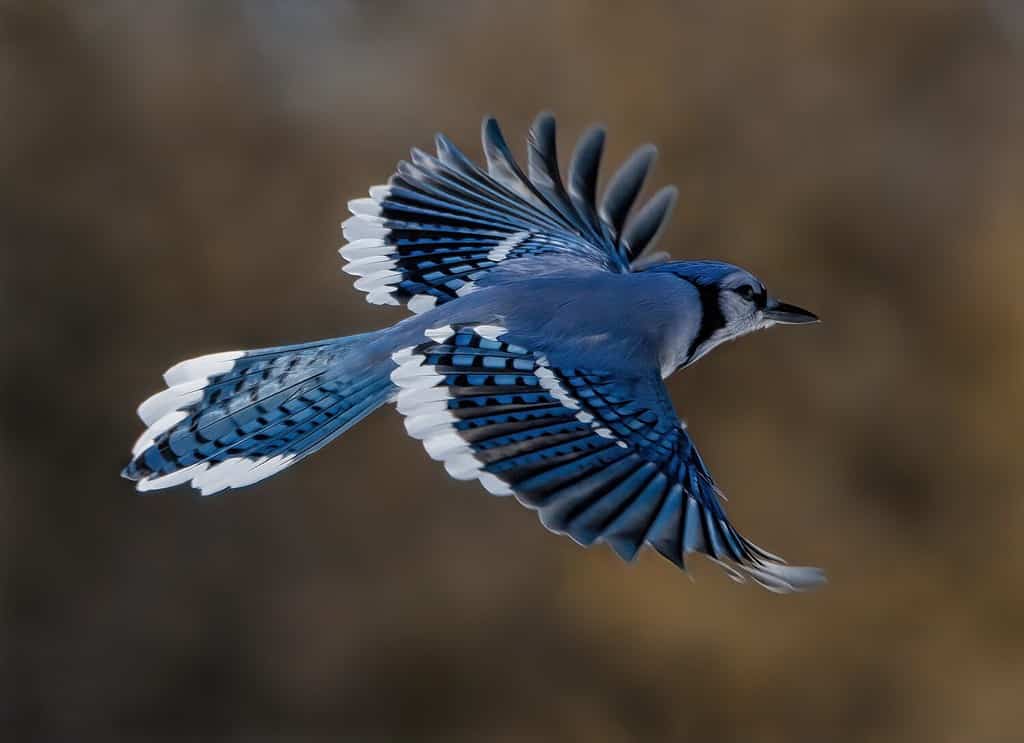
Blue Jay (Cyanocitta cristata)
©Fiona M. Donnelly/Shutterstock.com
The blue jay is a bold, year-round resident in Pennsylvania, easy to spot with its blue upperparts, white face, and expressive crest. Smart and vocal, it can mimic many sounds — including hawks. Jays imitate hawk calls either to warn each other of real danger or to make smaller birds scatter so they can feed without competition. They likely learn these calls simply by growing up around hawks.
In the wild, blue jays gather and store acorns and nuts, and at feeders they favor whole peanuts, sunflower seeds, and corn. They may startle smaller birds, but their bright colors and clever antics make them memorable winter visitors.
Best Practices for Winter Bird Feeding
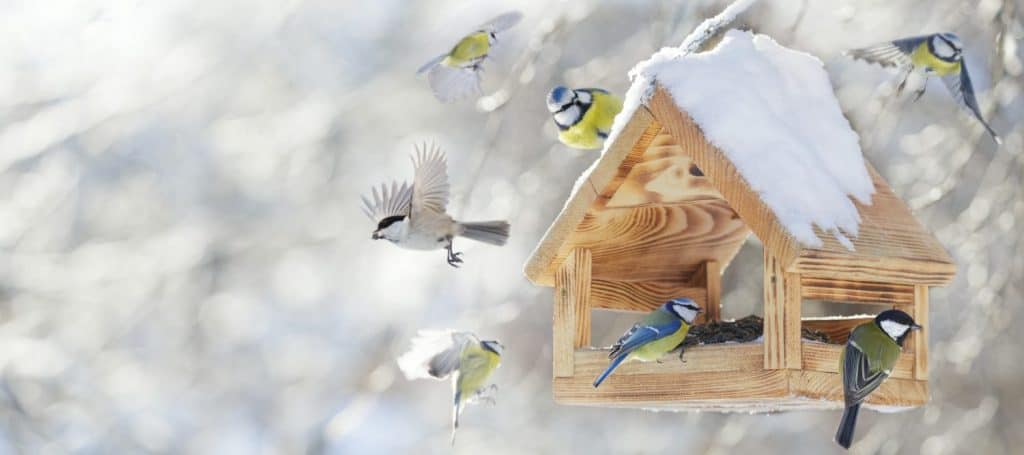
It’s important to keep feeders clean to attract birds and keep them healthy.
©Nitr/Shutterstock.com
Successful winter bird feeding in Pennsylvania comes down to clean feeders, fresh food, and smart placement. Wash feeders regularly with a mild bleach solution, rinse well, and let them dry. Toss any seed that looks damp or moldy.
Offer a mix of foods to attract more species: black oil sunflower for chickadees, titmice, cardinals, nuthatches, and finches; nyjer for goldfinches; suet for woodpeckers and small songbirds; and peanuts for jays, woodpeckers, and nuthatches. Use different feeder styles — tube, hopper, platform, and suet cages — to match their feeding habits.
Place feeders near shrubs or trees for cover, but not so close that predators can lurk. Reduce window strikes with decals or patterned films, and keep feeders either very close to windows or over ten to twelve feet away.
Clean equipment, fresh seed, and safe setup keep winter birds healthy and active — and give you a steady, cheerful show outside your home.