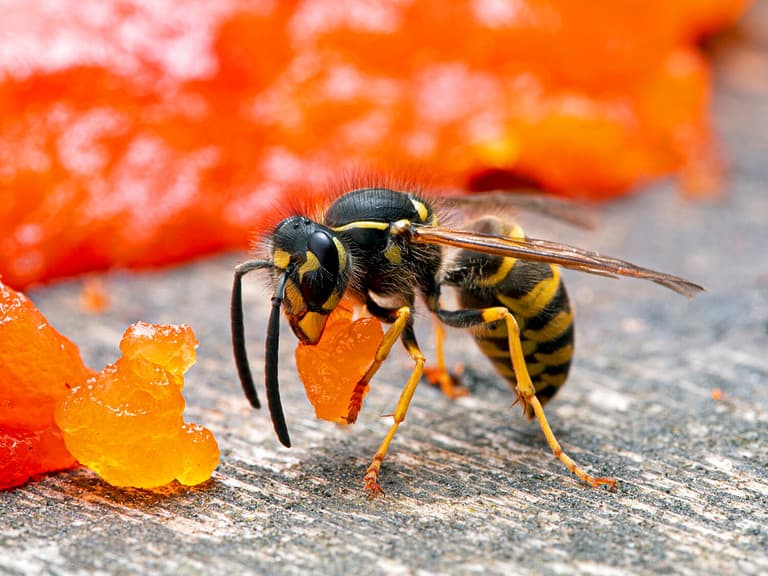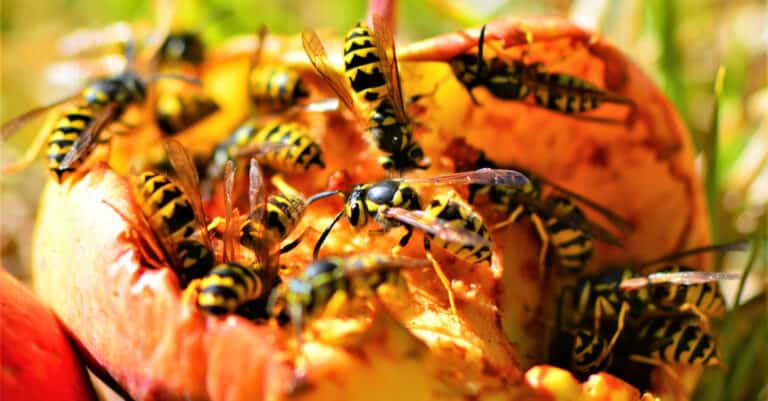

The short life of a hornet is marked by tragedy. From the moment they emerge from their larval stage, they’re destined to die before the season is over. Despite the harsh reputation these stinging insects have, they are part of a family of necessary pollinators. Once they’ve completed their summer mission, they’re fated to perish once winter seeps in. As the first chill hits the air, many hornets have already fallen from their nests—and some have not yet even developed wings. In this YouTube video, hornets can be seen pulling their unborn hatchlings from the nest. This merciless behavior is a result of their short lifespans, where only a select few are chosen to survive.
As Summer Ends, Hornets Lose Steam
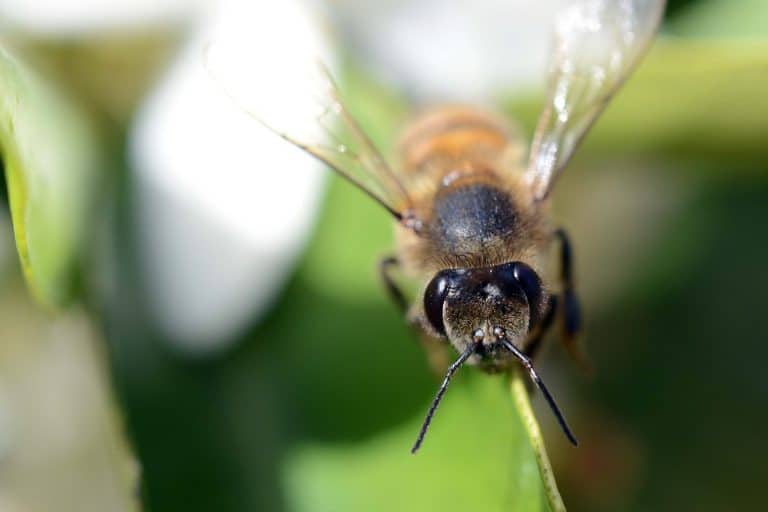
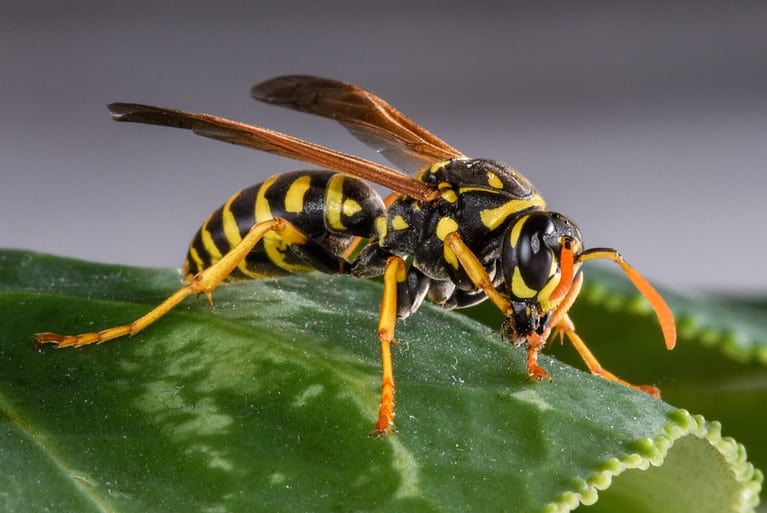
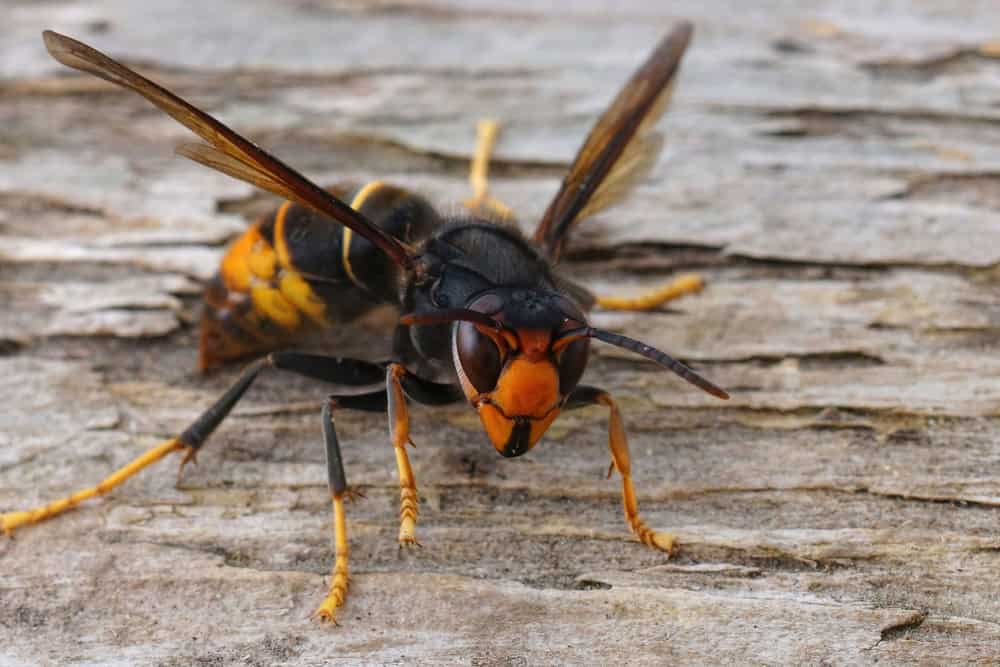
Hornets are far more intimidating than honeybees, but they are much less prepared to survive the winter. A hornet is not built to overwinter like a honeybee does. Instead, entire colonies of hornets die off as the weather cools. The workers and drones (male hornets) are typically the first to succumb to winter’s harsh conditions. Hornets struggle to fly in temperatures below 50 degrees. This means the first hornets to leave the nest are typically the first never to return. Since they’re cold-blooded, they require warmth from the sun to survive. Without heat, the fluids within their bodies freeze, effectively stopping circulation and killing them slowly.
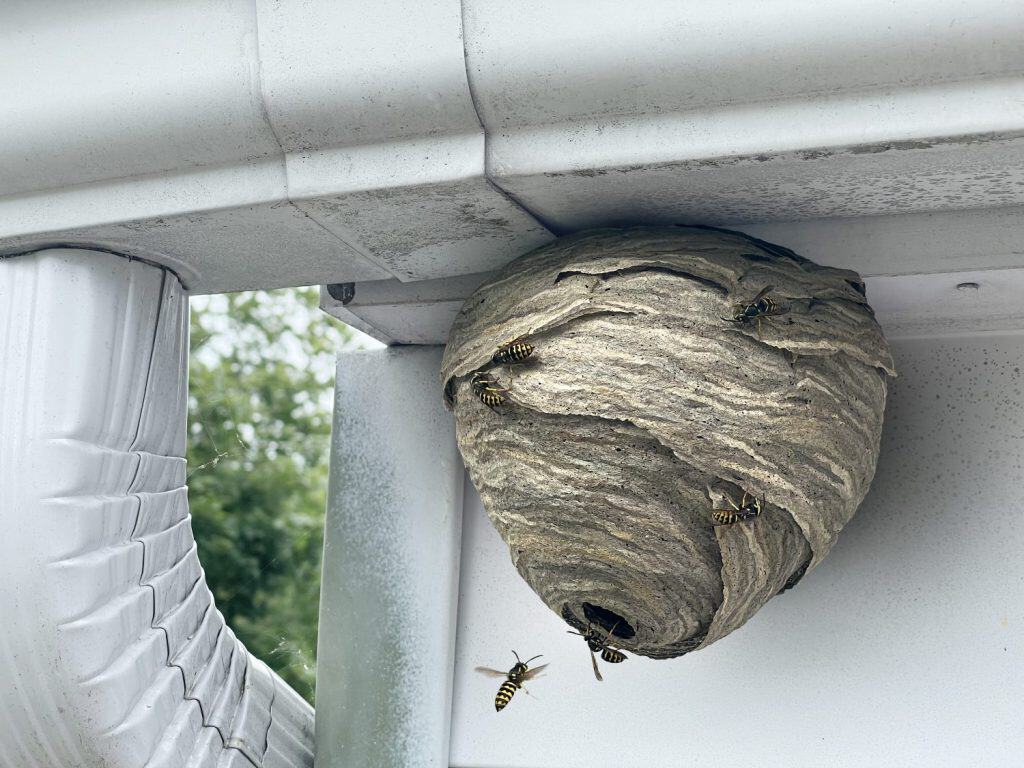
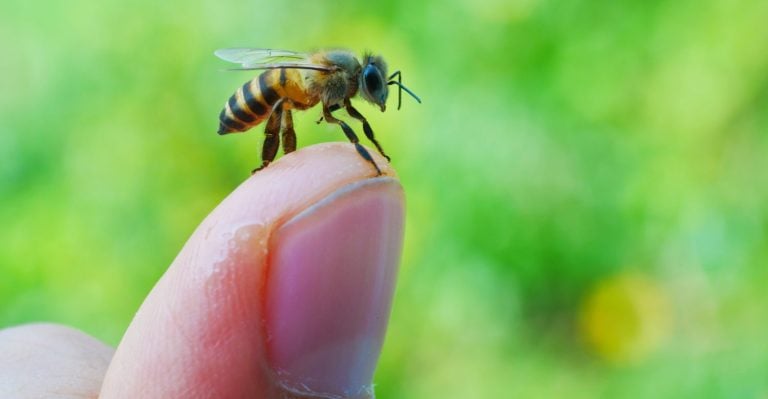
Unlike honeybees, hornets do not overwinter.
©Lightspring/Shutterstock.com
Hornets require heat to maintain their metabolism. When the temperature drops, they are unable to regulate their body temperature. Without the ability to fly, a hornet cannot forage for food or provide for the nest. This triggers a chain reaction, leading to a food shortage within the colony. When winter comes, it also takes away a hornet’s food source, making survival more of a challenge. Without food, worker hornets can’t work. Ultimately, the colony collapses without sustenance and continuous maintenance.
As Winters Hits, Hornets Become Frantic
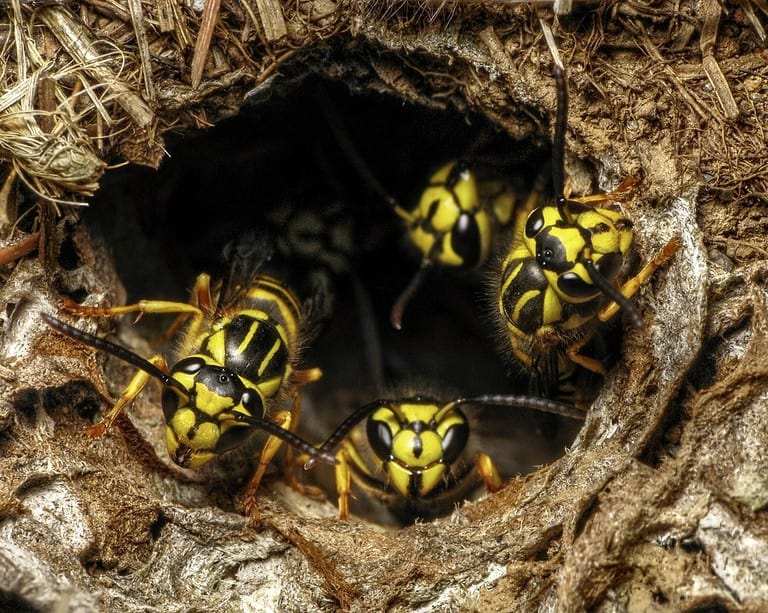
As a last-ditch effort, the few worker hornets remaining attempt to insulate the nest. They make the opening to their colony smaller to keep the heat inside. Sadly, their efforts are futile. Hornets are unable to store supplies for the winter, and even if they could, their bodies couldn’t tolerate the cold. As the weather gets colder, the remaining worker hornets have one last, morbid job to do. As ruthless as it seems, this final action is the only reason future colonies will exist.
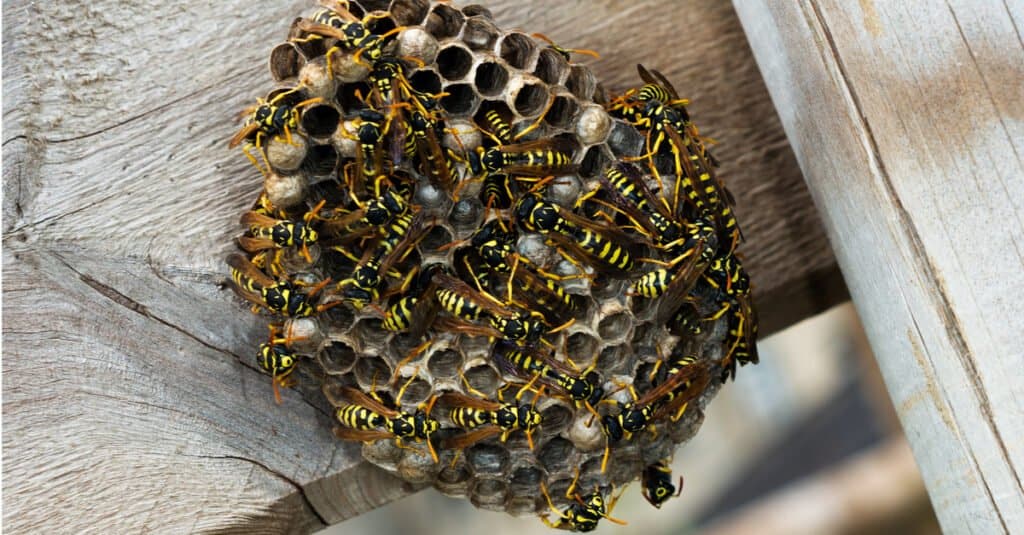
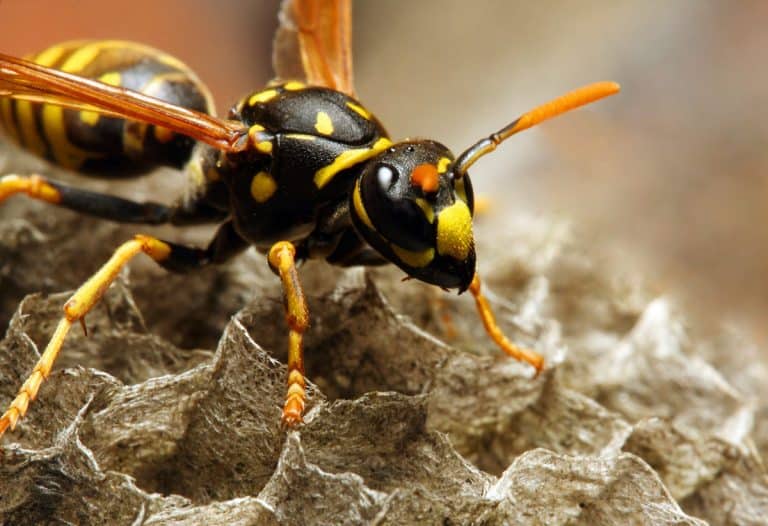
Hornet workers drag larvae out of the nest to freeze.
©Sarah2/Shutterstock.com
Whatever larvae are left from mating are also put to death. Before the larvae even hatch, the workers drag them from the nest. They’re dropped outside the colony and left to freeze. With no need for more worker or drone hornets, the need to care for the larvae also disappears. This instinctual behavior is survival on the part of the hornets. However, the larvae aren’t the only ones who suffer. The colony stops feeding its queen before winter as well. Her only role in the colony is to reproduce. Once she has fulfilled this role and winter arrives, she is left to starve and die.
All Hope Is Not Lost for Some Hornets
As drones and the queen die, the colony is left to rot and decay. It’s not structurally sound enough to survive snow and ice and will eventually break down. The hornets inside and out will also decay, but there is hope for a new colony. Not all hornets are tossed from the nest or dead; a few, called gynes (mated adult queens), have better odds of survival and are destined to start new colonies. They are fertilized in late summer and autumn, then left to endure the winter. The hope is that they survive long enough to reproduce. If they survive until spring’s warmer temperatures, they have a chance to establish their own hive.
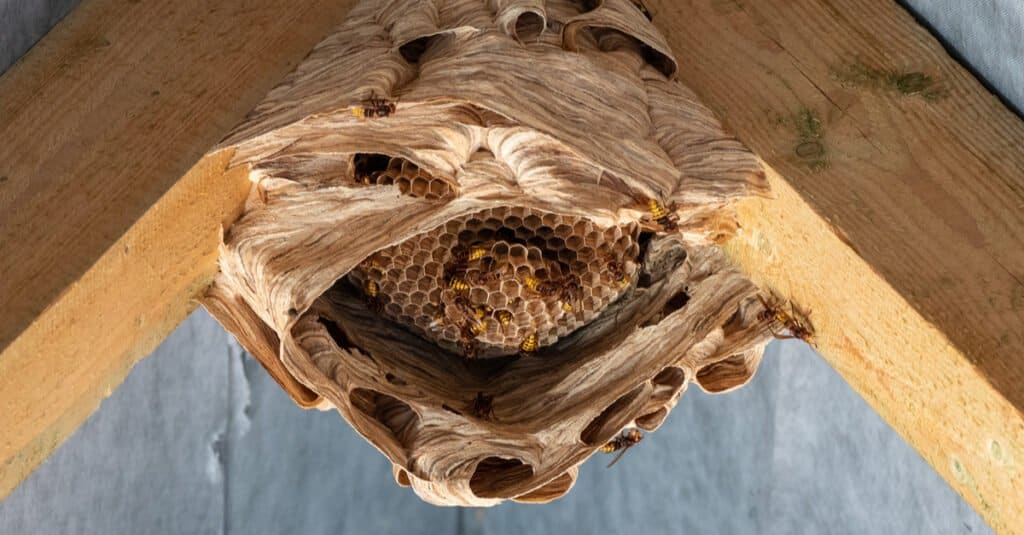
Queen hornets find winter shelter in other wooden structures.
©Istvan Csak/Shutterstock.com
With the nest empty and devoid of all worker hornets, the new queens are on their own. It becomes their job to find a place to overwinter if they have any chance of surviving. Many take shelter in hollowed-out logs, leaf piles, and wood crevices. They enter a state of hibernation until spring arrives, slowing their metabolism to conserve energy. Once spring arrives, the new queens slowly emerge from hibernation to start a new colony. At this point, they are still acting independently and must construct a new nest. Once a queen is done building her paper-like nest, she must lay enough eggs to hatch new worker hornets. These newly hatched hornets help to grow the colony and forage for food, which will then feed the queen and the eggs she will soon lay.