
Quick Take
- Mammals experience a 10% increase in lifespan when reproductive opportunities are suppressed.
- The study finds that female hamadryas baboons have a 29% increase in lifespan, and males have a 19% increase, when few to no reproductive opportunities are available.
- Female mammals experience benefits from all “reproductive selection” techniques, while only males experience an increase in longevity from castration, not from vasectomy.
- The study analyzed records from 120 zoos to determine the hidden cost of reproduction.
When mammals have offspring, both in the wild and in captivity, new life is celebrated. This is especially true for species that are struggling population-wise, as each live offspring means a greater opportunity for survival. Unfortunately, bringing the next generation into the world comes with health consequences for both males and females of a species.
A new study shows there is a high cost of parenthood, quantifying the 10% “longevity tax” on reproduction. Consequently, mammals that have fewer or no offspring tend to live longer. But why does bringing new life into the world decrease the lifespan of the parents? The answer lies in the energy required for reproduction.
Lifespan Increases By 10% When Mammals Are Given Limited or No Reproduction Opportunities
To keep animal species alive, reproduction is necessary. While population size is typically measured to indicate the overall health of a species, it does not always provide a clear picture of fitness. In fact, it may be those who have fewer offspring who are healthier than mammals who have many.
According to the new study published in Nature, mammals that are chemically or surgically castrated live longer than those that retain the option to reproduce throughout their lives. The increase in lifespan is significant—about 10% for those with fewer or no offspring.
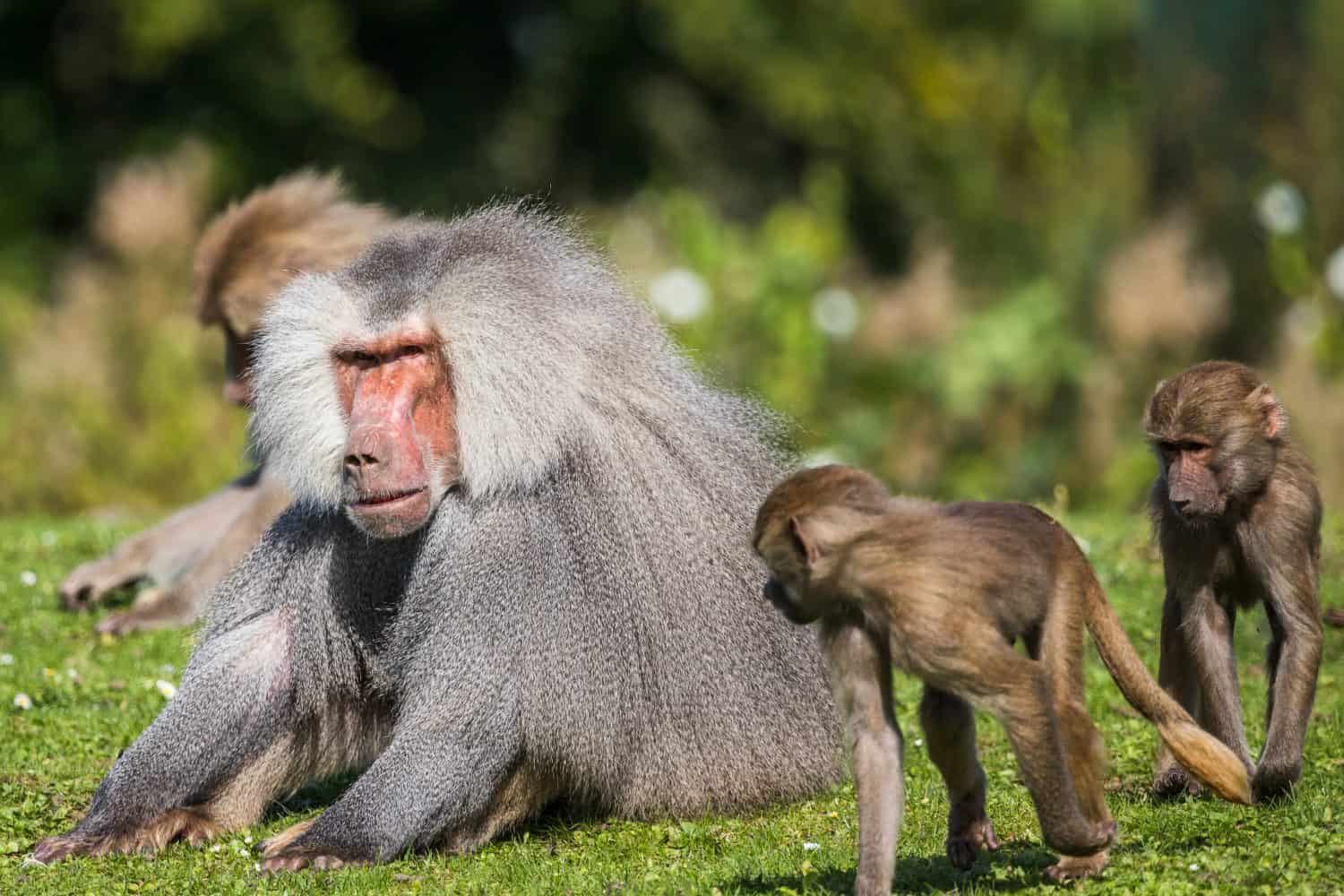
Hamadryas baboons experienced the highest increase in life expectancy when given hormonal contraception or when castrated.
©Jason Wells/Shutterstock.com
Researchers from the Max Planck Institute for Evolutionary Anthropology in Leipzig worked with scientists from around the world to determine how reproduction affects the body. Using records from nearly 120 zoos and aquariums, mammals across the board that had reduced reproduction opportunities lived longer.
In some cases, longevity increased by more than 10%. Specifically, when female hamadryas baboons were given hormonal contraception, they lived 29% longer than those baboons that were not. Males that were castrated lived 19% longer. Limiting reproduction increases lifespan for many mammals because the energy required for reproduction can reduce the number of years they live.
When Reproduction Leads to Health Problems
For species to survive, they need to reproduce. The hope is that each subsequent generation is healthier and stronger than the one that preceded it. This allows animals of different sizes to live for millions of years as they evolve alongside the ever-changing environments they inhabit.
With reproduction, according to researchers, there are trade-offs for both male and female mammals. Mammals that have offspring tend to experience health issues that those with limited or no offspring do not face. For example, males are more likely to die from “aggression or risky behavior” at much higher rates when they are not castrated, compared to those who are. For males, the more testosterone that flows through their bodies, the more likely they are to have a shorter lifespan.

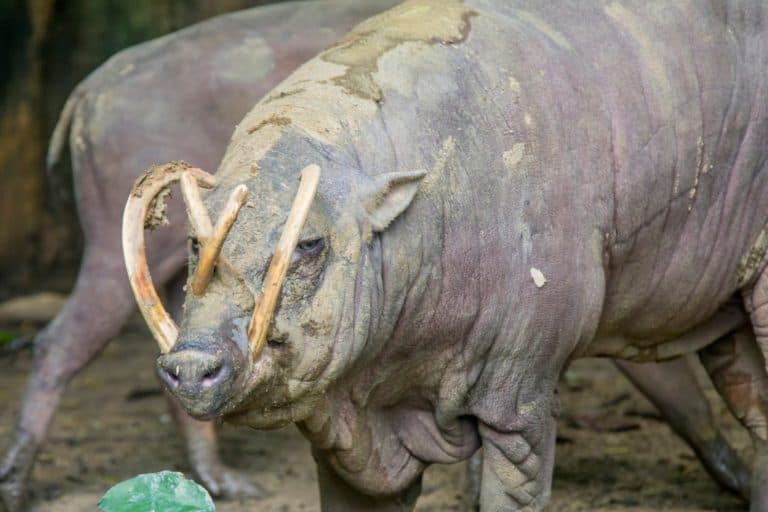
When mammals have offspring, they have a lifespan that is 10% shorter than those that do not reproduce.
©WildMedia/Shutterstock.com
Females that reproduced one or more times during their lifetimes had a higher risk of developing infections. Researchers believe this is due to the energy expended to grow a baby to term, give birth, and then nurse the baby until it is weaned. The energy used to keep the offspring alive is energy the mother cannot use to keep her body healthy or fight off infection. Therefore, in both male and female mammals, removing the ability to reproduce improves their health.
Female Mammals Benefit More From Any Form of “Reproductive Suppression”
While both male and female mammals benefited from having fewer offspring, females had the most favorable outcomes, regardless of the method of birth control. Conversely, the males only tended to benefit when they were completely unable to pass their genes on to the next generation.
Females who received hormonal contraception or had their ovaries removed lived longer than those who continued to reproduce. Males only showed an increase in lifespan after castration. There was no difference in lifespan between males who continued to impregnate females and those who received a vasectomy.

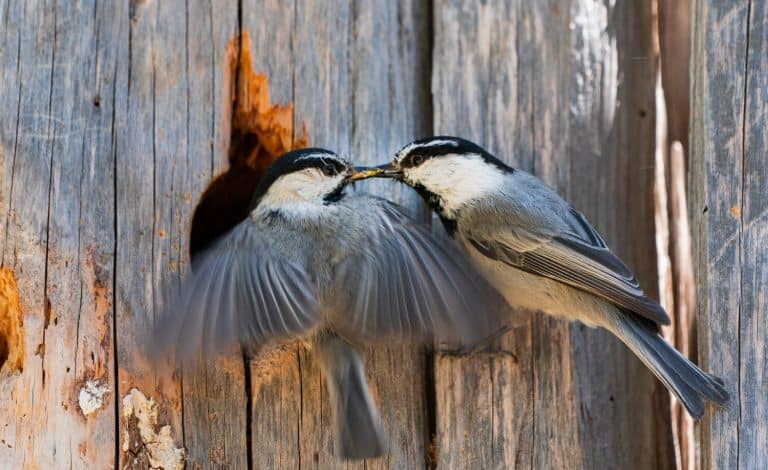
Females that have offspring expend a great deal of energy not only during pregnancy, but also after, decreasing their lifespan.
©shaftinaction/Shutterstock.com
The authors of the study believe that females benefit, regardless of the method used to prevent offspring, because of the toll pregnancy and nursing take on the body. Not all the news is positive for female mammals whose reproduction is suppressed, however. While the females in the study lived longer than the males, aging was not always kind. This is because any health issues tend to worsen with age. This was likened to older human females, who often develop chronic illnesses or brittle bones as they age.
The animals in the study who benefited from having fewer offspring were captive and kept in a controlled environment. This leads to the question of whether animals in the wild would experience the same lifespan extension if they had fewer offspring.
Would Animals Benefit From Having Fewer Offspring in the Wild?
Depending on the environment, animals may have fewer, larger offspring (with mothers tending to have longer lifespans) or more, smaller offspring (with mothers having shorter lifespans). According to a 2017 review article published in Frontiers, the number and size of offspring are directly correlated with the harshness of the environment in which they are born. In harsher environments, mammals tended to have larger offspring.
Does this mean that female mammals with larger offspring in harsh environments are healthier than those with more, smaller offspring? The 2017 paper did not explicitly address this, and the most recent study only briefly mentioned it. Because mammal lifespans vary widely, it is difficult to compare species, especially when considering offspring size and number.
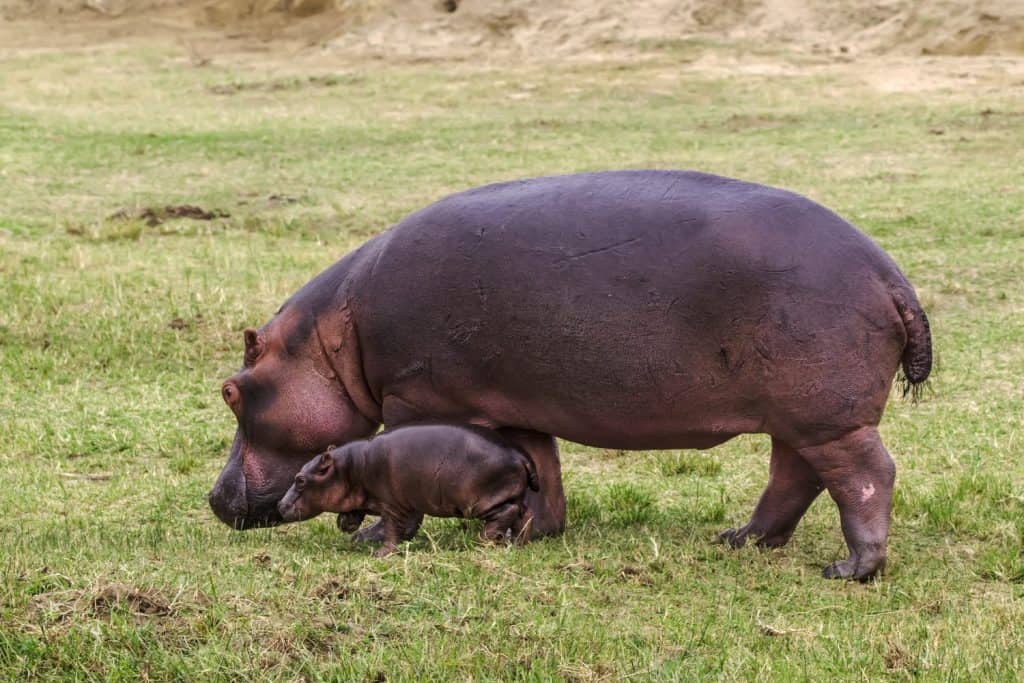
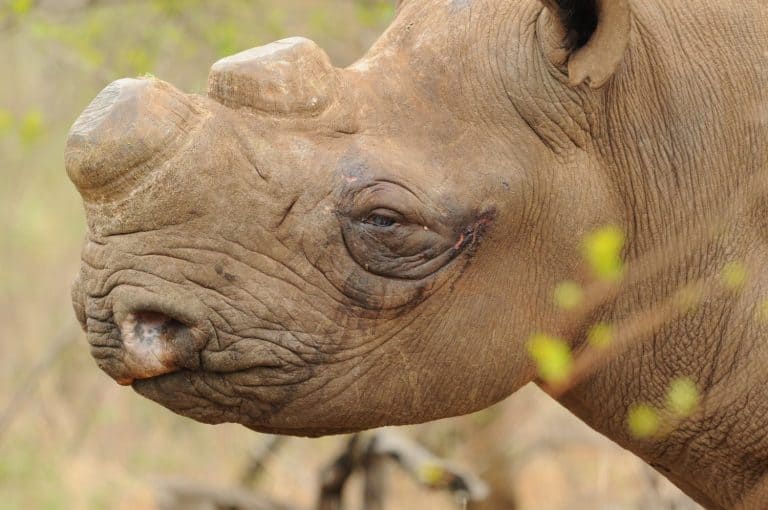
The implications of limiting reproduction for wild animals have yet to be studied.
©Krasnova Ekaterina/Shutterstock.com
What is clear is that the animals in the study lived longer when provided with the means to avoid having offspring while still in their prime. How this would benefit animals in the wild is not clear. After all, threatened or endangered animals need to reproduce to keep their species from going extinct.
The idea of providing birth control to animals in overpopulated regions—not only to control population growth but also to improve health and longevity—is an intriguing concept. According to researchers, there is still more to learn about male and female reproduction and overall health. It is clear, however, that having offspring does take a toll on the health of both genders.
“Our findings show that the costs of reproduction are substantial and measurable across a vast range of mammals,” the authors write in their study. “Understanding these trade-offs deepens our insight into how aging evolves and how males and females balance survival and reproduction differently.”