
Quick Take
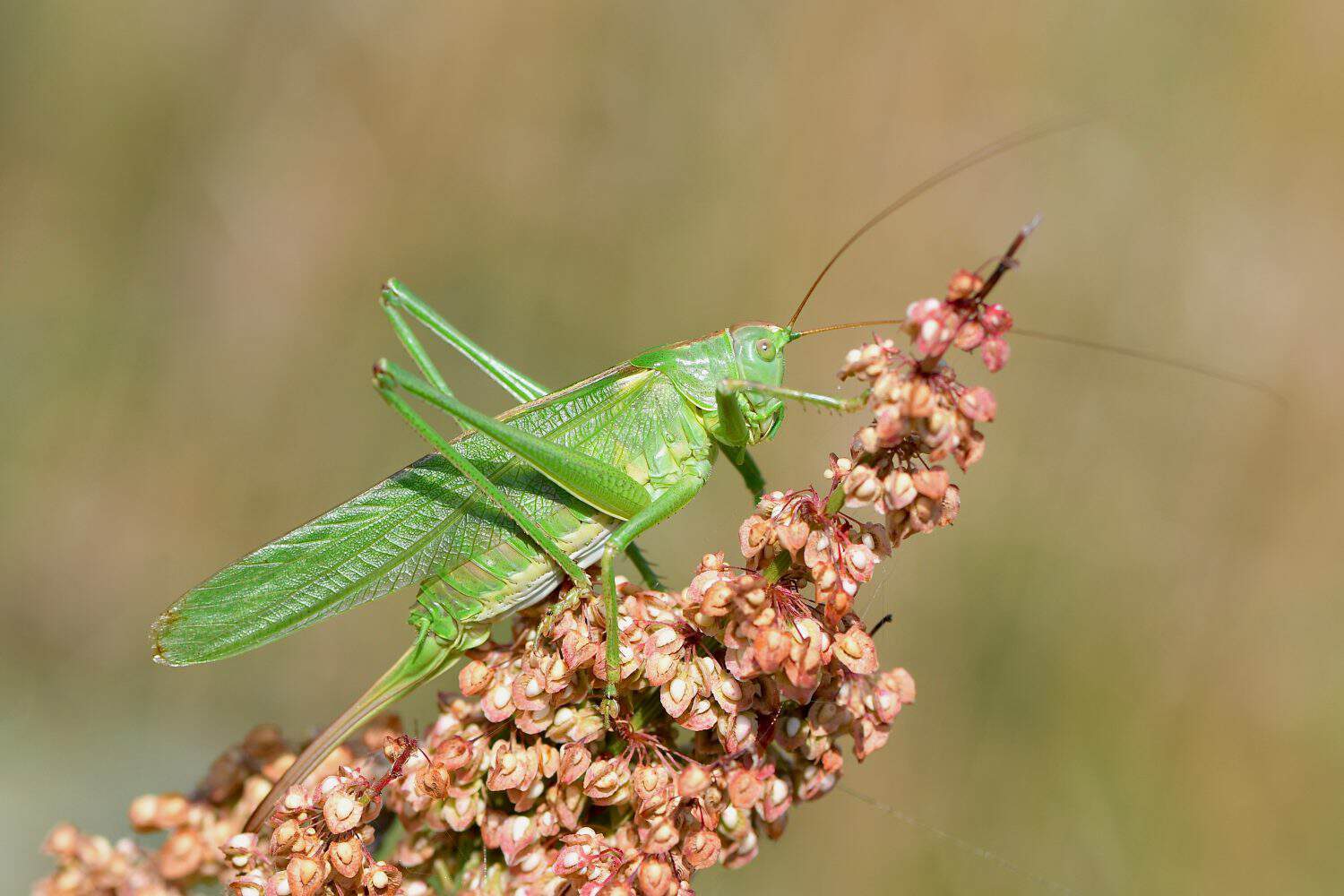
- The great green bush cricket carries what looks exactly like a stinger, though it actually serves a completely different and surprising purpose. Discover the ovipositor's purpose →
- Most of the soil in a cricket's environment won't work. There's a specific quality it must find before it will even begin. See the soil requirements →
- Going underground solves more than one problem for this cricket, and the second reason is easy to overlook. Explore the benefits of burial →
- A female great green bush cricket's body measurement changes dramatically depending on what you include, and that difference is the key to everything. See how size is measured →
We tend to see insects daily, whether in gardens, while hiking through nature, or simply stepping outside. But have you ever thought about how they lay their eggs? The process for the great green bush cricket is surprisingly fascinating. This Instagram post by @eyesonbutterflies shows one of these crickets laying its eggs in the ground.
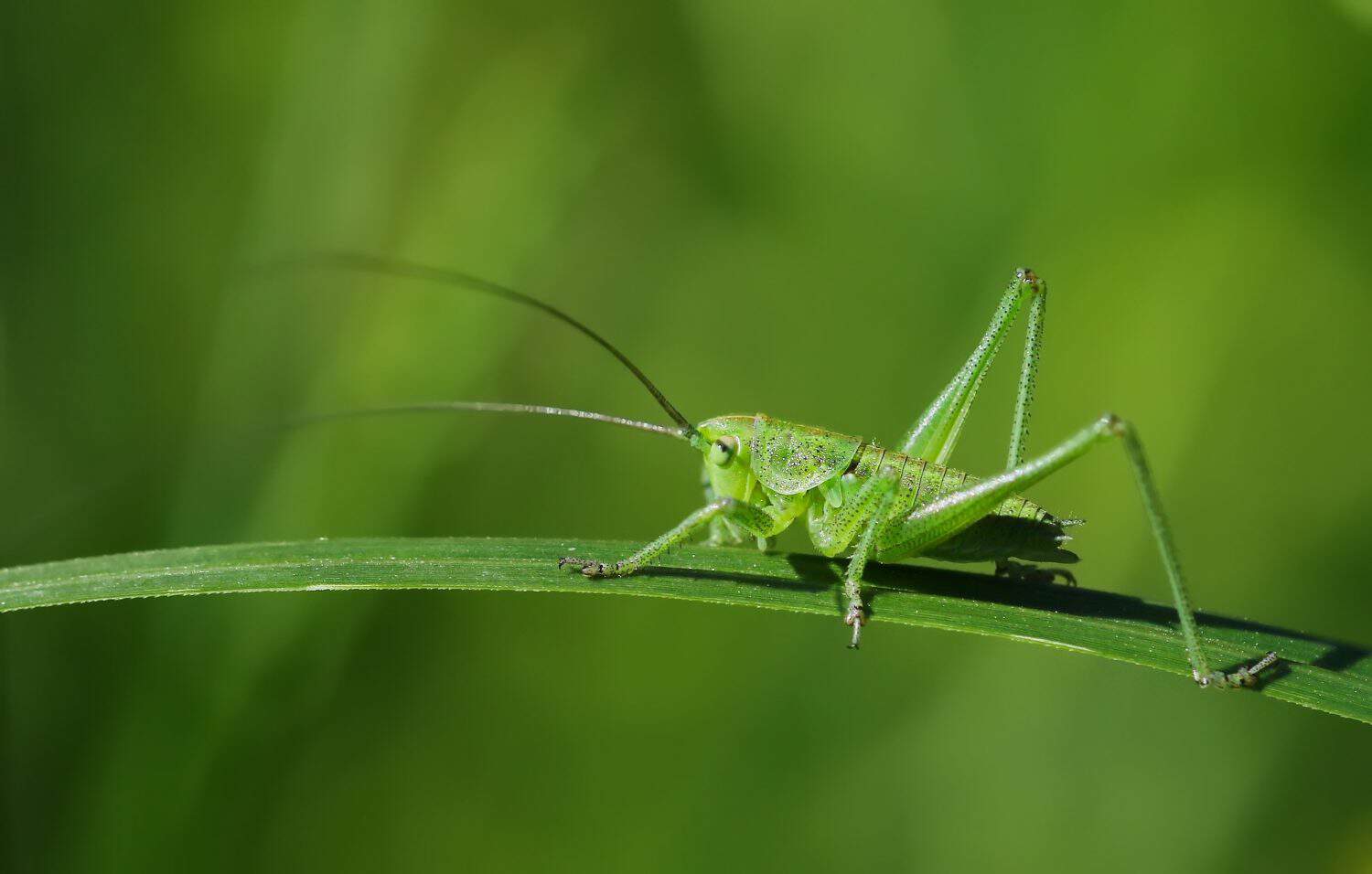
The great green bush cricket blends in perfectly with the plants that it lives in.
©xpixel/Shutterstock.com
How Great Green Bush Crickets Lay Eggs
The great green bush cricket is one of the largest bush crickets. With a range across Europe and North Africa, they live in long grass and shrubs. Similar to other crickets, they are omnivores that feed on both plants and insects. On the carnivorous side of their diet, they eat flies, moths, grasshoppers, and caterpillars. Their powerful jaws allow them to actively hunt their prey rather than just waiting to scavenge them. Females can grow to around three inches long, including their ovipositor, with males being generally smaller in overall length but sometimes slightly larger in body length alone. Females use their ovipositor in a unique way to lay eggs.
In the video above, a female great green bush cricket is laying eggs through oviposition, which is a deliberate form of egg-laying. The ovipositor, which looks like a giant stinger, is used to probe into the soil to lay the eggs. Females look for suitable loose soil before inserting their ovipositor inside and depositing the eggs beneath the surface. How many eggs they lay depends on different environmental factors, but females can lay hundreds of eggs throughout their lifetime. Great green bush crickets lay their eggs underground for a few reasons. For one, it offers great protection from predators. The eggs become much harder to see and locate, perfect for avoiding other predatory insects and birds. It also helps regulate moisture and temperature.