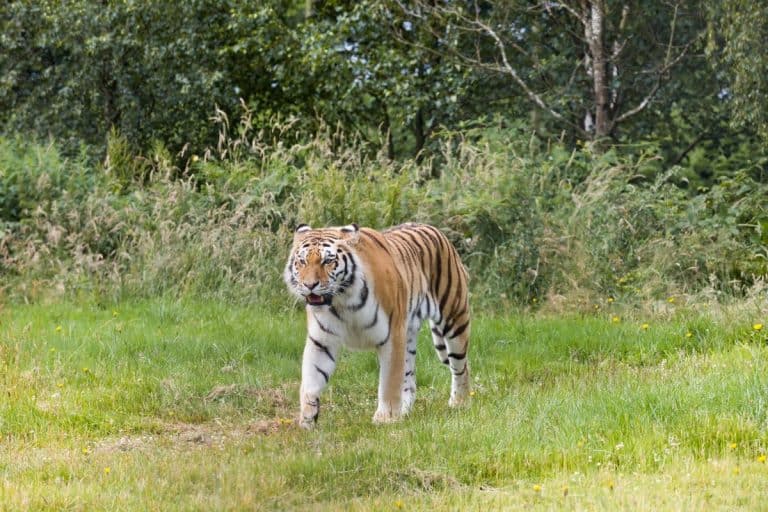

Every U.S. state has a top predator—a species that dominates its ecosystem and keeps nature in check. We identified the largest apex predator in each state and found out their global conservation status using the IUCN Red List of Threatened Species (2025 edition). The result is a coast-to-coast overview of the power and ecological importance of these animals. Try to guess your own state’s largest predator, then read on to see how well you know your local food chain.
Why Apex Predators Matter
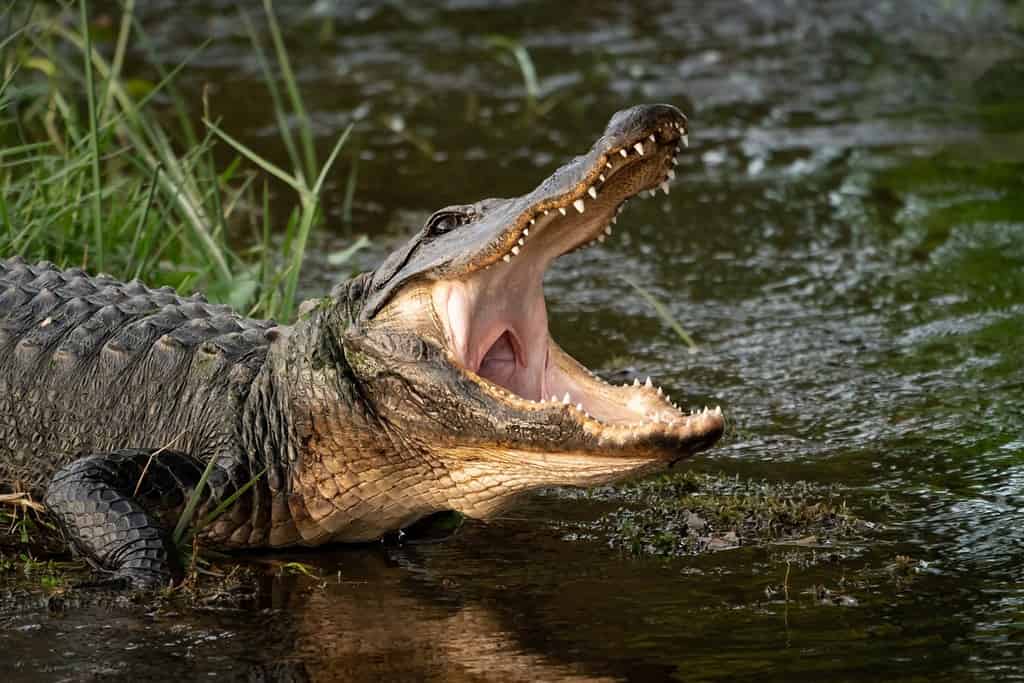
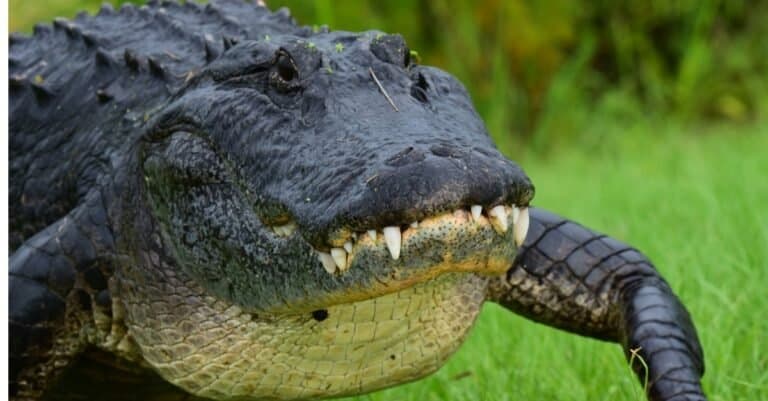
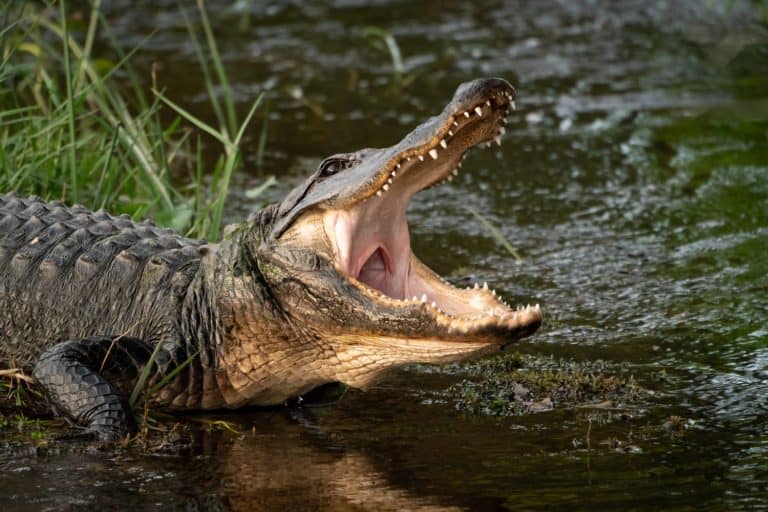
Alligators are the apex predators in some parts of the American South.
©Deborah Ferrin/Shutterstock.com
Apex predators aren’t simply the most dominant animals in the food chain; they play a crucial role as nature’s regulators. By keeping prey populations like deer and rodents in check, they protect plant life, prevent overgrazing, and keep ecosystems stable. Without them, entire landscapes suffer.
Historically, many predators have been villainized and nearly wiped out by humans who feared for their livestock, property, or safety. But today, experts know that eradicating predators, rather than managing their populations, damages environmental balance. New approaches emphasize coexistence, including public education, electric fencing, relocation programs, and regulated hunting where appropriate. Keeping apex predators in the wild isn’t just a sentimental choice—it’s a smart one that protects biodiversity and keeps nature in balance.
Largest Predators Found in Every U.S. State
Black Bear
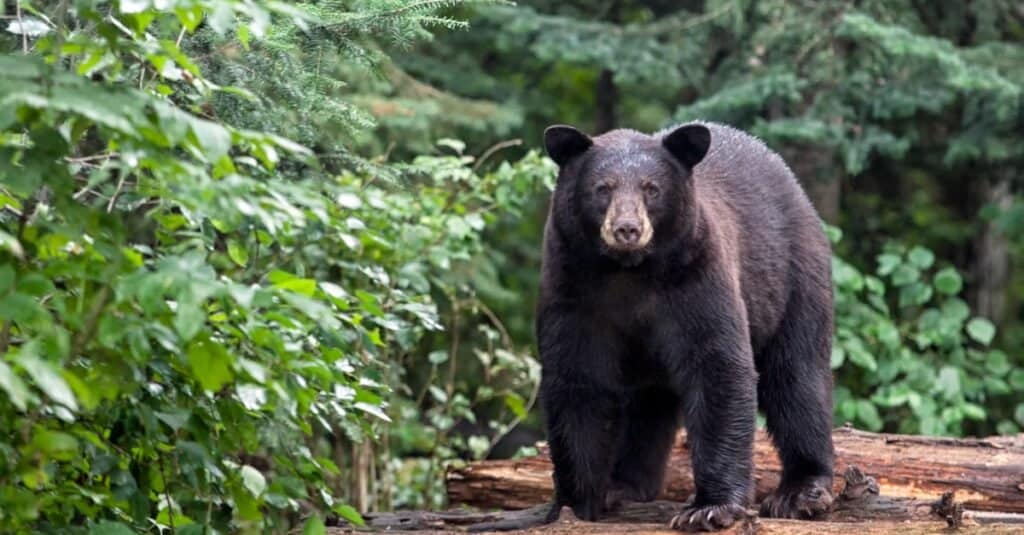
The American black bear can run up to 40 miles per hour for short bursts.
©iStock.com/Lynn_Bystrom
- States: Connecticut, Maine, Maryland, Massachusetts, Michigan, Missouri, New Hampshire, New Jersey, New Mexico, New York, North Carolina, North Dakota, Ohio, Pennsylvania, Tennessee, Utah, Vermont, Virginia, West Virginia, Wisconsin
- Size: 130-660 pounds (males), rarely over 700 pounds
- Main Prey: Berries, nuts, insects, fish, small mammals, sometimes deer fawns
- Predatory Advantages: An omnivorous diet, powerful forelimbs, and an acute sense of smell allow it to exploit a wide range of food sources and dominate smaller predators.
- U.S. Population: ~250,000-339,000
- Status: Least Concern. Populations are growing, though some subspecies face regional risks.
American Alligator
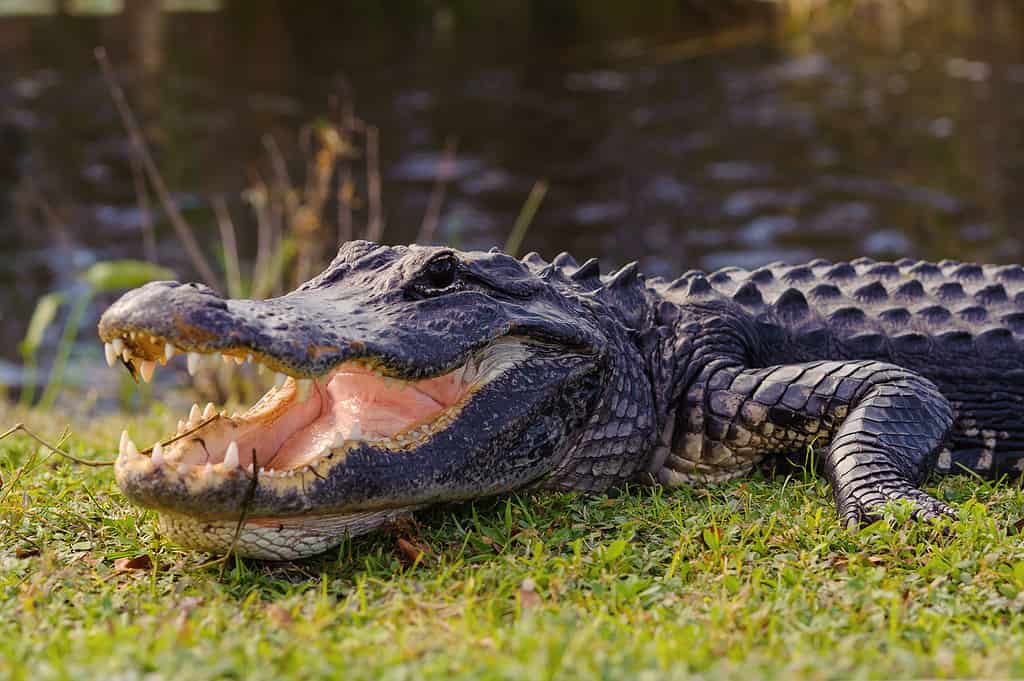
Many people would be surprised to know that alligators are now found as far north as Oklahoma, Arkansas, and South Carolina.
©Sorbis/Shutterstock.com
- States: Alabama, Arkansas, Florida, Georgia, Louisiana, Mississippi, Oklahoma (southeast), South Carolina, Texas. In South Florida, they may be replaced as apex predators by invasive Burmese pythons.
- Size: 9-15 feet, 500-1,000+ pounds
- Main Prey: Fish, birds, turtles, snakes, mammals like deer and pigs
- Predatory Advantages: Powerful bite, stealthy ambush tactics, and the ability to take down large prey in and near water make it a dominant aquatic predator.
- U.S. Population: ~5 million
- Status: Least Concern. Once endangered, now thriving thanks to protection and careful management.
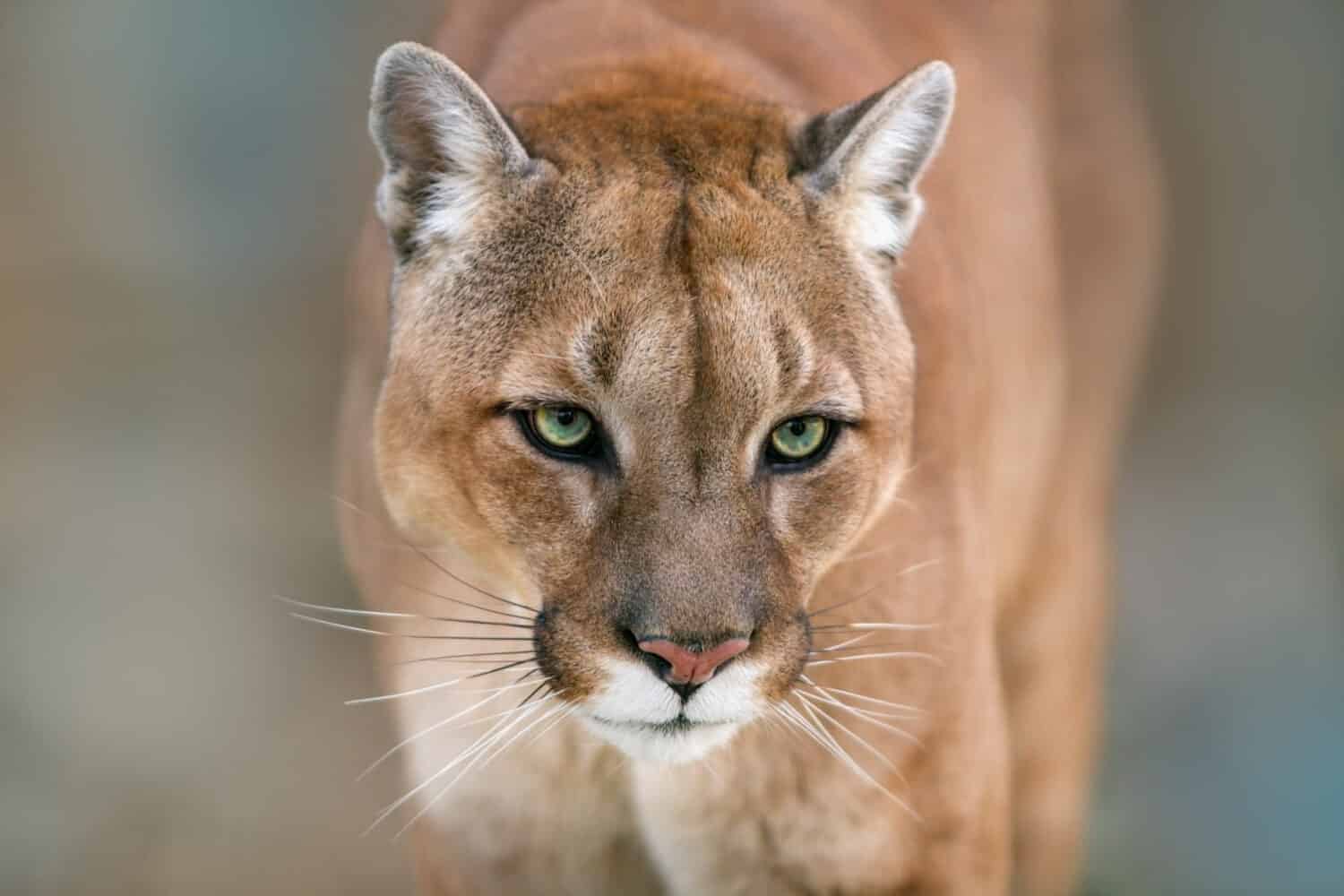
Mountain Lion (Cougar)
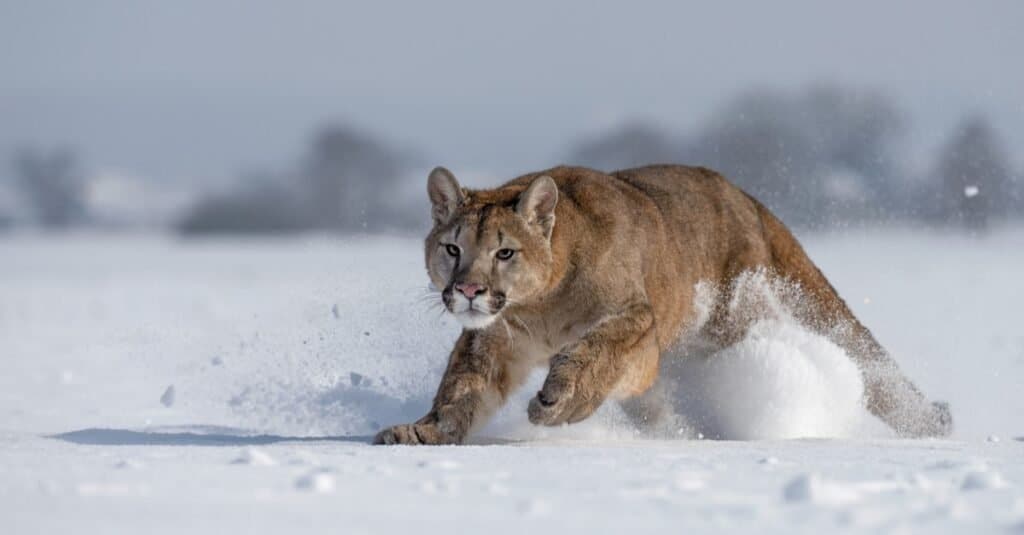
A cougar is able to jump horizontally up to 20 feet. If that were vertical, it would be as high as a two-story building.
©eumates/Shutterstock.com
- States: Arizona, California, Colorado, Kansas, Nebraska, Nevada, Oregon, Texas, Washington
- Size: 140-220 pounds (males); up to 8 feet long including the tail
- Main Prey: Deer, elk, rabbits, porcupines, livestock
- Predatory Advantages: Exceptional agility, strong hind legs for powerful leaps, and stealthy stalking behavior allow it to ambush prey effectively.
- U.S. Population: ~20,000-30,000
- Status: Least Concern. Widely distributed in the West and making a comeback in parts of the Midwest, including South Dakota, Nebraska, and even parts of Missouri and Iowa.
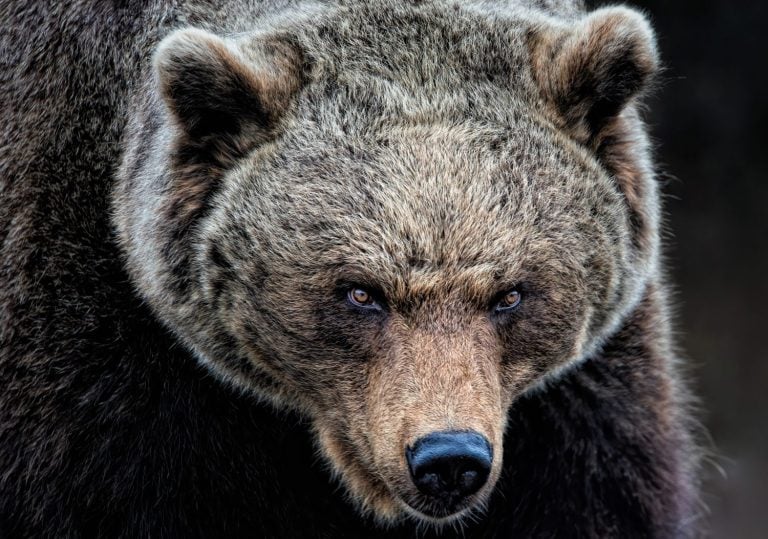
Grizzly Bear (Brown Bear)
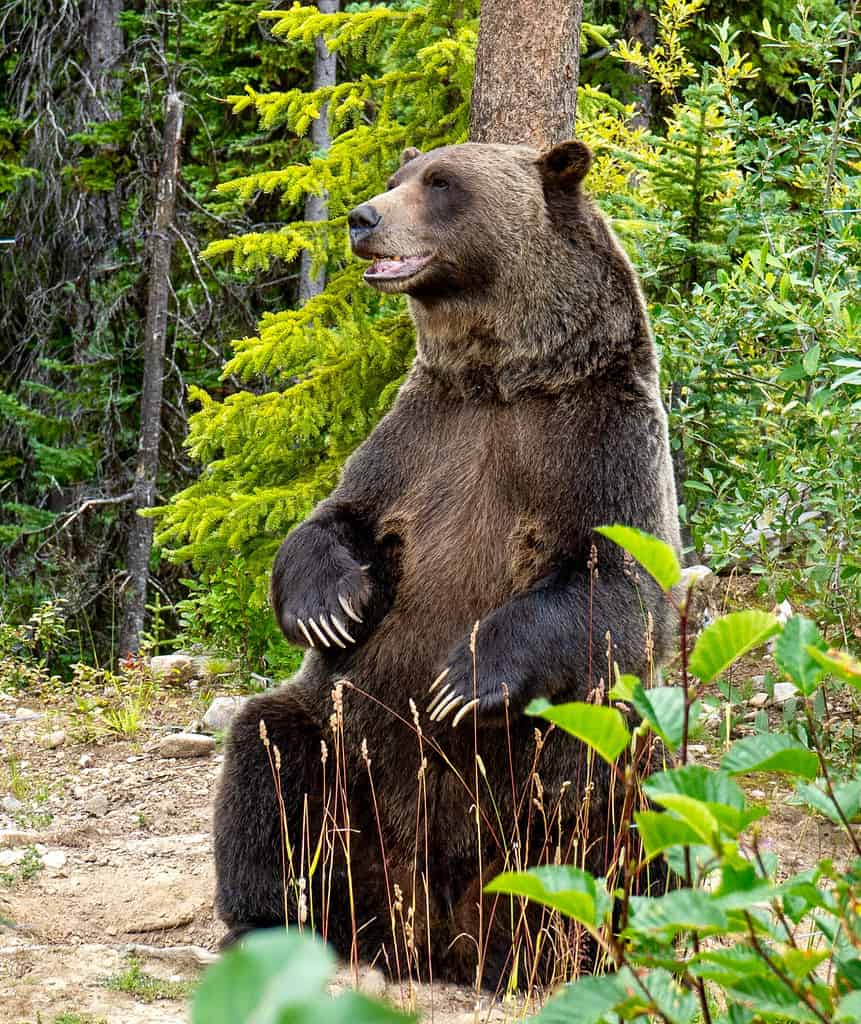
Grizzly bears are a subspecies of the brown bear.
©Andrea C. Miller/Shutterstock.com
- States: Alaska, Idaho, Montana, Wyoming
- Size: 400-1,200 pounds (coastal bears can exceed 1,500 pounds)
- Main Prey: Salmon, deer, moose, bison calves, berries, carrion
- Predatory Advantages: Massive strength, intimidating presence, and a diverse diet give it dominance over most animals in its range.
- U.S. Population: ~1,900-2,000 (Lower 48) + 30,000-40,000 (Alaska)
- Status: Least Concern globally. However, U.S. grizzly populations are federally listed as Threatened and remain under Endangered Species Act protections.
Coyote
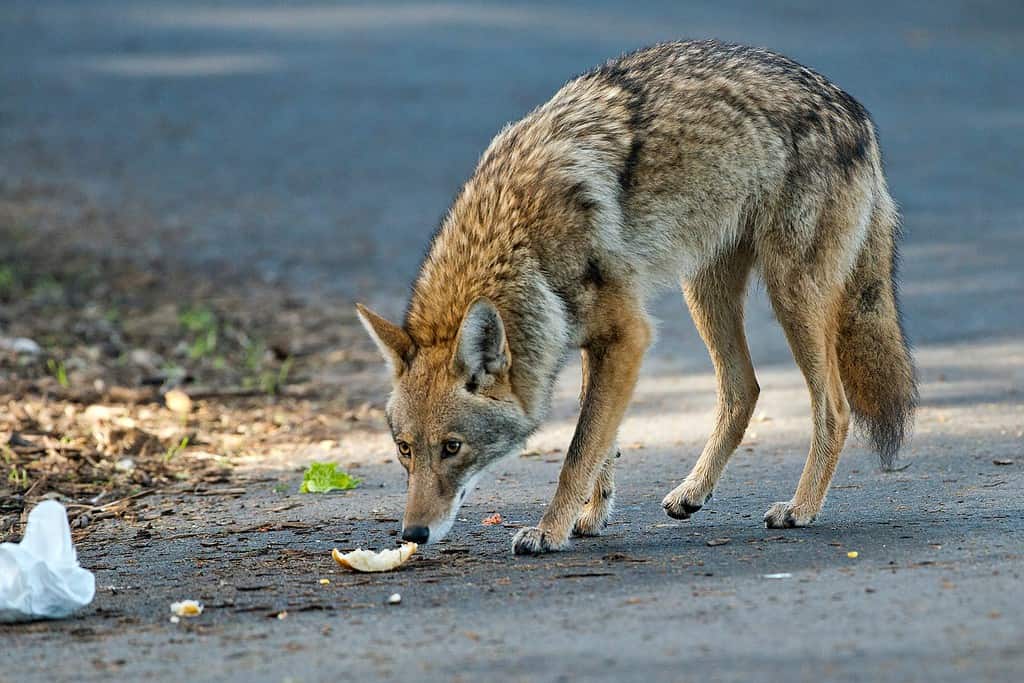
An urban coyote in San Francisco. Like squirrels, raccoons, and rats, coyotes have successfully adapted to cities as one of their habitats.
©Matt Knoth/Shutterstock.com
- States: Illinois, Indiana, Iowa, Kentucky, Rhode Island, South Dakota
- Size: 15-46 pounds; 3.5-4.5 feet long
- Main Prey: Rabbits, rodents, birds, young deer, fruit, garbage
- Predatory Advantages: Highly adaptable, with keen intelligence and pack-hunting capabilities when needed, allowing it to thrive in diverse environments from the wilderness to city streets. They also interbreed with large domestic dog breeds, birthing hybrid “coydogs,” or wolves to create “coywolves.”
- U.S. Population: Unknown but thought to be in the millions
- Status: Least Concern.
Polar Bear and Kodiak Bear

Polar bears can stand as tall as a basketball hoop and have paws the size of dinner plates.
©BJ Kirschhoffer / Polar Bears International
- States: Alaska. Note: The state has two apex predators because they are similar in size and dominate their ecosystems, but they are located in different parts of this vast state.
- Size: Polar bears up to 1,400 pounds; Kodiaks often exceed 1,500 pounds
- Main Prey: Seals for polar bears; salmon, berries, mammals, and carrion for Kodiak bears
- Predatory Advantages: Insulating fur and fat allow the polar bear to hunt in extreme cold, while its massive size and strong swimming ability help it catch seals on ice and in open water. Kodiak bears have rich food sources and a massive size and strength advantage that keep them numerous and dominant in their habitat.
- U.S. Population: ~900 polar bears and 3,500 Kodiak bears in Alaska
- Status: Polar Bear: Vulnerable. Kodiak Bear: Not assessed separately, but stable as part of the Least Concern-ranked brown bear population.
Gray Wolf
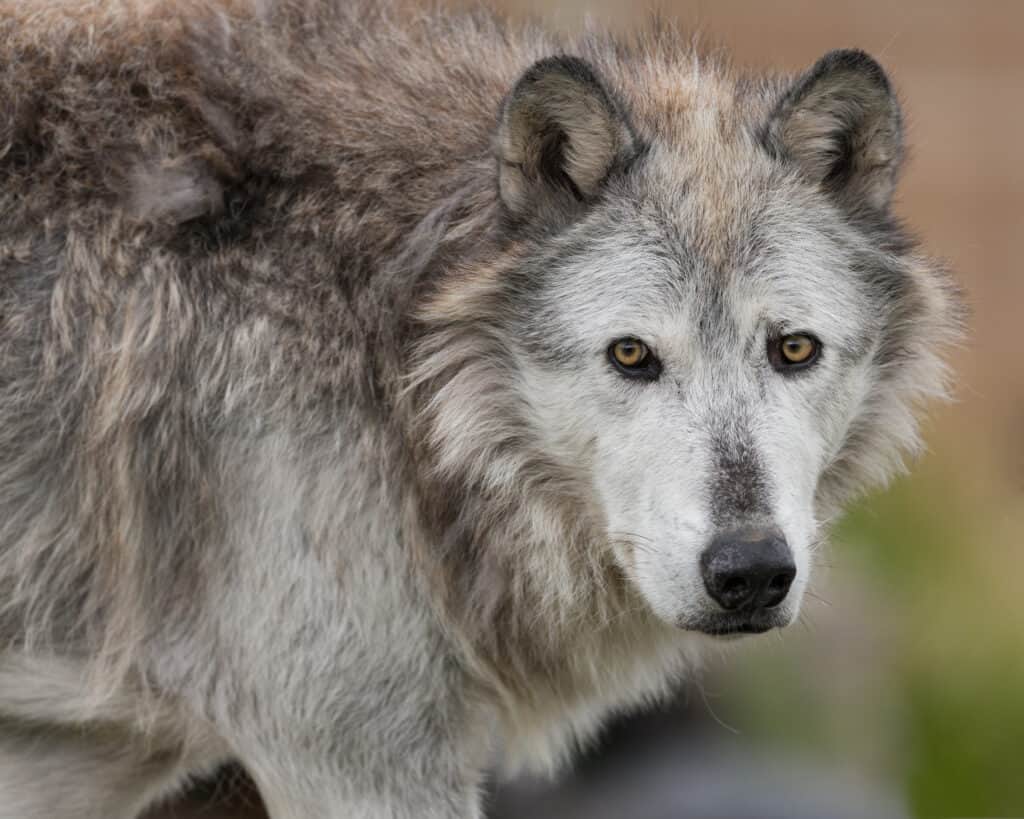
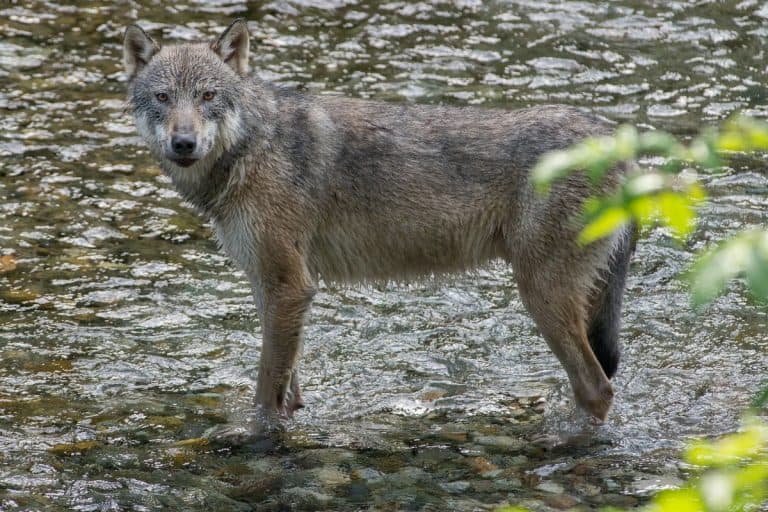
Gray wolves are considered to be highly social animals that form tight, nuclear packs.
©Nagel Photography/Shutterstock.com
- States: Minnesota
- Size: 50-110 pounds; up to 6.5 feet long
- Main Prey: Deer, moose, beavers, livestock
- Predatory Advantages: Cooperative pack hunting, endurance running, and strategic coordination allow wolves to bring down prey much larger than themselves.
- U.S. Population: ~18,000
- Status: Least Concern. Globally stable, though still vulnerable in some U.S. regions.
Bald Eagle
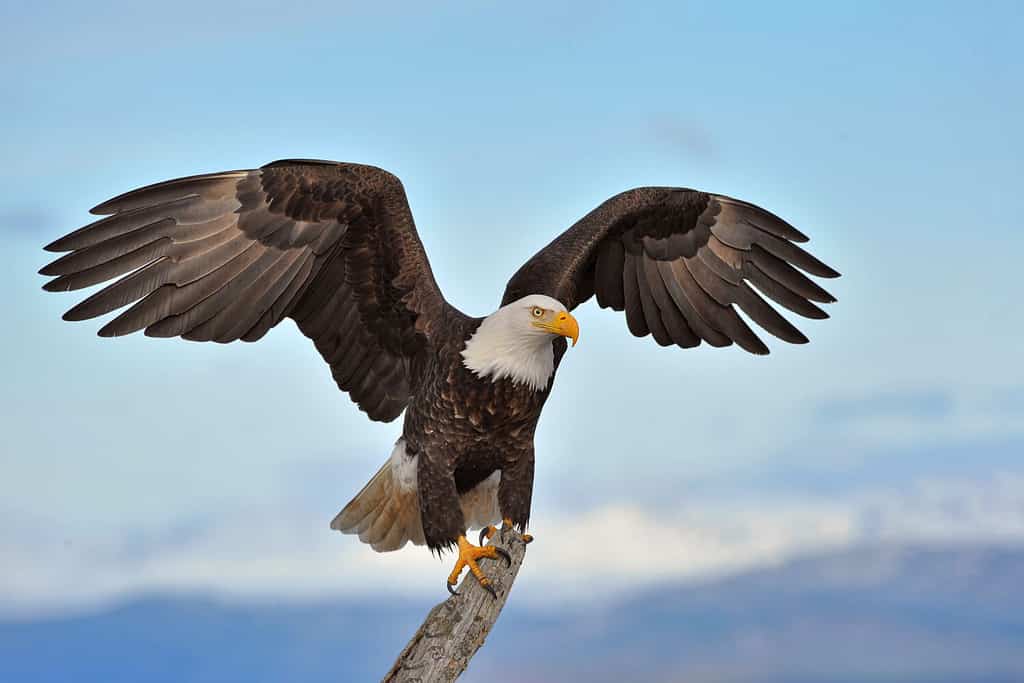
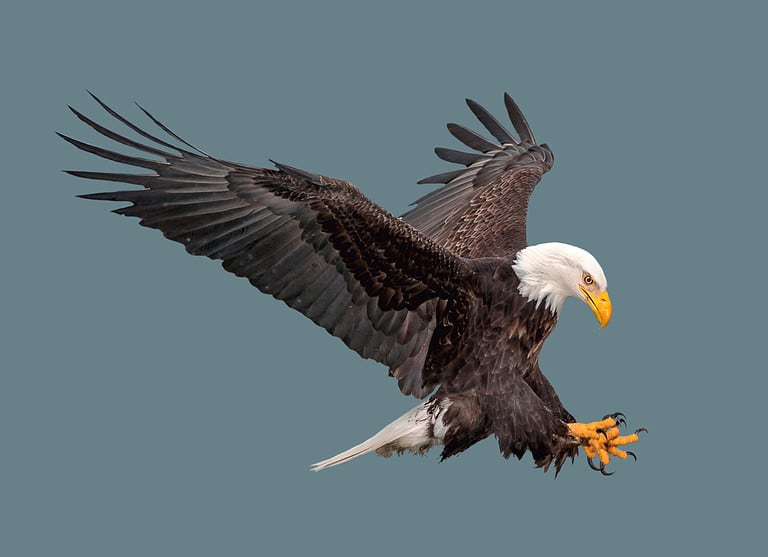
It’s easy to see why the majestic bald eagle is a treasured American national symbol.
©FloridaStock/Shutterstock.com
- States: Delaware
- Size: Wingspan 6-8 feet; 6.5–14 pounds
- Main Prey: Mostly fish, but will scavenge and steal from other birds
- Predatory Advantages: Razor-sharp vision, powerful talons, and aerial hunting skills make it a top avian predator and effective fish hunter.
- U.S. Population: ~316,700
- Status: Least Concern. Once endangered due mainly to the overuse of pesticides, it is now one of the nation’s best recovery stories.
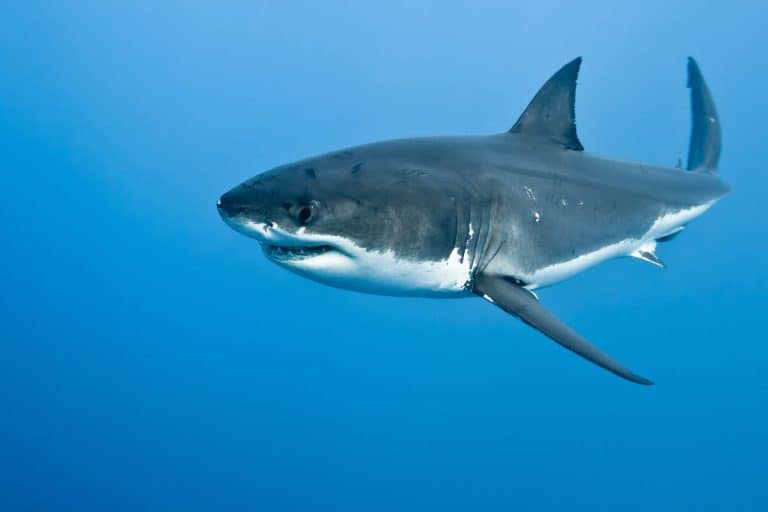
Tiger Shark
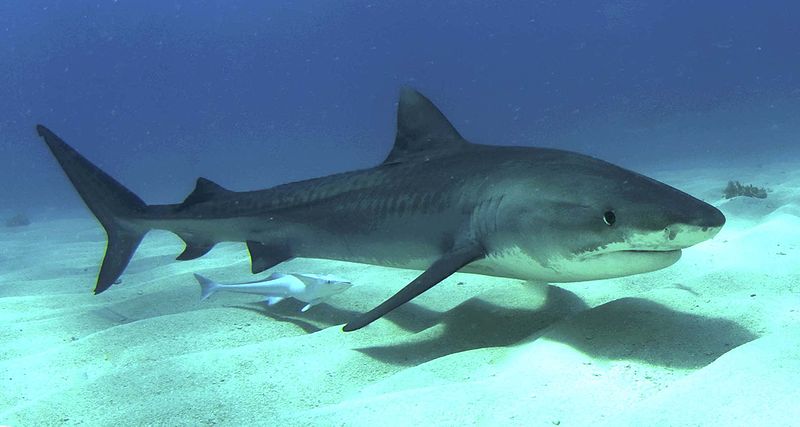
Tiger sharks are plentiful in the waters of Hawaii and Florida, but their exact numbers are unknown.
- States: Hawaii
- Size: Up to 18 feet and 1,400 pounds
- Main Prey: Fish, sea turtles, birds, seals, other sharks
- Predatory Advantages: Powerful jaws, a broad diet, and excellent sensory detection (including electroreception) allow it to feed on a wide range of marine animals, keeping it at the top of its ecosystem.
- U.S. Population: Unknown but stable
- Status: Near Threatened. Threatened by overfishing of its prey and unintended catch in fishing nets, but not yet endangered.
Predators Are Signs of Ecological Health
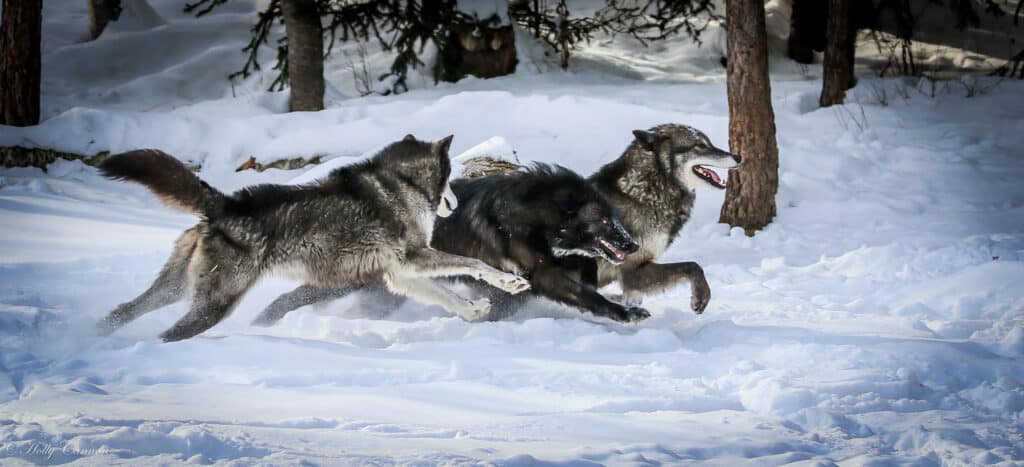
Wolves running in the snow are a happy sight…as long as they’re not chasing you!
©Holly S Cannon/Shutterstock.com
America’s apex predators are not only impressively large and fierce creatures, but also they’re signals of ecological health. From the hard-fought comeback of the bald eagle to the still-fragile future of the polar bear, these species reflect both our progress and our challenges in wildlife management. By tracking their status through tools like the IUCN Red List, we do more than just catalog wildlife—we learn how to protect it. Because when the predators are strong, the wild places they rule are strong too.