
Quick Take
- A shipwreck that stranded a crew on an uncharted island accidentally triggered a chain of events that erased an entire species within a century. The shipwreck that changed everything →
- Fossils sitting unidentified in storage for decades finally rewrote everything scientists thought they knew about where this bird lived. Fossils that rewrote the range →
- When Steller first spotted the spectacled cormorant, the species may have already been on borrowed time, and this was true long before a single human raised a hand against it. Already vulnerable before hunters arrived →
Cormorants are one of the world’s most impressive bird species. They can take to the air in seconds and have a diving capacity that exceeds most ducks and other aquatic birds. Their grace and agility originally drew observers in the mid-18th century, but their beauty also led to the extinction of the most prized cormorant species.
The friendly nature of the once-magnificent spectacled cormorant earned it a death sentence at the hands of humans. When overconsumption and overhunting reigned supreme, this docile species never had a chance.
A Shipwreck and the Discovery of a Spectacled Cormorant
The spectacled cormorant was an accidental discovery made by German naturalist Georg Steller. He accompanied a Russian expedition group led by Vitus Bering in 1741, which ultimately ended in disaster. Their ship wrecked near Kamchatka, and they swam to shore on Bering Island before it was known as such. While their original exploration plan was horrifically derailed, their new course charted the flora and fauna of the unknown island.
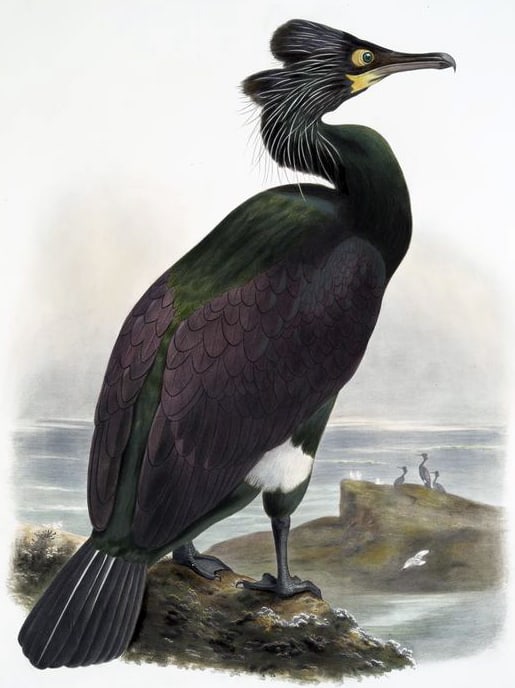
Only drawings exist of the bird that was hunted to extinction before science could ever document it.
Among the new species the crew observed was the sea cow, which quickly became extinct after word of its existence got out. However, the spectacled cormorant was also part of this new species list. Upon first glance, Steller described the large bird as “goose-sized.” Its charcoal-colored feathers were punctuated by bright white plumage on each leg, and a unique yellow ring around both of its eyes. This is how it earned the name “spectacled.” To Steller, the bird appeared to be wearing a pair of feather glasses.
At the time, it was the largest of the cormorant species discovered. It was also noted that the bird was flightless and instead excelled at diving. Despite its large size, its highly dense bones helped it reach depths most aquatic birds can’t get to. Those who witnessed its dives marveled at its swift agility, but their respect for the species would end there. Shortly after its discovery and naming, it would become something else: Food.
Eaten to the Brink of Extinction
The spectacled cormorant’s graceful displays in and out of the water were not enough to protect it. As time went on, the shipwrecked group needed food. Historically, cormorants had foul-tasting, inedible meat, which is why they were never at risk of overhunting. However, the spectacled cormorant was a strange exception. Its meat was not only edible but also delicious, according to Steller.

The Russian Chukotka district is a frigid, often difficult region to navigate.
©Tetyana Dotsenko/Shutterstock.com
This set off the hunting frenzy that would eventually push the species to the brink of extinction. As more sailors arrived on the island, which was later named Bering Island after its late explorer, the spectacled cormorant was hunted specifically for food. Whalers in the area also caught wind of this delectable meal, contributing to the species’ shrinking numbers.
Eventually, Russian fur traders and settlers contributed to the hunting of the spectacled cormorant, primarily for food. With the settlement of the Aleuts on Bering Island, the last of the spectacled cormorants were hunted for their meat. By 1850, the species was eradicated on Bering Island and the nearby Ariy Rock.
A Modern-Day Discovery
We could have learned much more about the spectacled cormorant had it not gone extinct. Scientists never had the chance to observe it in its natural habitat, and all we know now is based on the clues it left behind. Without conservation in the early 1800s, birds like this one never really had a chance. Thankfully, a detailed examination in 2018 led paleontologists right back to this extinct species.
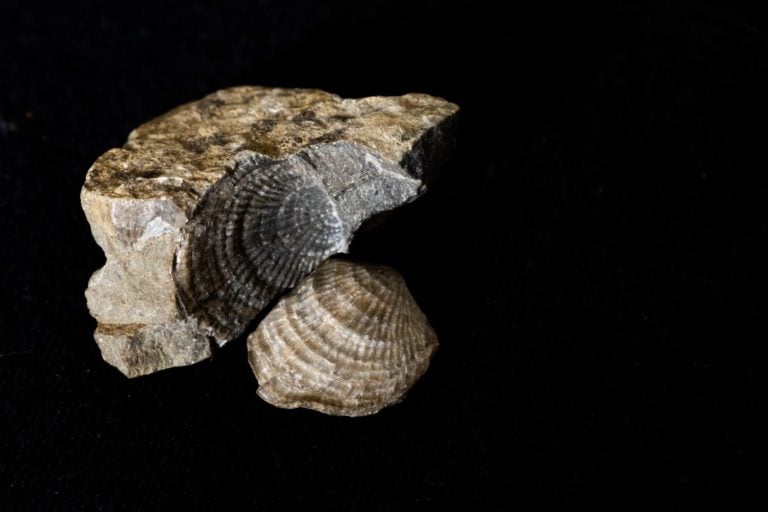
In 1960 and 1987, large fossils were found in Shiriya. At the time, the fossils could not be identified, but they were later determined to belong to a large bird. Fast forward to 2018: Junya Watanabe and Hiroshige Matsuoka, paleontologists at Kyoto University, finally identified the unknown vertebral bones. They were too large to belong to Japan’s native cormorant species; however, they matched the spectacled cormorant. This changed what scientists previously thought about the species’ distribution.
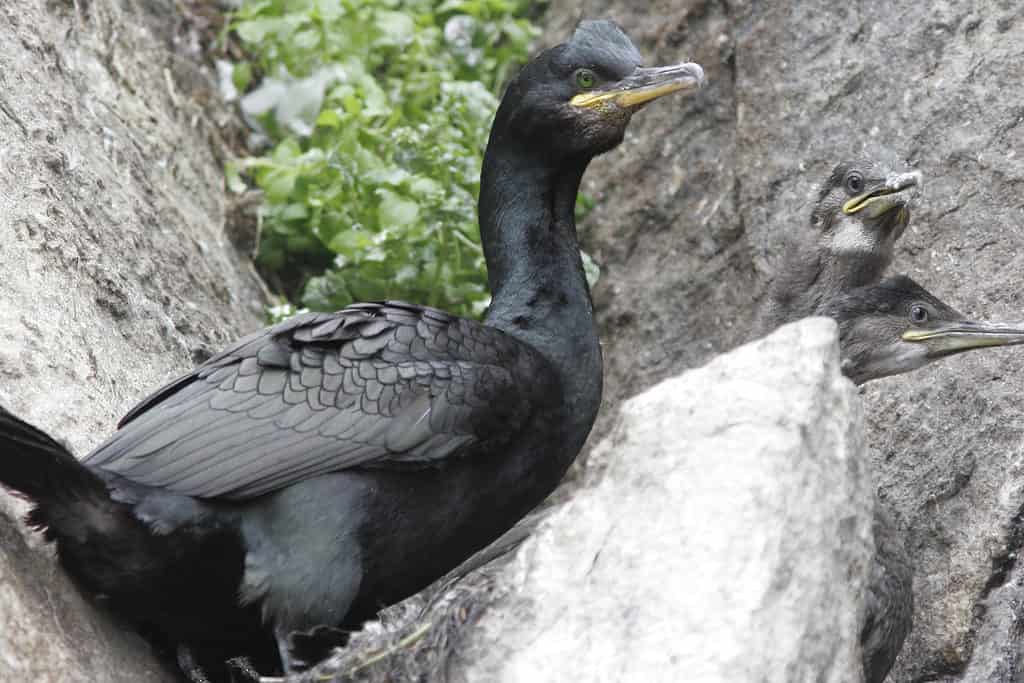
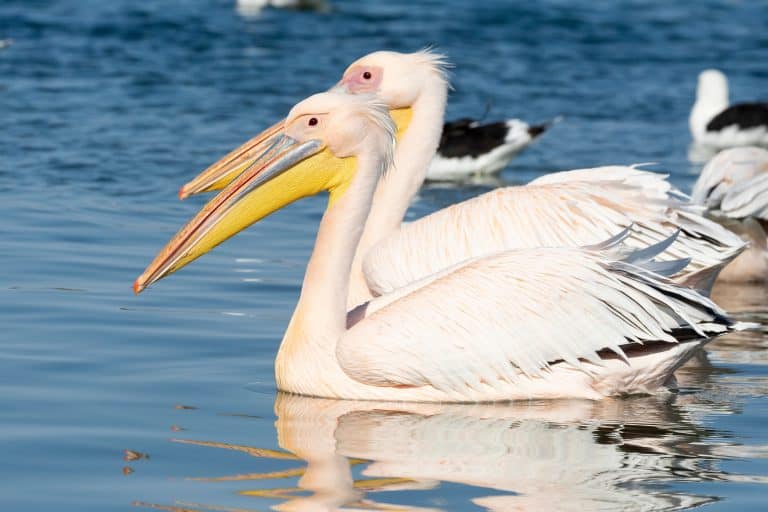
There are 40 known cormorant species still living today.
©iStock.com/Prensis
Rather than living exclusively on and near Bering Island, the spectacled cormorant also thrived in prehistoric Japan. This provided a significant clue about the species. These relatively recent paleontological findings suggest that the spectacled cormorant once had a much wider prehistoric distribution. Watanabe and Matsuoka believe the first spectacled cormorants “discovered” may have been the remaining population that survived the prehistoric climate shift. Therefore, these individuals may have already been vulnerable when Steller first laid eyes on them.