
Quick Take
- Maintaining social standing during a 4-year absence necessitated the total adoption of Spanish vocalizations.
- The microchip in Nigel created a problem when compared to the veterinarian’s search for Benjamin.
- Shedding a British accent proves that vocal learners prioritize environmental mimicry over their original dialects.
- Investigating whistling at a Torrance dog spa was essential for initiating the scouting sequence.
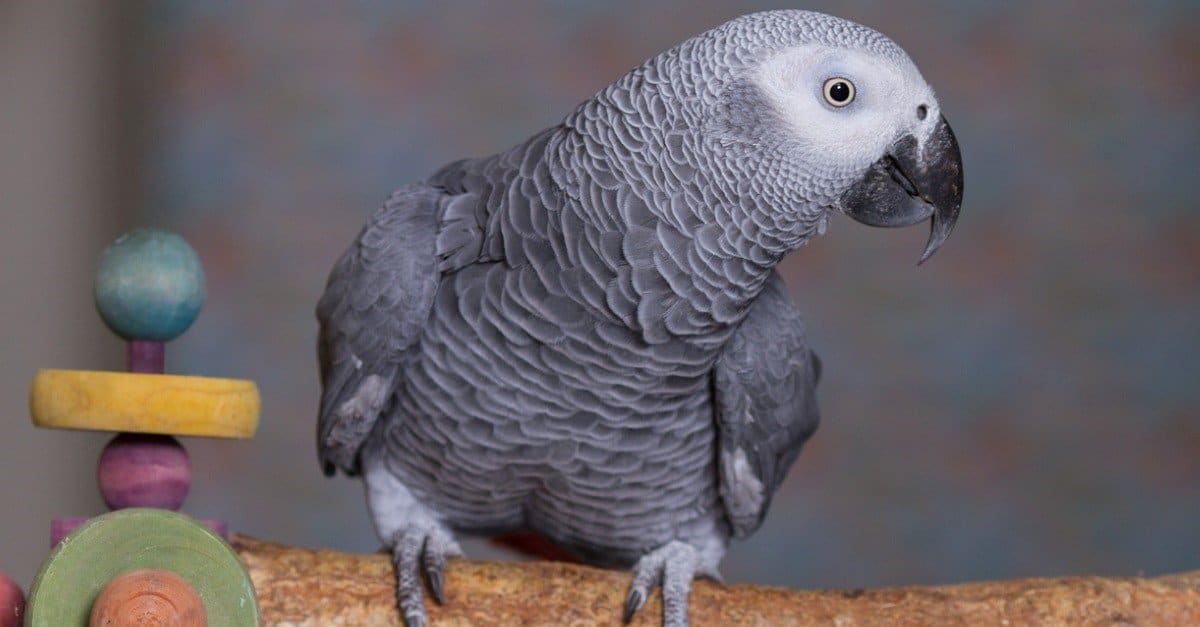
An African grey parrot called Nigel returned to his home in Torrance, California, having been missing for four years. But that’s not even the most remarkable thing about this news story from 2014. When Nigel was reunited with his owner, he had learned to speak Spanish and had been given the name Morgan by the family who cared for him! Where had Nigel been all this time?
Brit Parrot Nigel Goes Missing
Nigel went missing from the home he shared with British man Darren Chick in California in 2010. Four years later, the owners of a dog spa in Torrance heard a whistling outside and went to investigate. They discovered an African grey parrot singing, barking, and saying ‘What happened?’ in Spanish.
The spa owner, Julissa Sperling, then saw an advertisement about a missing parrot named Benjamin and assumed the bird she had found was Benjamin. However, the ad had been placed by a veterinarian named Teresa Micco, and it soon became clear that the parrot was not Benjamin. Thanks to some clever detective work and the microchip in Nigel, Micco was able to trace Nigel’s owner and return the pet bird.
Where Had Nigel Been?
Nigel now had several Spanish phrases in his repertoire, but his whereabouts for the last four years were a mystery. This was solved when the Hernandez-Smith family came forward and explained everything. Nigel had been cared for by Ruben Hernandez, an 86-year-old Spanish speaker from Guatemala. He had also changed the parrot’s name to Morgan. The family was desperately missing ‘Morgan,’ so Darren Chick agreed that the best thing was to return the parrot to them.
Parrots and Language
Parrots are vocal learners, so they imitate words that they hear—no matter the language. They copy human speech because they are trying to fit in. In the wild, they use vocalization to relay information and fit in with their flock.
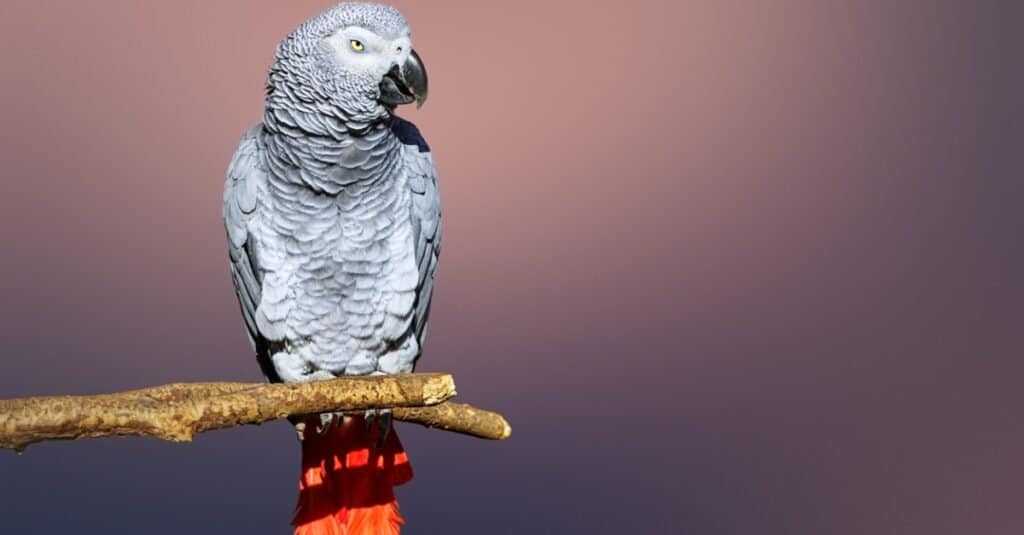
The African grey parrot is an excellent mimic.
©iStock.com/Etienne Outram
They need to live in flocks to protect themselves from predators, so getting along with other parrots is vital. It is not unusual for them to pick up local dialects. They simply want to fit in with their human household, so they try to speak the same way you do.