
Quick Take
- Most amphibians like to live at lower elevations where humidity and temperatures are more favorable.
- Scutiger boulengeri (Himalayan stream frog) has been recorded living in a lake in India at 17,800 feet.
- Frogs and toads living at high elevations have adaptations such as a larger size and a lower developmental growth rate.
Living at high altitudes is a challenge! Most animals choose to live away from the peaks of mountain ranges, resulting in lower biodiversity at higher elevations. Amphibians, in particular, favor lowlands where they find the humidity and warmer temperatures that they prefer. But not all of them. Let us introduce you to the Himalayan stream frog (also called the Xizang alpine toad), which is an exception, thriving at altitudes close to the stars.
The Highest Amphibian on Earth
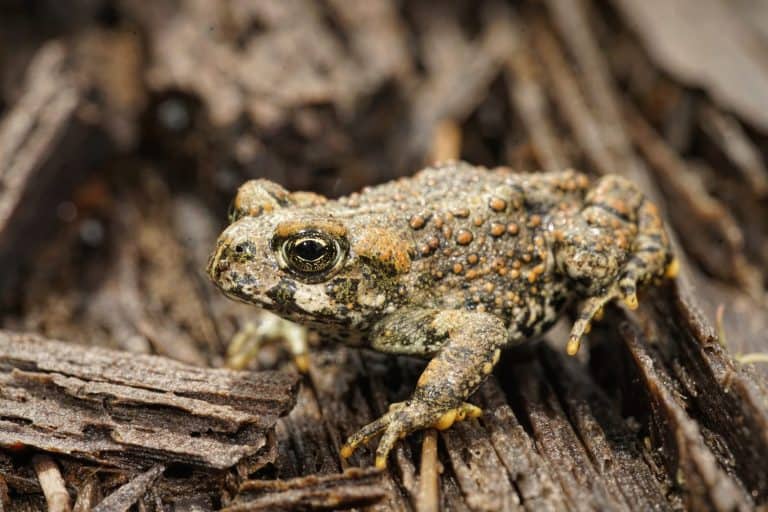
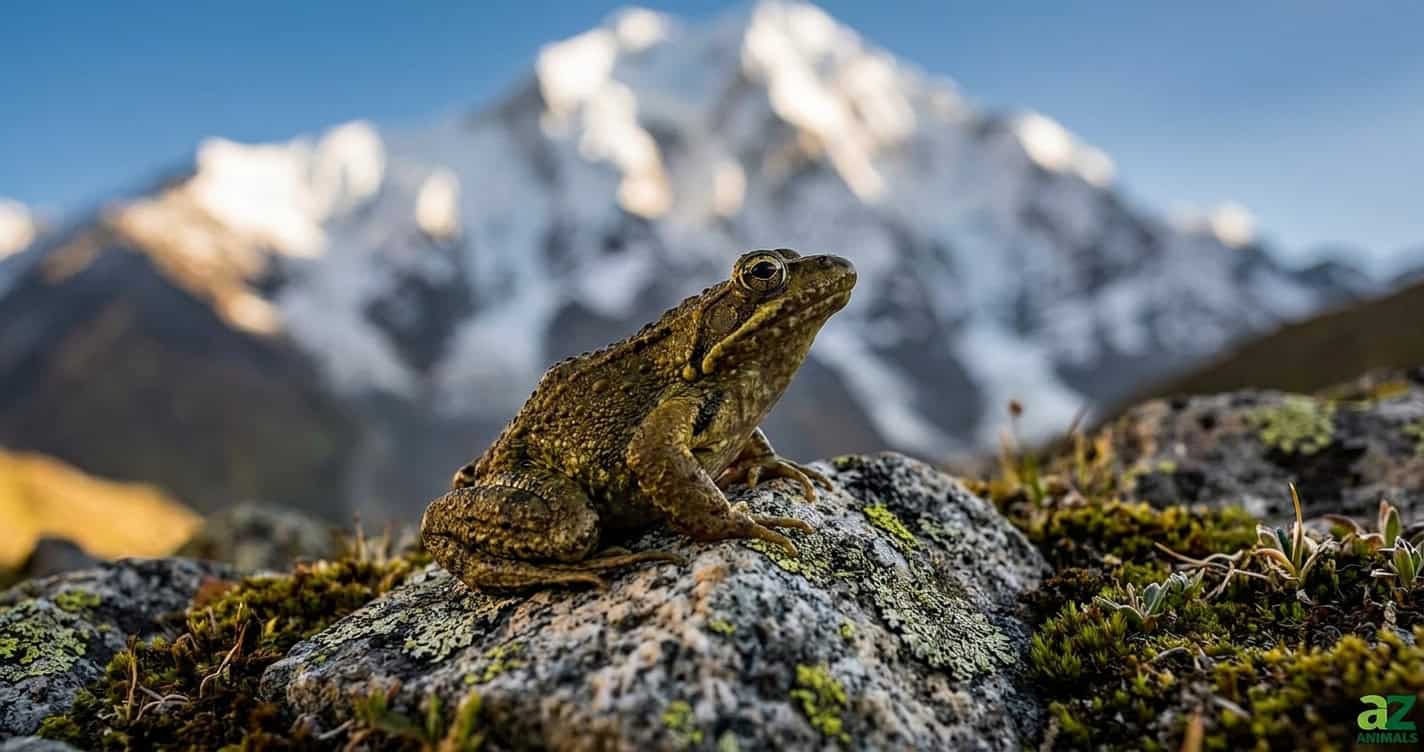
As their name suggests, the Himalayan stream frog (Scutiger boulengeri) inhabits the eastern Himalayan-Tibetan mountain system. They are residents of areas in Bhutan, China, India, and Nepal at elevations of around 10,000 to 17,000 feet above sea level. These toad-like amphibians live on the forest floor and breed in streams.

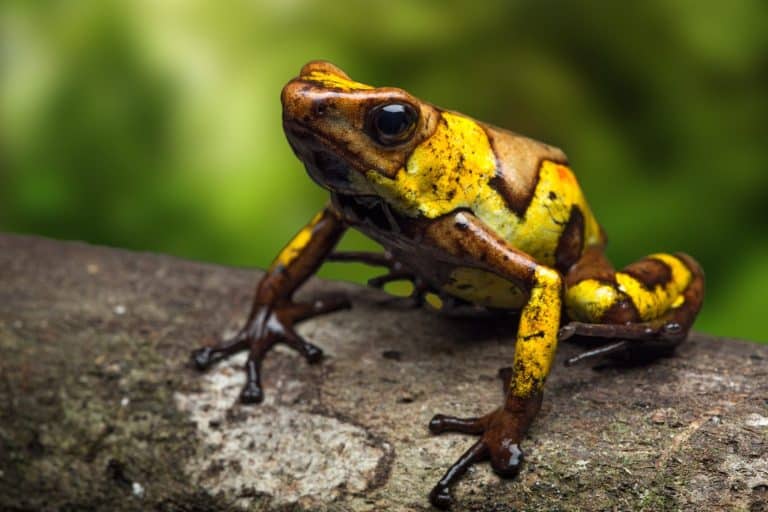
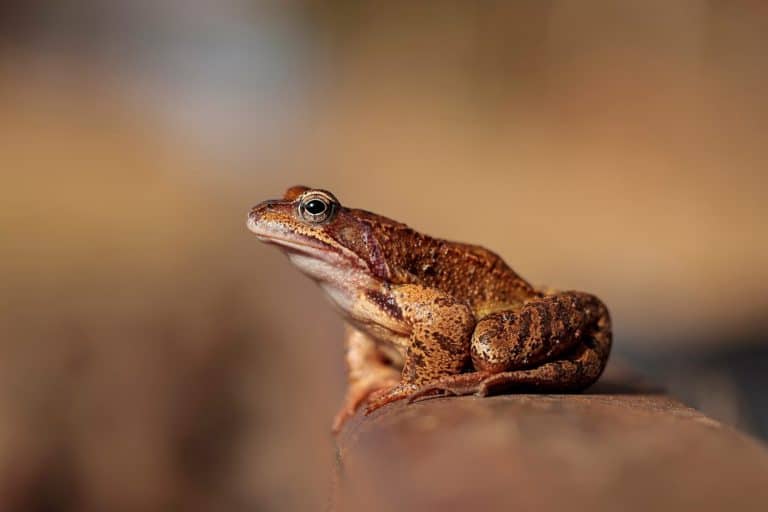
Frogs usually prefer low altitudes.
©Sifrx90 Photography/Shutterstock.com
Scutiger boulengeri is recognized as being the highest altitude frog on Earth. Individuals of this species have been recorded in one of the highest altitude lakes in the world, Lake Gurudongmar in the Indian state of Sikkim. The lake is located at an altitude of 17,800 feet.
That said, they do have rivals! Three species of amphibians have colonized a recently deglaciated corridor at elevations of up to 17,716 feet in the Cordillera Vilcanota, Peru. These are Telmatobius marmoratus (marbled water frog), Rhinella spinulosa (Andean toad), and Pleurodema marmoratum (marbled four‐eyed frog). They are taking advantage of newly formed ponds created by ongoing deglaciation.
How Do the Toads Adapt to High Altitudes?
Life at high altitudes can be difficult for any animal, let alone an amphibian. The oxygen content of the air is lower, temperatures can vary widely, and UV levels are higher due to the thinner atmosphere.
To cope with this, Scutiger boulengeri has some interesting adaptations. At high altitudes, frogs and toads tend to have a lower metabolic rate. They also have a larger body size but a lower developmental growth rate. Compared with their low-altitude relatives, they also reach reproductive maturity at an older age and produce fewer offspring per season. Scutiger boulengeri also hibernates in loose soil from September to March, making it less exposed to harsh conditions.