
Quick Take
- Beach worms live their lives under the sand, only coming above to grab their next meal.
- Depending on the species, beach worms can grow extremely long, with giant beach worms sometimes reaching 10 feet in length!
- They are scavengers that feed on debris, dead fish, or seaweed that the waves wash onto shore.
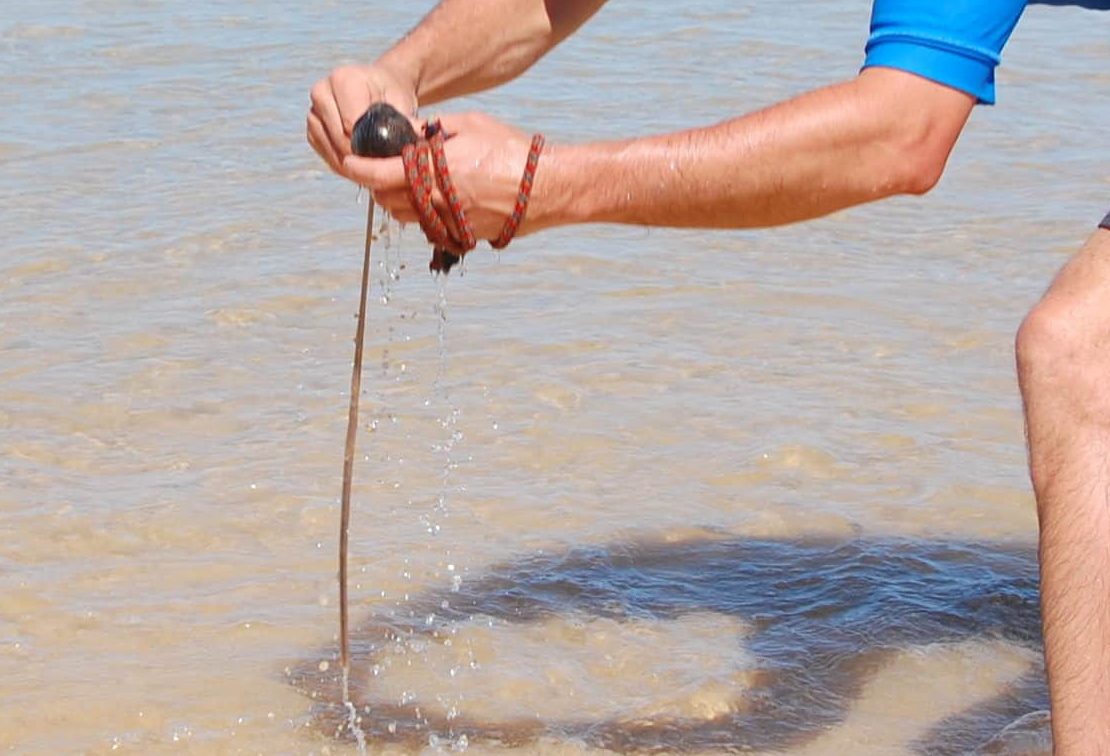
Just beneath the sand live a wide variety of animals, some of which you may have never heard of. One example is the beach worm, which is often much larger than you might expect when pulled from the sand. Although they may seem a bit creepy, beach worms are fascinating creatures that use their sandy homes to their advantage. This Instagram post by @tightlinezaus shows a man pulling one of these worms out, and it is a shocking sight. Read here to learn more about beach worms.
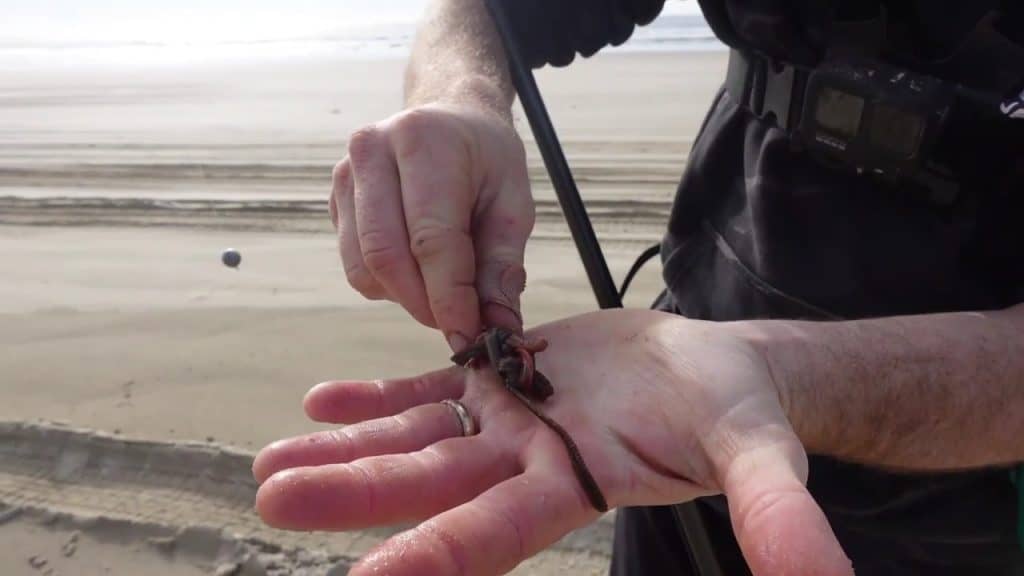
Beach worms are relatively harmless to humans, just watch out for a small pinch if they try to bite.
©Fishing with Jollip / YouTube – Original
About Beach Worms
Beach worms are extremely interesting animals as they spend the majority of their lives underground. While they don’t live on every beach in the world, they are primarily found on Australian beaches, with related but different species of marine worms present in other parts of the world. They require specific conditions, such as well-oxygenated sand and lots of waves. This means you are most likely to find them on beaches with well-oxygenated sand and regular wave action. The part about these animals that freaks people out is how long they grow. While the length that beach worms grow depends on the species, large species like the giant beach worm can reach up to 10 feet long! So, when videos like the one above show these worms being pulled out of the sand, it can be quite shocking.
The only times these worms make themselves known are when they are eating. Beach worms are scavengers, meaning that they feed on scraps of food they can find. This includes dead fish, seaweed, or other debris brought onto shore by waves. Using their sense of smell, they detect food before sticking their head out of the sand and grabbing it with their jaws. After grabbing their meal, they quickly retreat back underground. In the video, you can see the worm sticking its head out to grab its meal. While it may seem like they might bite you, they are relatively harmless creatures. They are not venomous and don’t typically attack humans. However, if handled, they may give a small pinch with their jaws.