
Quick Take
- An endangered turtle that prefers shallow, slow streams is now thriving in conditions that are the exact opposite, and researchers think they know why. See the unexpected habitat →
- Climate change usually spells disaster for vulnerable species, but for wood turtles it may be triggering something researchers never expected. Explore the climate connection →
- Road traffic isn't the only thing killing wood turtles. A quieter, more deliberate threat is accelerating their disappearance. Discover the hidden threats →
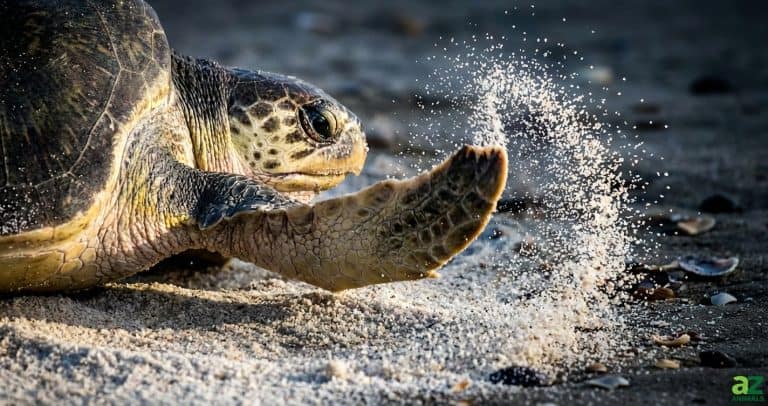
Wood turtles (Glyptemys insculpta) are an Endangered species and are also a species of special concern in New York State. This is why it was a surprise when researchers at the Great Hollow Nature Preserve & Ecological Research Center found them at high altitudes in the Catskill Mountains.
In a recent study published in the Journal of Herpetology, these observations led scientists to believe wood turtles have found a new habitat. Driven by climate change, deforestation, and human activity, this discovery points to a new evolutionary adaptation. As researchers continued their exploration, they reached another conclusion: the Catskill Mountains may offer an ideal new habitat for this lowland species and a new chance at survival.
Continue reading
High Altitudes Offer Perfect Sanctuaries For Turtles
The highest peak in the Catskills is Slide Mountain, which tops out at 4,180 feet. Most others hover just below 4,000 feet, creating fragile alpine environments. As a result, wildlife tends to thin out as the altitude increases. Lack of food, shelter from the elements, and forageable plants make the Catskill Mountains home to only a handful of hardy species.
Knowing this, researchers observed wood turtles for a total of five weeks. During that time, they followed 11 streams known to be inhabited by the species in the Catskills. They discovered that wood turtles opted for streams with conditions slightly different from those where they’re typically found.
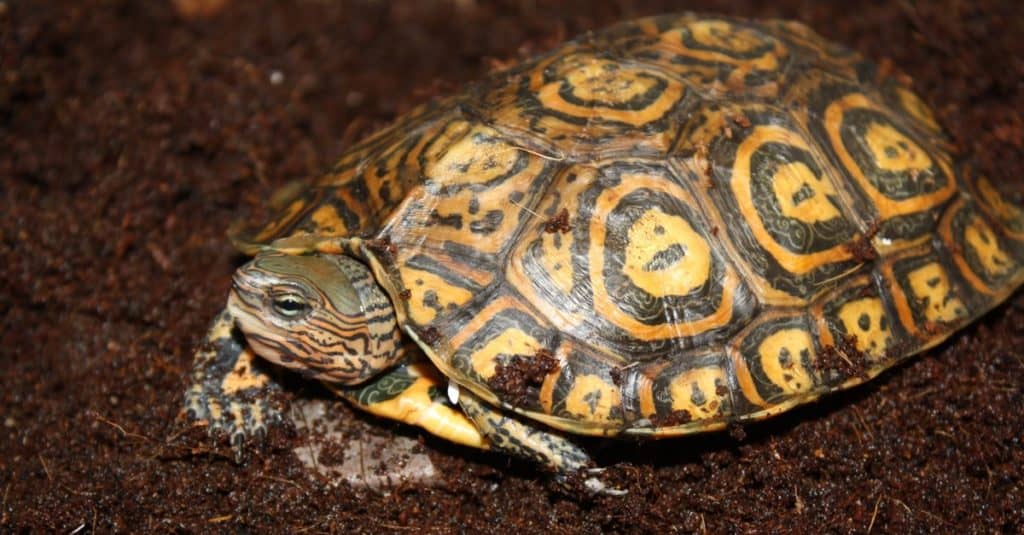
Wood turtles prefer shallow streams with sand substrate, but moving to higher elevations may change that.
©Bildagentur Zoonar GmbH/Shutterstock.com
Traditionally, the species prefers shallow streams with a consistent but slow flow. They opt for sandy substrate over the rockier, coarser riverbeds that are often found at higher elevations. However, based on the study’s results, wood turtles were found in streams with higher flow rates. These waterways also had greater depths and more variable substrates.
On land, researchers found wood turtles inhabiting areas with less tree canopy coverage, denser ground cover, and skinnier trees than in their lowland habitats. Interestingly, these areas were also on shallow slopes, indicating a gradual increase in elevation. Given this, the team came to the surprising conclusion that wood turtles were moving—but not in the direction they typically would.
What’s Driving Wood Turtles to Higher Ground?
The allure of higher altitudes for a traditionally lowland species is its pristine environment. Wood turtles are endangered in the Catskills for several reasons. One of these is climate change, which can reduce their suitable living habitat. Higher temperatures associated with climate change alter plant life and the streams they inhabit, creating erratic and unpredictable weather patterns.

It takes 16 to 18 years for a wood turtle to reach sexual maturity, resulting in slow reproductive rates.
©JasonYoder/Shutterstock.com
Additionally, human activity has encroached on their territory. Deforestation and urban development have forced wood turtles to seek more remote areas, but this only goes so far. At a certain point, the turtles instinctively began moving to higher elevations instead of remaining on flat land. According to the study, this may also be the first sign of the wood turtles’ adaptation.
Researchers believe that Northeast wood turtle populations could eventually inhabit higher elevations. From an evolutionary standpoint, these populations have the greatest chance of survival. Although their habitats change slightly, these turtles are more protected from deforestation and are somewhat shielded from the effects of climate change at lower elevations, such as landslides and flooding.
Road Mortality Plays a Role In Wood Turtle Fatalities
Thousands of turtles are killed on roadways each year in New York State. While no exact number has been assigned to the Catskills, major roads, such as Route 28, run through wood turtle territory. This is also the most scenic road in the mountains, and it is well-traveled during the fall when wood turtles migrate back to aquatic habitats.
This alone is a significant cause of wood turtle fatalities in the Hudson Valley region. As more people visit the mountains, the delicate habitats where wood turtles live become increasingly vulnerable. In recent years, this species has also become a high-value commodity for illegal pet traders. They have become vulnerable not only to passive human activity but also to intentional poaching.

In the fall, wood turtles migrate back to aquatic habitats for the winter, which sometimes leads them to busy road crossings.
©iStock.com/cturtletrax
It takes a wood turtle up to 18 years to reach full maturity. Over nearly two decades, it must remain safe from all these threats. Because their mortality rates remain high, wood turtle populations in low-lying streams are unable to recover. The study by Great Hollow Nature Preserve & Ecological Research Center reveals surprising but encouraging signs. More studies are needed to determine whether wood turtles are indeed moving to higher elevations permanently, but if they are, it’s their best chance of survival.