
Quick Take
- Black rats wiped out an entire species in just two years, and the way it happened is more alarming than you'd expect. How rats caused extinction →
- Scientists declared it extinct, yet a tiny surviving population was hiding somewhere no one thought to look. Discover the surviving population →
- Reintroducing a 'extinct' insect to its home island sounds straightforward, but one obstacle made it impossible for over a century. See the reintroduction plans →
- This insect's nickname has nothing to do with the sea, but once you see why it earned it, the name makes perfect sense. Learn the tree lobster nickname →
A stick insect with an aristocratic name and a challenging back story may be poised to make a comeback. The magnificently named Lord Howe Island stick insect has seen its share of hard times but is poised to make a return.
Continue reading
What Do We Know About the Lord Howe Island Stick Insect?
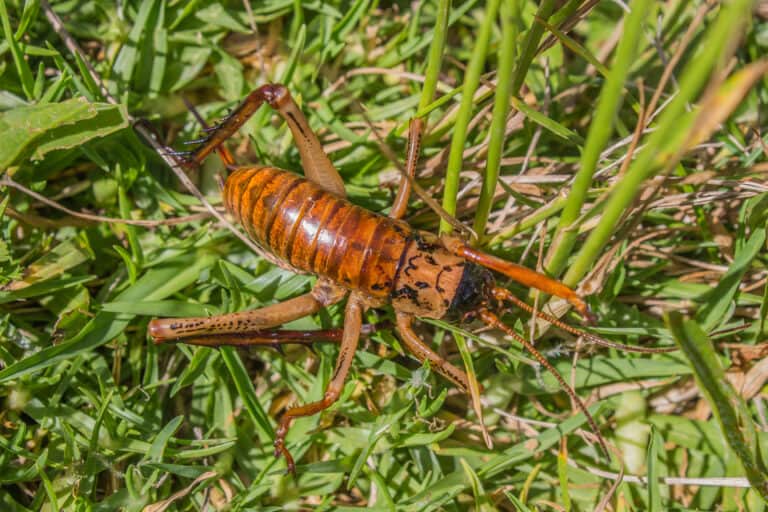
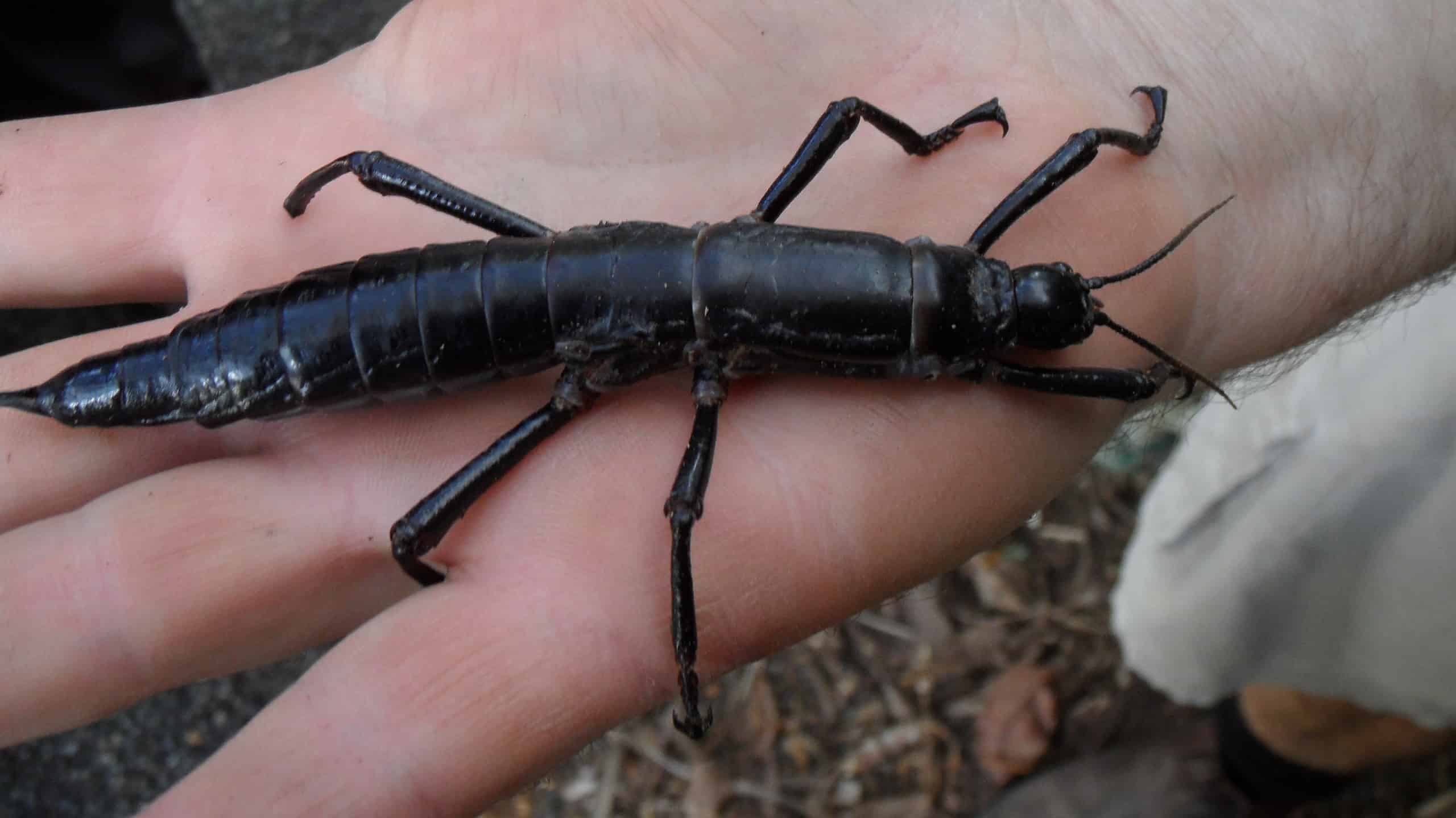
The Lord Howe Island stick insect (Dryococelus australis), also known as the tree lobster, is a member of the Phasmatidae family of insects. It has a smooth, glossy body, a square head, and no wings. As is often the case when animals are isolated on islands for thousands of years, these guys have grown to be quite large and can reach 5 inches in length or even more.
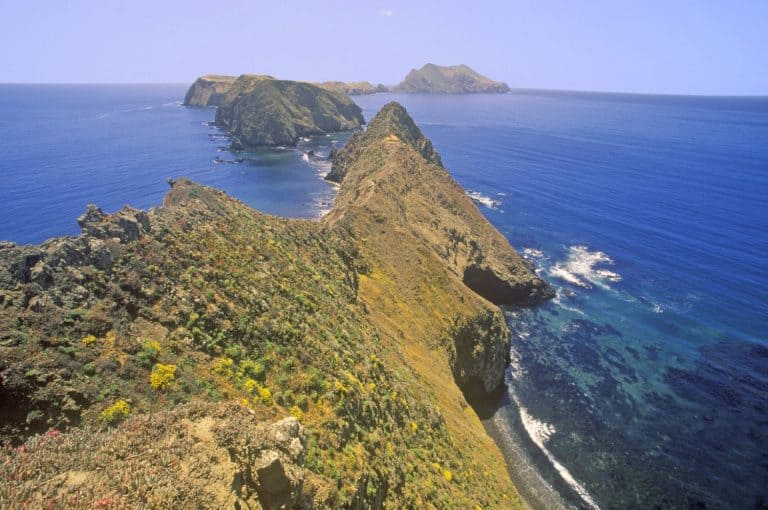
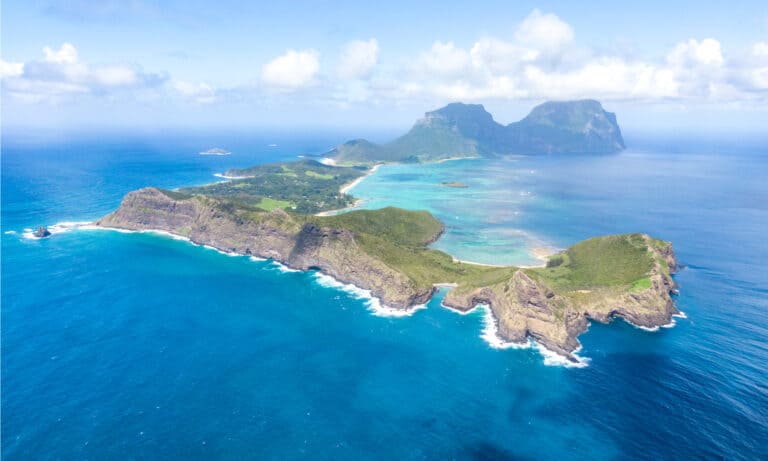
They were found only on two small islands east of Australia, namely Lord Howe Island and Ball’s Pyramid. Here, they lived in shrubs on cliff faces and terraces. They hid in tree hollows, rock crevices, and vegetation, emerging at night to feed on leaves from Melaleuca howeana plants. Their peaceful life, however, came to a brutal end.
The Fall and Rise of the Tree Lobster
European settlers—and, more importantly, the black rats that they brought with them—were to be the downfall of the tree lobster. After being introduced to the island by a shipwreck in 1918, the rodents wiped out the entire tree lobster population in just two years. The stick insects were considered extinct.
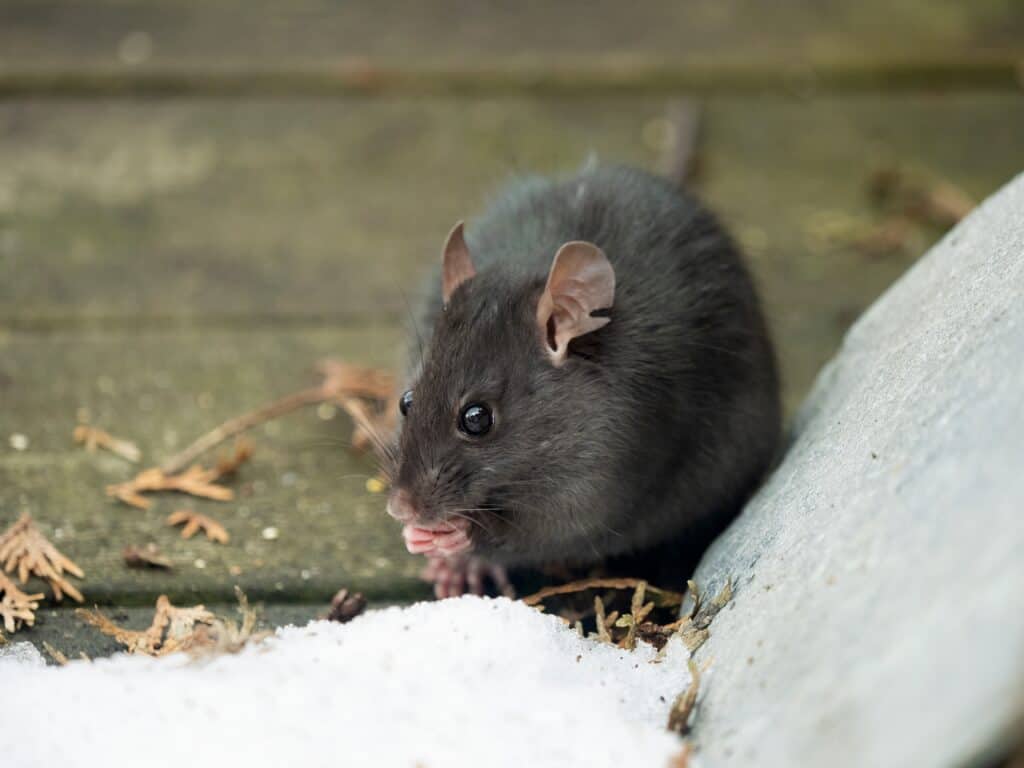
Black rats led to the downfall of the tree lobsters.
©Ernie Cooper/Shutterstock.com
However, in 1964 a group of climbers discovered some sausage-sized insect carcasses that turned out to be recently deceased tree lobsters. In February 2001, a survey of Ball’s Pyramid led to the discovery of two adults and one nymph (all females). A second survey in March 2002 identified a total of 24 individuals. This led to the species being successfully bred in captivity. Thousands of these insects have now been reared in six zoos around the world.
What’s Next for the Lord Howe Island Stick Insects?
There are now plans to reintroduce these stick insects to the wild—first on another islet, and ultimately back on Lord Howe Island itself. This is only possible because invasive black rat and house mouse populations were eradicated from 2019 and their absence confirmed in 2025. The other good news is that even more wild-living individuals have been found in sparse vegetation on Ball’s Pyramid.
This stick insect’s story serves as an encouraging example of conservation rediscovery. It teaches us that there is always hope and we should never give up on any species.