Quick Take
- Bull moose spend all summer preparing for one month of competition, and the bizarre ritual they use to establish dominance isn't what you'd expect. See the summer rituals →
- Winning a moose fight has nothing to do with size alone. A specific combination of traits determines who actually gets to breed. See what determines winners →
- Female moose play a far more active role in the rut than anyone gives them credit for, going so far as to compete aggressively over something unexpected. Discover cow behavior →
- The Denali rut ends as abruptly as it begins, and what triggers the sudden shutdown reveals something striking about moose social structure. See how the rut ends →
Something extraordinary happens to moose behavior during the month of September. These ordinarily calm and solitary animals start to gather, and tensions rise! As the rutting season approaches, we use the moose of Denali National Park and Preserve to describe the dramatic change.
Continue reading
What Is So Special About Denali?
Denali National Park and Preserve is a six-million-acre area in Alaska. It’s made up of wild land but is bisected by one ribbon of road. It takes in the taiga forest, high alpine tundra, and snowy mountains. Within Denali is North America’s highest peak, Mount McKinley, which reaches 20,310 feet. This is a refuge for wild animals – large and small. Among the large creatures you will find there are moose.
Moose surveys conducted in 2017 and 2018 indicated that the population was stable or increasing slightly. On the south side of the Alaska Range, where subsistence users harvest moose, 509 individuals were observed. On the north side, the survey recorded 1,743 moose.
What We Know About Moose
Moose (Alces americanus) are the largest member of the deer family. They are also one of the largest land mammals in North America. They have poor eyesight but excellent hearing and smell. Moose feed on twigs, bark, roots, and the shoots of woody plants, especially willows and aspens. They need around 45 pounds of food a day to thrive. Therefore, they lead a solitary life and spend most of their time eating. That all changes in the breeding season!
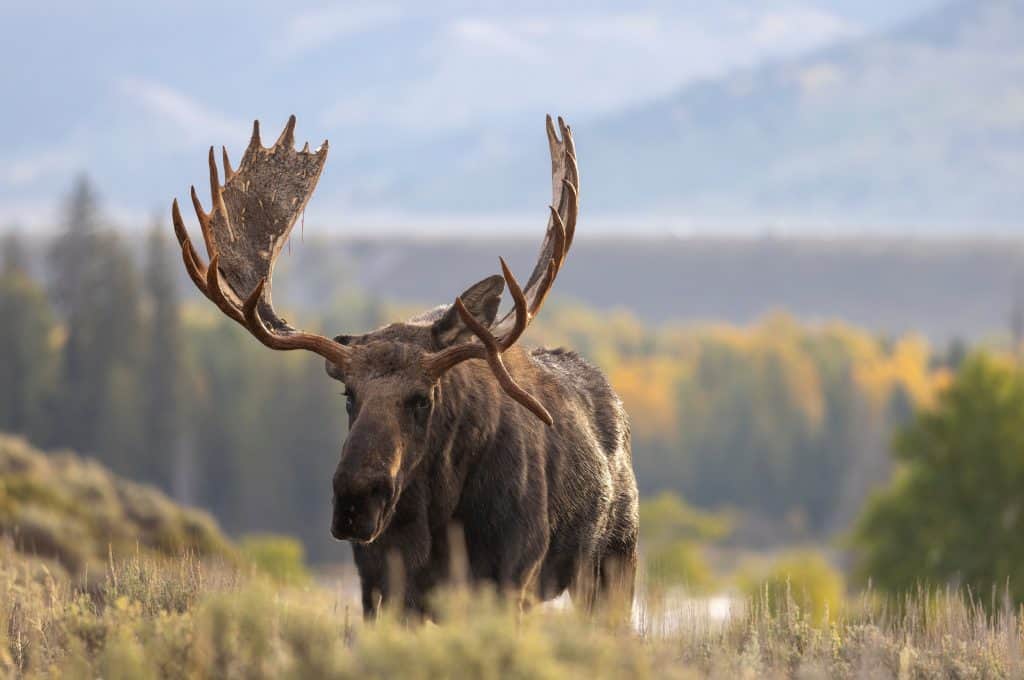
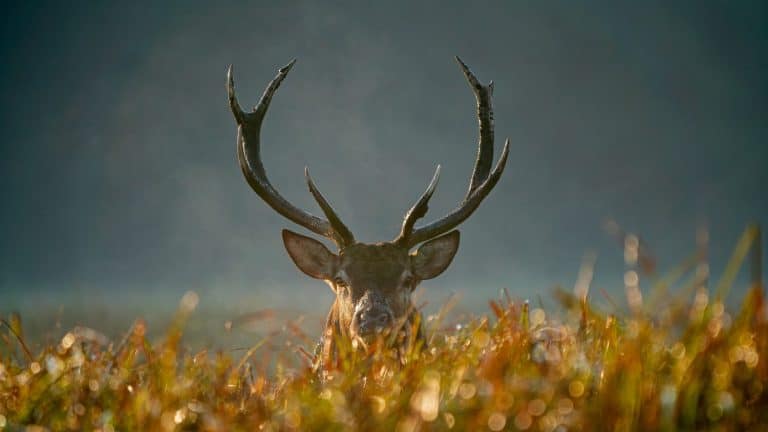
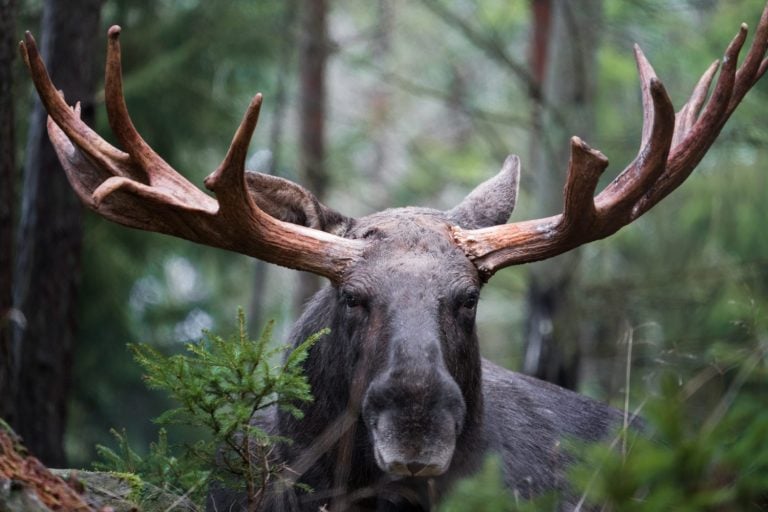
Moose have impressive antlers.
©Tom Tietz/Shutterstock.com
Moose gather in larger groups during the mating season in alpine and tundra habitats. The females signal to the males with a long, moaning vocalization that can be heard two miles away. They also give off a powerful scent. Mating takes place in September and October but just before that there is intense competition among the males for mating rights. This is called the rut.
Denali Moose Rutting
Moose behavior alters dramatically during the rutting season. It starts in late August after the males have spent the summer ingesting as much as they can and putting on up to 250 pounds of fat and muscle. At the same time, they grow an impressive set of antlers, which can measure up to six feet from tip to tip. The largest, highest-ranking males receive the majority—up to 88 percent—of the mating opportunities. Low-ranking bulls only get to mate with cows that have strayed out of sight of the dominant bulls.
The bulls determine who is dominant by going through a series of competitive behaviors. At first, the competitions progress slowly, but things soon escalate.
It Starts With Sparring and Scent Marking
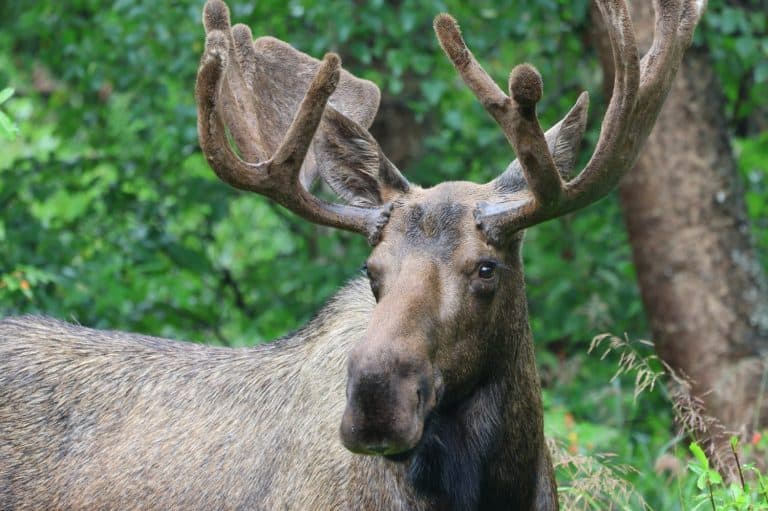
At the start of the rut, the soft, velvet coating on moose antlers dries and falls off. The bulls test out their new antlers with a little light sparring. This is essentially practice fighting, where they engage antlers and push each other. However, they do not seriously attempt to cause injury. Sparring begins in late August and continues during the entire rut and beyond, well into early winter. The process gives younger bulls a chance to assess their rivals.
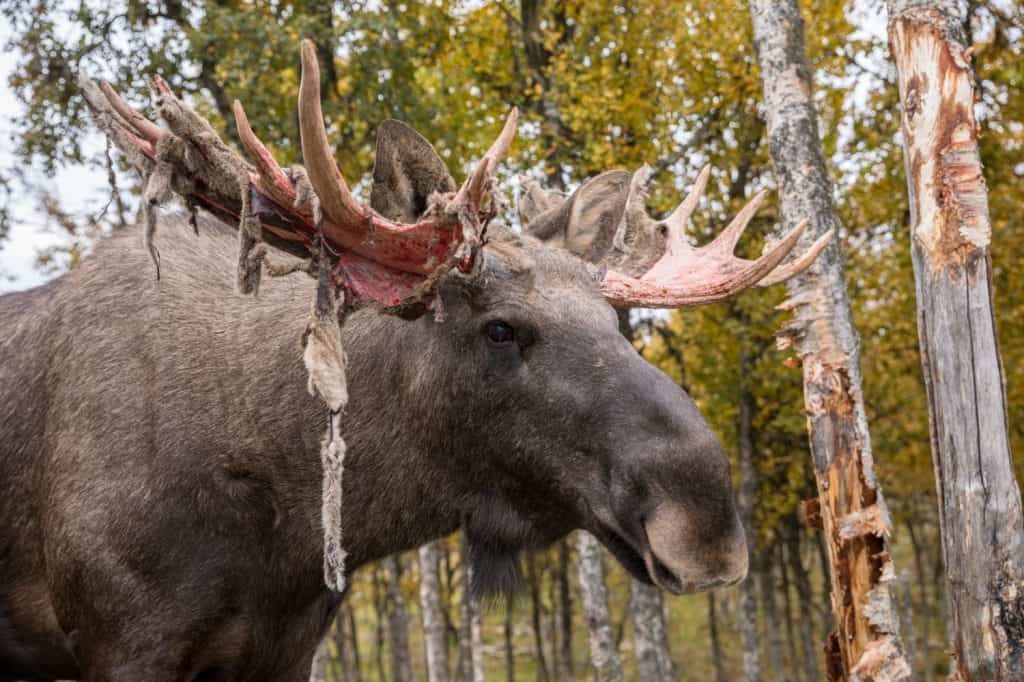
Moose shed velvet prior to rutting.
©Lillian Tveit/Shutterstock.com
Older bulls rarely take part in sparring, but they do participate in scent marking. Soon after they finish feeding, they dig shallow pits with their front feet. Then, they urinate in the pits to create a mud and urine mixture which they splash onto their antlers. Eventually, they lie down in the pit. This may sound a bit gross, but the urine contains chemicals that help coordinate the fertility of cows who also wallow in the pits. You may also see cows fighting over access to the wallow pits.
The Fighting Starts
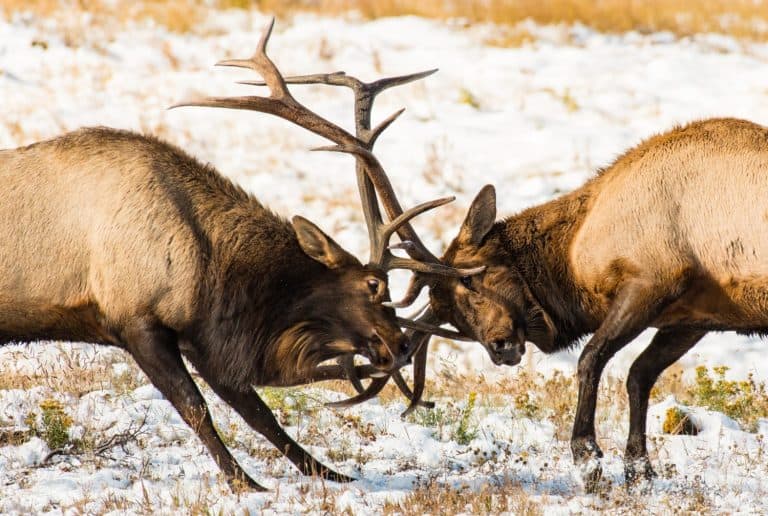
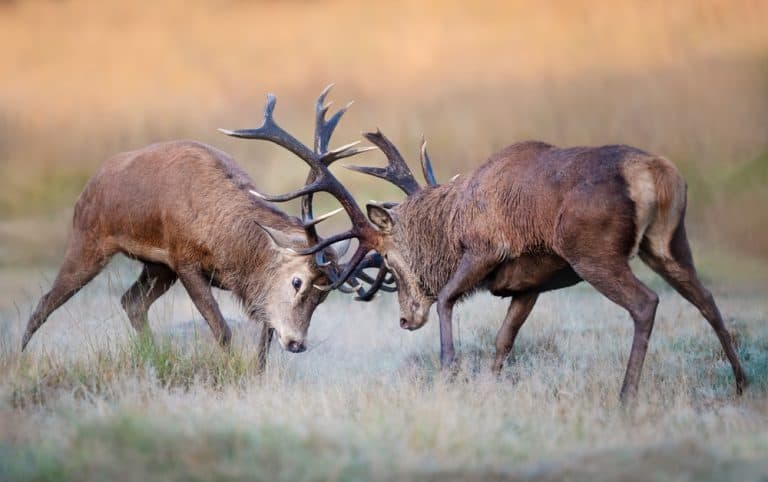
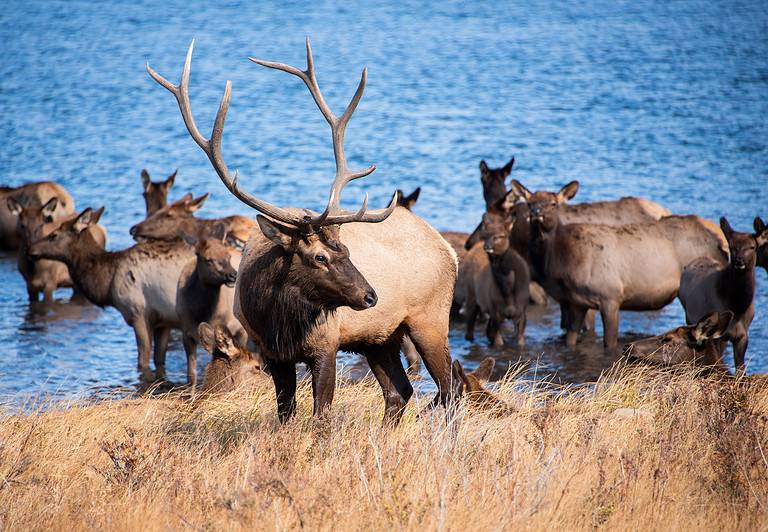
By the middle of September, the females have gathered in fairly stable groups of up to 25 individuals. Now, the bulls compete for the opportunity to mate with them. At this stage, the fighting can be so violent that males suffer serious injuries or even death. The battles are intense, can last for hours, and the sound of clashing antlers can be heard a mile away.
Winning a fight is not just about brute strength. A bull needs size, agility, and experience to be victorious. Therefore, few bulls get to be successful breeders until they are seven years old. They also cannot maintain this level of physical exertion for long. Most bulls start to decline by age 11, and some die by age 13.
By the third week of September, the pecking order among Denali moose has been established, and mating begins. Females generally mate with only one bull, but a single bull can mate with up to 25 cows. This only works, however, if he can fend off potential rivals. By the end of the first week in October, the rut abruptly ends. The moose suddenly return to their peaceful life of eating and resting—until next year, that is.