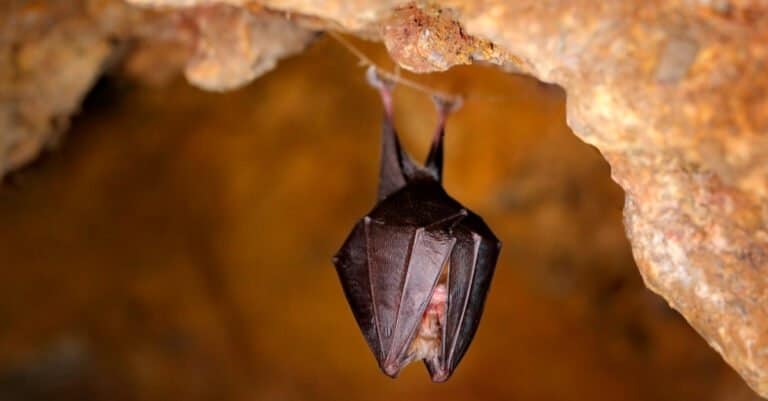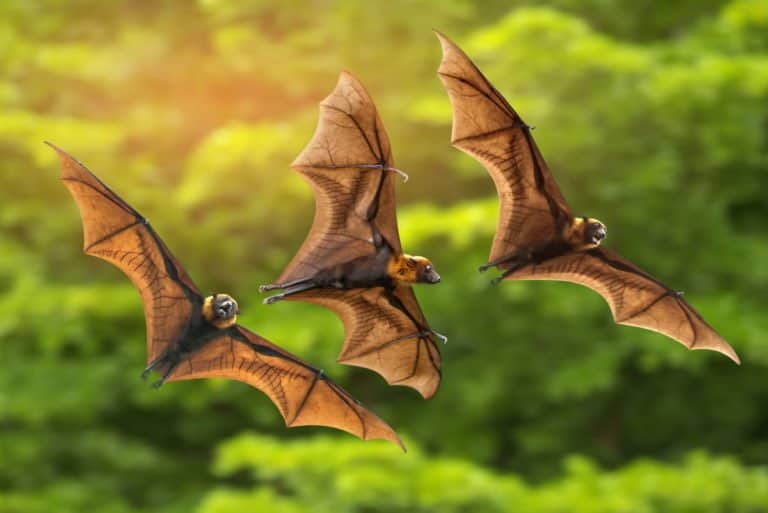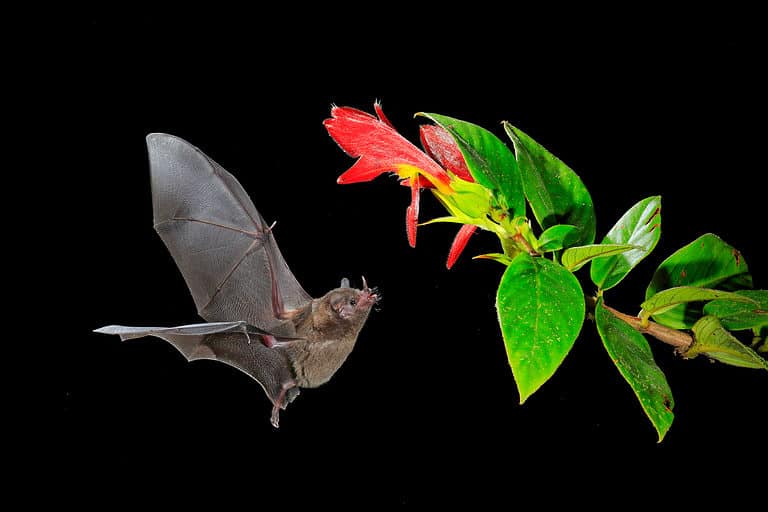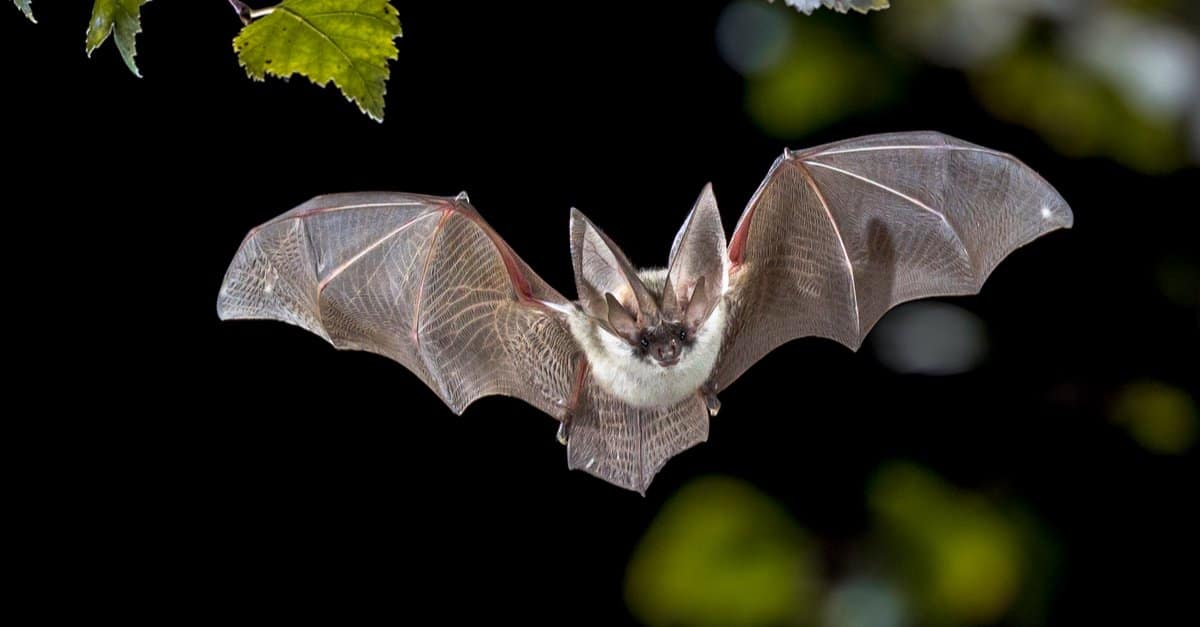

Bats have sensitive hearing and often rely on it for echolocation. Since many bats have poor eyesight, they depend on their hearing for navigation. If you have a bat infestation within your attic or home, you can use certain noises to your advantage. Here are seven sounds bats hate—and how to use them as a form of pest control.
1. Predator Sounds
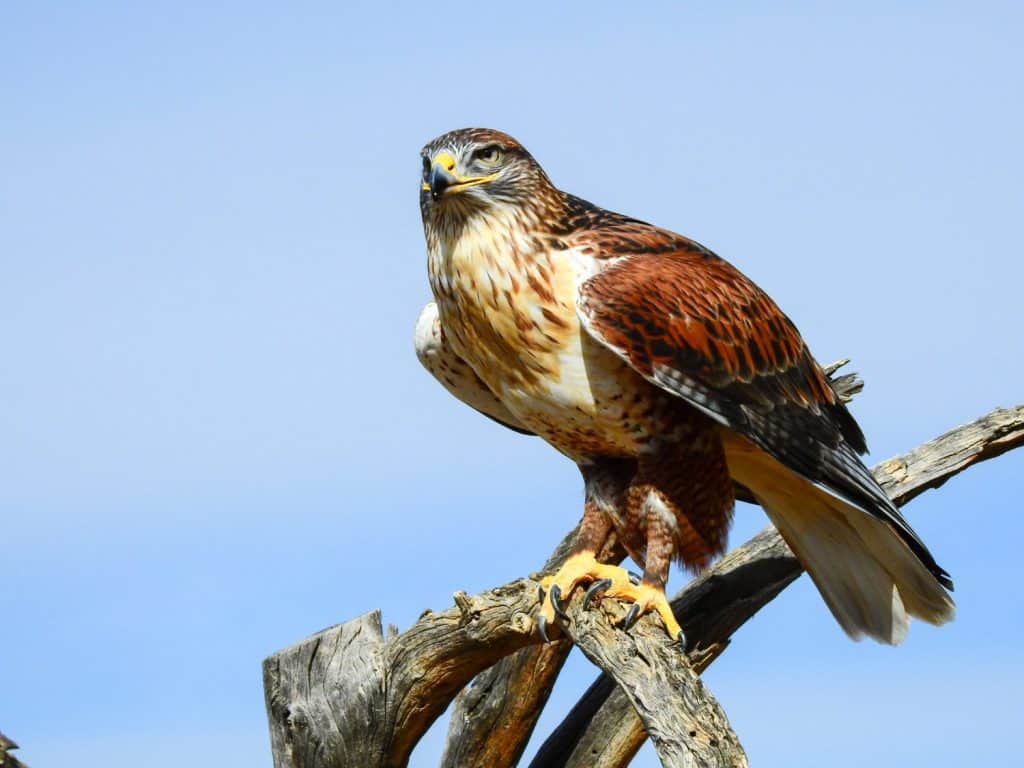
Hawks are a common predator of bats.
©Susan E. Viera/Shutterstock.com
Bats have a number of predators, including various mammals, reptiles, and raptors. When they sense a predator is nearby due to a certain sound (e.g., hawk screams), they tend to feel unsettled.
“Bats dislike the sounds that hint the environment may not be safe for them,” says Nicole Carpenter, a pest control professional and the President at Black Pest Prevention. “This includes the sounds of owls and the cries of hawks because they are their main predators.”
This applies to any predator sounds. For example, if bats hear a cat crying or an owl cooing, they are likely to become unsettled.
2. Bass-Heavy Music

You don’t need to play music so loud that you disturb your neighbors—just loud enough that you’ll scare off the bats.
©AaronAmat/iStock via Getty Images
If you want a quick way to drive bats from your space, blast some bass-heavy music. This is just one of the many sounds bats hate.
“Bats are very sensitive to vibrations through the air and structures and interpret them as a predator or human presence, and usually decide to move somewhere quieter,” says Carpenter. “That’s why bats hate anything that makes constant vibrations—because it tells them the territory is not calm and safe for resting.”
She advises placing a speaker in your attic, which is a common place for bats to gather and roost.
3. Generators
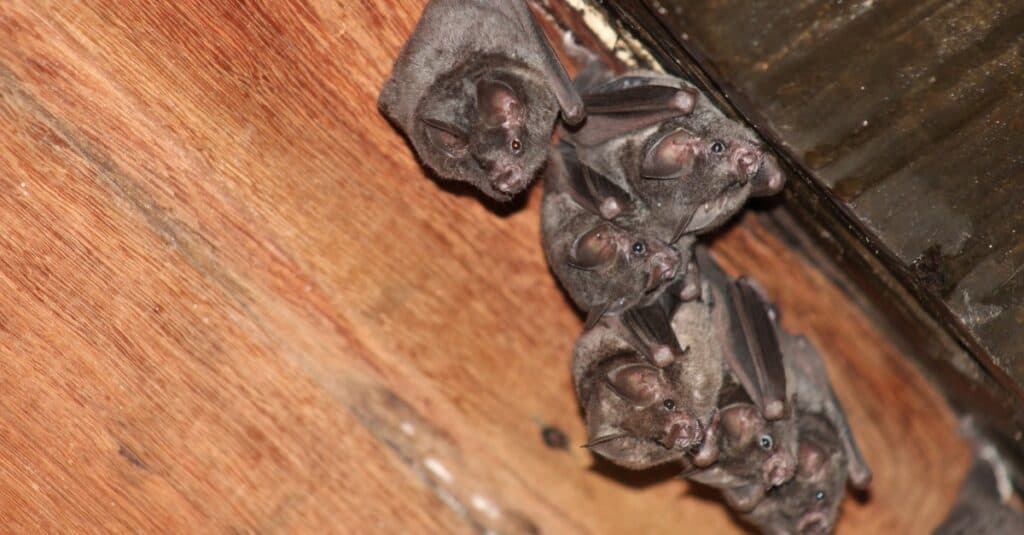
Bats will often roost in attics.
©Hermann Moller/Shutterstock.com
If music isn’t your preferred pest control method, Carpenter recommends running a generator near the bats’ roosting area.
“Do this at dusk, right before they normally fly out to feed, and let it run for 2–3 hours each evening,” she says. “Keep it up for 3-4 nights in a row. That’s usually enough to make them relocate to a quieter spot.”
She explains that it should be loud enough to disturb the bats, but not so loud that it wakes the whole neighborhood. The sweet spot is “around the volume of a running vacuum or lawnmower—roughly 70–80 decibels.”
However, there is a right and wrong time to try this particular tactic.
“If you do this in midsummer (June–July), you’ll only worsen the situation because young bats can’t fly yet, and you’ll separate mothers from their pups,” she shared. “This actually means you could end up with dead baby bats in your attic and panicked mothers circling outside.”
Bats are very sensitive to vibrations through the air and structures and interpret them as a predator or human presence, and usually decide to move somewhere quieter.
Nicole Carpenter, a pest control professional and the President at Black Pest Prevention
4. Construction

Construction tools will undoubtedly cause bats to feel unsettled.
©Virrage Images/Shutterstock.com
Any loud noise will likely disturb a bat, so it’s no surprise that construction work isn’t their favorite sound.
“Their inner ear and auditory processing of bats are tuned to pick out fine echoes from their own calls, so they’re naturally more reactive to unusual or strong noises around them,” Carpenter explains.
Construction tools can also disrupt bats’ nocturnal habits with their loud noise and vibrations, potentially causing bats to abandon their roosts and nearby habitats. Needless to say, it’s one of the sounds bats hate the most.
5. Leaf Blowers
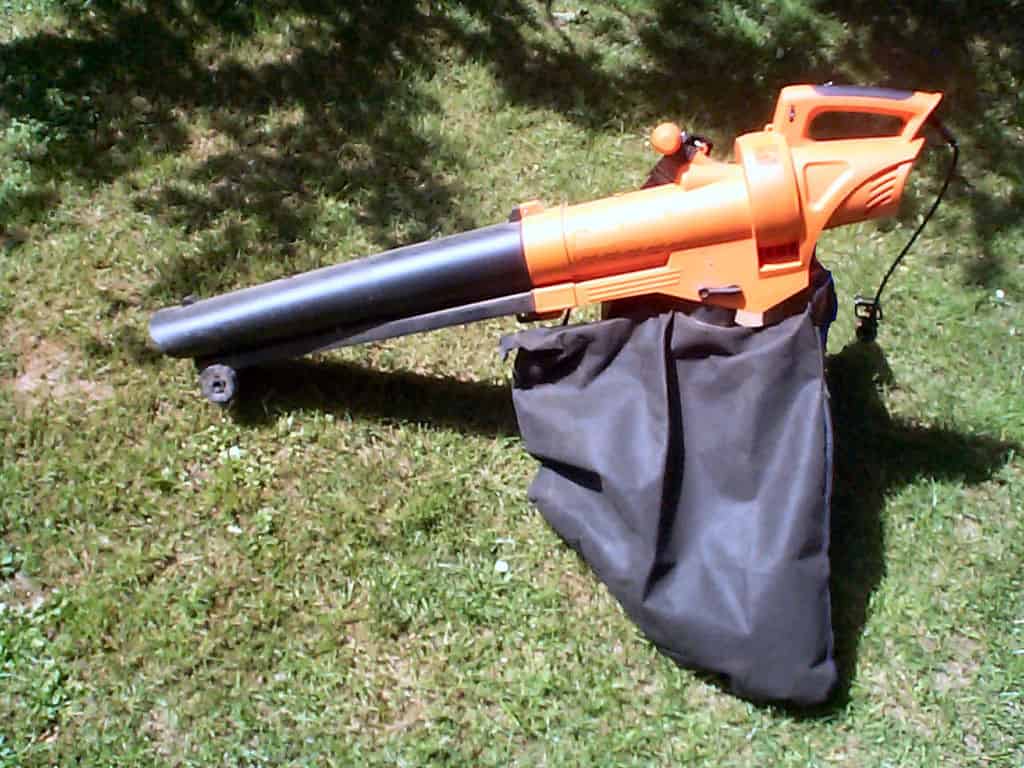
During colder months in certain climates, some bats will hibernate or rest in piles of leaves for warmth. However, bats are not fond of leaf blowers, which can startle them awake and disturb their rest. Due to their intense noise, leaf blowers will often cause bats to flee the area.
6. Sudden Loud Screaming

If you scream at the sight of a bat, you might be lucky enough to scare it away.
©iStock.com/cokacoka
Any sort of high-frequency sound will likely deter bats, as it often causes disorientation. In fact, these sounds typically trigger avoidance in the animal. Specifically, human screams (or any high-pitched yell) can interfere with a bat’s echolocation or mimic a predator, both of which can drive them away.
7. Ultrasonic Sounds

Ultrasonic devices are often used as a form of pest control against bats.
©Kristine Rad/Shutterstock.com
You’ve likely heard the saying “as blind as a bat.” Due to their poor eyesight, many bats use echolocation to “see” their environments. Basically, these little guys emit high-frequency ultrasonic sounds, which help them get a sort of snapshot of their surroundings. This allows them to navigate in the darkness. However, ultrasonic devices can disrupt bats’ echolocation.
“Bats use ultrasonic calls to navigate and hunt, and ultrasonic sounds from pest repellers are very close enough to them and interfere with their navigation, so they simply can’t hunt or orient properly,” says Carpenter. “Bats avoid territories with constant ultrasonic interference because it makes it difficult to survive.”
If you want to drive them away from your home, you can purchase and install one yourself or hire an expert to do it. However, this isn’t the end-all, be-all method for pest control.
“Sounds are only about making them uncomfortable and want to find another place for living—nothing more,” Carpenter adds. “After they leave, you have to seal up every entry point if your goal is to really get rid of them for good. Or bats will be back as soon as it’s quiet again.”