
Quick Take
- North Atlantic right whales cross the Atlantic. The Boston whale is the first scientifically documented east-to-west migration, about 3,000 miles from Ireland.
- Photo-identification linked the Boston whale to a July 2024 sighting in Donegal Bay, Ireland, marking the first confirmed long-distance east-to-west link.
- International cooperation and shared catalogs are essential to track rare movements and protect a population of under 400.
One crisp afternoon in mid-November 2025, researchers aboard an aerial survey plane off the coast of Boston, Massachusetts, spotted what should have been merely the season’s first North Atlantic right whale. But something about this solitary giant feeding near the surface didn’t fit the pattern of the dozens of known individuals they’d catalogued over years of monitoring.
When the Center for Coastal Studies (CCS) team photographed it and later compared those images with archives at the New England Aquarium’s Anderson Cabot Center for Ocean Life, they made a stunning discovery: this whale, presently off the coast of North America, had last been seen off the coast of Ireland. The same animal had crossed more than 3,000 miles of the open Atlantic Ocean. It was the first documented east-to-west crossing by this critically endangered species.
This remarkable event is more than just an extraordinary tale of endurance. It opens a rare window on how little scientists still know about right whale migrations, habitat use, and survival strategies. Most importantly, it underlines the urgency of protecting these ocean giants before they vanish forever.
Who Are the North Atlantic Right Whales?
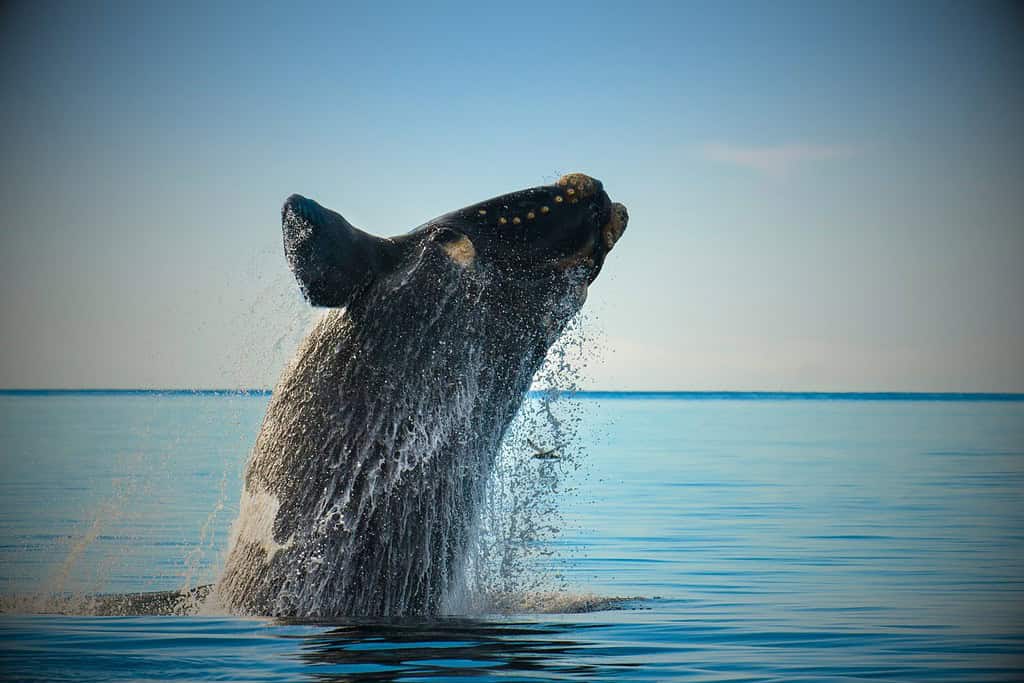
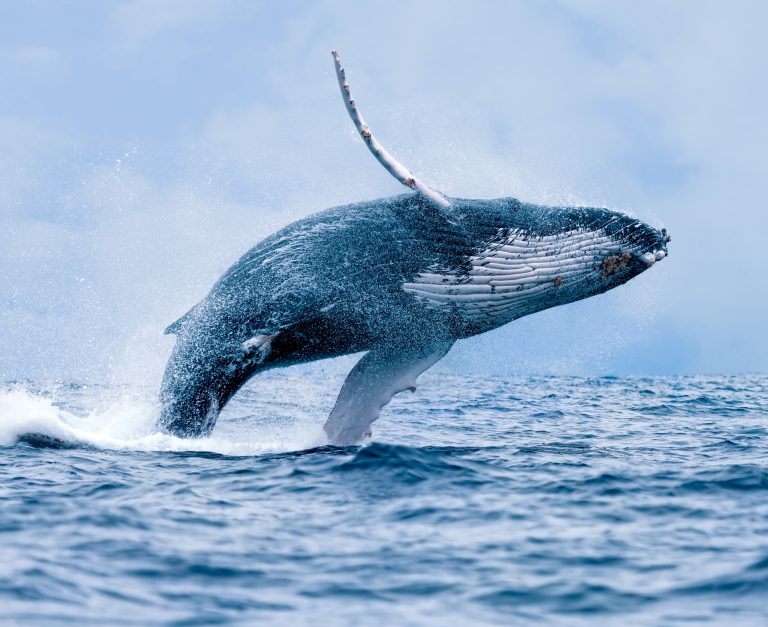
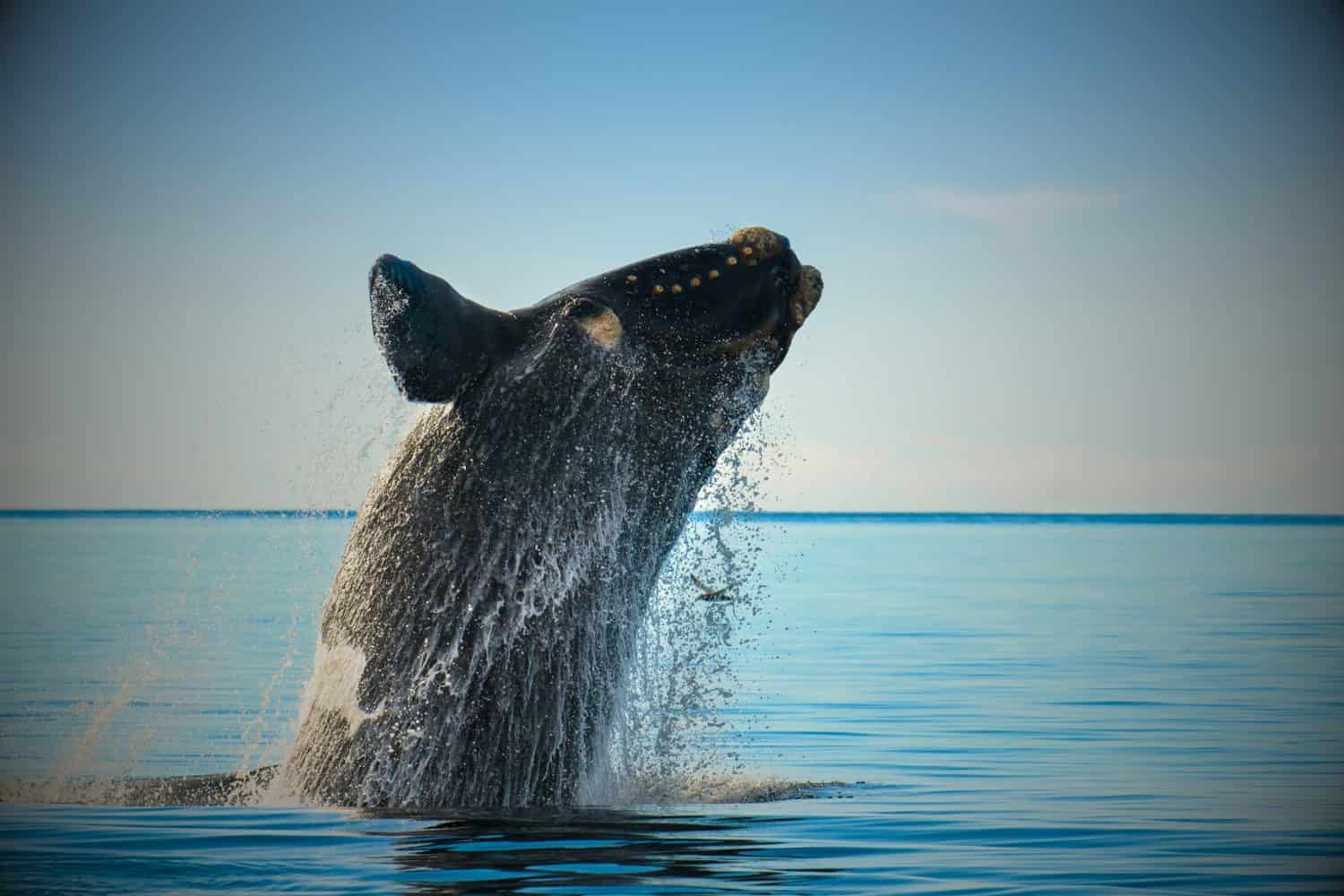
Sadly, scientists estimate fewer than 400 right whales exist today.
©Tharuka Photographer/Shutterstock.com
The North Atlantic right whale is one of the rarest large whales on Earth. Despite legal protection from commercial whaling for nearly a century, these whales have struggled to recover, largely due to human-caused threats such as collisions with ships and entanglement in fishing gear. Today, scientists estimate fewer than 400 individuals remain.
Right whales are distinctive: they can reach lengths of around 45–55 feet—longer than a typical school bus—and weigh close to 70 tons, which is heavier than five school buses! They are identified by patches of roughened skin on their heads, typically colonized by small crustaceans. These patches are called callosities and are as unique as human fingerprints. They are baleen whales, meaning they filter tiny crustaceans through comb-like baleen plates as they swim with mouths agape.
The name ‘right whale’ dates back to early whalers, who considered these slow-moving, buoyant giants the ‘right’ animals to hunt because they swam slowly, stayed near the surface, and their bodies floated after being killed, making them easier to catch and retrieve.
What Did the Boston Sighting Reveal?

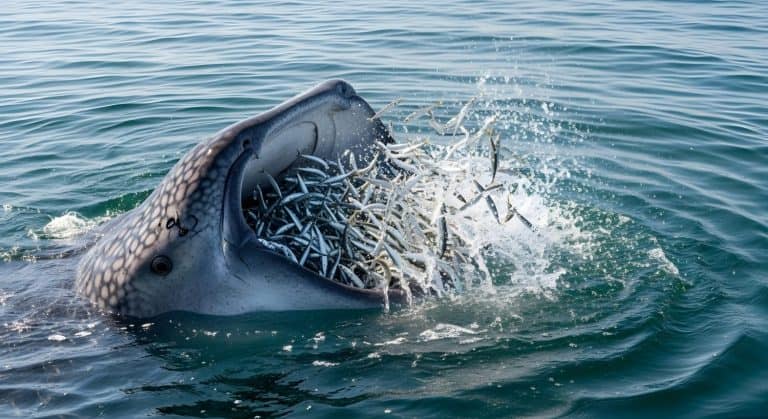
This is the first documented case of a right whale making the east-to-west journey across the Atlantic.
©6381380/iStock via Getty Images
The CCS researchers on that November flight initially thought they had simply encountered an unrecorded individual as part of their routine surveys. These flights are conducted to monitor whale presence and inform seasonal protections, and typically spot many known right whales each winter. But the solitary whale’s markings did not match any individual in the North Atlantic Right Whale Catalog managed by the New England Aquarium.
Then came the breakthrough: overlaying the CCS photographs with archival images revealed a match with a whale photographed off Donegal Bay in northwest Ireland in July 2024—the first photographed right whale in Irish waters in more than a century!
This match makes the Boston whale the first scientifically documented case of a North Atlantic right whale moving from the eastern to the western side of the Atlantic—a transoceanic migration of some 3,000 miles. Though it should be noted that prior to this, a handful of right whales had been seen making the reverse trip—from North America toward Europe—but none had been confirmed to loop back across and be re-identified.
So how did researchers know this was the same whale? The key lies in photo-identification, a method scientists use to recognize individual animals based on natural markings. In right whales, callosities form unique patterns much like fingerprints. Scars from past entanglements or healed injuries also serve as identifying markers. Millions of photographs collected over decades are entered into global catalogs, allowing researchers to track individual whales’ life histories, movements, and survival. This painstaking documentation is especially valuable for the right whale because there are so few left. Each whale’s story contributes crucial pieces of data about the health, behavior, and needs of this dwindling species.
Why This Journey Matters
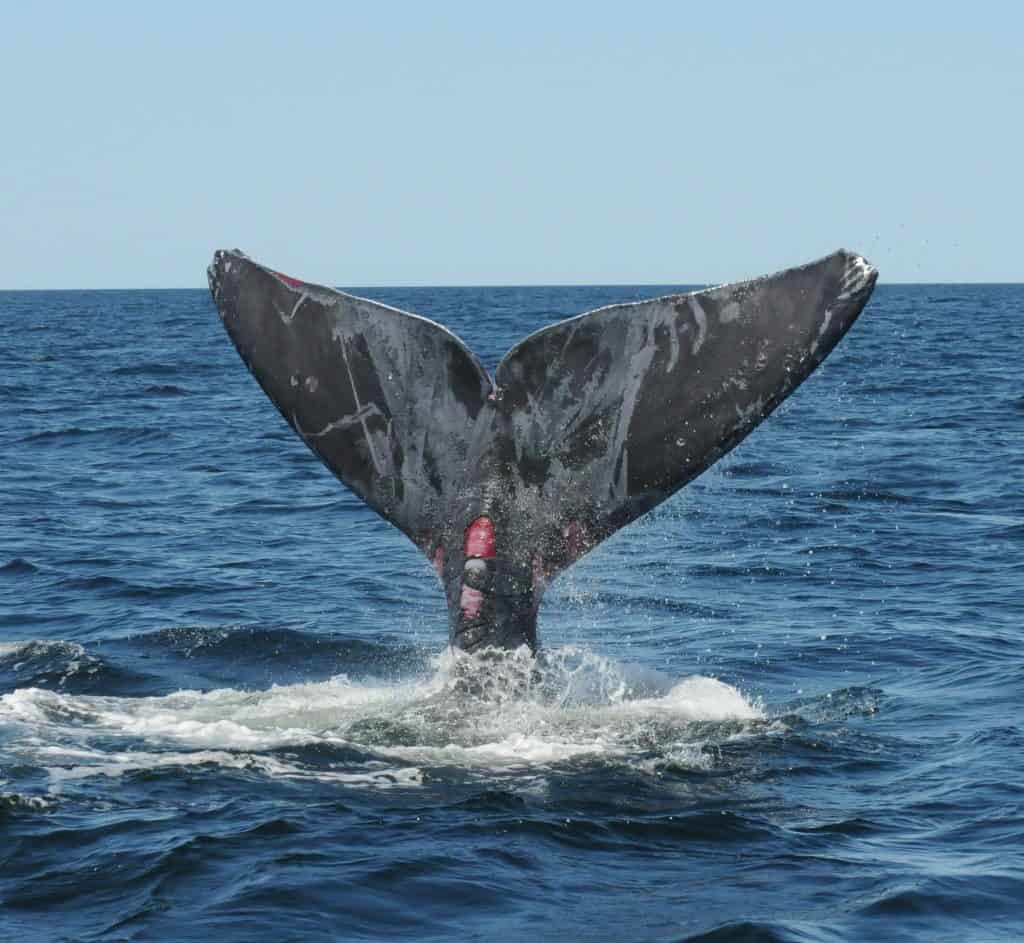
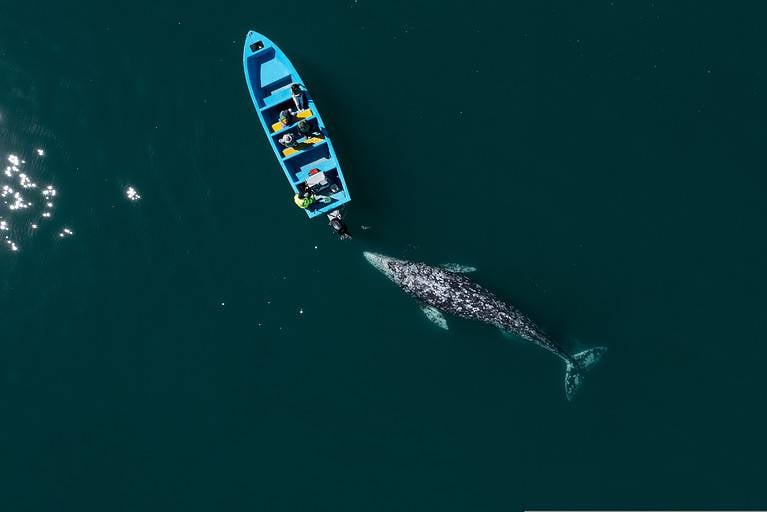
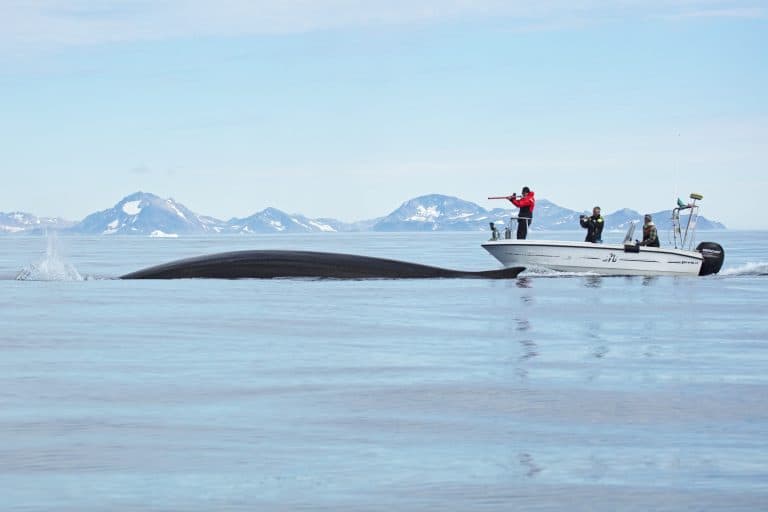
The cooperation and exchange of information between the two nations were key in making this discovery.
©NOAA Fisheries, public domain – Original
It Challenges Assumptions About Movement and Habitat
Right whales are known to migrate seasonally: many feed in the productive northern waters off New England, the Gulf of Maine, and Canadian Atlantic provinces in spring and summer, then travel south to the warmer, shallow waters off the Southeastern U.S. for calving in winter. These migrations can span more than 1,000 miles each way. But transatlantic travel of this magnitude suggests that individual whales may roam far beyond established feeding and nursery grounds. It raises the possibility that historical habitats in the eastern Atlantic, which had long been thought lost or unused, may still be part of the wider species’ range. This is important because it hints at the species’ behavioral flexibility, which could be a potential asset as oceans warm and food resources shift with changing climate patterns.
It Highlights How Little We Know
Despite decades of research, right whale movements still remain poorly understood. Scientists rely heavily on photo-identification catalogs, aerial surveys, acoustic monitoring, and tagging studies to tease apart migration routes. But each data point is precious, especially for a population this small. So a confirmed transatlantic identification—one made possible only through international collaboration between researchers in Ireland and the United States—is particularly noteworthy. It also shows scientists that rare events might be more common than assumed, detectable only through sustained, coordinated effort and detailed photographic records.
It Underscores the Role of International Cooperation
Whales obviously do not recognize human geopolitical boundaries. The fact that a whale can swim from Irish waters to a long-studied U.S. ecosystem underscores that their conservation cannot be siloed by region. Collaboration between organizations like the Irish Whale & Dolphin Group, the New England Aquarium, and the Center for Coastal Studies allowed researchers to recognize the match and learn from it. Shared catalogs, open scientific communication, and international survey efforts become ever more important as the species nears a precarious tipping point.
Every Individual Whale Matters
With a population of under 400 individuals, losing even a single animal is significant. Right whales reproduce slowly, with females typically giving birth only once every few years, and they have few calves to begin with. Moreover, females are declining faster than males, further threatening recovery prospects.
Human factors such as ship strikes and fishing gear entanglements remain the biggest threats. Just days after the Boston sighting made headlines, another right whale was found entangled in fishing lines off Georgia, highlighting the everyday dangers these animals face in heavily trafficked seas. That’s why each successful sighting, migration record, and catalog match is not just science—it’s a survival story for a species on the brink.
Looking Ahead: What the Discovery Could Mean
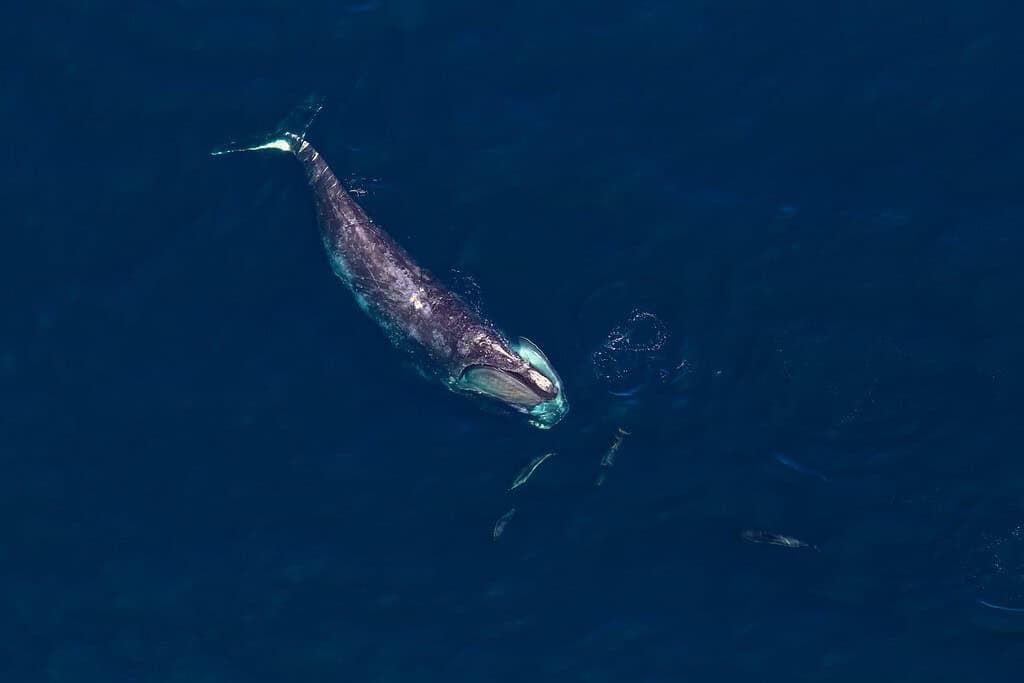
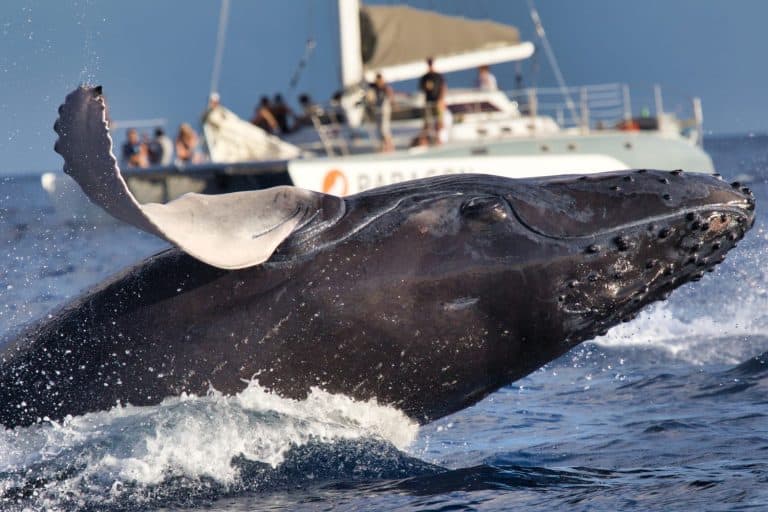
For a dwindling species like the right whale, any and all information is crucial to conservation efforts.
©lego 19861111/Shutterstock.com
The Boston-Ireland connection doesn’t immediately change what we know about whale migration routes, but it expands our understanding of their capabilities and needs. Future research spurred by this finding may explore questions like:
- Do other right whales cross the Atlantic regularly, or was this animal an outlier?
- Could warming oceans or shifting food sources be driving broader, more unpredictable movements?
- How might climate change affect where right whales feed, breed, or migrate?
- Can international monitoring programs be strengthened to better track rare whale movements?
Each discovery nudges scientists closer to understanding and protecting what may be the last generation of North Atlantic right whales.
The North Atlantic right whale’s 3,000-mile journey is a powerful reminder of the resilience, mystery, and fragility of life beneath the waves. Through the careful work of researchers across continents, what began as a routine survey turned into a historic connection between two ocean basins and an iconic marine species. That connection offers hope, urgency, and a clear message: saving the right whale will require diligence, understanding, and—certainly in this case—international collaboration.