
Quick Take
- The campers' instinct to freeze looks terrifying, though it's actually the right call for a specific reason most people don't know. See the footage →
- Running from a lion not only fails to help but can actively make things worse in a way that defies common sense. Find out why running backfires →
- Botswana's campsites have a design feature, or rather the absence of one, that makes encounters like this not just possible but expected. Botswana's unfenced campsites →
- If a lion actually charges, the expert-recommended response is the last thing panic would tell you to do. Expert advice on charges →
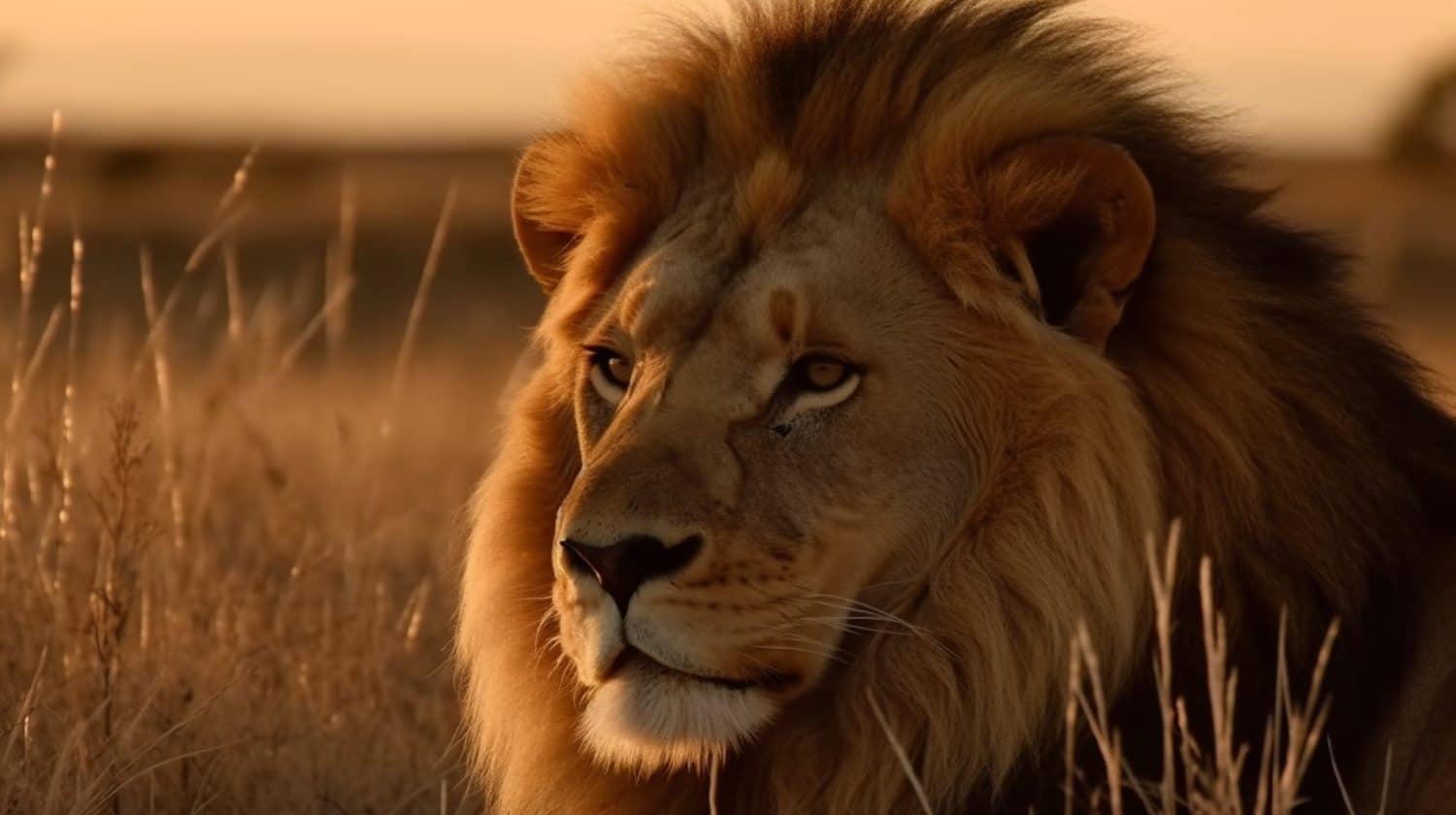
There is a huge difference between spotting a lion from the safety of a safari vehicle and realizing one has just walked into your campsite.
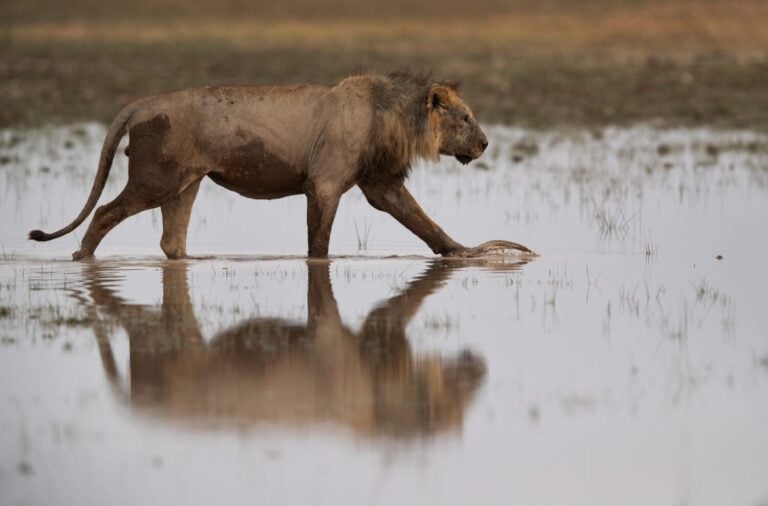
That is what makes this clip so tense. A lion casually wanders among the tables and chairs while the people nearby remain completely still. Then it pauses, looks directly toward them, and suddenly the campsite feels a whole lot smaller.
Watch the Lion Walk Straight Into Camp
The video identifies the setting as Botswana, where wildlife and people can sometimes end up sharing much closer quarters than most travelers are used to. The lion enters slowly, investigates the campsite, and even knocks a bottle to the ground while sniffing around.
The people filming do almost the opposite of what panic would tell most of us to do. They stay quiet and avoid suddenly bolting away. The lion eventually continues on without turning the encounter into anything more serious.
In Botswana, the Wildlife Doesn’t Always Stay Outside Camp
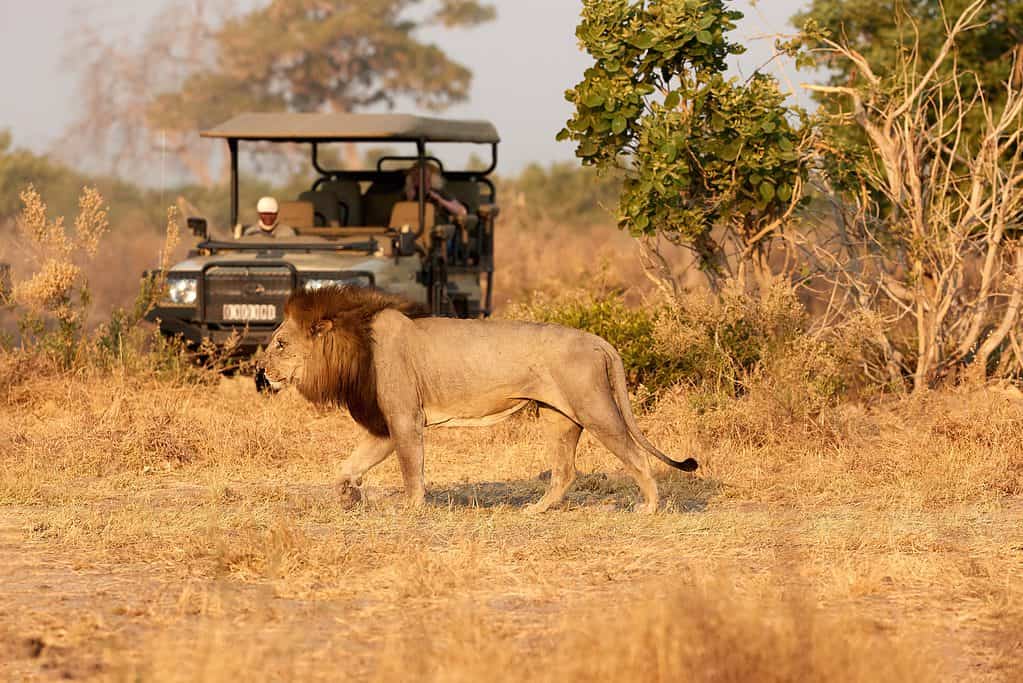
Many camps in Botswana sit directly inside wildlife habitat.
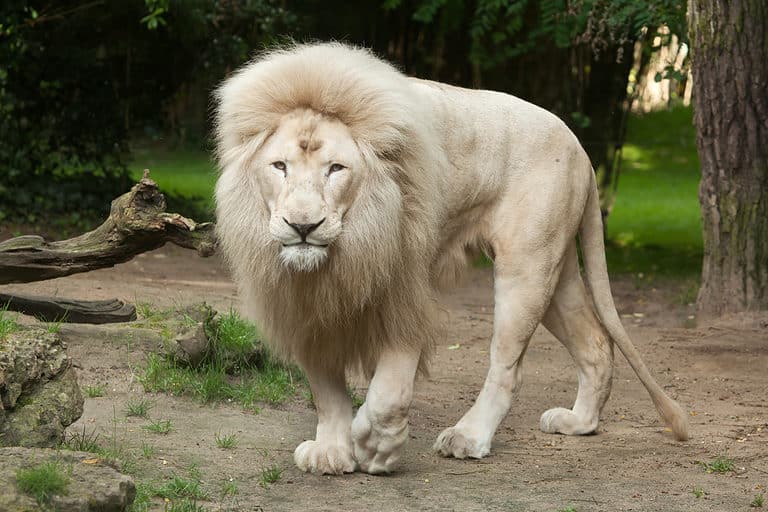
©Martin Mecnarowski/Shutterstock.com
This kind of encounter is unusual, but the setting makes it possible. Botswana Tourism warns that campsites inside many of the country’s game reserves and national parks are generally unfenced. Lions, elephants, hippos, and other animals do not recognize the edge of a campsite as a boundary.
The Khwai and Moremi region in northern Botswana is especially rich in wildlife. Lions regularly move through the greater landscape along with elephants, leopards, wild dogs, buffalo, and other large animals. For visitors, that is part of the appeal. It also means a campsite can never be treated quite like one back home.
Why Running From a Lion Is a Terrible Idea
The original version of this story got the basic idea right but made the advice sound a little too simple. If a lion approaches, wildlife experts advise against running. Turning and sprinting away can make a dangerous situation worse, and a healthy adult lion is far faster than any person.
Panthera recommends staying calm, avoiding direct eye contact, and slowly backing away if possible. If there is nowhere to retreat safely, staying still may be the better option. That makes the behavior in this clip much more sensible than trying to make a dash for a nearby tent or vehicle.
What If the Lion Actually Charges?
A genuinely aggressive encounter is a different situation. Panthera’s lion experts advise people not to turn their backs or run. If a lion attacks, the recommendation is to hold your ground, make noise, and use deliberate movements toward the animal in an effort to discourage the charge.
Most travelers will hopefully never need that advice. Botswana’s own camping guidance puts far more emphasis on prevention: use designated campsites, sleep inside a properly closed tent or vehicle, supervise children closely, and do not wander into the bush without a qualified guide.
The campers in this video did not get the distant lion sighting most safari visitors hope for. They got the version where the lion walks into camp, inspects the furniture, and makes everyone suddenly very aware of how little separates a campsite from the wild.