
Quick Take
- Tarantulas carry a built-in flotation device at all times, and this ability has nothing to do with their legs. How body hairs provide buoyancy →
- These land predators don't just float. They maneuver in ways most swimmers can't manage. See how legs aid maneuvering →
- Their water-repellent hairs help keep them afloat, but losing that protection could make swimming much harder.
Tarantulas are some pretty scary spiders that have long legs. While they use their long legs to quickly chase down prey, they also use them for other things as well. Surprisingly, tarantulas are able to swim and use their legs like paddles to get across the water. This Instagram post by @lara.loveslife shows a tarantula swimming.
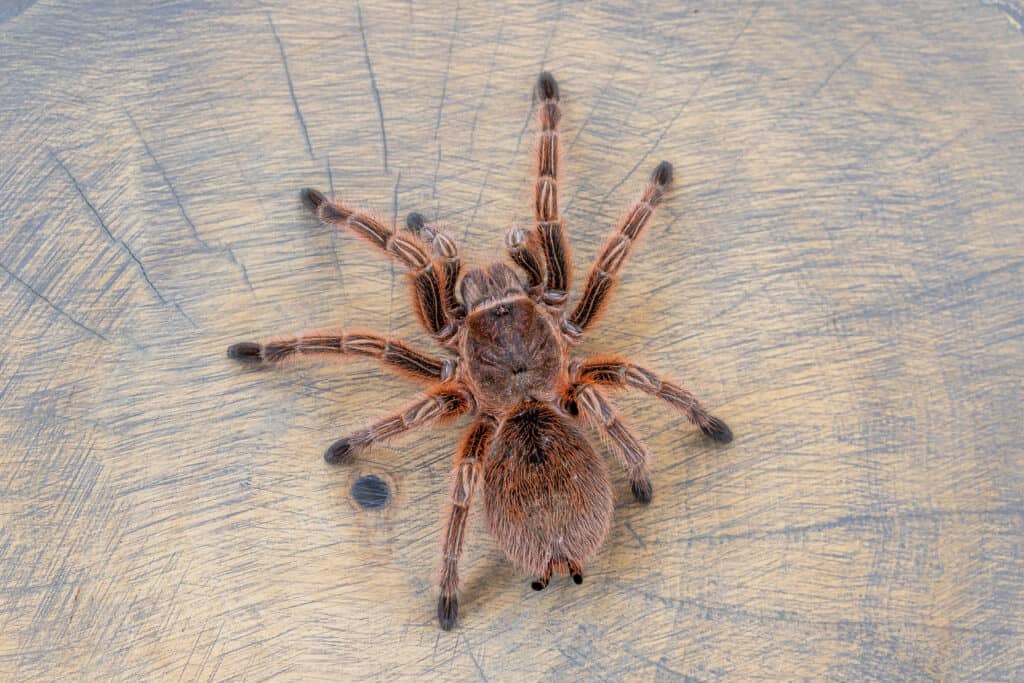
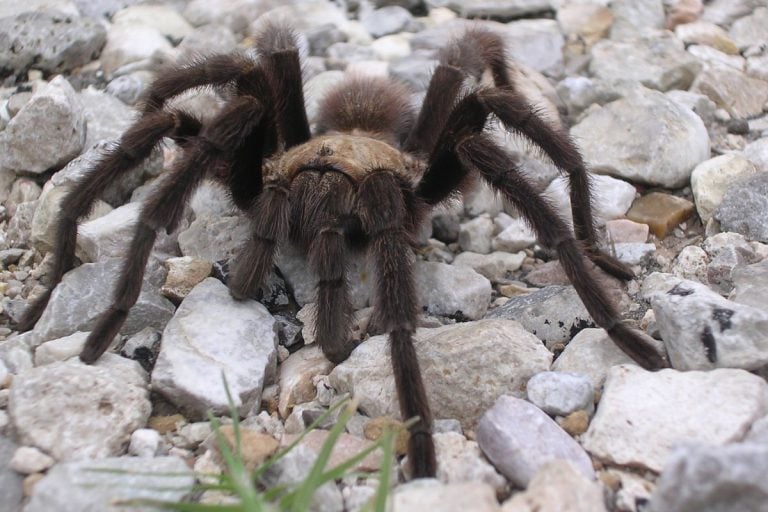
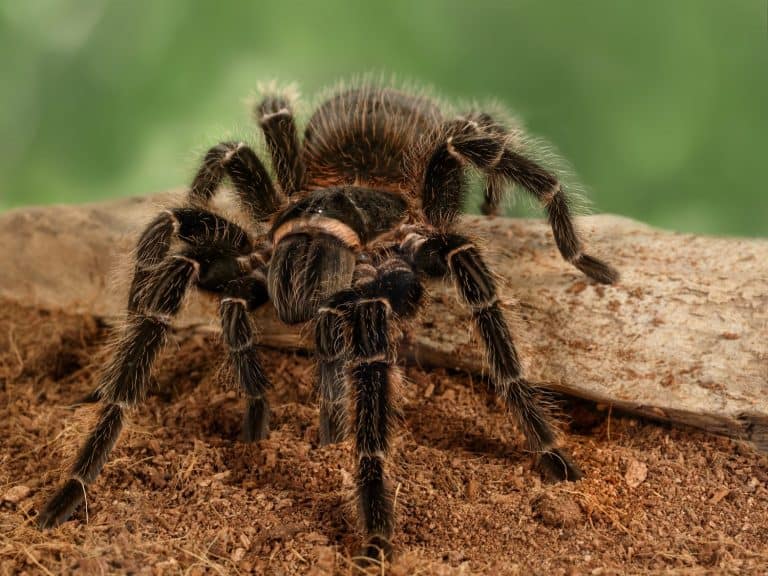
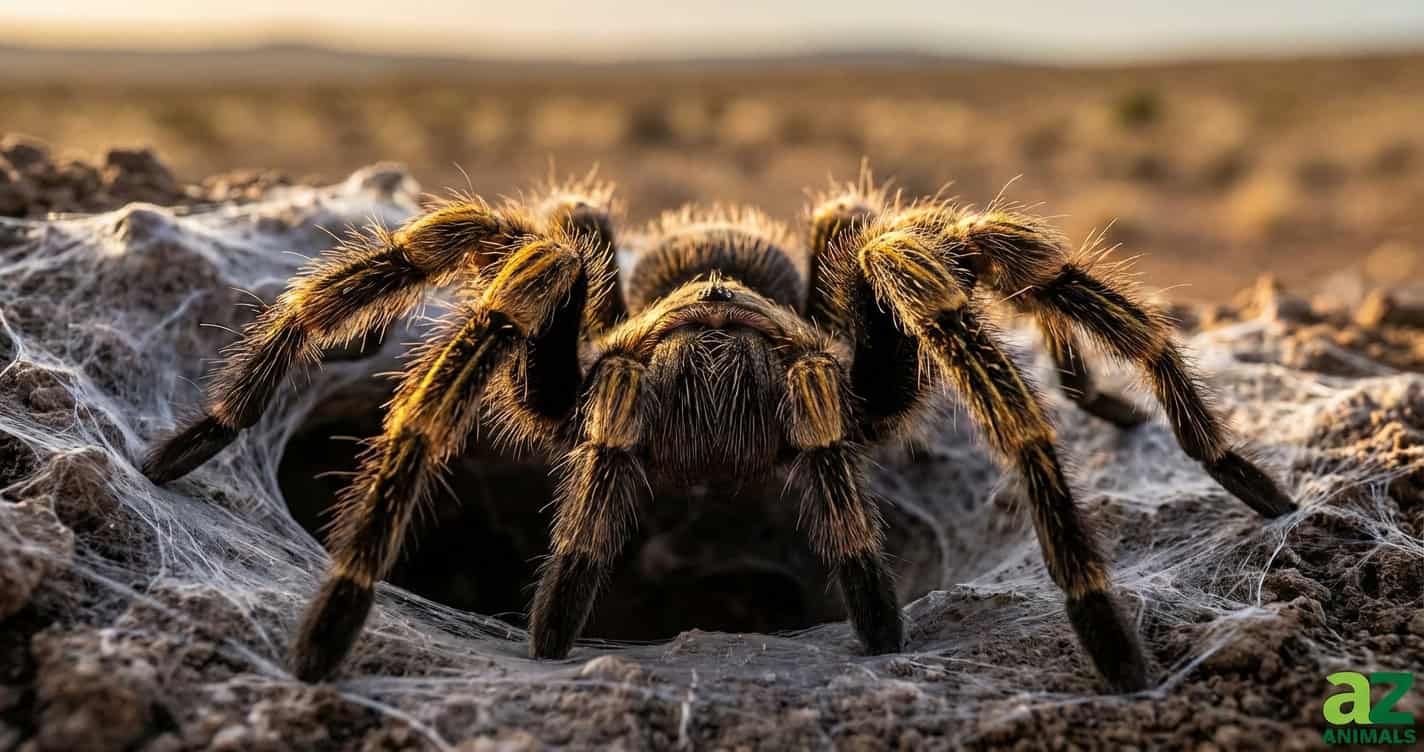
Tarantulas are covered in water-repellent hairs called setae that help keep them afloat.
©iStock.com/Svetlana Makarova
How Do Tarantulas Swim?
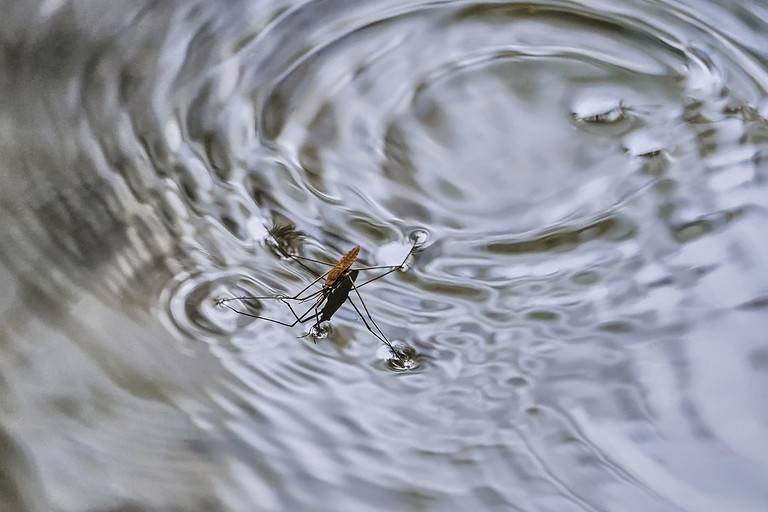
Swimming doesn’t seem like something tarantulas do often. While they are primarily terrestrial animals, swimming isn’t something that they are often seen doing. However, when in the water, they are extremely capable. When they end up in water, their eight long legs and natural buoyancy keep them afloat at the surface. This allows them to act like a raft, and they use their legs to paddle their way forward. So rather than simply floating on the surface, they are truly swimming.
Interestingly, they don’t simply just push forward either but are able to maneuver themselves. They can move side to side, speed up or slow down, and stabilize themselves. Some tarantula species can even tolerate being submerged underwater for short periods at a time. While it depends on whether or not they are frequently exposed to water, tarantulas in wetter environments are adapted to survive even in harsh conditions like this.
Tarantulas wouldn’t be amazing swimmers without one of their most identifiable features: the hairs across their bodies. Known as setae, these tiny hairs are actually hydrophobic, meaning that they are water-repellent. Water is repelled from the setae, keeping the spider dry and helping it float. If they were to absorb water, their legs would become difficult to move, effectively trapping the tarantula in the water. In a sense, the hairs act as a natural life jacket.