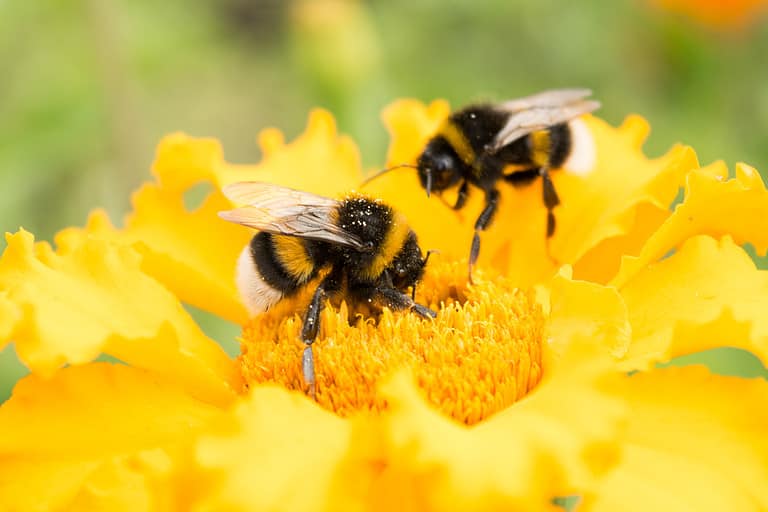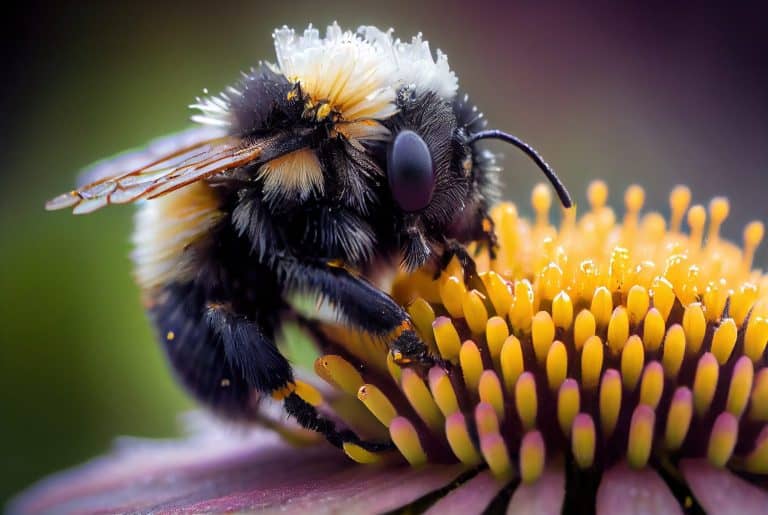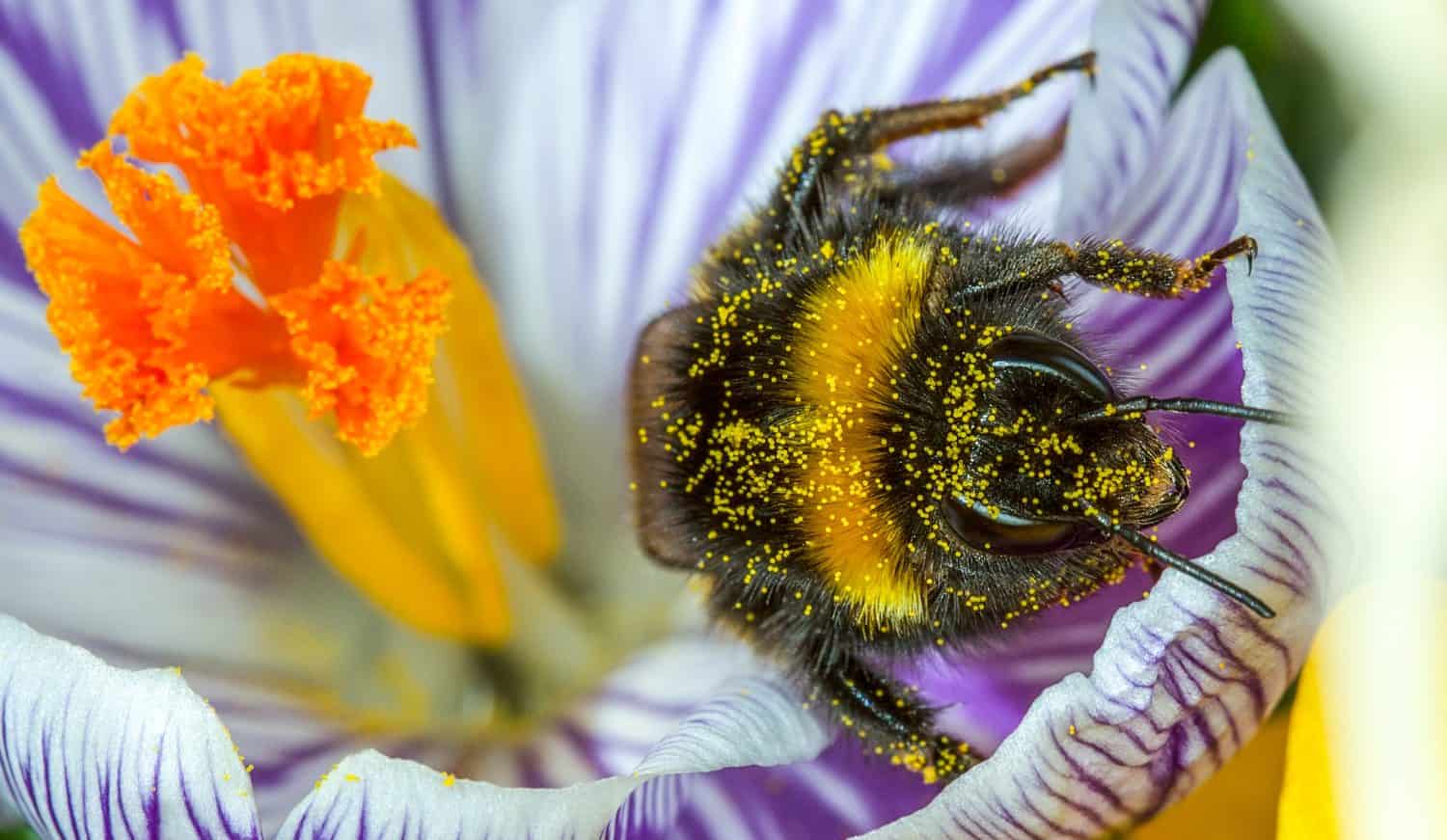

There is much more to a buzzing bee than we originally thought. According to a recently published study, bees use buzzing for many things, like communication, defense, and even pollination. Buzz pollination, otherwise known as “sonication“, is a method bees use to essentially shake pollen loose from plants such as tomatoes and blueberries.
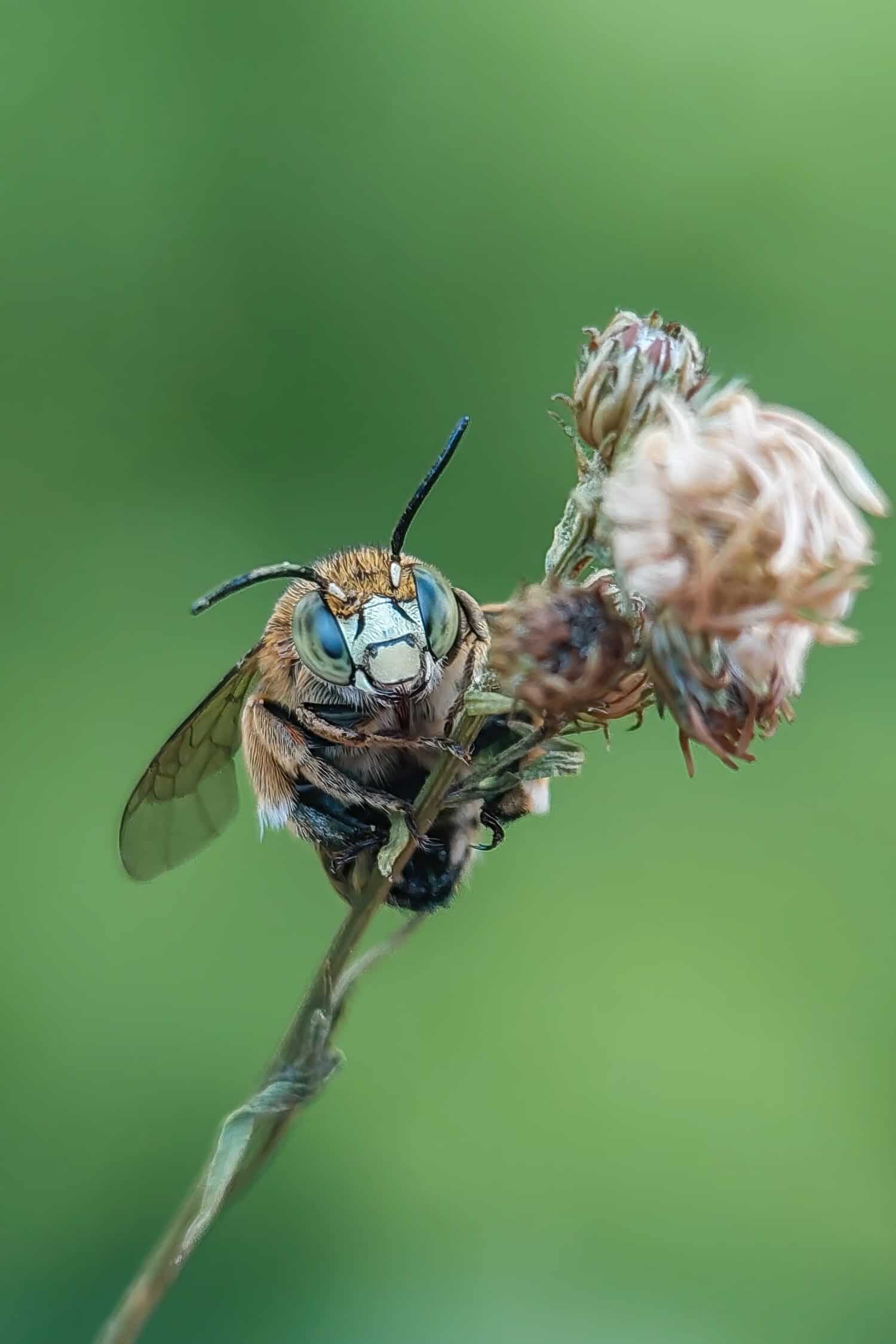
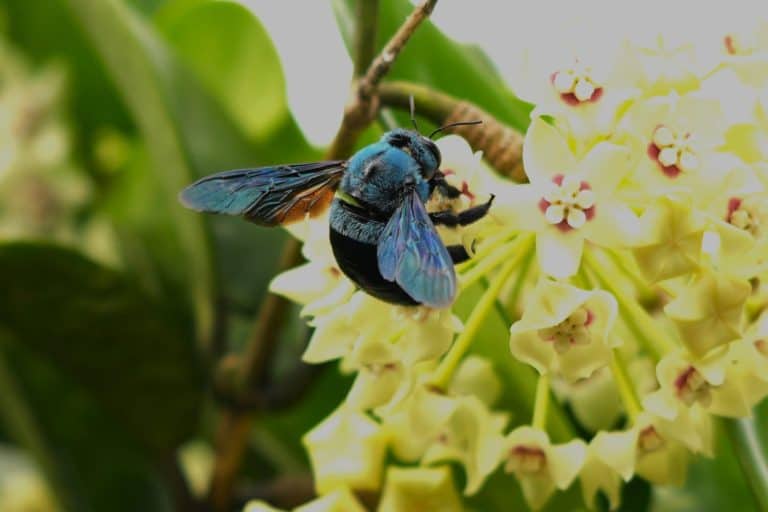
Bumblebees are among the most notable bees that perform sonication, but other species, such as some solitary bees like the blue-banded bee (Amegilla cingulata), also use this technique.
©Lauren Suryanata/Shutterstock.com
As environmental stressors increase, it becomes pertinent to evaluate how this could impact all organisms, including insects. Researchers located at Uppsala University are studying how heat and heavy metal pollution can impact buzzing. Specifically, they are monitoring how these stressors can change the frequency of buzzing.
To conduct this detailed research, scientists used several tools, including high-speed cameras, thermal imaging, and tiny accelerometers. Accelerometers help measure the pitch and strength of bee buzzing. By employing these tools, researchers were able to study how stress impacts the bees’ natural behavior. The bees used in this study were buff-tailed bumblebees, or Bombus terrestris. Surprisingly, bees that were subjected to more stress exhibited noticeable changes in their buzzing behavior.With this being said, weaker buzzing could potentially mean less pollen is being released from flowers, which could reduce pollination and, in turn, plant production.
Beyond the Buzz
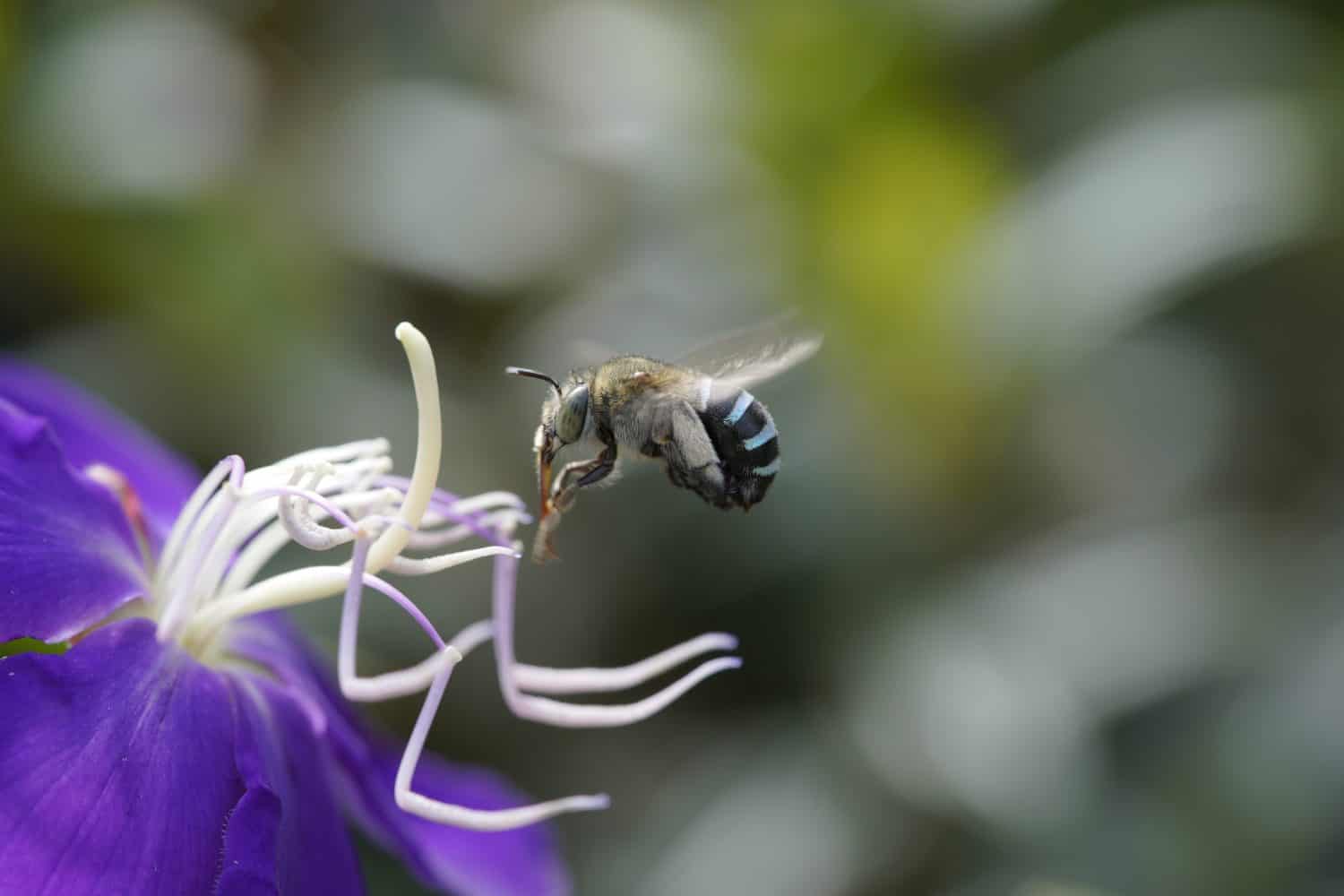
There are over 250 species of bumblebees.
©Codega/Shutterstock.com
By studying how these environmental changes affect bees, we can determine which species are most at risk from anthropogenic stressors. This ripple effect could lead to fewer flowers and, eventually, dramatically altered ecosystems. Beyond plants, since buzzing is a part of bee communication, these stressors could potentially disrupt communication within colonies. This disruption makes it difficult for colonies to coordinate or defend themselves.
When bees are not able to buzz properly, not only is pollination threatened, but also the biodiversity that is critical to our survival. Dr. Woodrow’s work reminds us that a bee’s buzz is more than just background noise; it’s a sign of a healthy ecosystem that we need to better understand and protect.