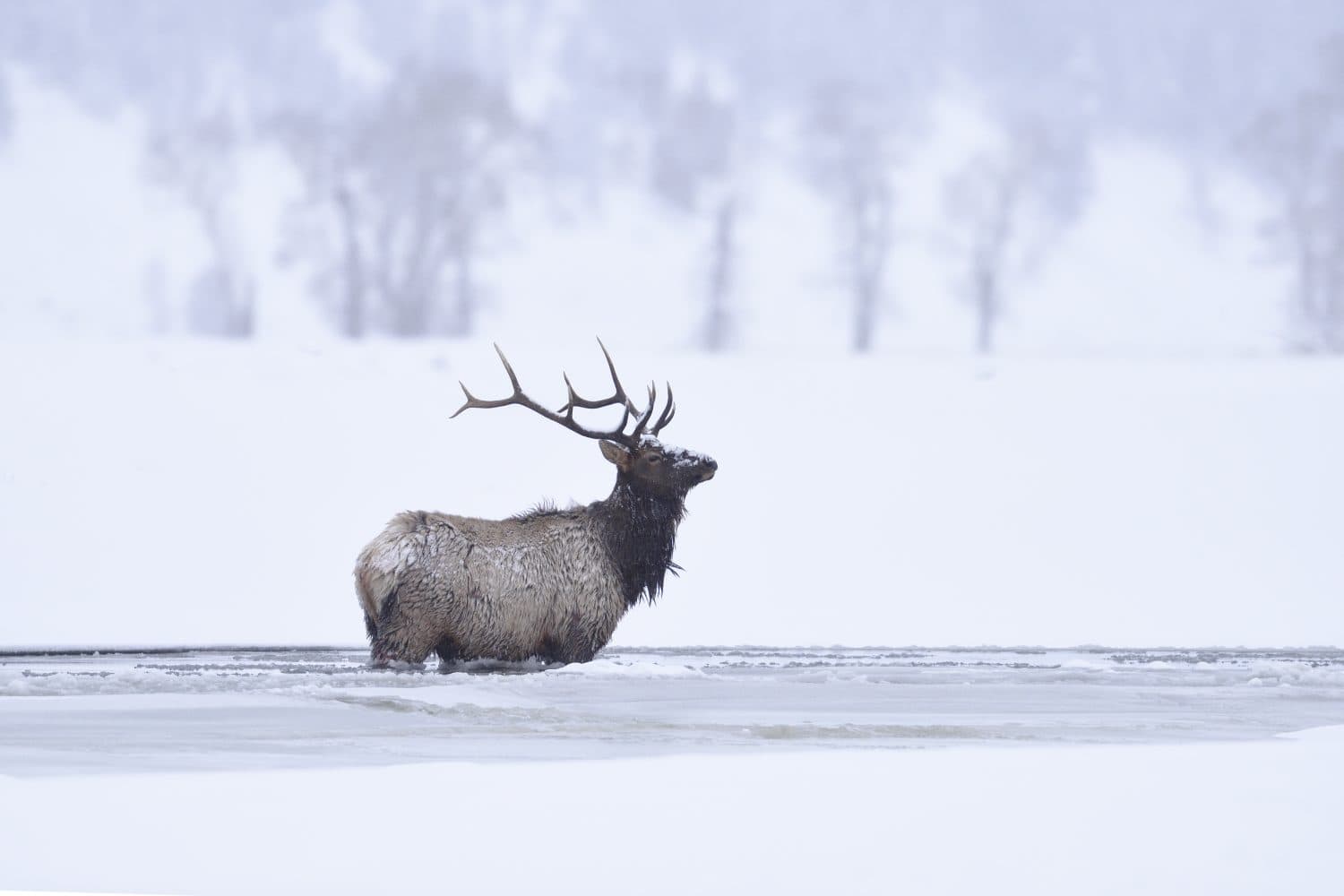

Montana is one of America’s northernmost states, sharing a border with Canada, which means wintertime is remarkably cold and hostile to life. Big Sky Country is beautiful, but winters bring harsh temperature, empty landscapes, and unforgiving winds. Humans have the luxury of technology and shelter to keep us protected, but animals aren’t so lucky. In order to endure the long, food-scarce months and survive until the snow melts, animals ready themselves and work hard. As the days grow shorter and temperatures drop, local wildlife prepares for the harsh Montana winter or risks not making it to spring.
Animals that live in Montana experience a wide variety of changes when it comes time to prepare for winter. Some of these behavioral and physiological changes are pretty profound. Larger mammals like bears begin feasting on excessive calories so they have enough fat on their bodies to survive their hibernation-like state for several winter months. Mid-sized mammals that don’t hibernate, like deer, tend to grow thicker coats and move from rugged mountainous terrain into more protected environments like valleys. Most birds know which way the wind is blowing and follow it south for warmer locations. Fish dive deep and slow their metabolism.
Montana’s winter signals the start of annual shifts in animal behavior that are necessary to keep wildlife alive through the harshest of conditions. Survival isn’t easy during Montana’s harsh winter, but the preparations animals make in the late fall are vital to adapting to the season. Let’s learn about how local wildlife prepares for the state’s grueling, unforgiving winter.
Mammals
The winter brings considerable changes to the different types of mammals that live in Montana. Most can’t leave their environment easily, so they have to make do by either sleeping through the cold months or developing sturdier features to aid them while awake. The state’s mammals also alter their behavior to reflect the change in environmental conditions. Food sources become scarcer, and areas once hospitable become cold, barren, and unforgiving.
Bears
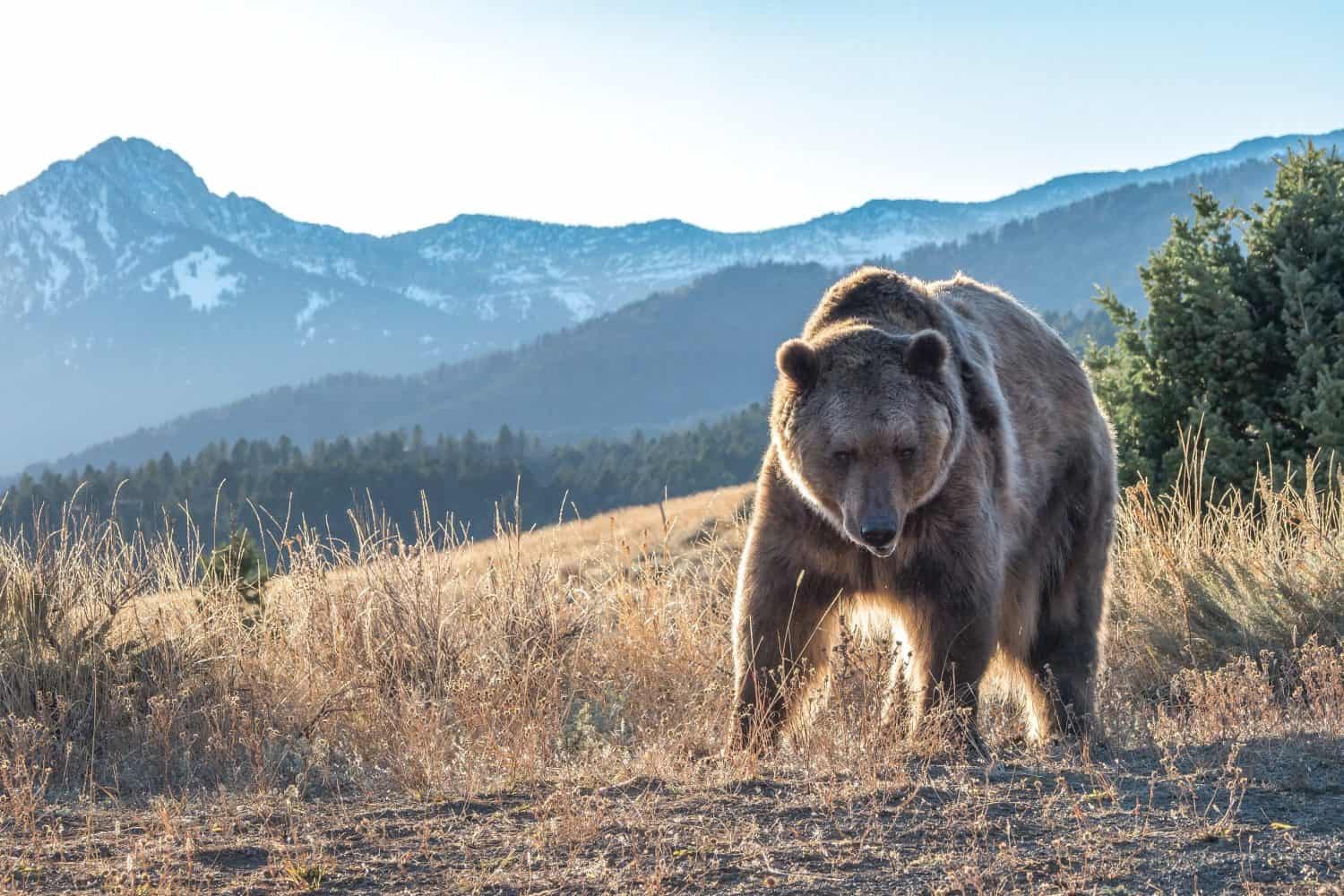
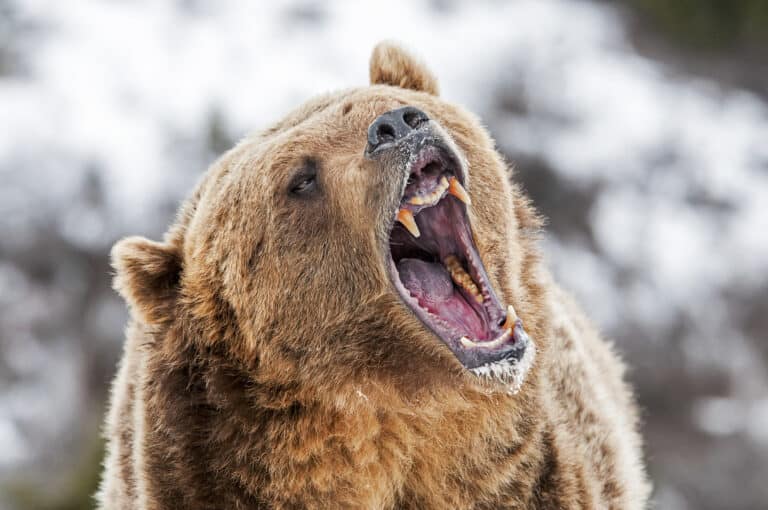
Both black bears and Grizzly bears in Montana load up on food to prepare for the semi-conscious torpor state.
©Rostislav Stach/Shutterstock.com
No matter how you slice it, Montana is bear country, home to both American black bears and Grizzly bears. Both types of bear undergo pretty profound changes in preparation for winter, during which they experience a semi-conscious state called torpor. While in this state, they don’t move much, eat, or even defecate. Enduring these months of inactivity and surviving, however, requires a serious number of calories beforehand. Starting in the late summer and fall, both black bears and Grizzly bears begin foraging for food. They become so food-conscious that they enter a state called “hyperphagia”, which causes them to eat up to 20,000 calories per day (about 10 times the amount of food humans eat in the same time period). They also become far less selective about food as long as it has high caloric value. In turn, bears get pretty chunky.
These food-obsessed bears tend to look for meals far and wide, which leads them into human settlements. Most bear-human incidents occur during the late summer and fall for this reason. All their preparation comes in handy once temperatures plunge and bears enter their dens for months. While pregnant female bears and mother bears with cubs tend to enter dens for torpor first, males usually follow within a few weeks. Whilst in torpor, which can last up to seven months, a bear’s body temperature drops several degrees. Torpor, however, is not hibernation. If the temperatures heat up at all, bears will wake and begin looking for food once more.
Deer and Elk
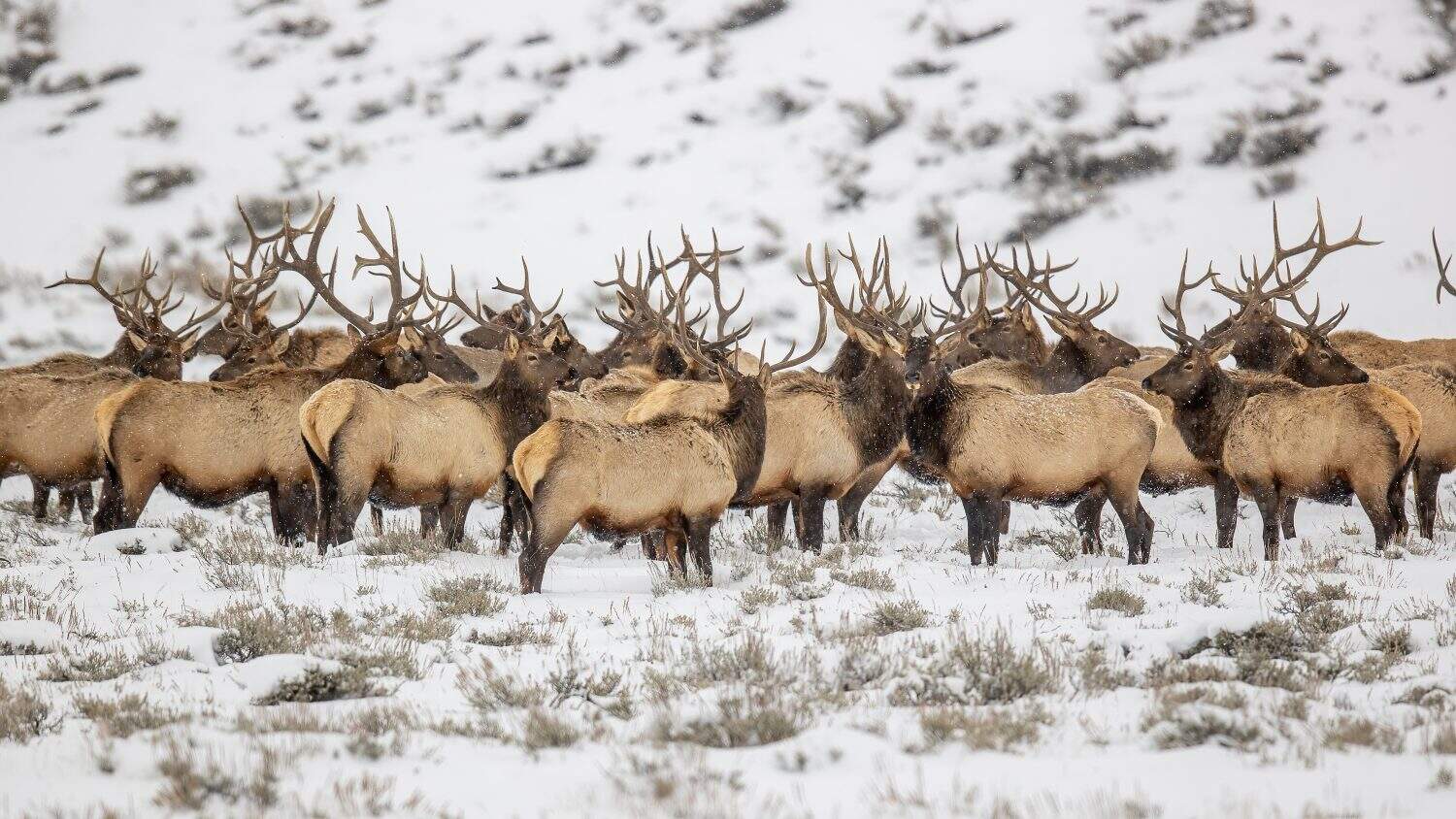
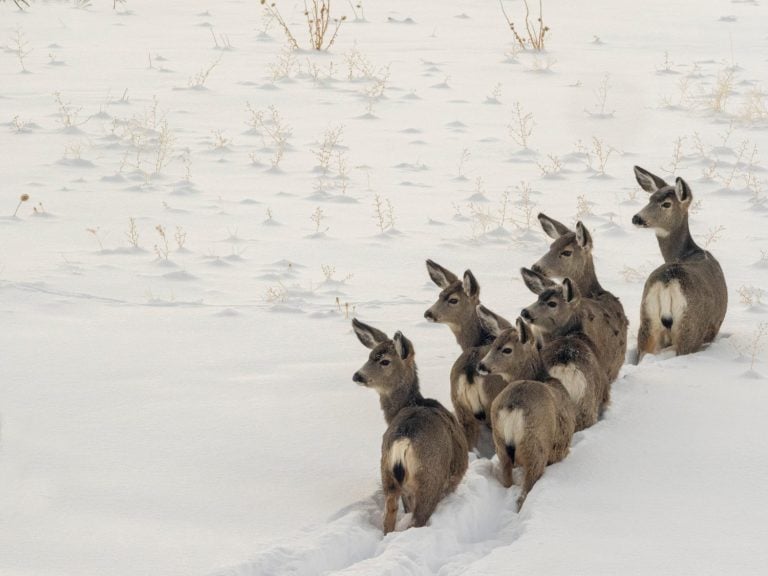
Ungulate mammals like deer and elk tend to stay in large groups during winter to both insulate in snow bluffs and hang around the sparse food sources
©Thomas Torget/Shutterstock.com
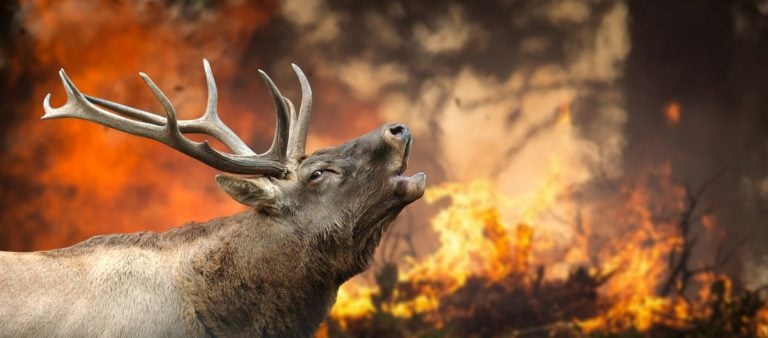
Big game animals like deer and elk have to endure the long winter day by day. While deer and elk get to enjoy the rugged mountainous terrain that Montana offers most of the year, winter makes those environments inhospitable. Starting in the late fall, big game mammals move into more comfortable locations such as valleys and meadows. When it comes to surviving the winter physically, deer and elk transform. For one, their coats grow thicker. Their winter coats feature hollow hairs; each hair traps air, functioning the same way as an insulated house. The fur traps air and provides a layer of warmth between freezing external air and their organs.
To meet the demands of extremely cold temperatures, big game mammals like deer, elk, and antelopes also reduce their metabolism by as much as 30%. This helps them survive when foraging opportunities are few and far between. Interestingly, that 30% reduction in energy requirements is balanced by a reliance on stored body fat. Hunters often discuss the severity of winter in relation to the amount of body fat on deer or elk, and scientific studies support that animals with more body fat entering winter have higher survival rates during severe conditions. Big game animals undergo shifts in what they can eat, what they retain, and what they can handle during winter. These ungulate mammals also tend to congregate in larger groups to both bed down in snow and to stick around more consistent food sources.
Predators
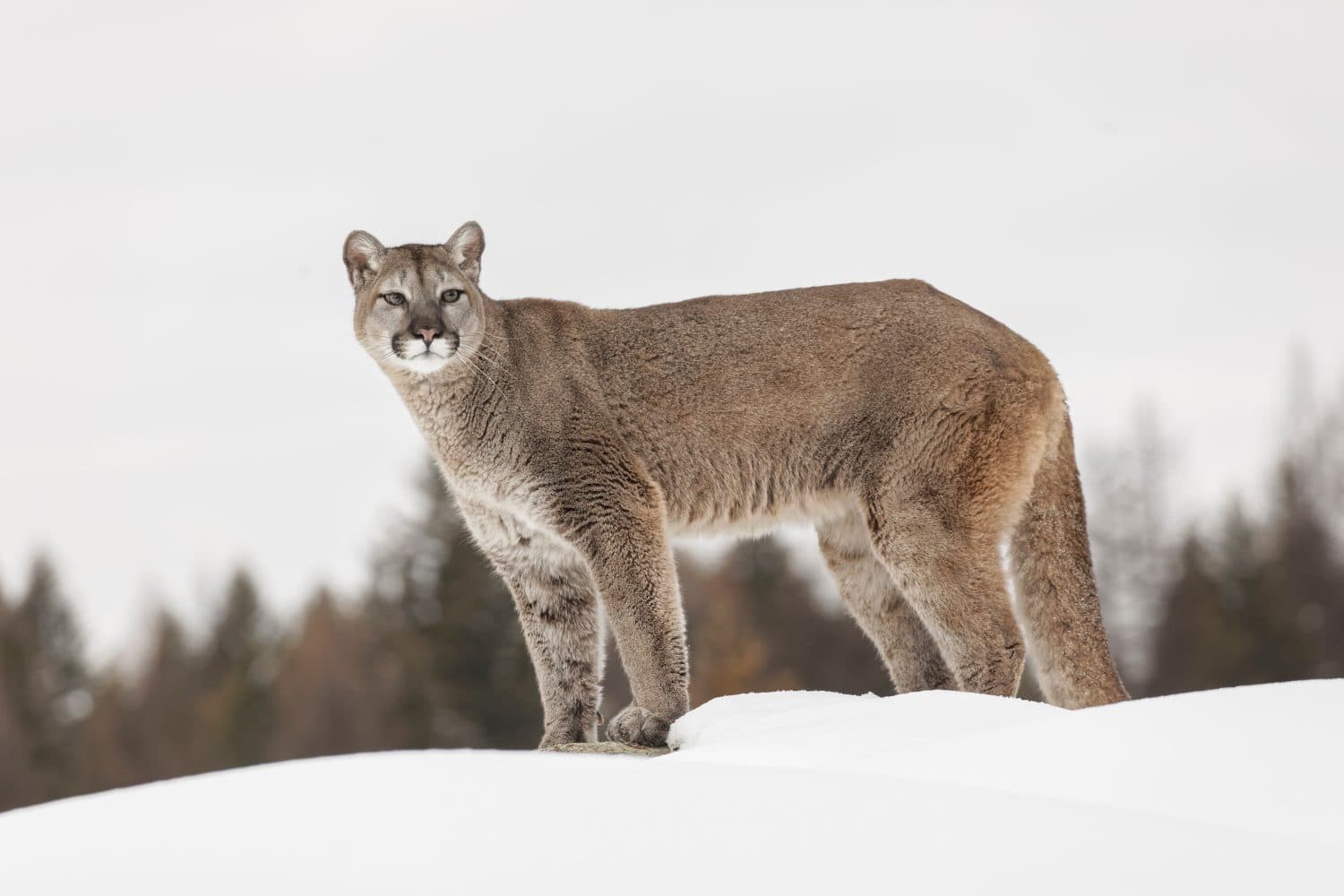
Predators adapt to the winter by conserving as much energy as possible. This often results in movement to lower elevations, discriminating yet more desperate hunting strategies, and even scavenging.
©Danita Delimont/Shutterstock.com
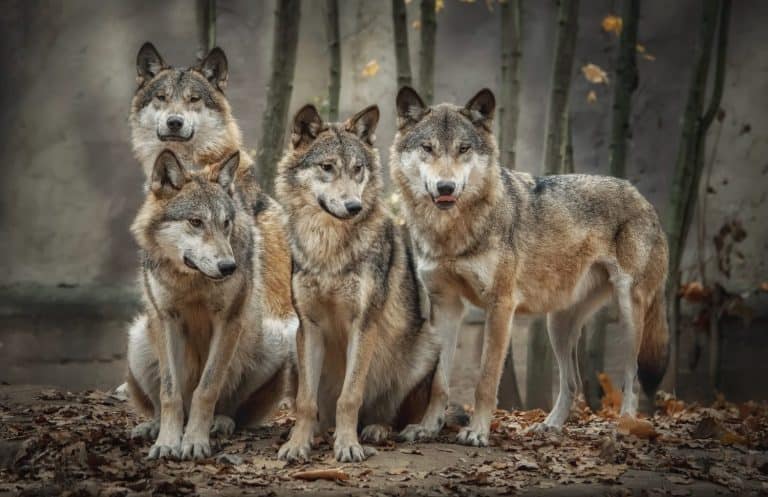
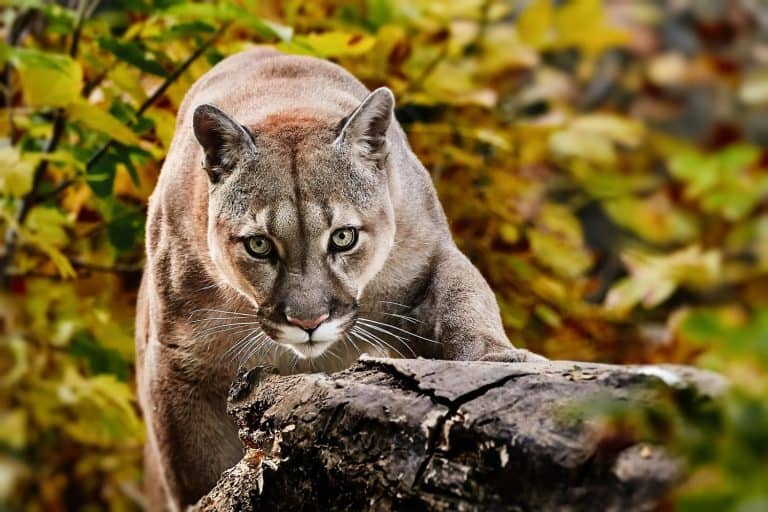
While deer have fewer foraging opportunities, the animals that hunt deer also get the short end of the stick. Predators like wolves, coyotes, foxes, and mountain lions have to adjust their hunting strategies and behaviors to survive. Typically, wolves form tighter packs and hunt big mammals like elk that are weakened by the freezing conditions. Coyotes, however, don’t have that luxury and must look for small mammals still active at lower elevations. If that strategy fails, coyotes will often scavenge from wolf kills. Foxes, too, home in on small game, like rodents hiding in burrows or tunnels underneath the snow. As for mountain lions, arguably the biggest predators in Montana, they follow deer into lower elevation valleys but become selective in their hunts to conserve energy. Overall, all predators must move less and make careful decisions on when to expend precious energy.
Smaller Mammals
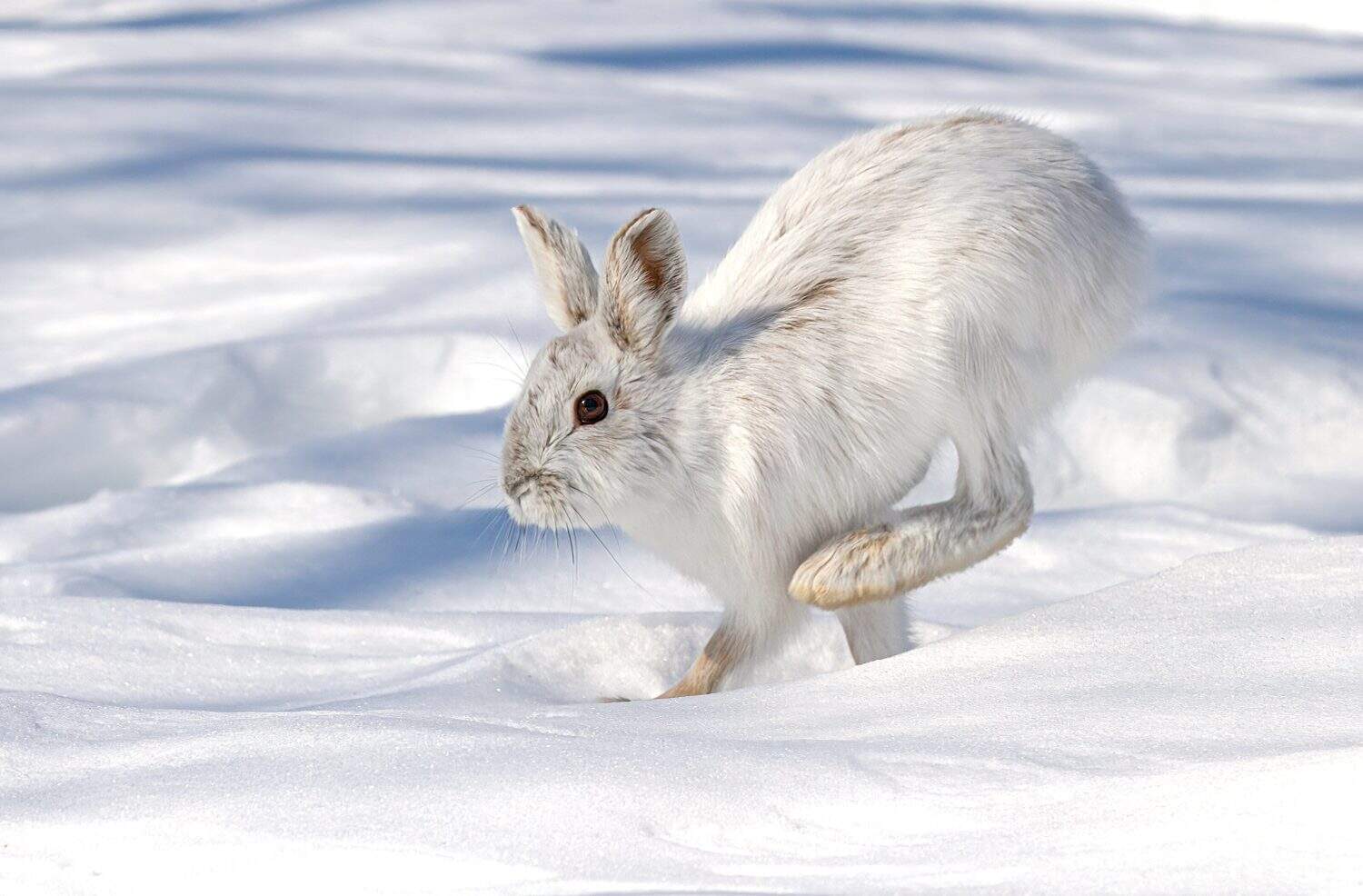
Snowshoe hares’ coats go from brown to white during winter to better help them hide from predators in the snow.
©Jim Cumming/Shutterstock.com
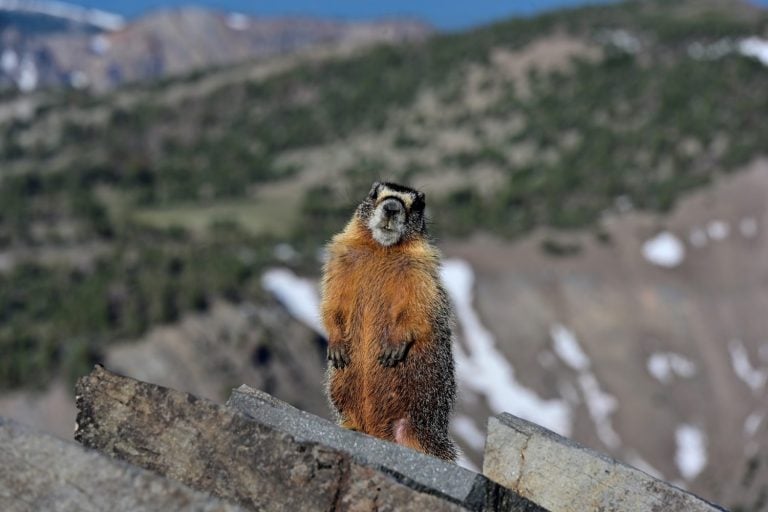
Some small mammals prepare for winter by creating caches of food hidden around their territory. Others hole up in a burrow and mostly sleep through the cold months. Indeed, red squirrels and ground squirrels spend most of the fall collecting food. They find seeds, nuts, and pine cones and store them in small underground repositories or in tree holes. This allows them to return when the weather is fierce to find a much-needed meal. As for chipmunks, they function more like bears to survive the winter. Chipmunks enter torpor as well, a semi-conscious state that allows them to sleep most of the time but periodically wake to eat a small amount of food. Other small mammals like marmots and ground squirrels, however, enter full hibernation. This process literally slows their bodily functions to a crawl. Their heart rates drop, and they can go for months without eating or expelling waste.
While small mammals like voles and deer mice remain pretty active during the Montana winter, they do so by staying underground in tunnels. These areas maintain a consistent temperature and provide food sources in the form of grass and plant stems. Visually speaking, however, snowshoe hares undergo the biggest transformation. Their brown, earthy-colored coats transform into alabaster white. This helps them stay camouflaged in the snow from increasingly desperate predators like coyotes.
Birds
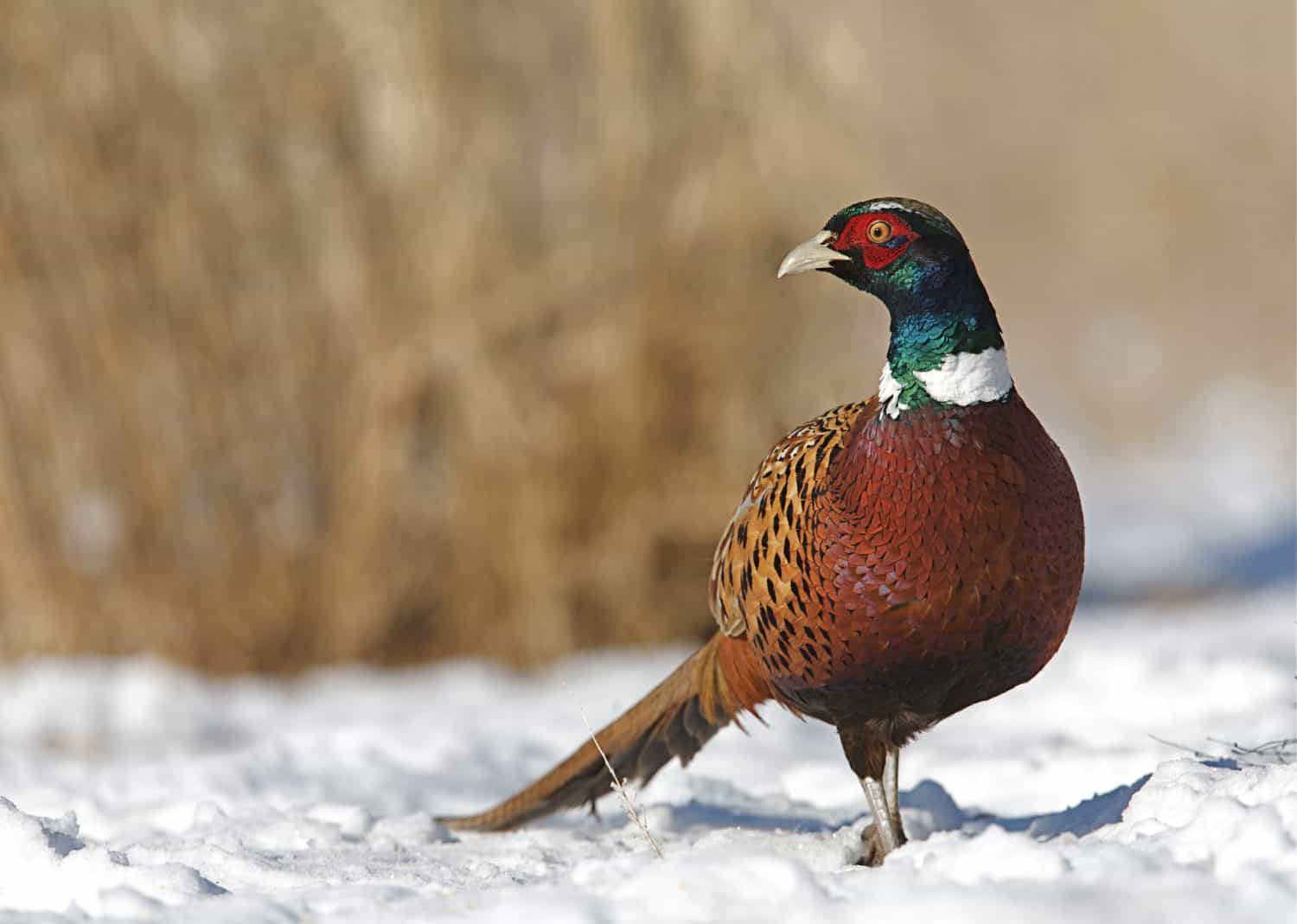
Birds respond to the changing seasons in different ways. Some migrate south for the winter, while others undergo physiological changes to survive the increasingly cold temperatures.
©Tom Reichner/Shutterstock.com
November brings shorter days, less sunlight, and descending temperatures, so birds respond in kind. Luckily for these feathery folks, they have special attributes to combat the cold. Birds, in general, have hollow feathers. This allows them to insulate their bodies against freezing temperatures, much like elk and deer do. Even so, birds give themselves a fighting chance by clustering together in large groups, burying themselves in snow like grouse, or nesting in tree cavities that protect them from snow, wind, and the blistering cold.
Migratory Birds
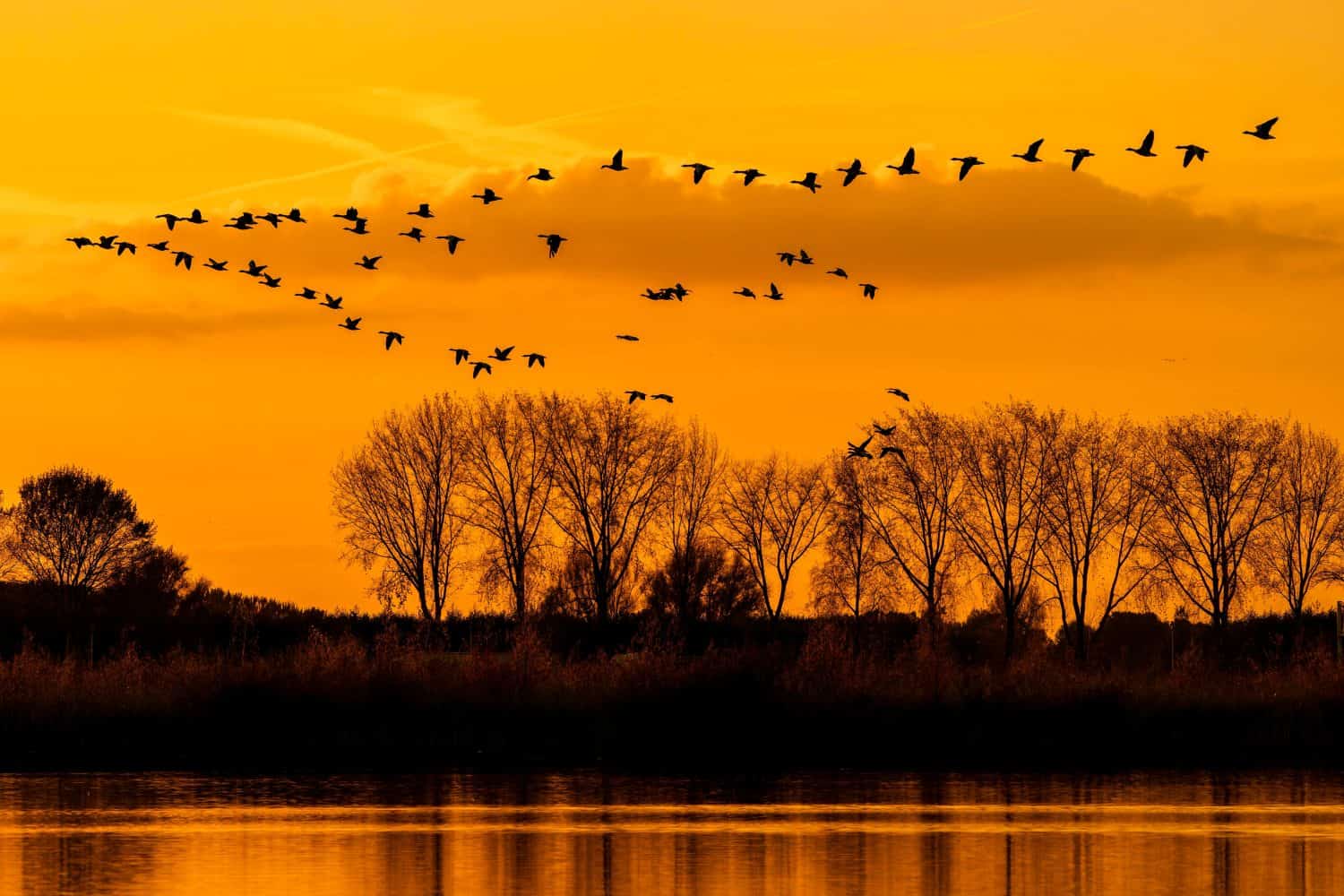
Some birds migrate south from Montana. Others consider the state temperate compared to their usual Arctic environments.
©Albert Beukhof/Shutterstock.com
Many of Montana’s bird species begin long migrations southward to warmer temperatures and more agreeable environmental conditions. These include cranes, swallows, and warblers. Meanwhile, some larger birds, including birds of prey like bald eagles and hawks, migrate into Montana for winter. They spend so much of the year in the even more extreme climates up north that Montana’s freezing winter feels temperate in comparison. This also allows them to follow and subsequently hunt waterfowl bird species like mallards as they congregate in certain water sources to endure the winter collectively.
Non-Migratory Birds
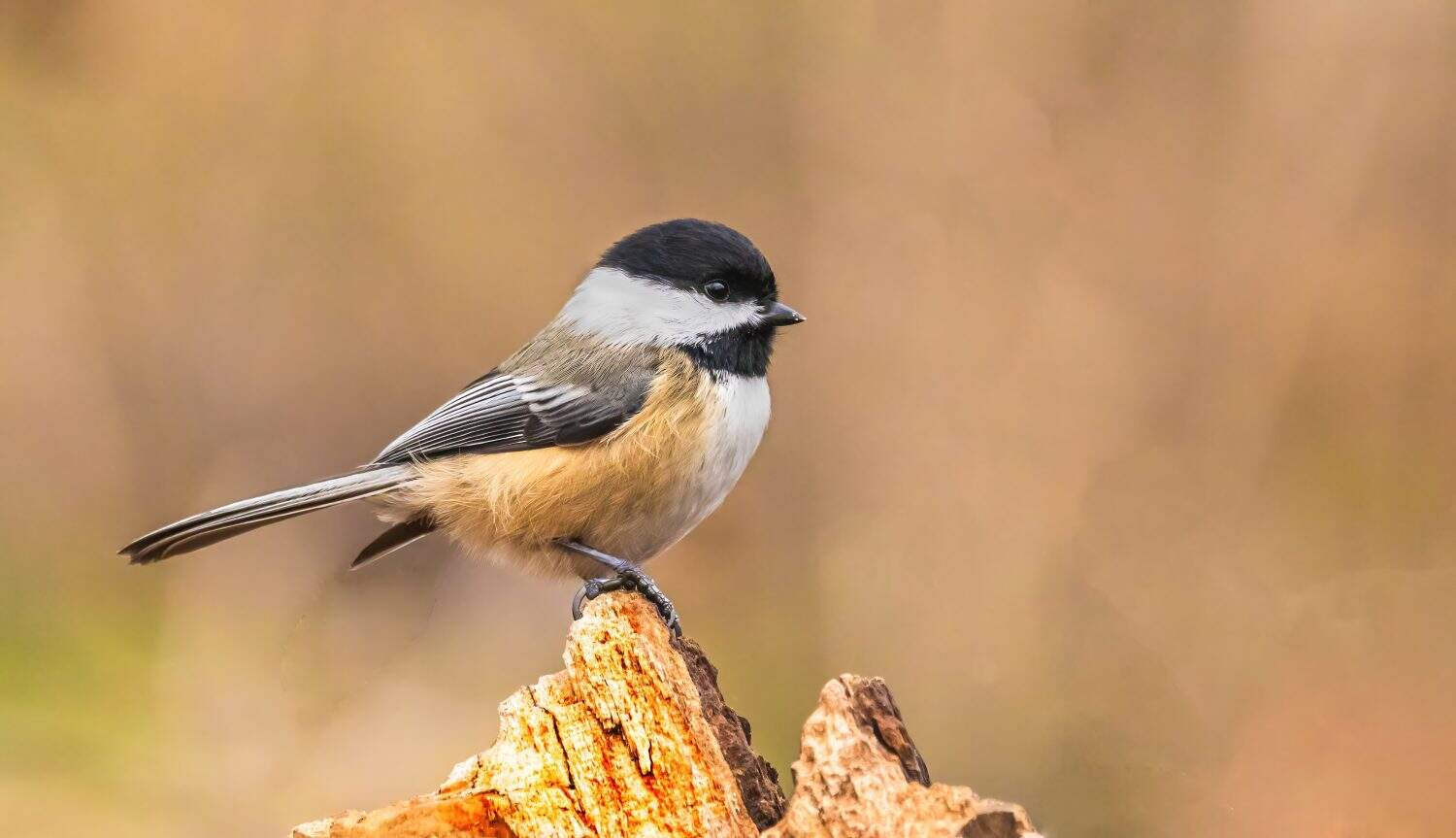
Black-capped chickadees grow thicker plumages, store seed caches around their territory, and even lower their body temperatures at night to endure harsh Montana winters.
©Elle777/Shutterstock.com
Some of Montana’s most common bird species that don’t migrate, however, undergo distinct physiological and behavioral changes to endure the harsh winter. Species like black-capped chickadees, nuthatches, and woodpeckers stick around. Chickadees, in particular, grow thicker feathers, store seeds all over their territory for a snowy day, and even drop their internal body temperature at night to conserve energy. As for waterfowl, mallards and Canadian geese will gather in large flocks where they stay warm through group roosting.
They tend to congregate on ice shelves next to open waterways to better spot predators. Remarkably, water birds don’t have much muscle or soft tissue on their leg and feet, so they can stay in the water without freezing. Plus, these birds have circulatory systems that feature warm blood flowing through arteries right near returning cold venous blood. This warms their feet just enough to prevent frostbite.
Marine Life
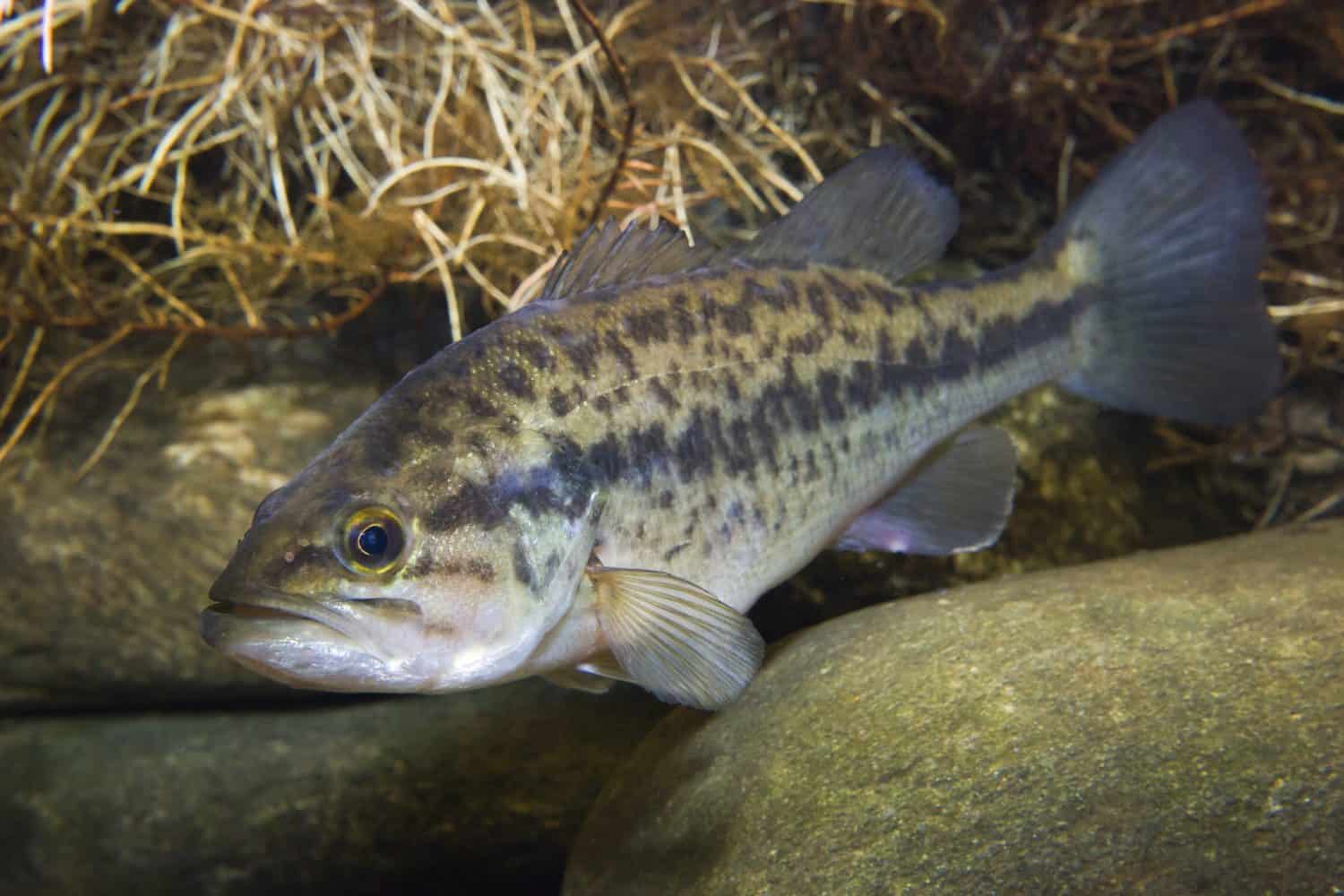
Fish manage to survive Montana’s harsh winters by seeking out waterways with deeper, warmer, and more oxygen-rich conditions.
©Rostislav Stefanek/Shutterstock.com
It may seem like creatures on land bear the brunt of winter’s punishing conditions, but fish and other aquatic life aren’t immune to freezing temperatures and scarce food sources.While people may think that water simply freezes in winter, fish have clever strategies for avoiding frozen environments and finding food. Amphibians, too, manage to survive harsh winters by engaging in even more extreme transformations.
Fish
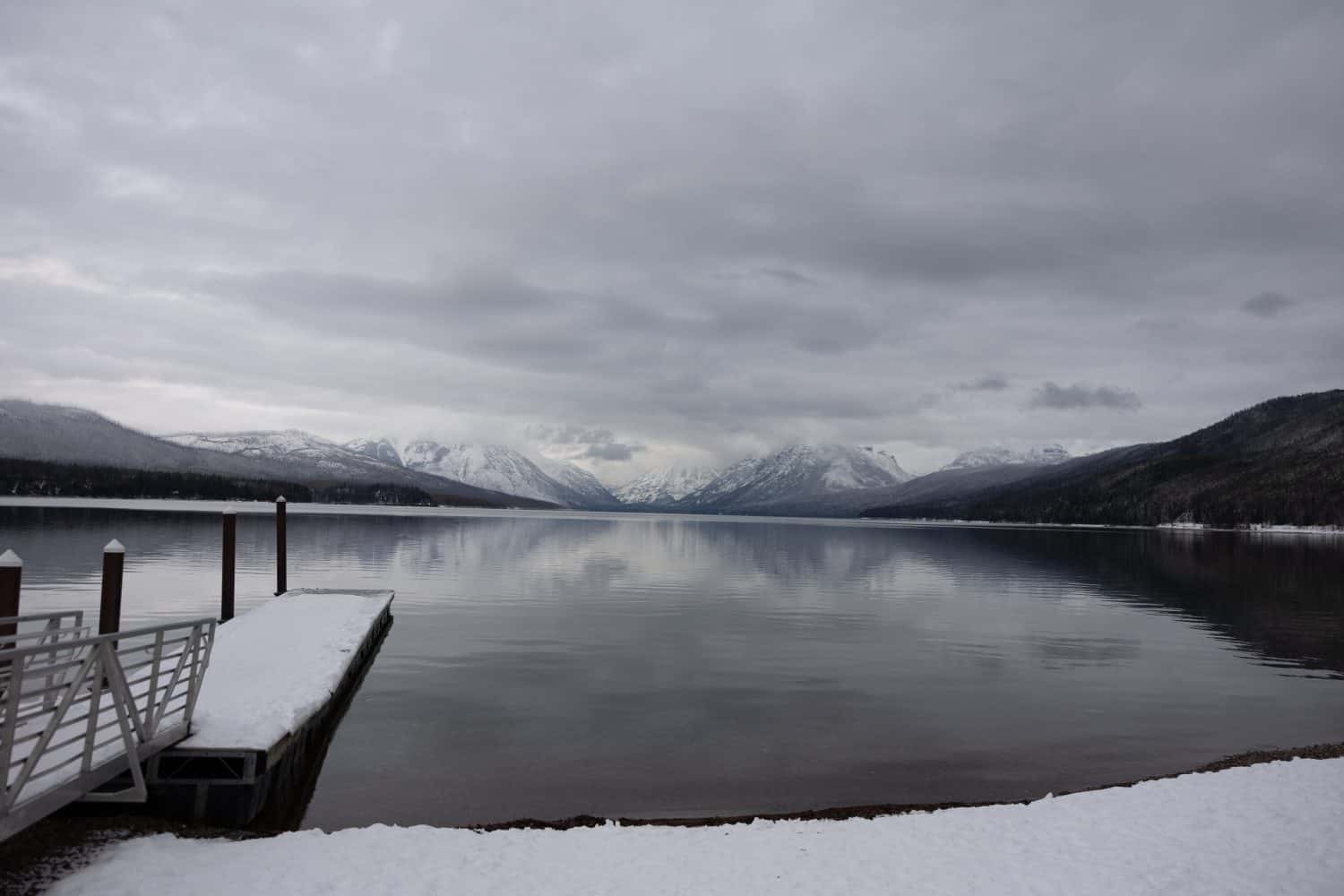
The tops of lakes and rivers may freeze over, but fish survive by heading to deeper, warmer depths where they conserve energy by hunting creatures more opportunistically than usual.
©Morgan Purcell/Shutterstock.com
As the fall turns into winter, Montana’s different fish species change with it. As waterways begin to freeze, fish start traveling to deeper, slower water sources that maintain stable temperatures and oxygen levels. Species such as walleyes, northern pikes, yellow perch, and trout can slow their metabolism to conserve energy. It may be harder to find food in the deeper reaches of water, but these fish adapt by becoming more opportunistic, expanding their palette to include anything that isn’t quick enough. There may be ice on the surface of Montana’s lakes during winter, but plenty of fish remain near the bottom, moving slowly before striking at any passing food source.
Amphibians
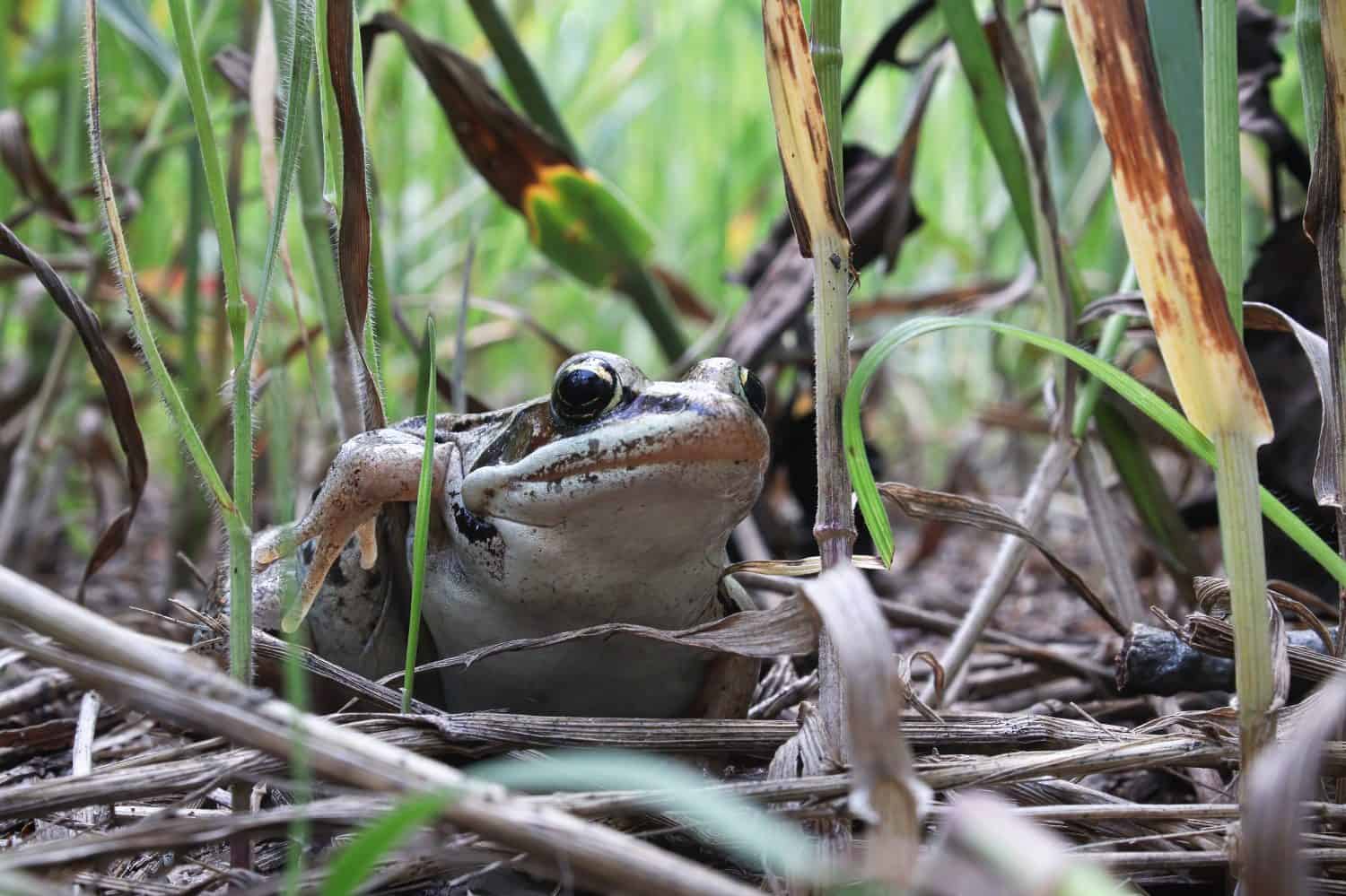
Amphibians require moisture to survive, no matter the circumstances. When it comes to surviving the harsh Montana winters, however, some amphibians like wood frogs literally let parts of their bodies freeze while their vital organs remain protected.
©Amelia Martin/Shutterstock.com
Fish head to deeper, warmer depths to survive the harsh winter. Amphibians, however, often dive into the mud at the bottoms of those same waterways to survive. Species such as wood frogs, western tiger salamanders, and long-toed salamanders find the last vestiges of warmth in these deep mud pits. Compared to other creatures, amphibians arguably undergo the most profound winter changes. Wood frogs, for example, can tolerate freezing temperatures. Somehow, they allow ice crystals to form in their tissues while their organs remain secured.
Every type of amphibian requires fairly constant moisture, so they tend to stay in water, mud, or under leaf litter to avoid drying out. Furthermore, most Montana amphibians reduce their metabolic activity to conserve as much energy as possible. Some species, like the wood frog, take this reduction to such an extreme level that they almost enter a state of suspended animation. Nevertheless, they come back alive once the spring arrives.
Insects
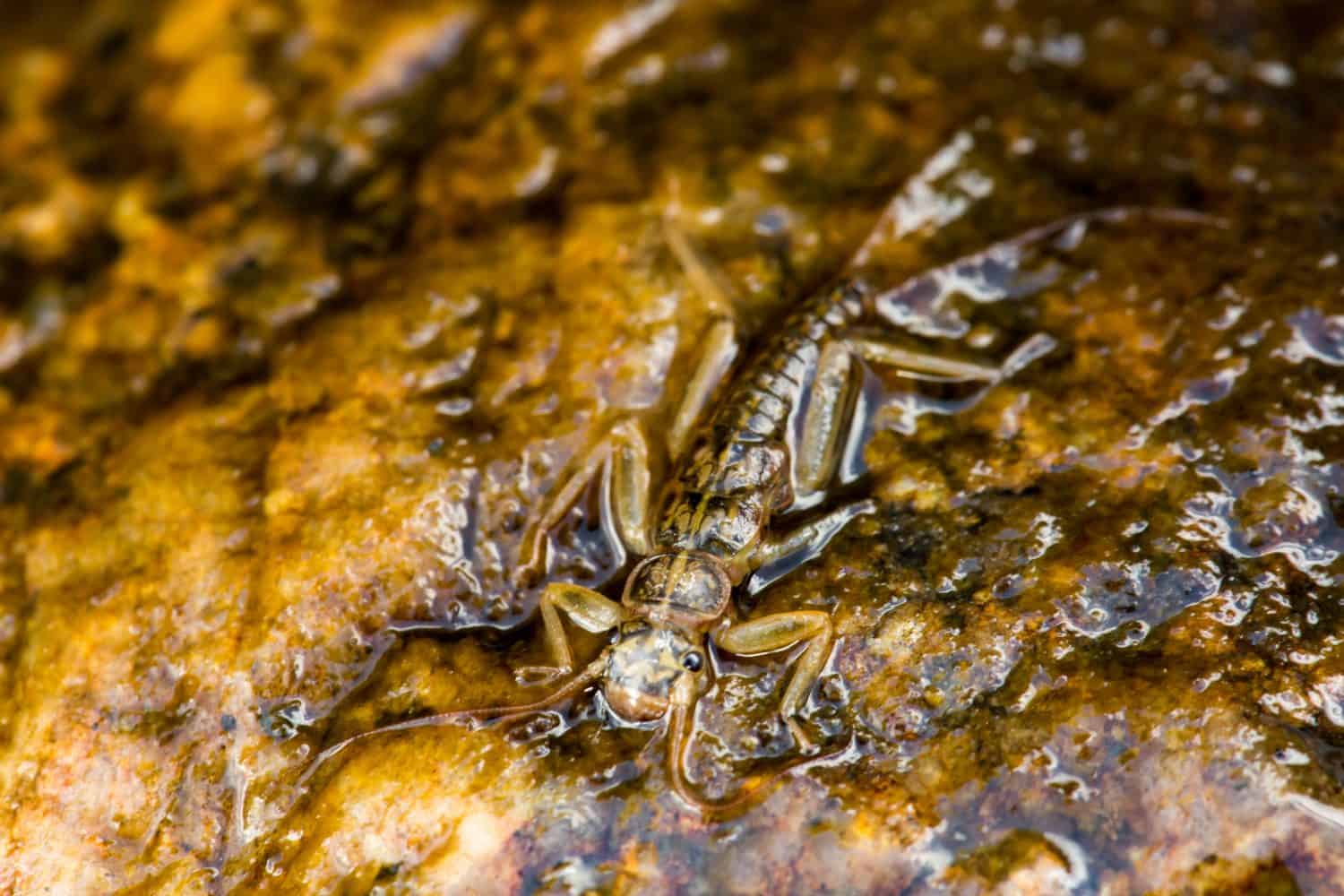
Insects like stonefly nymphs survive winter by digging into stream beds and hunkering down.
©Israel Patterson/Shutterstock.com
At first glance, a Montana winter may appear devoid of insects. These critters that were once abundant in the spring and summer seem practically non-existent in the cooler months. That is an illusion, however, as Montana’s insects have unique ways of surviving the cold season. While butterflies quickly migrate south for greener, warmer environments, other species aren’t so lucky. Instead, species of beetles, moths, and ants pause their development hormonally to endure a lack of food and freezing temperatures. Like some amphibians, some insects produce chemicals with natural anti-freeze properties. As for aquatic insects like mayflies and stonefly nymphs, they survive the winter by digging into stream beds. There, they slow their metabolism to a crawl and extract oxygen from the water. Without the ability to enter into a period of dormancy, most insects would perish during Montana’s harsh winter.