
Hamsters are popular pets, and many families form strong bonds with their rodent pals. However, hamsters communicate in very different ways from dogs and cats. So if you have just gotten a pet hamster, you will need to learn a whole new language! Here, we will dive into the fascinating world of hamster behavior and communication.
Why You Need to Know About Hamster Communication
Pets are both a joy and a responsibility. If you have a hamster as a pet, their health and well-being are largely down to you. Obviously, you should enjoy your pet, but they are not there just for your entertainment. Hamsters have needs and requirements that must be fulfilled if they are to lead a long and happy life. If you can learn to spot the subtle and not-so-subtle signals that your hamster is giving, you will have a more rewarding experience as a hamster owner.
You can tell how your hamster is doing by observing their appearance and their behavior. In terms of appearance, you should be looking out for things such as wet fur and lumps and bumps, which can all indicate that your pet is stressed or ill. When it comes to behavior, you should be alert to both body language and noises (vocal communication). You can even tell a lot from their scenting behavior.
Positive Behavior/Body Language
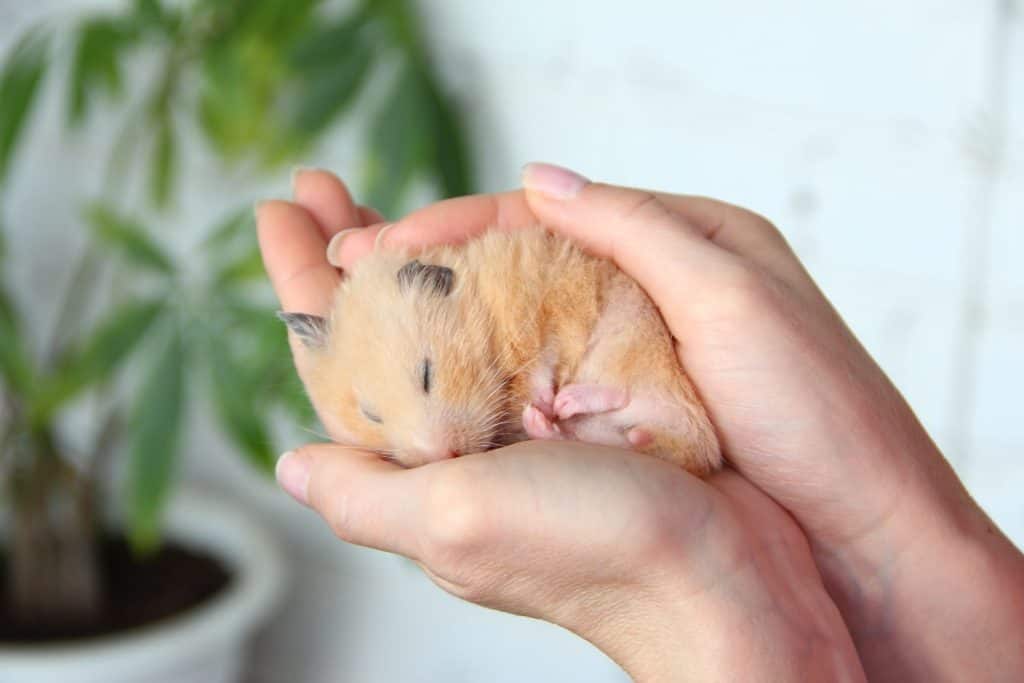
Relaxed hamsters sleep happily.
©Alex Milan/Shutterstock.com
Here are some positive hamster body language signs that mean that your pet is content.
Burrowing or Searching for Food
This is perfectly normal behavior for hamsters and means that they are happy. It is also normal for this to take place at night. This can be a bit noisy, so you may want to move your hamster out of the bedroom before you go to sleep. Storing food in cheek pouches and hiding it in their cage also means that they are content.
Exploring, Wheel Running, and Chewing
This behavior also means that your hamster is happy. The larger the area they have to explore, the better. Because hamster teeth are constantly growing, they need to chew to keep them at a safe length. Be sure to provide your hamster with wooden blocks and crunchy food to help wear down their teeth.
Lively Acrobatics
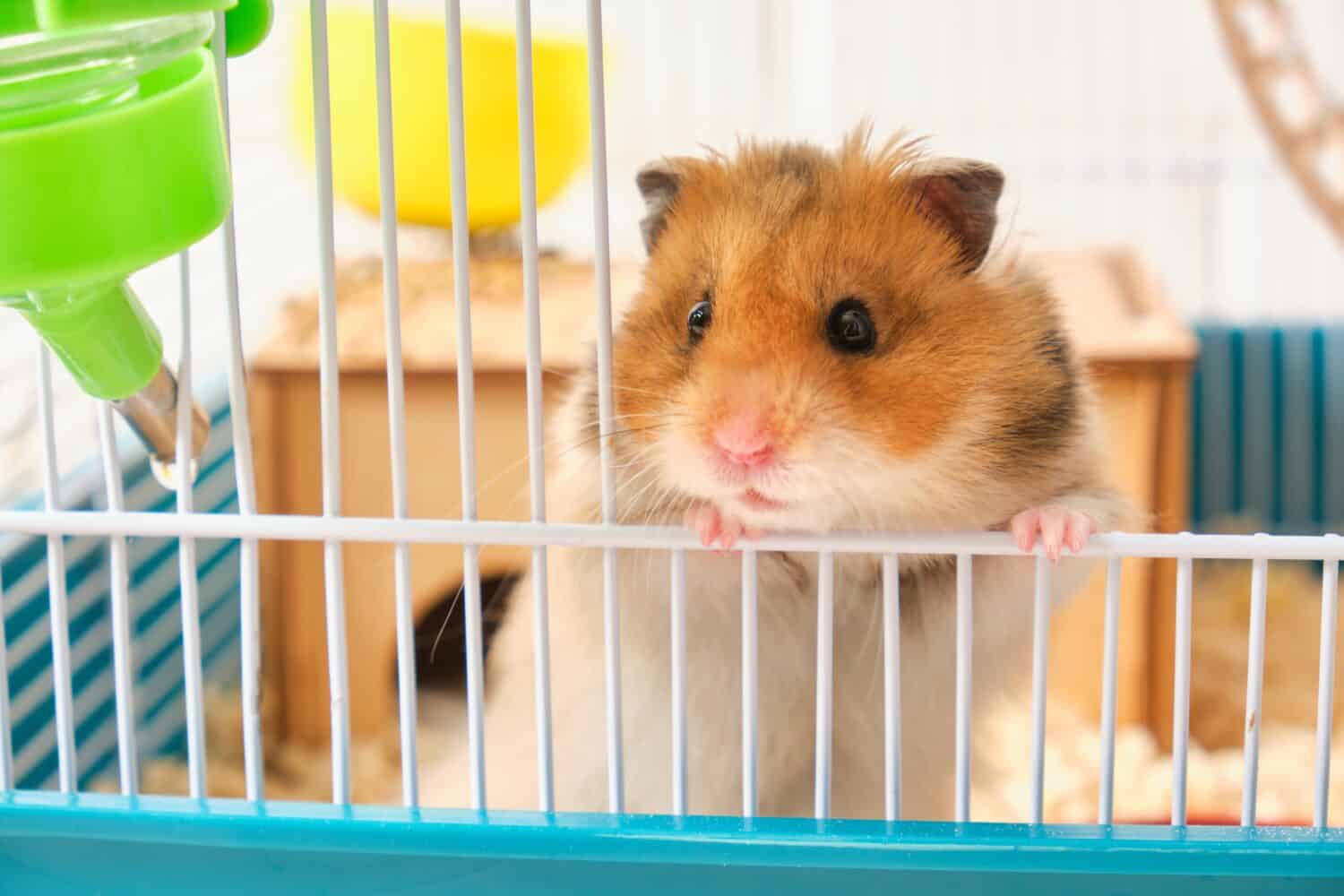
Hamsters hanging off the cage and climbing across their roof is a wonderful thing to watch. Hamsters that do this are feeling confident and energetic, which is a reliable sign that they are happy.
Erect Ears and Bright Eyes
Curious hamsters show an interest in what is going on around them with bright eyes and erect ears. If they are feeling very confident and happy, they may even interact with you!
Relaxed Grooming and Stretching
Hamsters groom themselves by licking and nibbling their fur and by using their front paws to wash their face. If your hamster is grooming themselves, they are content. Stretching is another sign that they are relaxed.
However, overgrooming that results in bald or sore patches is a sign of distress.
Relaxed Body Posture
A relaxed hamster has a loose body posture with their tail straight and their whiskers up or slightly forward.
Sleeping and Yawning
A contentedly tired hamster will yawn and then burrow into a quiet corner to rest.
Negative Behavior/Body Language
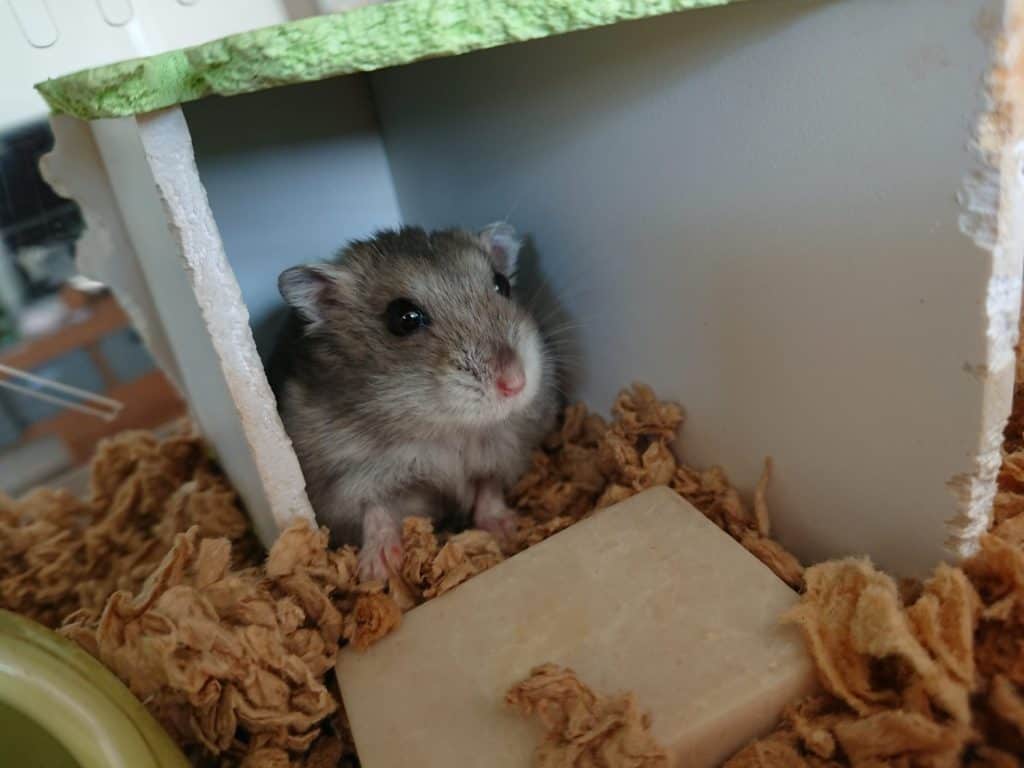
Ears forward mean your hamster is cautious.
©Wang Sing/Shutterstock.com
You can tell if your hamster is stressed or anxious by observing their body language.
Sluggish or Excessive Sleeping
Happy and fit hamsters are not sluggish. If your pet is moving very slowly, it can be a sign that they are ill. Constant hiding away can mean that they are anxious and stressed. Your hamster should not be hibernating. If they are, it is likely a reaction to a drop in temperature. A hamster’s habitat should be kept at a safe temperature range of 65°F to 75°F to prevent dangerous hibernation or health issues.
Not Chewing
Hamsters who do not chew may have overgrown and/or improperly aligned teeth.
Not Eating and Drinking
Happy hamsters have healthy appetites! You should see them eating and drinking several times a day.
Ears Laid Back With Narrowed Eyes
Hamsters use this posture when they are suspicious. You should proceed with caution because your hamster is not relaxed.
Ears Forward, Cheek Pouches Puffed Up, Mouth Open
This often means that your hamster is scared of something. Try to work out what that is. It could be loud noises or another pet.
Standing on Hind Legs, Front Paws Raised, Erect Tail
This is an aggressive stance for hamsters. It means that they are feeling threatened by something. Do not approach a hamster in this posture because you may get bitten.
Vocalization
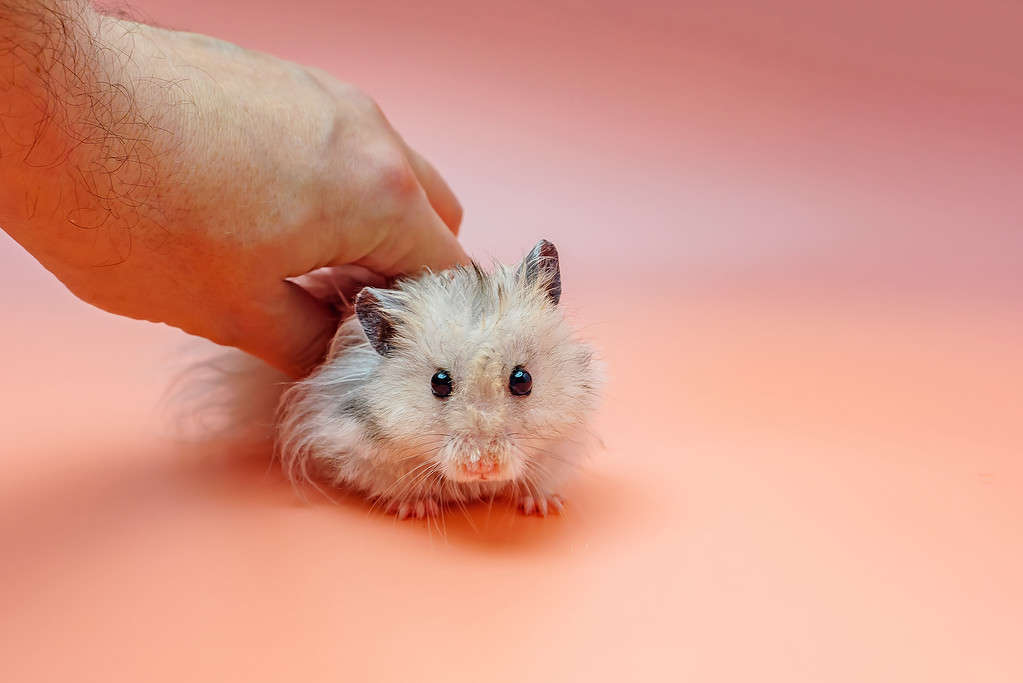
Stressed hamsters squeak.
©Tatiana Stepanishcheva/iStock via Getty Images
Hamsters also use noise to indicate how they are feeling. Positive vocalization in hamsters consists of clicking with an occasional short squeak, which they may use to get attention. In contrast, constant chattering is more likely to indicate that they are nervous. A high-pitched squeak that can also sound like a hiss means that they are frightened and highly stressed.
Scent Marking
Hamsters communicate with other hamsters using scent. They use this to mark territory, establish social hierarchies, and indicate their willingness to mate. Hamsters have scent glands located on their cheeks, flanks, and genital areas, with the waxy pheromones from their cheek glands being the most prominent. If your hamster is scenting you or objects in their cage, this is normal behavior and means that they are content.