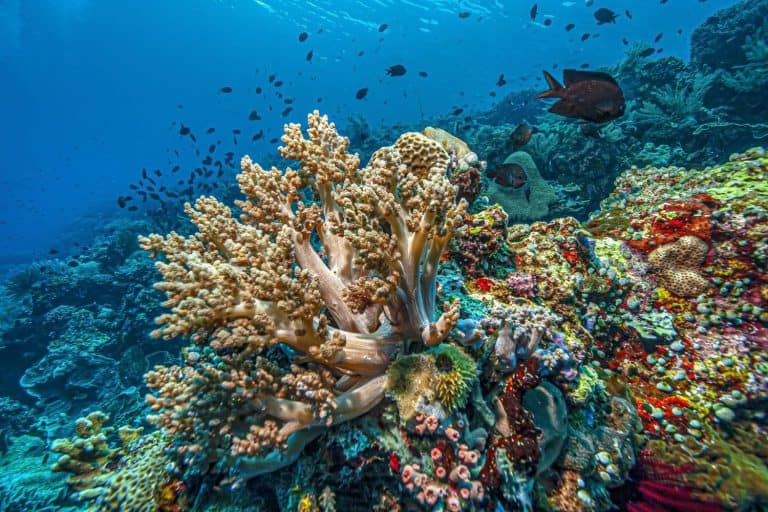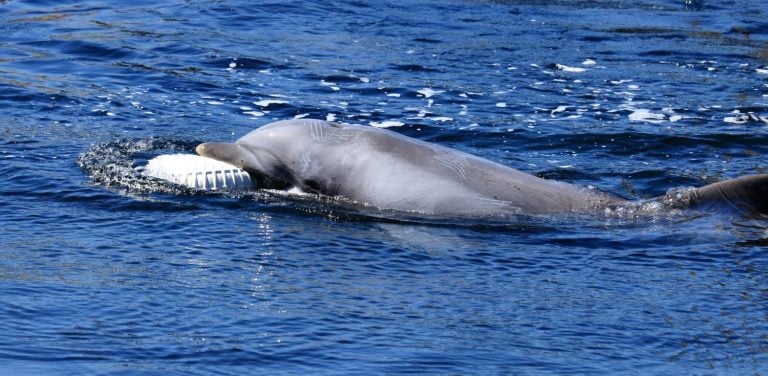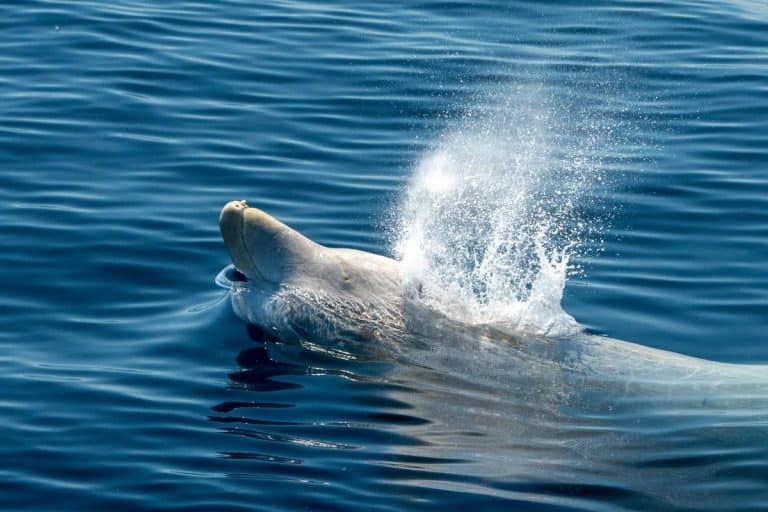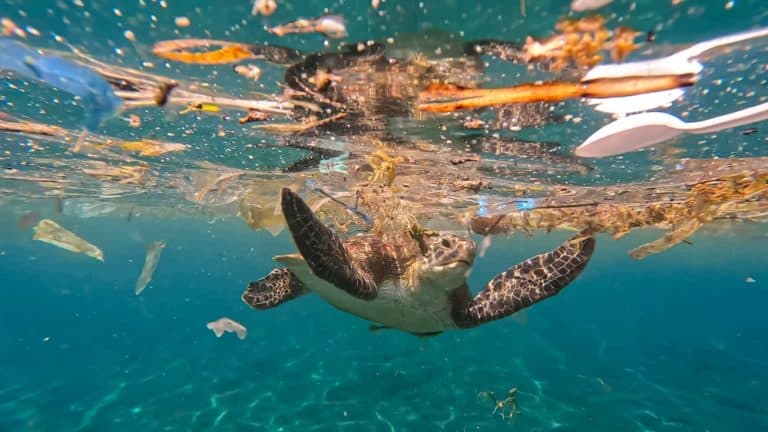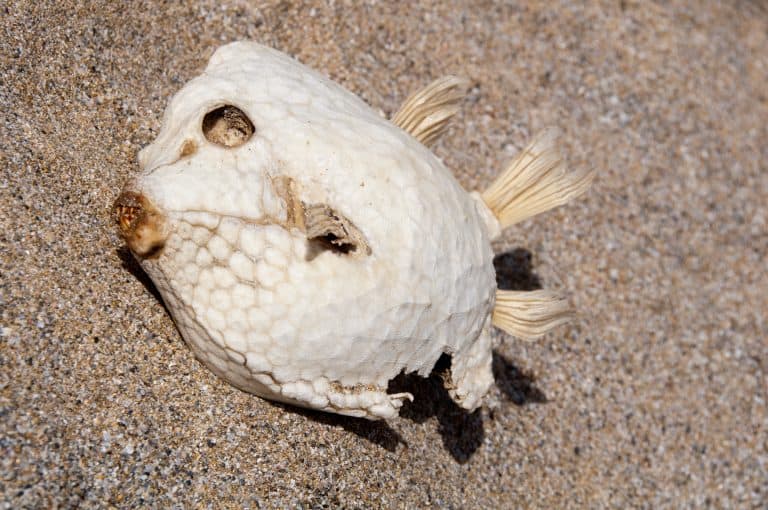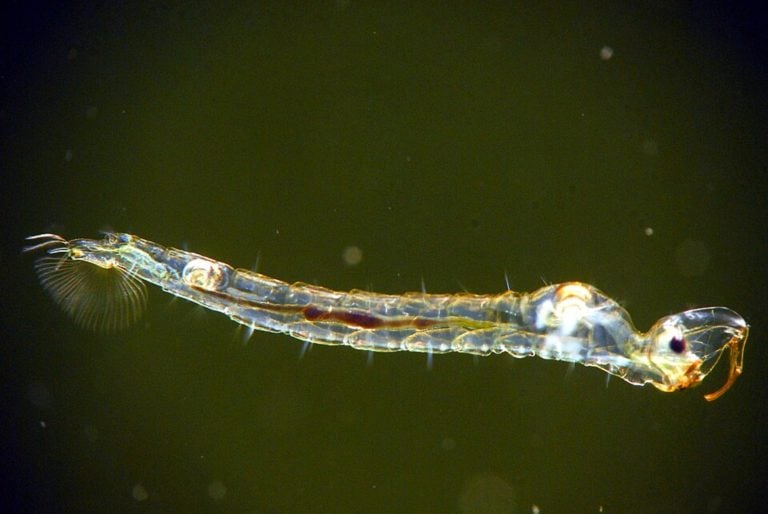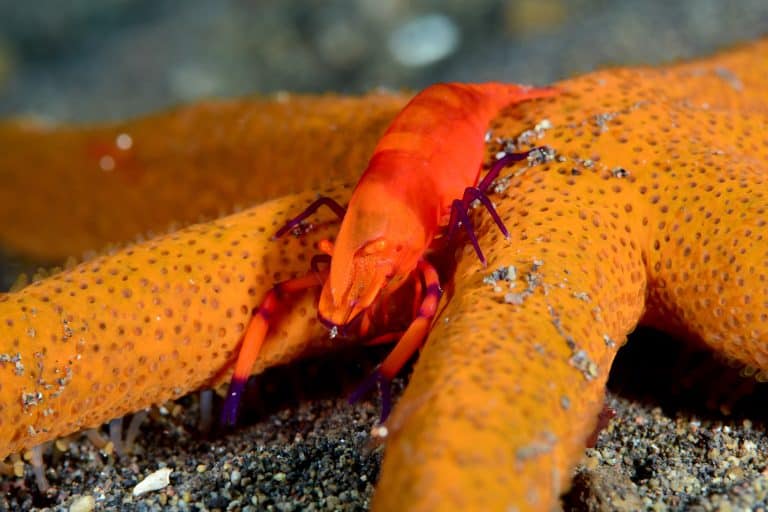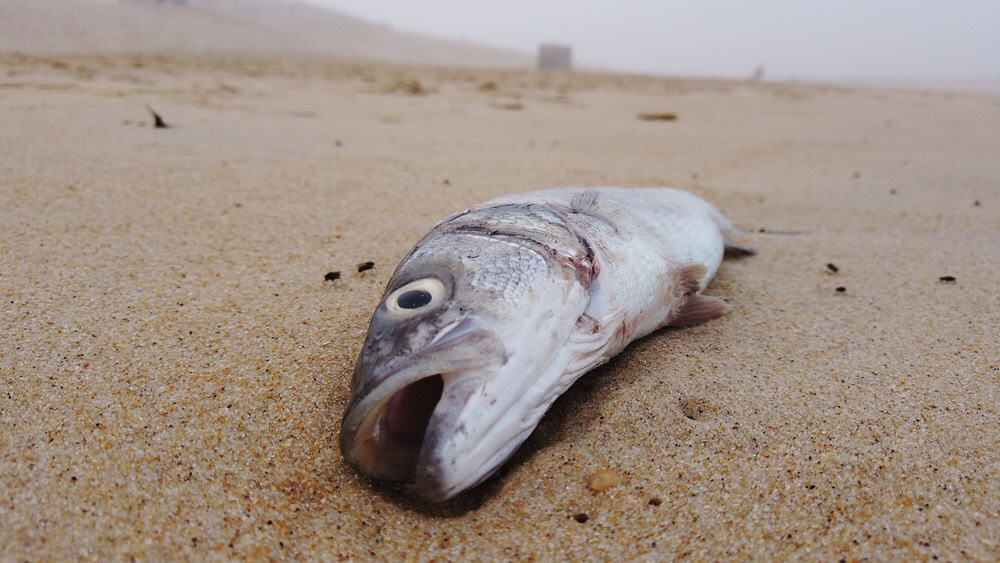

A gruesome sight will greet visitors to some of Australia’s south-east beaches. Community members along a 6-mile stretch of coastline have been left distraught by the sight of the dead bodies of marine creatures. Council workers and volunteers are collecting up to 440 pounds of fish and animal carcasses each day. What is causing this terrible phenomenon, and can anything be done to stop it?
Deadly Algae
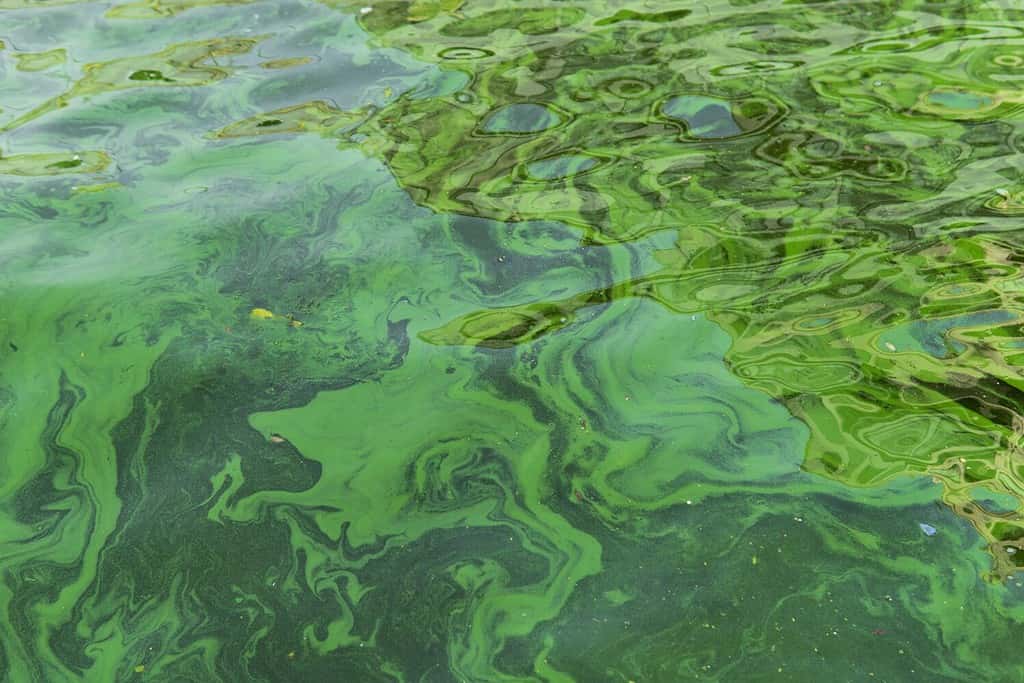
Algae takes up all the oxygen in water.
©Aleksandrkozak/Shutterstock.com
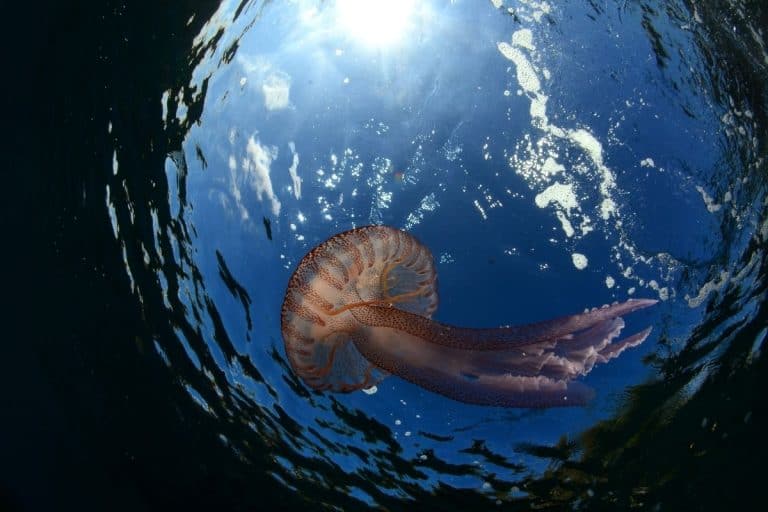
These creatures have been killed by an algal bloom caused by the species Karenia mikimotoi. While it is not toxic to humans, it can cause throat and eye irritation. To some marine creatures, however, it is deadly. It has killed more than 13,800 creatures from 390 different species.
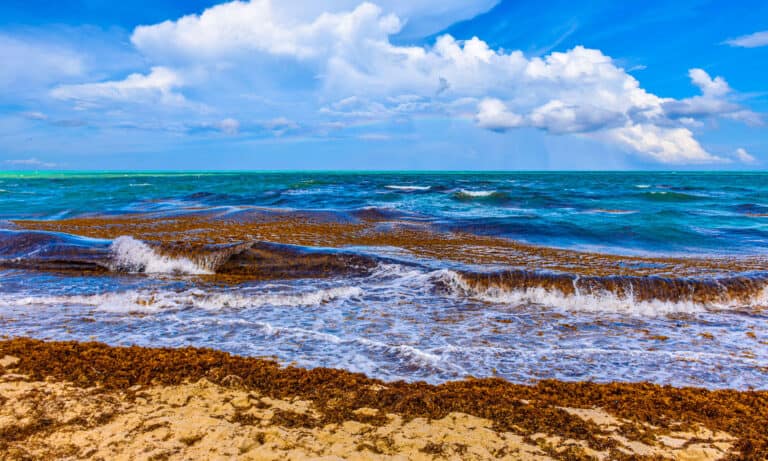
This particular algal bloom likely started in January and grew to cover more than 1,544 square miles. By March, it was creating sea foam, and by July, it had reached metropolitan beaches. Piles of dead kelp (seaweed) were among the first signs of the bloom. Satellite imagery shows that there is no sign of the bloom dispersing anytime soon.
What Caused the Bloom?
Reports state that the bloom was caused by an ongoing marine heatwave likely associated with global warming. Additionally, a large amount of nutrients entered these waters after the 2022-23 Murray-Darling Basin floods. However, other contributing factors may not yet have been identified.
How Does Algae Kill Marine Animals?
Scientists are still investigating the effects of algal blooms on wildlife. Scientists believe that toxins produced by the algae cause gill and tissue damage to fish. Small amounts of algae are manageable, but when such large quantities are found, it has a catastrophic effect. Furthermore, the algal bloom depletes the oxygen in the water, leaving little for the fish. There is some evidence that it causes hemorrhaging in sharks, which are bright red when they wash up on beaches.
What Is Being Done?
There is currently a parliamentary inquiry into the algal bloom that is due to report in October. The bloom is highly unpredictable, and experts cannot say what will happen next. For now, the only action they can take is to remove the dead animals that have washed ashore. The South Australian state government has allocated $28 million, while the federal government has pledged $14 million to fund cleanup efforts and long-term monitoring. It is hoped that community concerns will motivate authorities to find a solution.