
Quick Take
- One color of algae melts snow twice as fast as the other, and the fertilizer behind it comes straight from penguins' dinner.
- Penguins have an unglamorous habit that turns their colonies into snowmelt engines.
- A missing piece in Antarctic melt projections could mean forecasts are too optimistic.
- Penguins fleeing warming may carry the problem with them, and the article explains where that leads.
Due to climate change, Antarctica is losing 135 billion tons of ice each year. However, ice is not the only thing melting in Antarctica. Penguin droppings are accelerating snowmelt in Antarctica, adding to the problems facing the West Antarctic Ice Sheet, which continues to lose massive amounts of ice each year.
Penguin Guano Is Accelerating Snow Melt in Antarctica
Penguin poop, or guano, can accumulate quickly. Satellite images have even detected large swaths of it. This accumulation is likely contributing to snowmelt in Antarctica, but exactly how remains unclear.
According to a new study published in the Journal of Geophysical Research: Biogeosciences, researchers have found a link between penguin guano and algae growth in Antarctica. This is groundbreaking, given that climate change alone has been blamed for snow and ice melt in the region for decades.
The link between wildlife, nutrients, and snow algae is a critical missing component in projections of expansion of ice-free areas in Antarctica,
“The link between wildlife, nutrients, and snow algae is a critical missing component in projections of expansion of ice-free areas in Antarctica,” Alia Khan, senior study author and cryosphere biogeochemist at the University of Colorado Boulder, explained in a press release. “Without accounting for these biological darkening effects, we are likely underestimating how rapidly coastal snowpacks are melting and how fast ice-free terrain will expand across Antarctica.”
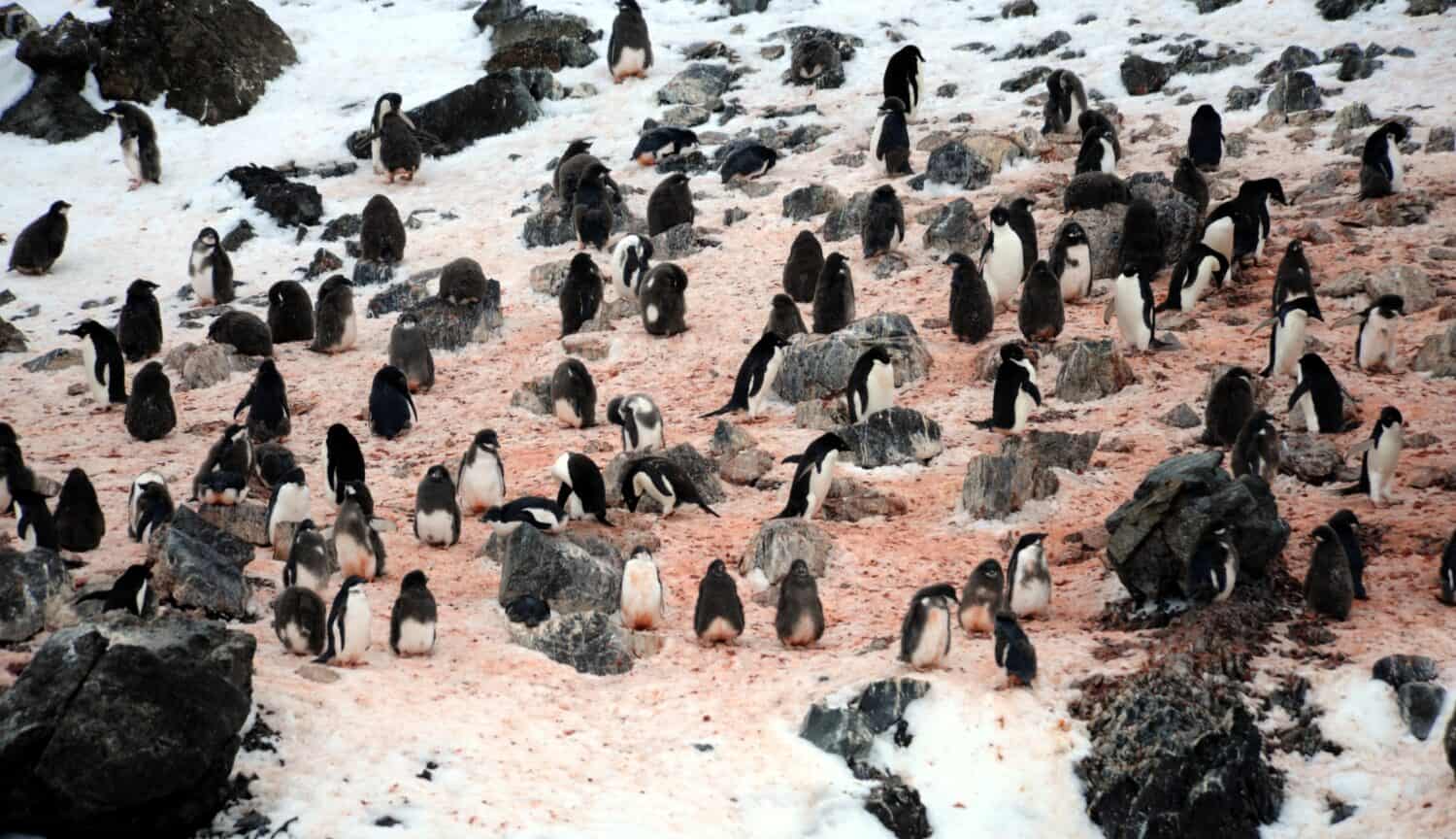
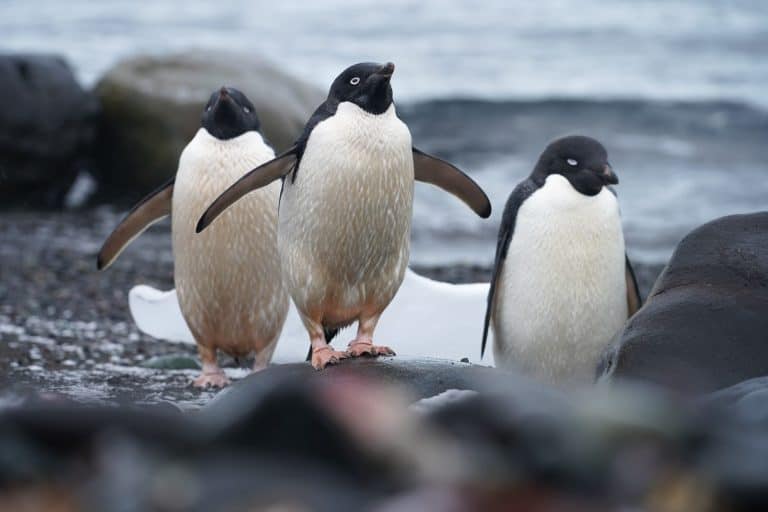
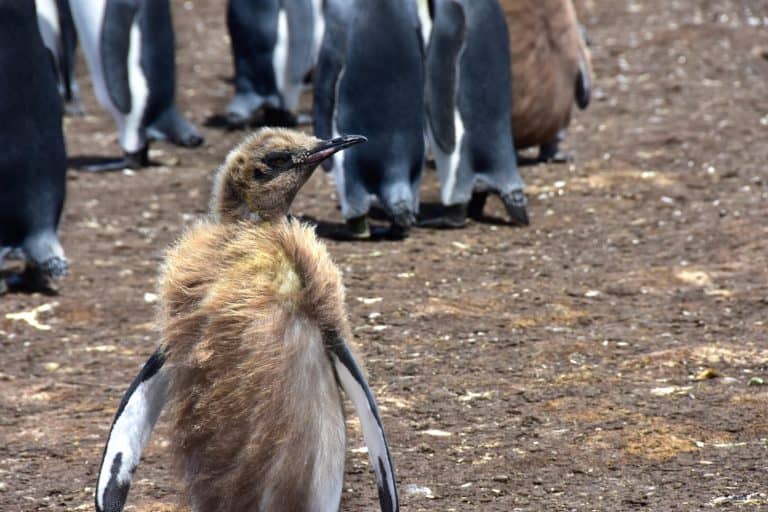
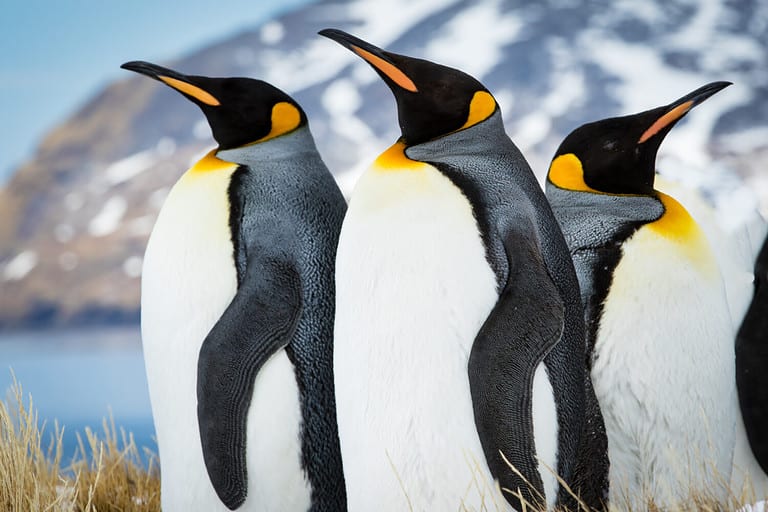
Penguin guano helps algae grow in Antarctica, leading to snowmelt.
©valda butterworth/Shutterstock.com
Researchers focused on color-changing algae, which grows during Antarctica’s short summer. When conditions are right and fertilization is ample, the algae turn green. This increase in chlorophyll enables photosynthesis, promoting algal growth.
However, when conditions are not as warm or the algae lacks nutrients to feed on, it turns red. The algae protect themselves and essentially put growth on hold until conditions improve.
When penguin guano is present, it fertilizes the algae, allowing for rapid growth. This is due to the penguins‘ diet and the phosphate in the guano, which feeds the algae blooms.
“This finding links the marine food web to snow ecology,” Khan explained. “After feasting on marine creatures at sea, she explained, penguins and seabirds like skuas spread the resulting nutrients (including phosphate) over coastal snowpack in the form of their poo. “The penguin guano acts as a fertilizer… that fuels these dense green snow algae blooms.”
Just How Quickly the Algae Melts Snow
Both red and green algae contribute to snowmelt in Antarctica. However, the rate of snowmelt differs between the two algae.
Sunlight contributes to snowmelt thanks to solar radiation. When the snow is fresh and white, it can reflect about 90% of the rays. However, this changes when algae begin to grow in the snow.
When red algae grow, they absorb 20% more of the sun’s energy, according to the study. The more energy radiated into the snow, the faster it melts.
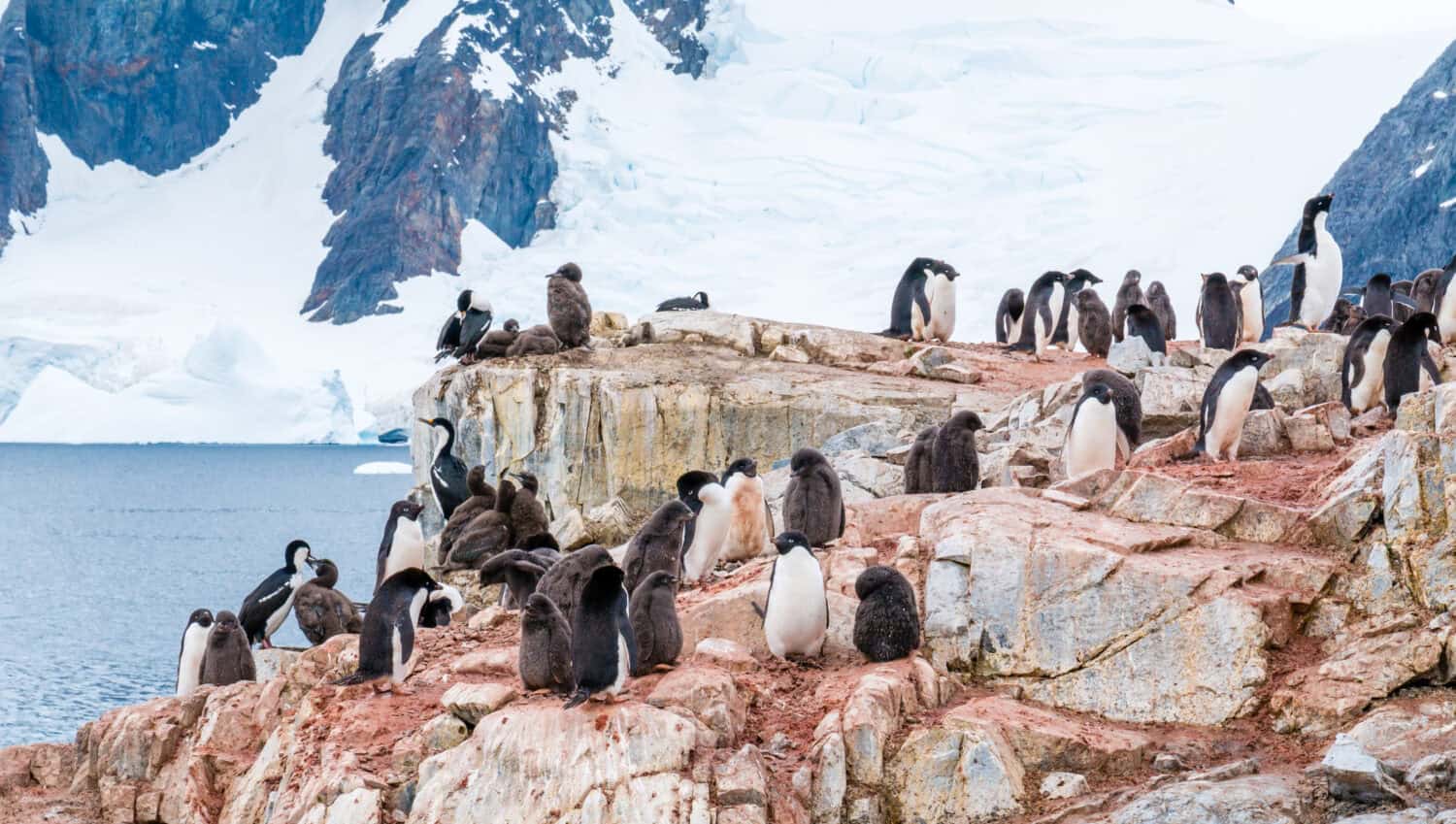
Red algae absorb 20% more of the sun’s radiation than white snow, whereas green algae absorb 40% more.
©TasfotoNL/Shutterstock.com
Green plants reflect less sunlight because of their pigments and the role photosynthesis plays in nutrient absorption. Consequently, when green algae grow in Antarctica, it absorbs 40% more of the sun’s energy than pure white snow.
Even when temperatures are below freezing, the sun’s radiation can make surface temperatures significantly warmer. This is especially true when blankets of algae grow. As a result, snow and ice already melting from climate change melt even faster.
How Are Penguins Spreading the Algae?
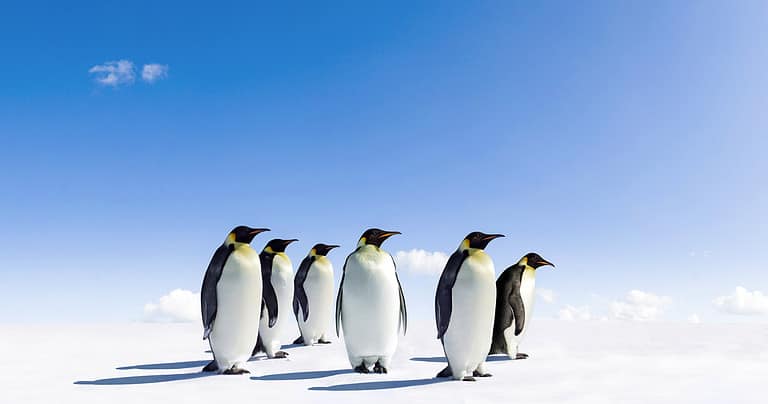
Penguins are not overly fastidious animals, leaving their droppings in the same area where they live. This has led to large areas of algae growth in Antarctica.
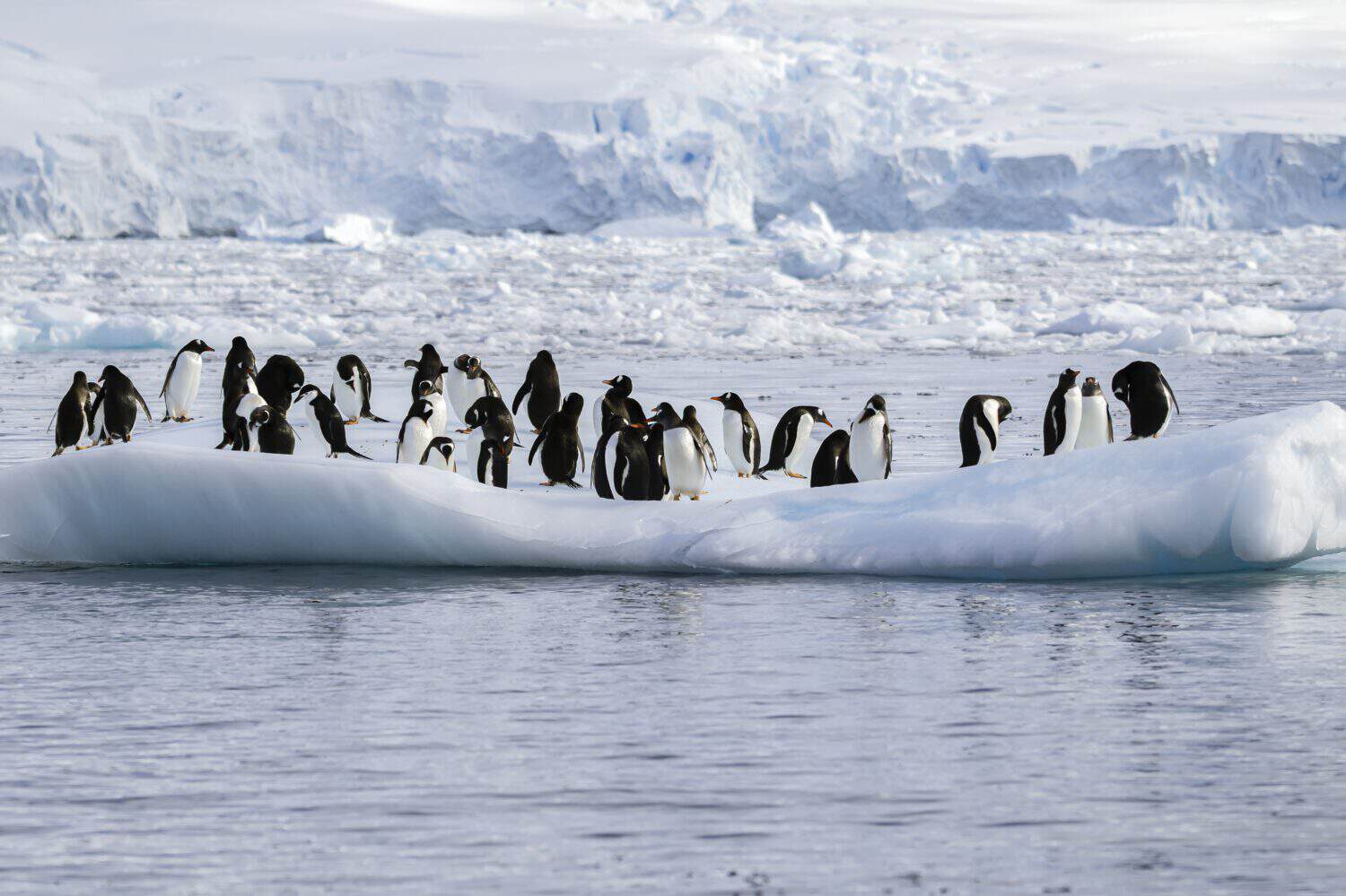
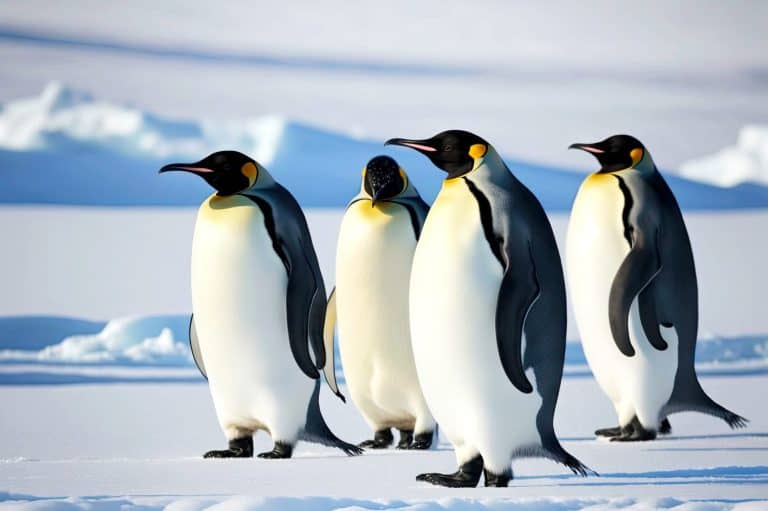
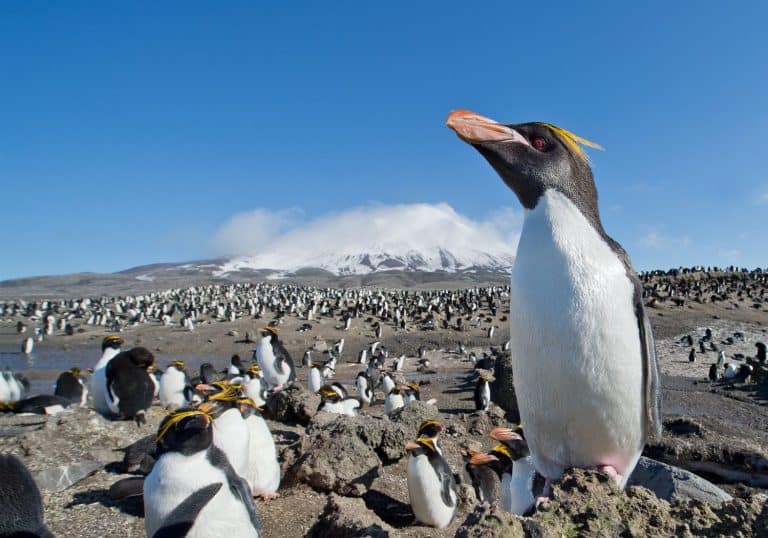
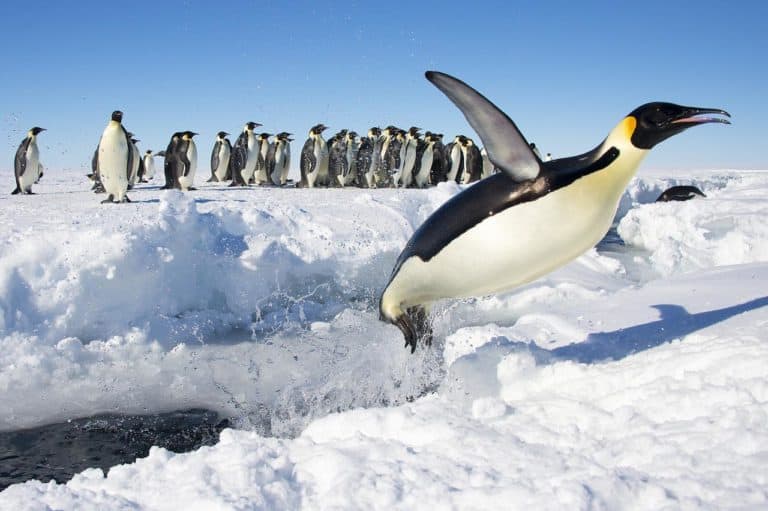
As penguins travel, they spread guano along their path.
©Anil S Matta/Shutterstock.com
As penguins travel, they leave guano behind. According to the study, they carry guano on their feet and leave a trail wherever they roam. This is excellent news for the algae, with the guano working as fertilizer. However, it is not good news for snowpack.
The farther the penguins travel, the more algae grow. Regardless of whether it is red or green algae, the photosynthetic organisms encourage snowmelt. Consequently, this means less ice accumulation for the animals that call Antarctica home.
Climate Change and Spreading Guano Are a One-Two Punch for Antarctica
Climate change is already changing the amount of snowpack and ice in Antarctica. Although the region is melting slightly more slowly than the rest of the world, rising global temperatures are still reshaping Antarctica. Now, as penguins continue to move south to cooler temperatures, the melt will follow.
Penguins, like other animals living in Antarctica, have to relocate to cooler climates. According to the study, this means moving south. As they relocate, it is only a matter of time before the coldest areas on the planet support algae growth.
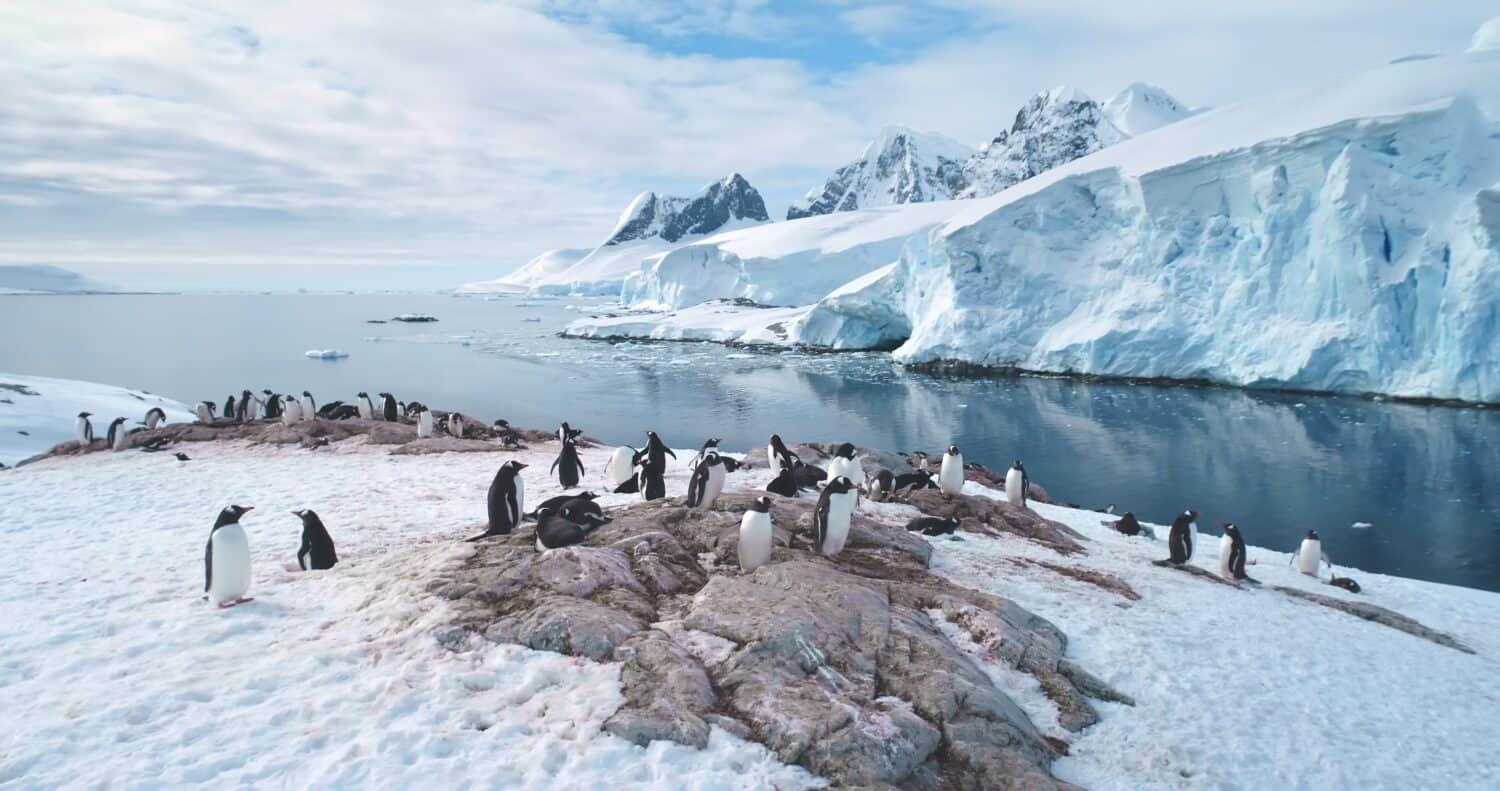
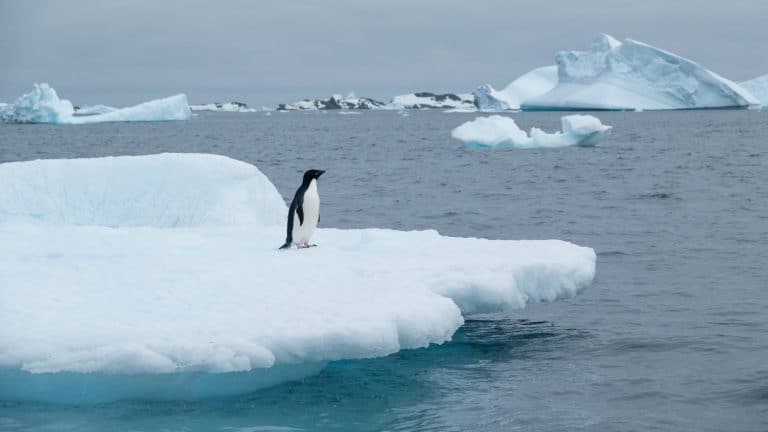
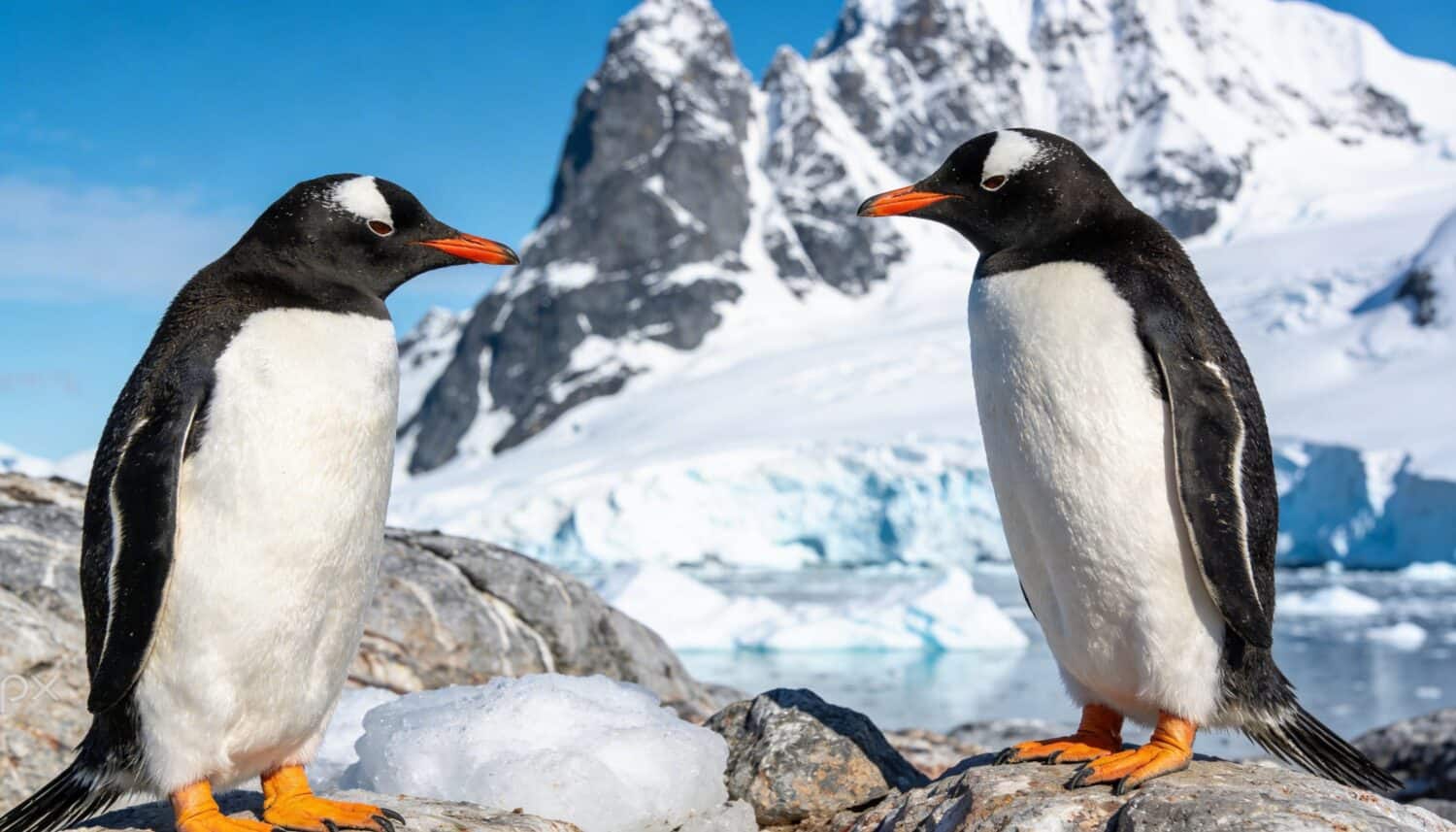
Climate change and algal growth are disastrous for Antarctica’s ice and snowmelt.
©Mozgova/Shutterstock.com
The more algae that grow, the less snow there is. The less snow there is, the less ice can form on the continent’s ice sheet. Animals that rely on the ice will, at some point, have nowhere to go.
This study is the first to show that penguin guano contributes to snow loss in the Antarctic. So far, no statistics exist to show how much snow loss is attributed to penguins. However, this is anticipated to change in the future as more data is compiled, painting a true picture of the snow and ice melt Antarctica is experiencing as the planet changes.