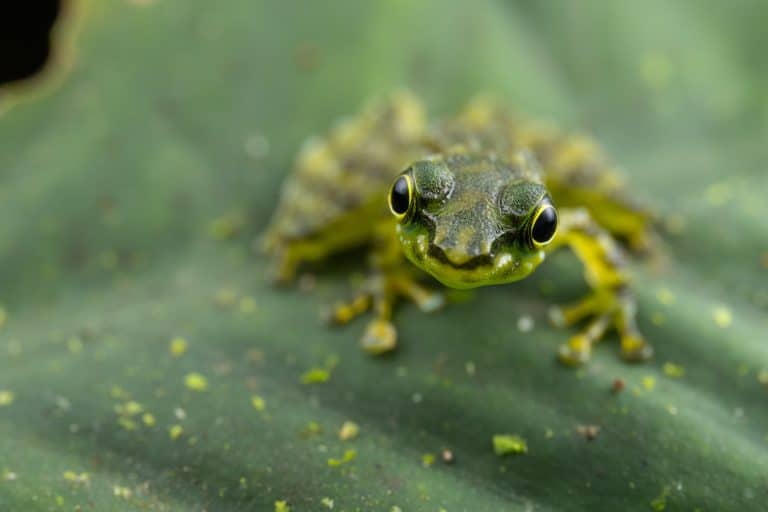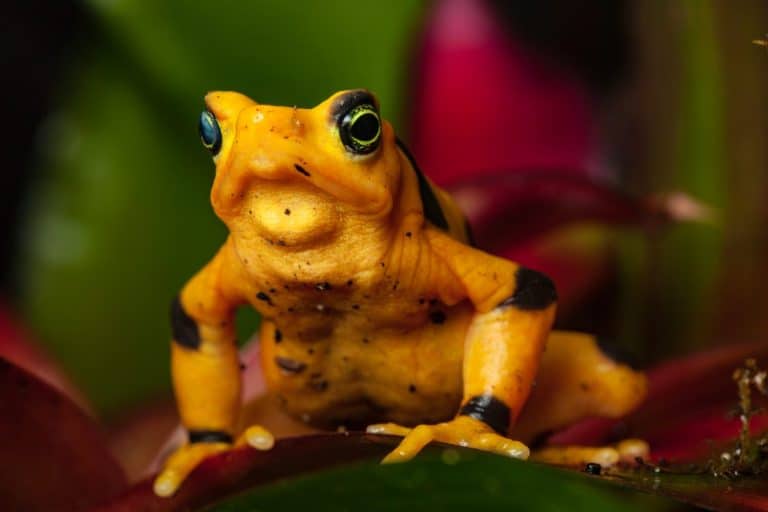

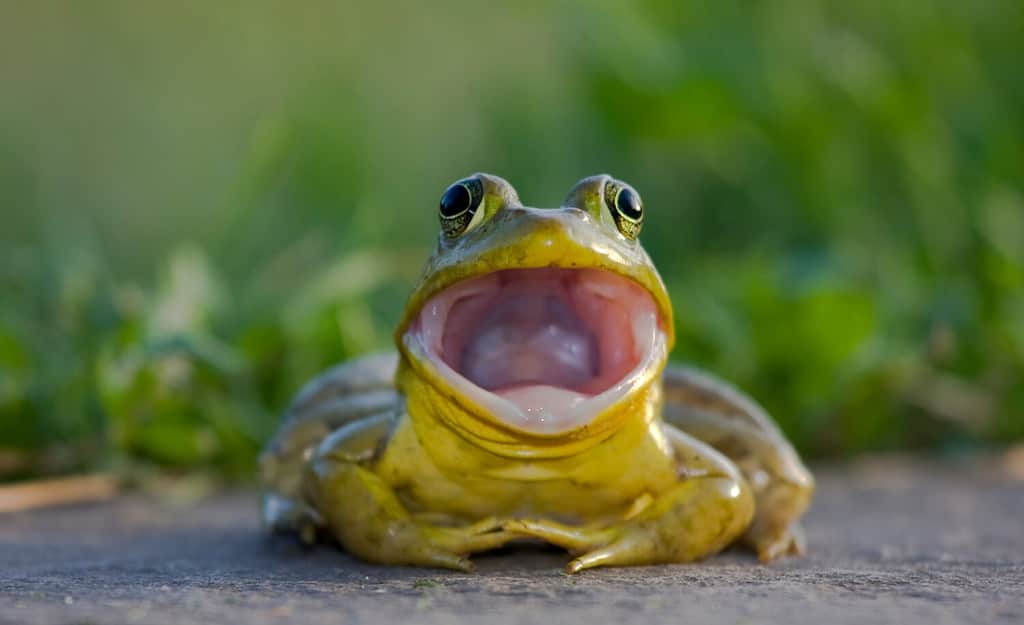
We all learn growing up that frogs croak, but what are some of the other sounds that they might make? Surprisingly, frogs sometimes scream when they feel threatened. But in what situations do they scream? This video by Mark Roe shows a bullfrog starting to scream after getting picked up. Read here to learn more about why frogs scream.
©Tau5/Shutterstock.com
Why Do Frogs Scream?
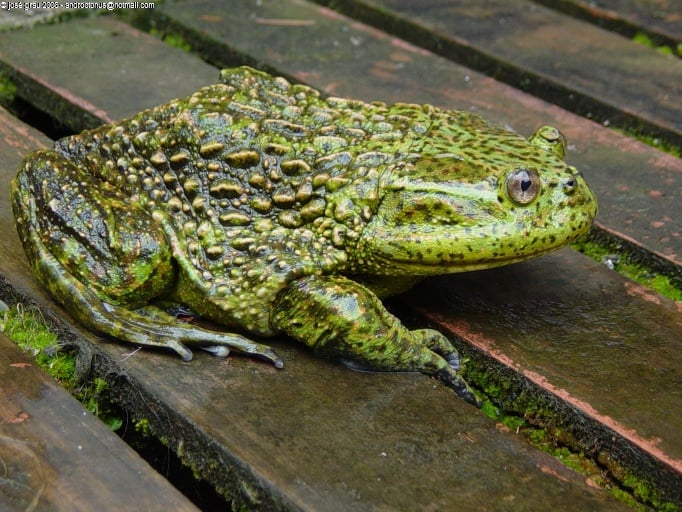
Frogs’ “screaming” is an uncommon behavior that is more often seen in specific species that have adapted to scream. Most frogs simply croak or trill, and screams like the one in the video are not common. Some species that do scream include the Budgett’s frog (Lepidobatrachus laevis) and the Eastern Banjo Frog (Limnodynastes dumerilii), both of which are known for their loud, defensive vocalizations. These species scream as part of their defensive behaviors. So, while some species scream as part of their natural behavior, why might the bullfrog above scream? Most often, it is because of fear. When threatened or frightened, a frog might scream to drive the offender away. Pain is another reason; screaming can help ward off further attacks. During fights for territory or mating, most frogs use croaks or calls to make their presence known, but in some species, aggressive or distress calls that resemble screams may also occur.
How Do Frogs Vocalize?
Frogs have a robust vocal system that allows them to make a variety of different sounds. Although frogs’ vocal systems are not typically used for screaming, as shown in the video, they can produce a wide range of sounds when under stress. Using their lungs, frogs channel airflow through the larynx. The larynx and vocal cords vibrate as the air travels through, creating sound waves. Vocal sacs are particularly interesting; most frogs have one or more that inflate when they croak. These sacs help the sound resonate and amplify, making it much louder. This amplification is what makes frogs so loud—the sound is projected much farther than it would be otherwise. So, while a frog screaming may seem unusual, the rarity of the behavior and the effort involved make it fascinating to witness.